
"Princess Tutu": A Ballet of Narrative Deconstruction and Enduring Genius
Main Facts
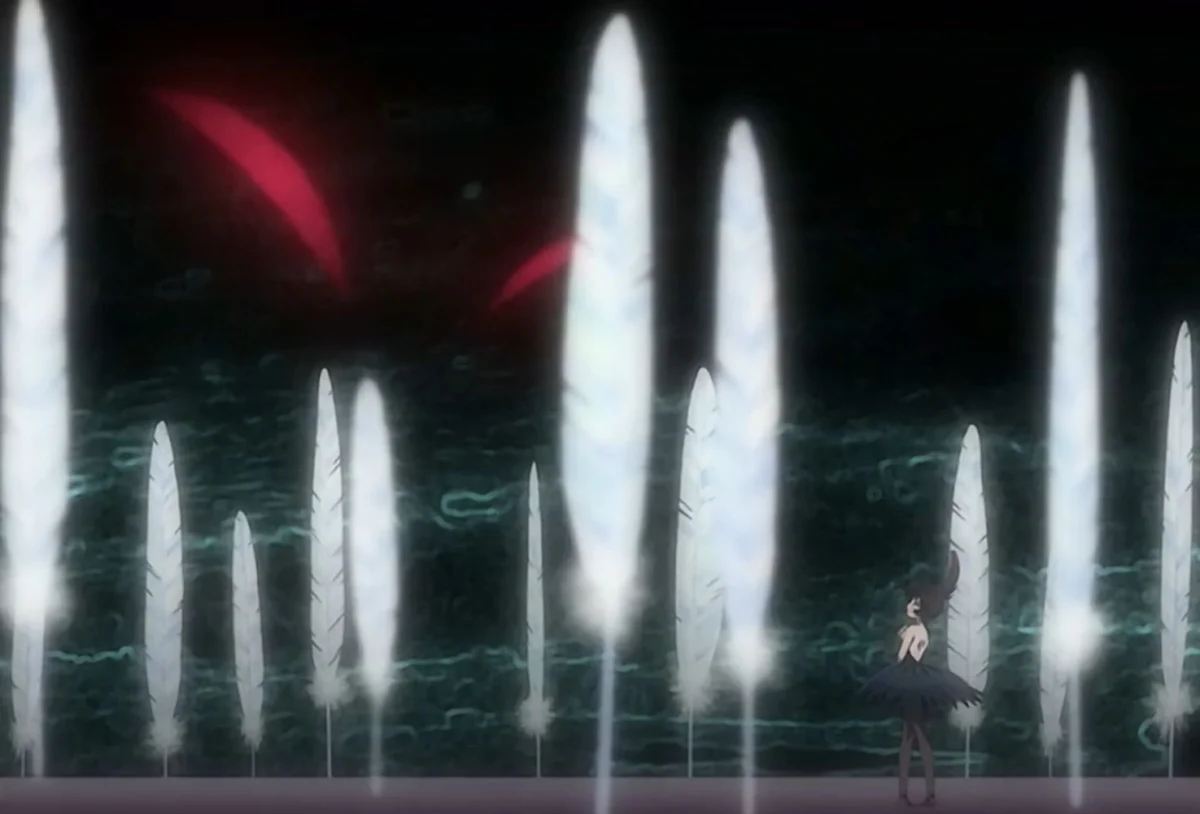
Initially dismissed by some as a saccharine children’s fantasy, the 2002 anime series Princess Tutu has transcended its initial perception to achieve widespread critical acclaim and a devoted cult following. Produced by Hal Film Maker and helmed by director Junichi Sato (known for Sailor Moon and Aria) and character designer Ikuko Itoh, Princess Tutu deftly weaves together classical ballet, European folklore, and meta-narrative elements to create a profound exploration of identity, destiny, and the power of storytelling. Far from a simple magical girl show, it is a sophisticated work that challenges genre conventions while delivering a deeply emotional and thought-provoking experience.
The series centers on a small duck, Ahiru (Japanese for "duck"), who possesses a magical pendant allowing her to transform into a human girl and, subsequently, into the graceful Princess Tutu. Her mission, bestowed by the enigmatic, deceased author Drosselmeyer, is to restore the shattered heart of Prince Mytho, an emotionless protagonist from an unfinished story. This seemingly straightforward fairytale premise quickly unravels into a complex web of interwoven destinies, where characters struggle against predetermined roles and the manipulative influence of their creator. Set in the peculiar, timeless Gold Crown Town—a place where the boundaries between reality and fiction blur—the narrative unfolds with a unique blend of whimsy, tragedy, and existential inquiry.
Chronology

Princess Tutu first premiered on NHK in Japan in 2002, airing over two distinct seasons (often referred to as "chapitres" or "stages" reflecting its balletic theme). The series was produced by Hal Film Maker, a studio known for its diverse animation projects. Under the creative direction of Junichi Sato, the team embarked on a project that, despite a reportedly modest budget, aimed for ambitious storytelling and artistic execution.
The development of Princess Tutu involved a meticulous fusion of diverse artistic disciplines. Ikuko Itoh, with her background on Sailor Moon, brought a distinct aesthetic to the character designs, while the animation team meticulously integrated classical ballet choreography into the action sequences. Crucially, the soundtrack is a veritable classical music education, featuring compositions from masters like Tchaikovsky, Mussorgsky, Strauss, and Delibes, whose works are not merely background but are integral to the plot and character development. The German episode titles ("Kapitel") and the Central European-inspired setting of Gold Crown Town further enriched its unique cultural tapestry.
Upon its initial broadcast, Princess Tutu garnered attention for its unconventional approach to the magical girl genre, distinguishing itself from its contemporaries. While not an immediate mainstream blockbuster, its intricate plot, compelling characters, and artistic depth resonated deeply with a segment of the audience, slowly building the fervent cult following it enjoys today. Its unique narrative structure, which deconstructs fairytales and explores meta-fictional concepts, ensured its longevity in critical discussions and fan communities.
Supporting Data

The richness of Princess Tutu lies in its masterful execution across multiple facets: thematic depth, artistic integration, and nuanced character development.
Thematic Depth: Stories, Identity, and Free Will
At its core, Princess Tutu is a profound meditation on the nature of stories and the struggle for self-determination. The omnipresent, yet deceased, author Herr Drosselmeyer acts as a whimsical but sinister puppet master, manipulating the lives of his "characters" in Gold Crown Town for the sake of a compelling narrative. His cogwork writing machine ensures the story continues, even after his death, embodying the idea that stories can take on a life of their own. This meta-narrative layer constantly reminds the audience that they are watching a story about stories, raising questions pertinent to both the characters and the viewers: Are our lives merely narratives written by others, or do we possess the free will to forge our own paths?
The characters’ journeys are defined by this struggle. Ahiru, initially a simple duck granted a human form and a heroic role, grapples with her perceived inadequacy and the burden of a destiny she never chose. Her repeated self-identification as "just a duck" highlights her deep-seated insecurity, even as her actions as Princess Tutu demonstrate extraordinary courage and empathy. The series explores the dissonance between assigned roles and true self, ultimately asserting that one’s intrinsic goodness and passion remain regardless of external forms or preordained scripts.
This existential inquiry extends to the town itself, where the line between reality and fiction is perpetually blurred. Inhabitants are content within its borders, seemingly unaware or unconcerned with their storybook origins. This setting provides a fertile ground for exploring the comfort of familiar narratives versus the terrifying freedom of forging an unknown future.

Artistic Merit: Ballet, Classical Music, and Visual Storytelling
Princess Tutu stands as a testament to creative resourcefulness, particularly given its modest budget. The series elevates its animation through ingenious choices, most notably in its integration of classical ballet and music.
- Ballet as Narrative: Ballet is not merely aesthetic window dressing; it is the language through which conflicts are resolved and emotions are conveyed. Princess Tutu’s "dance-battles" are not physical confrontations but graceful, empathetic performances that literally mend shattered hearts and alter destinies. Each episode often draws inspiration from specific ballets (e.g., Swan Lake, Giselle, Sleeping Beauty), whose thematic elements are cleverly woven into the plot, providing foreshadowing and symbolic resonance. The animators demonstrate a thorough knowledge of a dancer’s movements, lending authenticity and fluidity to these pivotal sequences.
- Classical Music Integration: The soundtrack is a cornerstone of the series’ artistry. Iconic pieces by Tchaikovsky, Mussorgsky, Strauss, and Delibes are meticulously selected to underscore emotional beats, characterize individuals, and propel the narrative forward. This sophisticated use of classical music immerses the viewer in the show’s elegant yet dramatic world, enhancing its thematic depth and emotional impact in a way rarely seen in anime.
- Visual Style and Budgetary Ingenuity: While some scenes utilize stylized cartooning and still frames, these are employed not as limitations but as artistic choices. Rather than appearing "cheap," these moments often create a tableau effect, evoking the static yet evocative nature of stage productions. This deliberate aesthetic, combined with detailed character designs and carefully rendered backgrounds, contributes to a unique theatrical feel that has influenced subsequent works and is often cited as a benchmark for effective animation under constraint. The European-inspired architecture and quaint charm of Gold Crown Town further solidify this distinct visual identity.
Nuanced Character Development: Beyond Fairytale Archetypes
The core quartet of characters—Ahiru/Princess Tutu, Mytho, Fakir, and Rue/Princess Kraehe—undergo complex, multi-layered arcs that subvert traditional fairytale roles.
- Ahiru/Princess Tutu: Initially clumsy and self-deprecating in her human form, Ahiru transforms into the elegant and powerful Princess Tutu. Her journey is one of self-discovery, learning to embrace her inherent courage and empathy despite her humble origins and Drosselmeyer’s manipulations. She exemplifies heroism rooted not in inherent power but in kindness and emotional intelligence.
- Mytho: The stoic, emotionless prince, Mytho is initially a blank slate, his heart shattered to imprison a monstrous crow. His gradual re-acquisition of emotions—starting with negative ones like bitterness and fear—reveals the complexities of the human psyche and the pain inherent in becoming whole. His vulnerability makes him a compelling figure, deserving of Tutu’s unwavering devotion.
- Fakir: Mytho’s knight and protector, Fakir is introduced as abrasive and possessive. His fierce protectiveness stems from a tragic past and a fear of losing Mytho, who represents his life’s purpose. Fakir’s struggle is against his own predetermined fate as a sacrificial character, a role he vehemently rejects. His arc is a powerful testament to challenging one’s narrative and finding agency through unexpected alliances and personal growth. He emerges as a co-hero, demonstrating courage in defiance of the story’s script.
- Rue/Princess Kraehe: The prima ballerina and ostensible antagonist, Rue is burdened by her identity as Princess Kraehe, the daughter of the monstrous crow. Pressured by her father to embrace villainy, she struggles with her desire for Mytho’s love and the rejection of her humanity. Her journey is a poignant exploration of abuse, self-hatred, and the redemptive power of friendship and unconditional love, particularly from Ahiru. She embodies the tragedy of a character forced into a role, fighting for the right to define herself.
Even supporting characters like Mr. Cat, the ballet teacher who comically threatens students with marriage, and Miss Edel, a puppet who develops genuine affection, contribute to the series’ thematic richness, demonstrating that even the most seemingly one-dimensional figures can possess moments of unexpected pathos and growth.
Official Responses

While Princess Tutu did not achieve the mainstream commercial success of some of its contemporaries, its artistic merits and thematic complexity were recognized by critics and discerning audiences. The series quickly developed a strong cult following, a testament to its enduring quality and unique appeal. Anime journalists and critics frequently praise Princess Tutu for its innovative narrative, sophisticated use of classical arts, and profound character development.
Reviewers often highlight its masterful deconstruction of fairytale tropes and the magical girl genre, noting how it transcends expectations by offering a narrative that is both whimsical and deeply philosophical. Its ability to tackle mature themes such as identity crisis, free will versus destiny, and the nature of love and sacrifice within a seemingly lighthearted framework is consistently lauded. The intricate weaving of classical ballet and music is almost universally cited as a stroke of genius, demonstrating a level of artistic integration rarely seen in animation.
The "official response" from the anime community, in the form of retrospectives, fan analyses, and academic discussions, overwhelmingly positions Princess Tutu as a masterpiece. It is frequently recommended for its unique narrative structure, its beautifully executed emotional arcs, and its enduring relevance to discussions about storytelling and self-discovery. The show’s ability to maximize a limited budget through clever direction and artistic stylization is also a frequent point of praise, serving as an example of how creativity can overcome financial constraints.
Implications

The enduring legacy of Princess Tutu lies in its powerful implications for storytelling, character development, and the subversion of genre expectations.
- Reimagining Fairytales and Genres: Princess Tutu serves as a powerful blueprint for how to deconstruct and reimagine classic fairytales and established genres. It demonstrates that seemingly "childish" narratives can be vehicles for profound philosophical inquiry, challenging audiences to look beyond surface aesthetics. Its influence can be seen in subsequent works that explore meta-narrative, character agency, and the dark underbellies of conventional fantasy.
- The Power of Empathy and Self-Acceptance: The series strongly champions empathy, kindness, and self-acceptance as the truest forms of heroism. Ahiru’s ability to save others through understanding and compassion, rather than brute force, offers a refreshing take on the magical girl archetype and heroism in general. This message resonates deeply, encouraging viewers to value intrinsic goodness over superficial strength or predefined roles.
- Artistic Integration as a Benchmark: Princess Tutu‘s seamless integration of classical ballet, music, and animation sets a high standard for interdisciplinary artistic collaboration in media. It illustrates how different art forms can not only coexist but also mutually enrich and deepen a narrative, creating a truly unique and immersive experience. Its success in doing so with limited resources has inspired creators to explore innovative artistic solutions.
- Existential Reflection: By consistently questioning the nature of reality, stories, and free will, Princess Tutu invites viewers into a deeper existential reflection. It posits that true liberation comes from understanding one’s narrative and choosing to write one’s own ending, even if it means defying the expectations of a creator or society. This powerful message about agency and individuality ensures its continued relevance in contemporary discussions about identity and personal freedom.
In conclusion, Princess Tutu is far more than a simple anime about a princess and ballet. It is a work of profound artistry and narrative genius that compels viewers to reconsider their assumptions about fairytales, heroism, and the very stories that shape our lives. Its journey from an underestimated series to a beloved cult classic mirrors the characters’ own struggles against perceived limitations, ultimately proving that true brilliance often emerges from unexpected places. The ballet of Princess Tutu continues to dance in the hearts and minds of its audience, a timeless ode to self-discovery and the enduring power of a story well told.

Leave a Comment