Privacy, Profit, and Parts: An In-Depth Analysis of ‘In Trusted Hands’
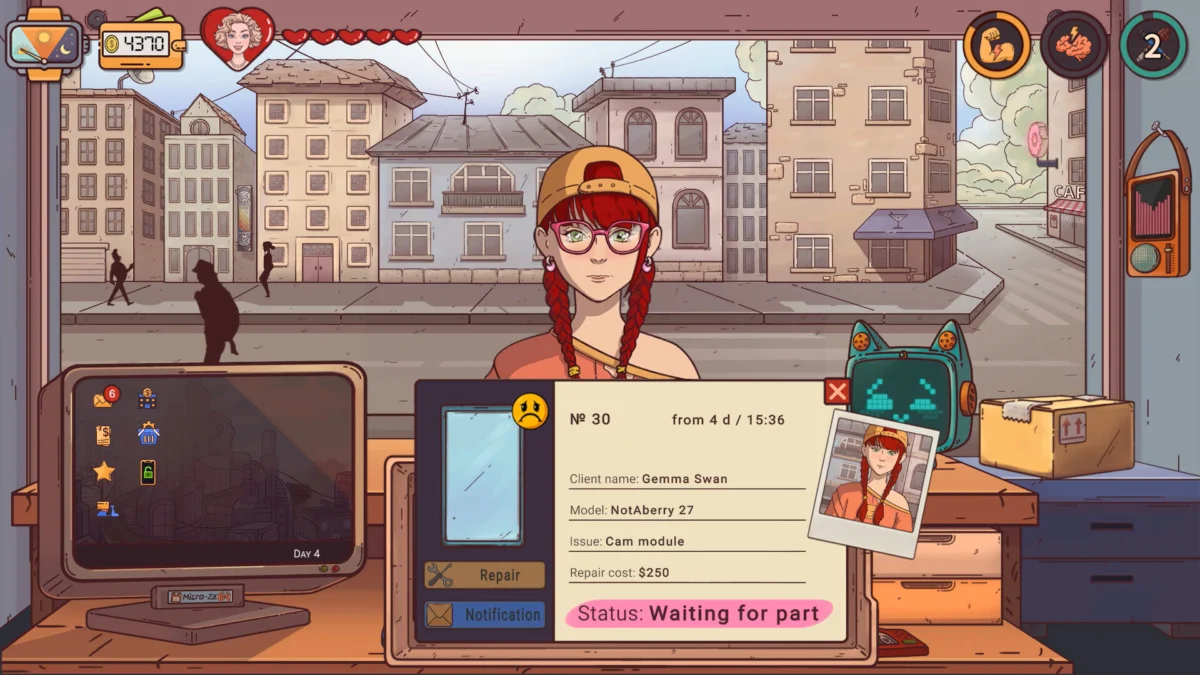
The modern smartphone is more than a communication tool; it is a digital repository of our most intimate secrets, financial records, and private interactions. When these devices fail, we hand them over to strangers, operating on a foundational level of social trust. This delicate intersection of commerce and privacy forms the core premise of In Trusted Hands, a new management simulation title now available across all major platforms.
While the game promises a gritty look at the ethical dilemmas facing a small-business owner in the digital age, its execution raises questions about the balance between mechanical simplicity and narrative weight. This report examines the gameplay mechanics, the moral framework of the title, and the implications of its design choices within the broader context of the management simulation genre.
Main Facts: The Architecture of Digital Repair
In Trusted Hands places the player in the role of an independent proprietor of a modest phone repair outlet. At its surface, the game follows the established blueprints of "job simulators" like Papers, Please or Gas Station Simulator, where the primary loop involves customer service, inventory management, and technical labor.
The core gameplay consists of four distinct phases:
- Diagnostic Scanning: Using in-game tools to identify hardware failures.
- Negotiation: A haggling system where players must balance profit margins against customer satisfaction.
- Logistics: Utilizing an in-game PC to order parts, managing shipping costs and delivery times.
- Technical Execution: A series of mini-games (notably simplified on console versions) to install parts and restore functionality.
The game is currently available on PlayStation, Xbox, PC, and Nintendo Switch. However, early reports indicate a disparity in mechanical depth between platforms. While the PC version offers a more granular approach to the actual physical repair of devices, the Xbox version—and by extension, likely the other console ports—utilizes a simplified timing-based mini-game.
Chronology: The Lifecycle of a Repair Cycle
To understand the player experience in In Trusted Hands, one must look at the progression of a standard in-game week. The game operates on a day-night cycle governed by energy management and financial overhead.
Phase I: The Morning Rush and Diagnostic
Each day begins with a queue of customers. The diagnostic phase is streamlined; a device scan reveals the fault—ranging from cracked screens to fried motherboards—and provides a "base price." This is where the player’s personality comes into play. The haggling mechanic allows for predatory pricing or charitable discounts. Some NPCs are desperate and will pay a premium for speed, while others are price-sensitive.
Phase II: The Logistics of Repair
Once a repair is agreed upon, the player must source the hardware. A critical discovery for efficient play is the "bulk-ordering" strategy. Because the delivery fee remains static regardless of the quantity of items ordered, the game encourages players to anticipate future needs rather than ordering per job. This shifts the game from a reactive repair sim to a proactive inventory management game.
Phase III: The Moral Pivot
As the player works on a device, the opportunity arises to "dig" into the owner’s data. This is the narrative hook of In Trusted Hands. The player can choose to bypass security protocols to uncover sensitive information. This data can then be sold or distributed to three primary factions:
- The Authorities: Sending incriminating data to a police officer.
- The Media: Providing "scoops" to a journalist.
- The Dark Web/Creeps: Selling private images or data to anonymous, predatory entities.
Phase IV: Closing the Books
The end of the day involves paying rent, electricity, and taxes. The game introduces a "VAT receipt" mechanic, allowing players to choose whether to report their earnings or engage in tax evasion to maximize take-home pay.
Supporting Data: Economic Balance and Difficulty Scaling
While the conceptual framework of In Trusted Hands is robust, data from the mid-to-late game suggests a significant drop-off in difficulty and stakes.
Wealth Accumulation Metrics:
By Day 12 of a standard playthrough, a player who utilizes bulk ordering and moderate haggling can expect to have:
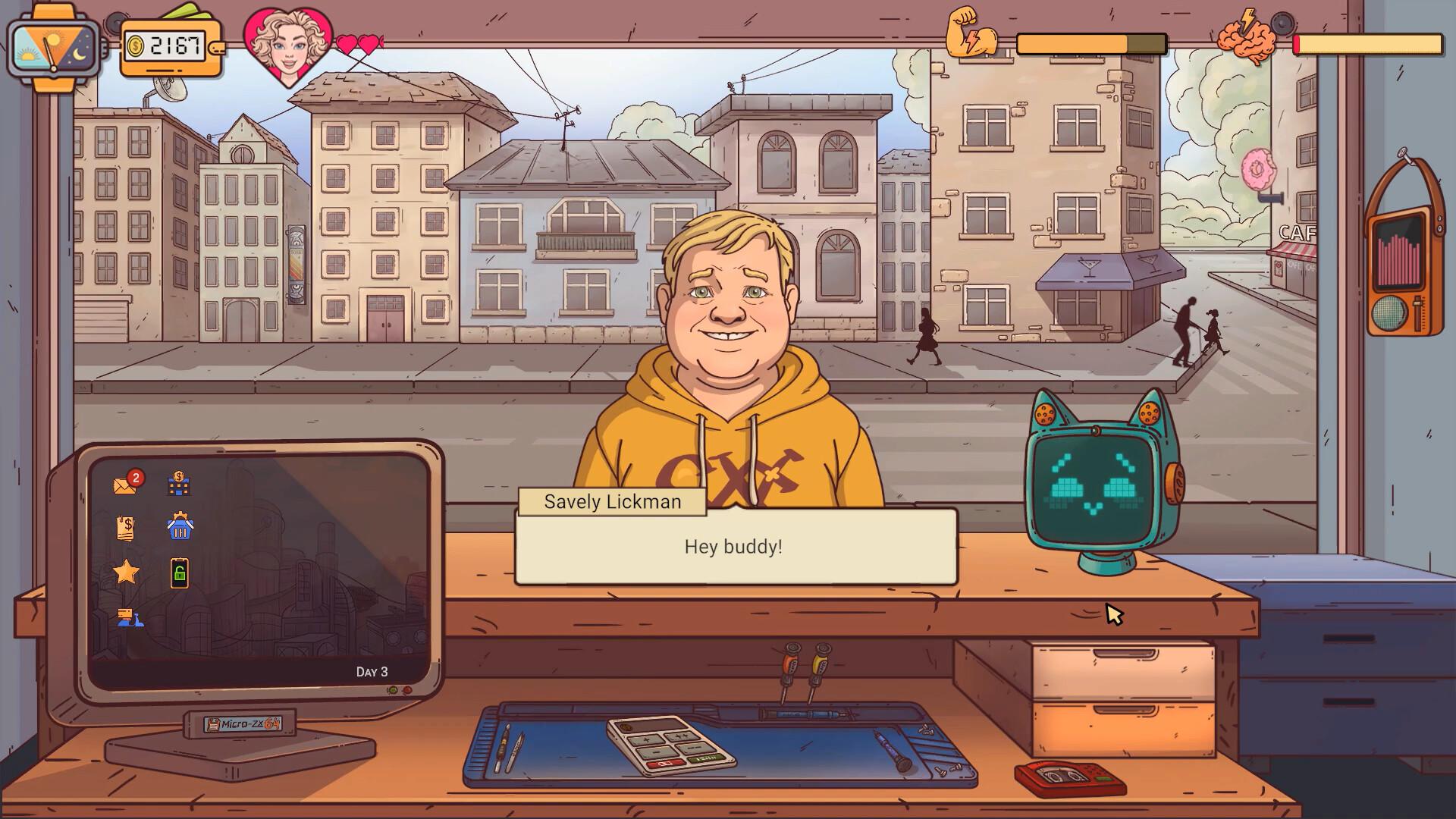
- Over $10,000 in liquid capital.
- A full inventory of spare parts for every phone model.
- Completed loan repayments.
This rapid accumulation of wealth highlights a potential flaw in the game’s "flow state." In management sims, the "tension" usually comes from the scarcity of resources. In In Trusted Hands, once the initial hurdle of the first few days is cleared, the financial pressure evaporates.
The "Green Glow" Indicator:
To assist the player in navigating the narrative, "People of Interest" are highlighted with a green glow during chat interactions. While this ensures players do not miss story beats, critics argue it removes the investigative "detective work" that makes games like Return of the Obra Dinn or Papers, Please compelling. The game explicitly tells the player who is "worth" hacking, rather than forcing the player to deduce it from the phone’s contents.
Technical Disparity:
On the Xbox version, the repair mini-game involves a simple "stop the line on the green bar" mechanic. If the player fails, they lose a portion of their energy bar. However, players report that the energy penalty is rarely severe enough to impact a day’s productivity, making the "technical" part of the job feel like a formality rather than a skill-based challenge.
Official Context: Developer Intent vs. Player Reception
Marketing materials for In Trusted Hands emphasize the "gray areas" of the service industry. The official trailer showcases the shop as a hub for the community’s secrets, suggesting a deep, branching narrative where the player’s reputation is constantly at risk.
However, the current player reception suggests a disconnect between the marketing’s "dark" tone and the gameplay’s "light" consequences.
Official Narrative Elements:
The game includes a dating sim component, where the player can pursue relationships outside of work hours. While intended to humanize the protagonist and provide a "money sink" for earnings, the dialogue trees are described as straightforward and lacking in nuance. The "correct" answers are often obvious, leading to a feeling that these social interactions are a checklist rather than a dynamic part of the world.
Developer Philosophy (Inferred):
The inclusion of tax evasion and data selling suggests the developers intended to create a commentary on the "gig economy" and the erosion of privacy. By making these illicit acts easy to perform and difficult to get caught for, the game could be interpreted as a satire of how easily systems of trust can be exploited without immediate repercussions.
Implications: The Future of the Ethical Management Subgenre
The release of In Trusted Hands serves as a case study for the "Ethical Management" subgenre. It demonstrates that while players are drawn to the idea of "behaving badly" in a digital sandbox, the lack of a robust "consequence engine" can lead to ludonarrative dissonance.
The Problem of Consequence
In a game where you can sell a customer’s private photos to a "creep," the lack of impact on your shop’s reputation or the game’s world-state renders the choice purely transactional. If the shop reviews only reflect the speed of the repair and the price, the moral choice becomes a math problem (Extra Cash vs. Zero Penalty) rather than a character-defining moment.
The "Too Easy" Trap
Management games rely on the "just one more day" loop. This loop is fueled by the desire to overcome a challenge. When a player reaches a point of "infinite wealth" by Day 12, the motivation to engage with the game’s systems—including the hacking and the dating—diminishes. For In Trusted Hands to resonate more deeply, future updates or sequels would likely need to introduce:
- Variable Difficulty: Higher stakes for tax evasion (e.g., audits).
- Reputation Systems: Customers noticing data leaks, leading to a loss of business.
- Mechanical Depth: Porting the more complex PC repair mechanics to console versions to increase player engagement.
Conclusion
In Trusted Hands offers a fascinating "skeleton" of a game. It captures the aesthetic and the basic rhythm of a phone repair shop with surprising accuracy. However, as a narrative-driven management sim, it currently lacks the "meat" on its bones to keep veteran players invested long-term. It stands as a competent, casual experience for those who enjoy the "flow" of sorting and fixing, but those looking for a deep dive into the dark underbelly of the digital age may find the experience a bit too "safe."
For now, the game remains a testament to the potential of niche simulators to explore complex social themes, even if this particular iteration stays firmly in the "shallow end" of the ethical pool.