Razer Blade 18 (2026): A Titan of Portable Power for Creative Professionals
The world of high-performance computing often presents a stark dichotomy: raw, desktop-bound power or the compromises inherent in a portable form factor. Razer, a brand synonymous with pushing the boundaries of gaming hardware, has consistently sought to bridge this gap. The 2026 iteration of their flagship, the Razer Blade 18, stands as a testament to this ambition. While its lineage is firmly rooted in the gaming arena, this colossal machine transcends its genre, offering a portable powerhouse capable of decimating demanding creative workflows with the same ferocity it tackles virtual battlefields. This review delves into the multifaceted capabilities of the Razer Blade 18, exploring its design, features, performance, and ultimately, its place in the demanding landscape of professional creative tools.
The Apex of Portable Performance: An Overview
At first glance, the Razer Blade 18 (2026) is an imposing presence. Its matte black chassis, meticulously crafted with a precision that evokes a sense of industrial art, belies its substantial weight. This is not a laptop designed for casual portability; it is a desktop replacement engineered for those who demand uncompromised power on the go. The price tag reflects this elite positioning, placing it in a rarefied stratosphere accessible to professionals who understand that time is money, and this machine is designed to save them both.
Underneath its formidable exterior lies a beast of a machine. The integration of the latest Intel Core Ultra 9 290HX Plus processor, coupled with the formidable Nvidia GeForce RTX 5090 graphics card, ensures that this laptop doesn’t just keep pace with creative demands – it obliterates them. Whether the task involves complex 3D rendering, intricate video editing, or computationally intensive simulations, the Blade 18 handles it with a speed and fluidity that rivals dedicated workstations. Its prowess extends to tasks like game development, where it can effortlessly compile code, render intricate assets, and test demanding game engines.
Design and Build: A Masterclass in Industrial Aesthetics
The unboxing experience of an 18-inch gaming laptop is often akin to unwrapping a technological artifact. The Razer Blade 18 arrives with a flourish, its packaging adorned with the logos of its high-performance partners: Intel, Thunderbolt, and THX Spatial Audio. Yet, despite its considerable size, the packaging itself manages to be surprisingly sleek.
The laptop’s design mirrors this understated yet potent aesthetic. While not the thinnest on the market, its stepped design cleverly disguises its bulk. The edges are subtly tapered, creating an illusion of greater slenderness before the chassis gradually thickens towards the center, accommodating the robust cooling system. The weight, however, is undeniable – over three times that of ultra-portable devices – firmly cementing its role as a desktop replacement.
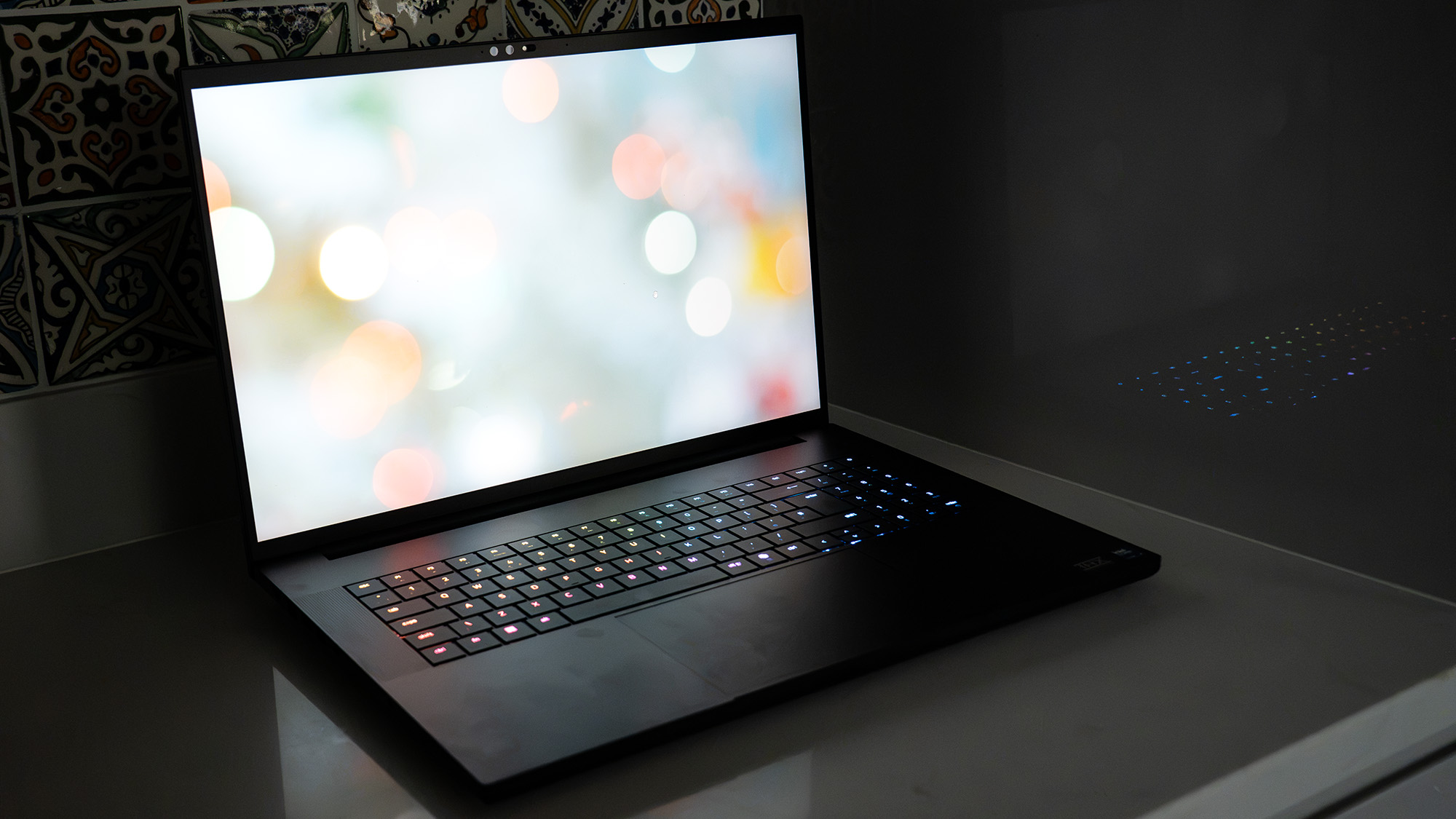
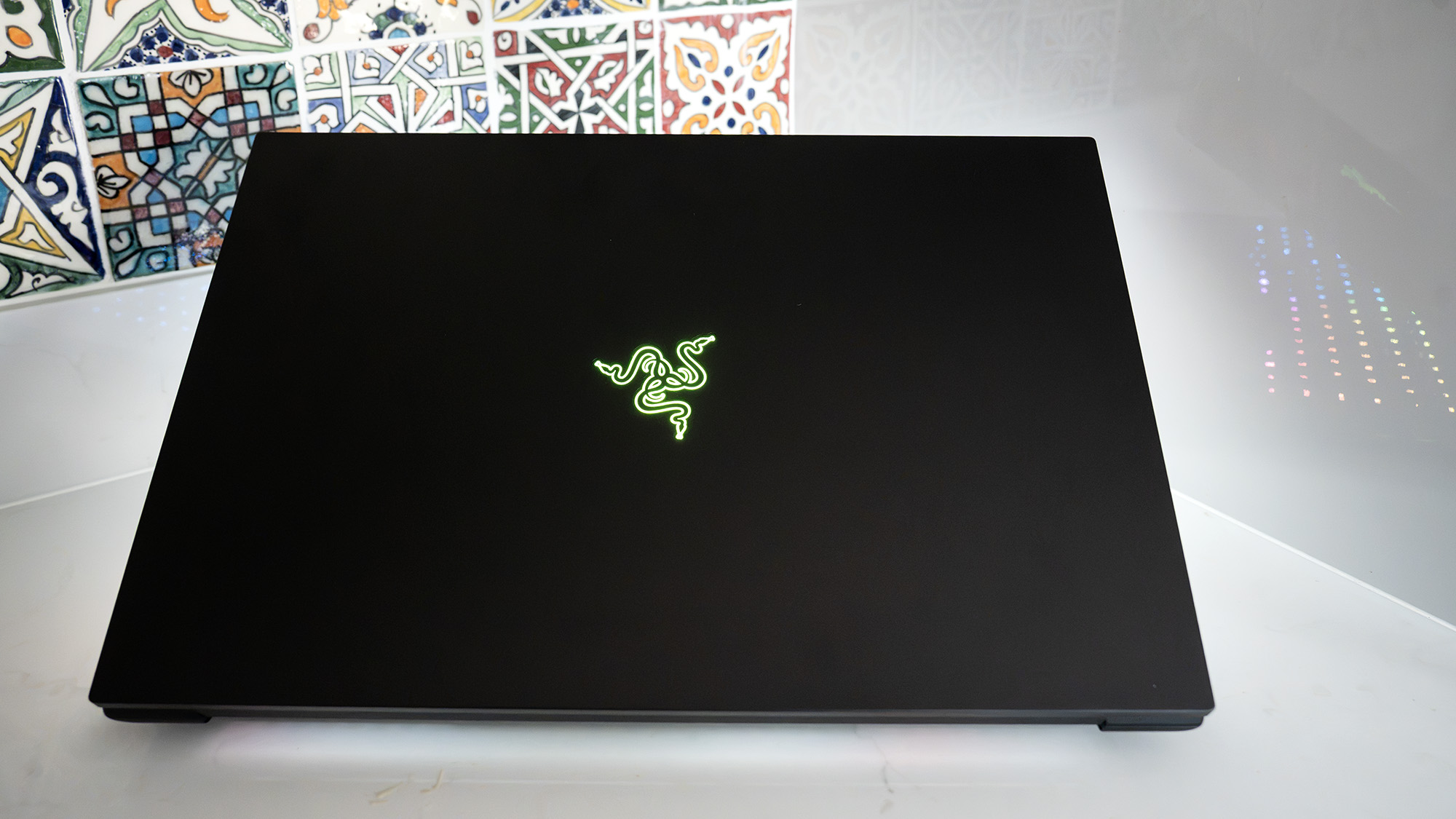
Razer’s signature design language remains a constant: a harmonious blend of matte black and subtle green accents. This classic pairing is evident in the illuminated USB ports and the iconic Razer logo on the lid. When powered down, the laptop presents a monolithic black surface, allowing the screen and keyboard to seamlessly integrate into the chassis. Upon powering up, the per-key RGB keyboard transforms the experience, offering a vibrant canvas for personalization, from subtle ambient glows to full-blown light shows, or even a simple, functional white.

Design Score: 4/5
Key Specifications: Powerhouse Components
The Razer Blade 18 (2026) is a symphony of cutting-edge components, meticulously orchestrated to deliver unparalleled performance. Its specifications read like a wishlist for any power user:
- CPU: Intel Core Ultra 9 290HX Plus
- NPU: Intel AI Boost
- Graphics: Nvidia GeForce RTX 5090
- Memory: 32GB
- Storage: 2TB SSD, SD card reader
- Screen Size: 18 inches
- Screen Type: Dual-Mode IPS
- Resolution: 3840 x 2400
- Refresh Rate: 240Hz (440Hz in 1920 x 1200 mode)
- Colour Gamut (Measured): 98% P3
- Brightness (Measured): 615 nits
- Ports: 1x Thunderbolt 5, 1x Thunderbolt 4, 3x USB 3.2 Gen 2 Type-A, 1x 2.5Gb Ethernet, 1x HDMI 2.1, 1x 3.5mm audio
- Wireless Connectivity: Wi-Fi 7, Bluetooth 5.4
- Dimensions: 28 x 275 x 400mm
- Weight: 3.2kg
This formidable array of hardware ensures that the Blade 18 is not just capable of handling current demanding tasks but is also future-proofed for the evolving needs of creative professionals.
Features: Connectivity and Immersion
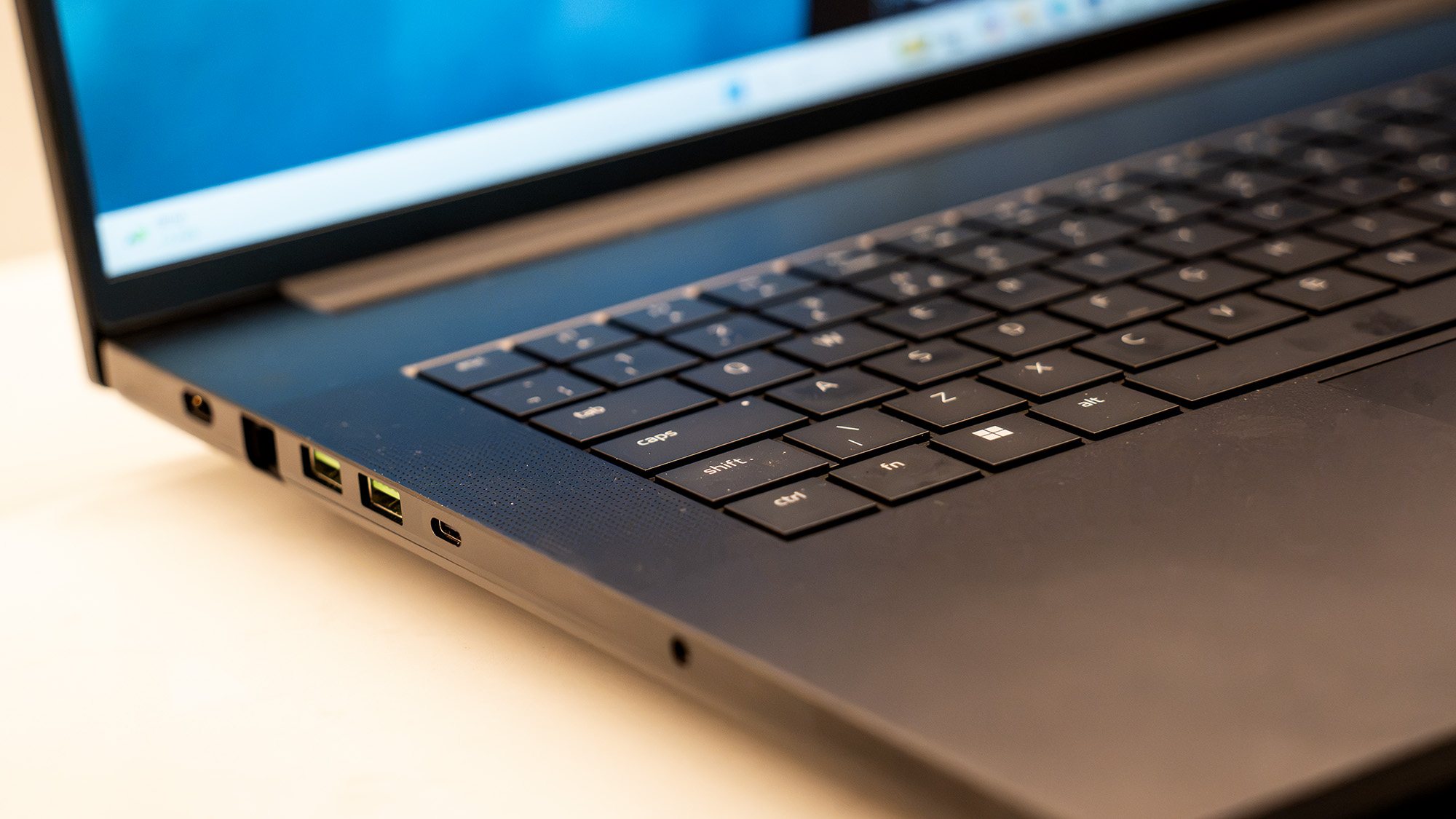
The inclusion of Thunderbolt 5, a feature rarely seen outside of Apple’s premium offerings, underscores Razer’s commitment to equipping the Blade 18 with the absolute best in connectivity. This high-bandwidth port is crucial for seamless integration with external high-resolution displays and high-speed storage solutions. It’s worth noting that the TB5 port is routed to the discrete Nvidia GPU, optimizing performance for graphics-intensive tasks, while the accompanying TB4 port connects to the CPU’s integrated graphics. While a minor detail for most, it’s a consideration for users prioritizing specific display configurations. The lack of explicit symbols to differentiate these ports can be a slight inconvenience, making the readily identifiable HDMI port a more frequent choice for external display connections.
Beyond Thunderbolt, the Blade 18 boasts a comprehensive suite of connectivity options. Five USB ports, including the aforementioned Thunderbolts, provide ample room for peripherals. Power is delivered via a substantial external brick, connecting to the laptop through a unique L-shaped port that requires careful orientation to avoid obstructing the adjacent Ethernet socket. The integration of Wi-Fi 7 and Bluetooth 5.4 ensures robust and high-speed wireless networking. The THX Spatial Audio branding is justified by a system of six speakers, which, while superior to most laptop audio solutions, will likely still be superseded by a quality headset for truly immersive sound.
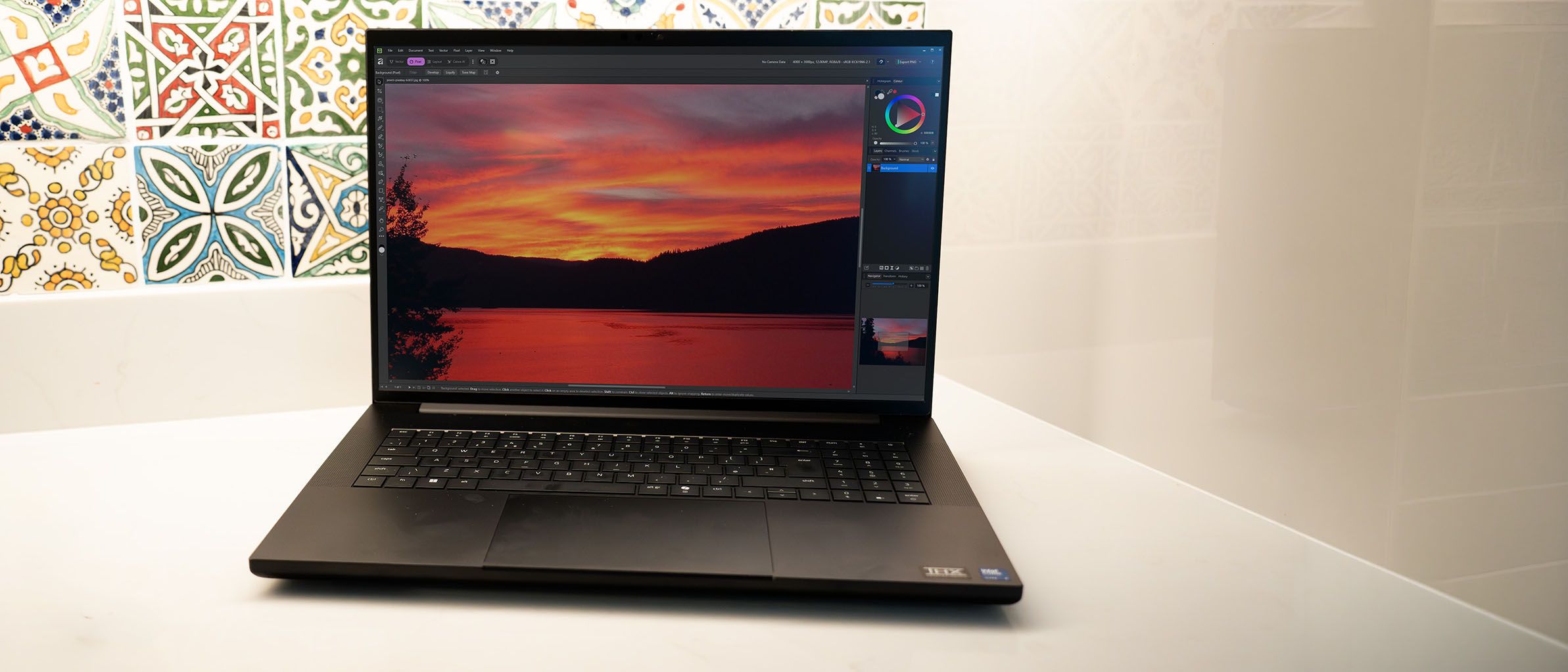
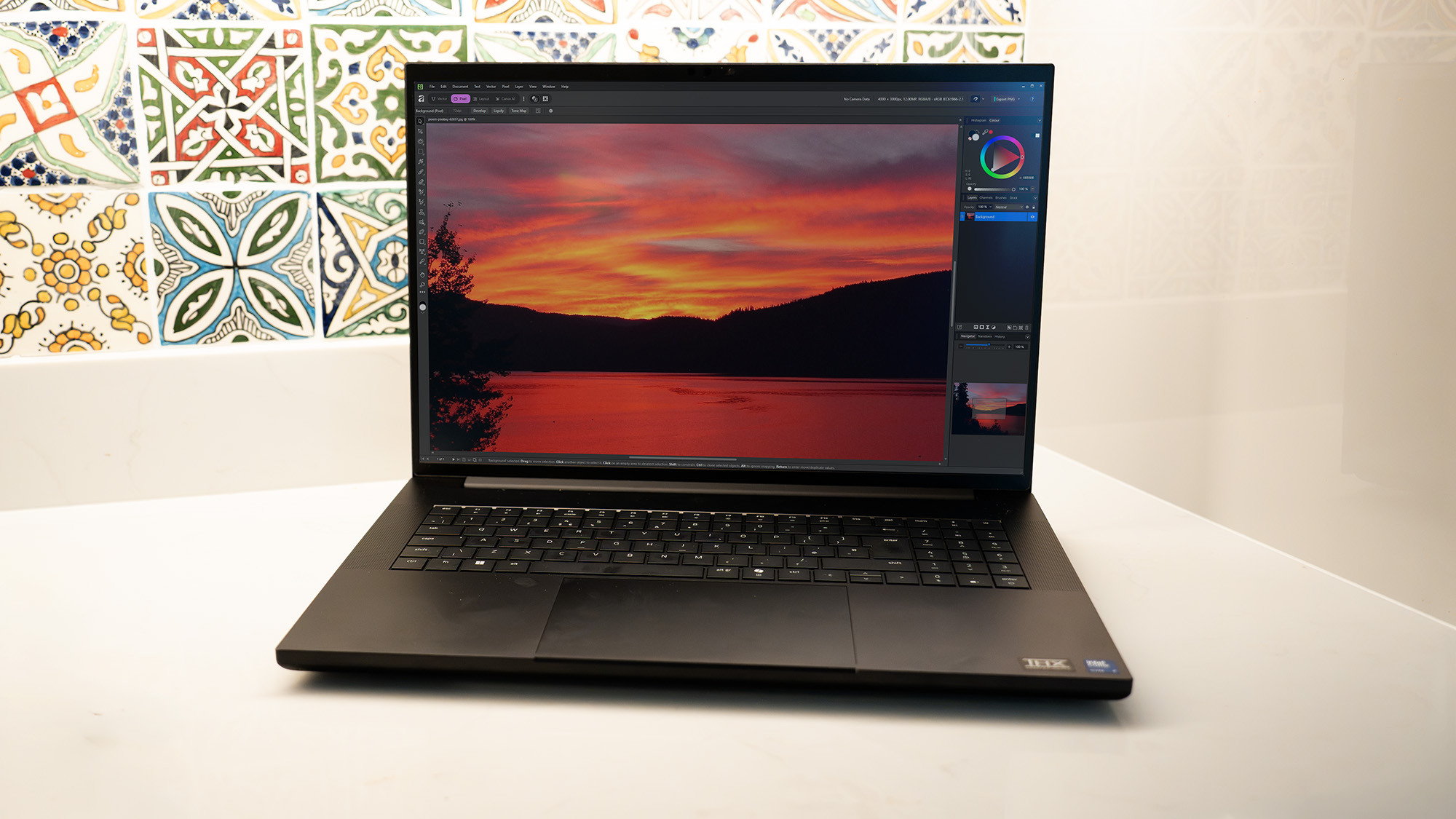
The 18-inch display is nothing short of spectacular. Its expansive size, combined with a 4K resolution, creates an incredibly immersive viewing experience. With a brightness exceeding 600 nits, it performs admirably even in brightly lit environments, requiring minimal adjustment of the screen’s brightness or the keyboard’s subtle dimming feature. Color accuracy is exceptional, boasting 98% DCI-P3 coverage, 89% Adobe RGB, and 100% sRGB. These metrics surpass those of comparable laptops, making it an ideal canvas for color-critical work. The dual-mode IPS panel offers a dual-resolution capability, allowing for a doubled refresh rate at 1920 x 1200, a feature that will appeal more to hardcore gamers than most creative professionals who will likely prioritize the 4K resolution.
Remarkably, the Razer Blade 18 delivers an impressive battery life of over eight hours during continuous video playback. This is an extraordinary feat for a laptop of this caliber, suggesting that under less demanding workloads, it efficiently utilizes its integrated graphics and efficient CPU cores, reserving the power-hungry RTX 5090 for when it’s truly needed. This longevity offers a welcome degree of flexibility, allowing for extended work sessions away from a power outlet, a testament to the advancements in Intel’s CPU efficiency.
Feature Score: 4/5
Performance: Blistering Speed for Demanding Workflows
The performance of the Razer Blade 18 (2026) is, in a word, exceptional. As of its release, it stands as one of the top-performing laptops for creative tasks, consistently ranking among the elite in benchmark tests. The Intel Core Ultra 9 290HX Plus, a new entrant from Intel’s Arrow Lake family, showcases significant enhancements over previous generations. These include optimized CPU/memory controller linkage for reduced system latency and support for Intel’s Binary Optimization Tool, which aims to fine-tune workloads for the processor. While these optimizations lean towards gaming, their impact on creative applications is profound.

In demanding applications like Cinebench, the Blade 18 renders complex scenes with remarkable speed. Its ability to produce slow-motion video in Topaz Video AI is equally impressive, showcasing the raw processing power at its disposal. The laptop also excels in office applications, outperforming nearly every other system tested. Its Photoshop performance, as measured by PugetBench, is among the highest ever recorded, a testament to the synergistic power of its CPU and GPU.
The Nvidia GeForce RTX 5090, with its substantial 24GB of dedicated VRAM, is the undisputed powerhouse driving these incredible scores. Razer has implemented a sophisticated cooling system to manage the thermal output of these high-performance components. This includes a vapor chamber over the CPU and advanced thermal interface gel to ensure optimal heat dissipation. The system relies on three fans to maintain performance, and while effective, they do generate a considerable amount of noise under load. While Razer offers an optional cooling pad that integrates seamlessly, the laptop is more than capable of managing its thermals independently, provided the user can tolerate the audible fan activity.
Performance Score: 5/5
Benchmark Scores: Quantifying the Power
To provide a comprehensive understanding of the Razer Blade 18’s capabilities, its performance was rigorously tested using a suite of industry-standard benchmarking software. These benchmarks are designed to assess the laptop’s suitability for a wide range of creative disciplines.
- Geekbench 6: This benchmark evaluates the CPU’s single-core and multi-core performance, as well as the GPU’s potential for gaming, image processing, and video editing. The Geekbench AI test specifically assesses the CPU and GPU’s performance on various AI-powered and AI-boosted tasks.
- Cinebench: Cinebench is used to measure the CPU and GPU’s ability to render complex scenes in Cinema 4D and Redshift, providing a clear indication of their rendering capabilities.
- UL Procyon: This suite utilizes UL Solutions’ Procyon software to test the system’s performance in AI image generation (Stable Diffusion), Microsoft Office applications, and battery life during a looped video playback test.
- Topaz Video AI: This benchmark assesses the system’s proficiency in upscaling video content and converting video to slow-motion, crucial for video editors and post-production professionals.
- PugetBench for Creators: This specialized benchmarking suite evaluates the system’s performance in key tasks within Adobe Photoshop and Adobe Premiere Pro, as well as its efficiency in video encoding and transcoding.
- ON1 Resize AI: This benchmark tests the system’s ability to perform batch image resizing tasks, providing a measure of its efficiency in photo editing workflows.
The results from these benchmarks consistently place the Razer Blade 18 at the pinnacle of portable computing performance, demonstrating its exceptional speed and capability across the spectrum of creative applications.
Price: A Premium Investment for Uncompromised Power
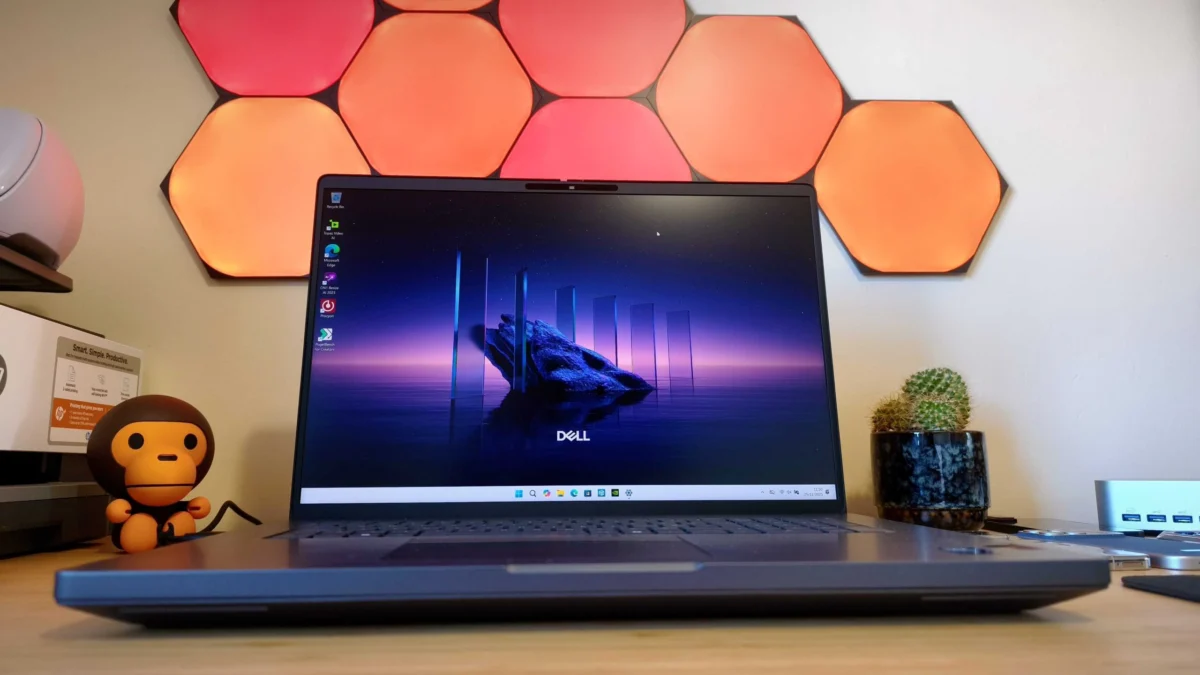
The Razer Blade 18 (2026) commands a premium price, with configurations starting at a significant investment. The reviewed model, boasting top-tier specifications, is priced at approximately £4,999.99 or $5,399.99. This places it in a category where it competes not only with other high-end gaming laptops but also with specialized professional workstations. While the price is undeniably high, the value proposition lies in the unparalleled speed and efficiency it offers. For professionals whose livelihoods depend on minimizing render times and maximizing productivity, this cost can be justified as a direct investment in their workflow. While other manufacturers, like Dell with their Pro Max 18 Plus, offer similarly specced machines that can even exceed this price point when configured with the absolute highest-end components, the Razer Blade 18 presents a compelling package for those seeking bleeding-edge performance in a meticulously crafted portable form factor.
Value Score: 3/5
Who is it For? The Power Users and Professionals
The Razer Blade 18 (2026) is not a laptop for the casual user. It is an instrument of creation and productivity designed for a specific, demanding audience.
- Money Makers: For professionals in fields like 3D animation, visual effects, high-end video editing, architectural visualization, and game development, this laptop represents a significant investment that can yield substantial returns. By dramatically reducing processing and rendering times, it allows for a faster turnaround on projects, enabling creatives to take on more work and deliver results more efficiently. The ability to perform complex tasks on the go also offers unparalleled flexibility for those who travel or work remotely.
- Demanding Gamers: While its creative prowess is undeniable, the Razer Blade 18 remains an exceptional gaming machine. The RTX 5090 and high refresh rate display ensure that the latest AAA titles can be enjoyed at their highest settings, providing an immersive and fluid gaming experience.
- Future-Proofing Enthusiasts: For those who want the absolute best and are looking to invest in hardware that will remain relevant for years to come, the Blade 18 offers a glimpse into the future of portable computing. Its cutting-edge components and robust build quality suggest longevity and sustained performance.
Don’t Buy it If…
Conversely, there are scenarios where the Razer Blade 18 might not be the optimal choice:
- Budget-Conscious Users: The significant price tag makes this laptop prohibitive for individuals or small businesses operating on a tight budget. More affordable, yet still capable, options exist for less demanding tasks.
- Portability is Paramount: While technically portable, its substantial weight and size make it less ideal for frequent travel or users who prioritize ultra-lightweight devices for everyday commuting.
- Basic Computing Needs: For users who primarily engage in web browsing, email, word processing, or light media consumption, the immense power of the Blade 18 would be vastly underutilized and an unnecessary expense.
The Verdict: A Portable Powerhouse for the Creative Elite
The 2026 Razer Blade 18 is an undeniable titan in the realm of portable computing. It masterfully blends the raw power typically associated with desktop workstations with the convenience of a laptop form factor. While its gaming heritage is evident, its true strength lies in its ability to obliterate demanding creative workflows with astonishing speed and efficiency. The Intel Core Ultra 9 290HX Plus and Nvidia GeForce RTX 5090 are a formidable pairing, capable of rendering complex 3D models, editing high-resolution video, and accelerating computationally intensive tasks with ease.
The premium price point is a significant consideration, positioning it as an investment rather than a casual purchase. However, for creative professionals who understand the value of time and demand uncompromised performance, the Razer Blade 18 justifies its cost through its sheer capability. Its robust build quality, exceptional display, and comprehensive feature set further solidify its status as a leading contender.
In conclusion, the Razer Blade 18 (2026) is not merely a gaming laptop; it is a portable powerhouse that redefines what’s possible for creative professionals on the move. Its speed is exceptional, its capabilities are vast, and for those who can afford it, it represents a significant leap forward in mobile creative computing. The price is high, but the speed is undeniably higher, making it a compelling, albeit exclusive, choice for those who demand the very best.
Also Consider: Alternatives in the High-Performance Arena
For those exploring the upper echelons of portable computing power, several other exceptional machines warrant consideration:
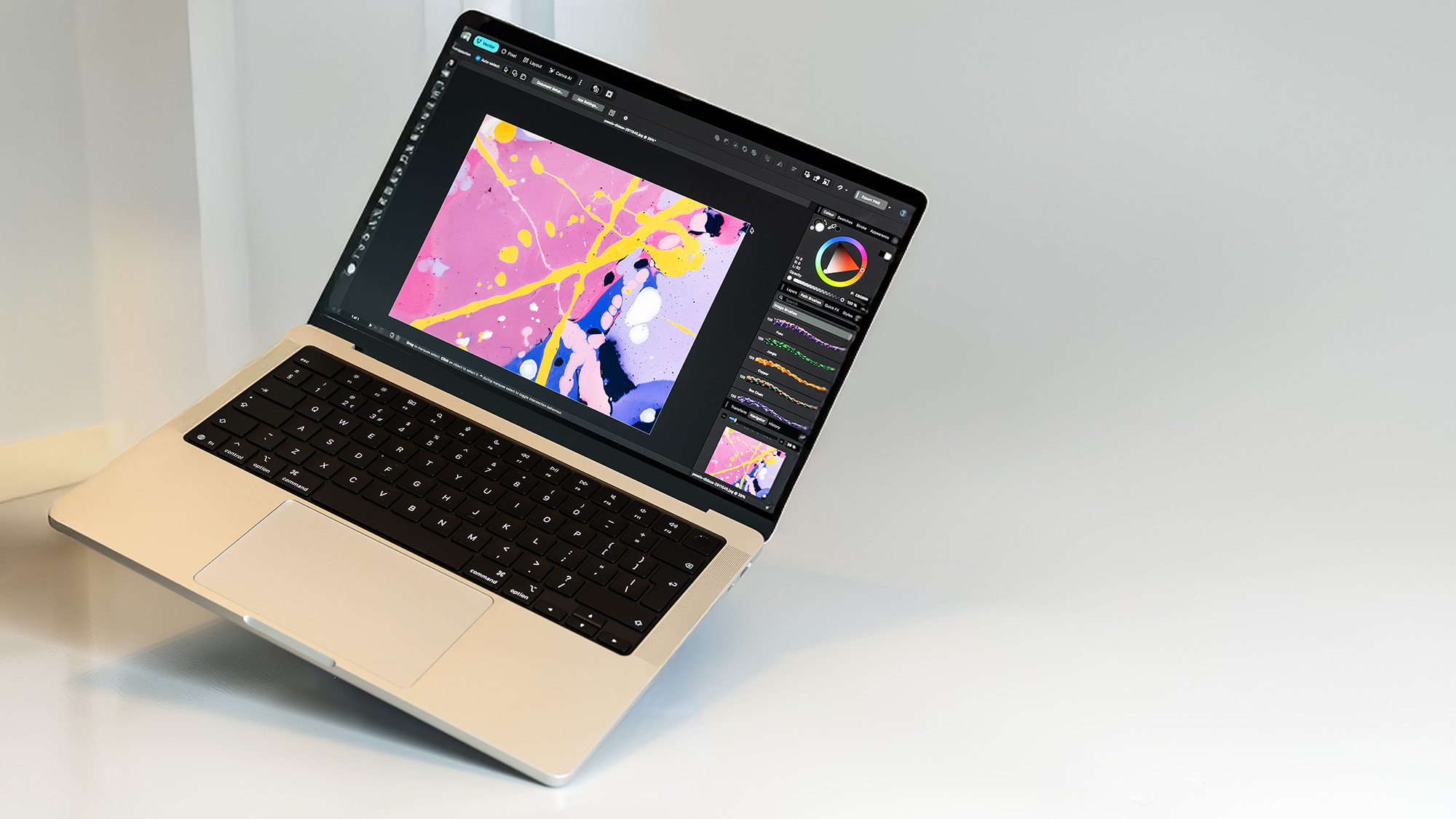
- Apple MacBook Pro 14-inch M5 Max: This device represents Apple’s pinnacle of portable performance, squeezing desktop-class power into a 14-inch chassis. With ample RAM and the M5 Max chip, it is a formidable contender for creative professionals, particularly those deeply integrated into the Apple ecosystem.
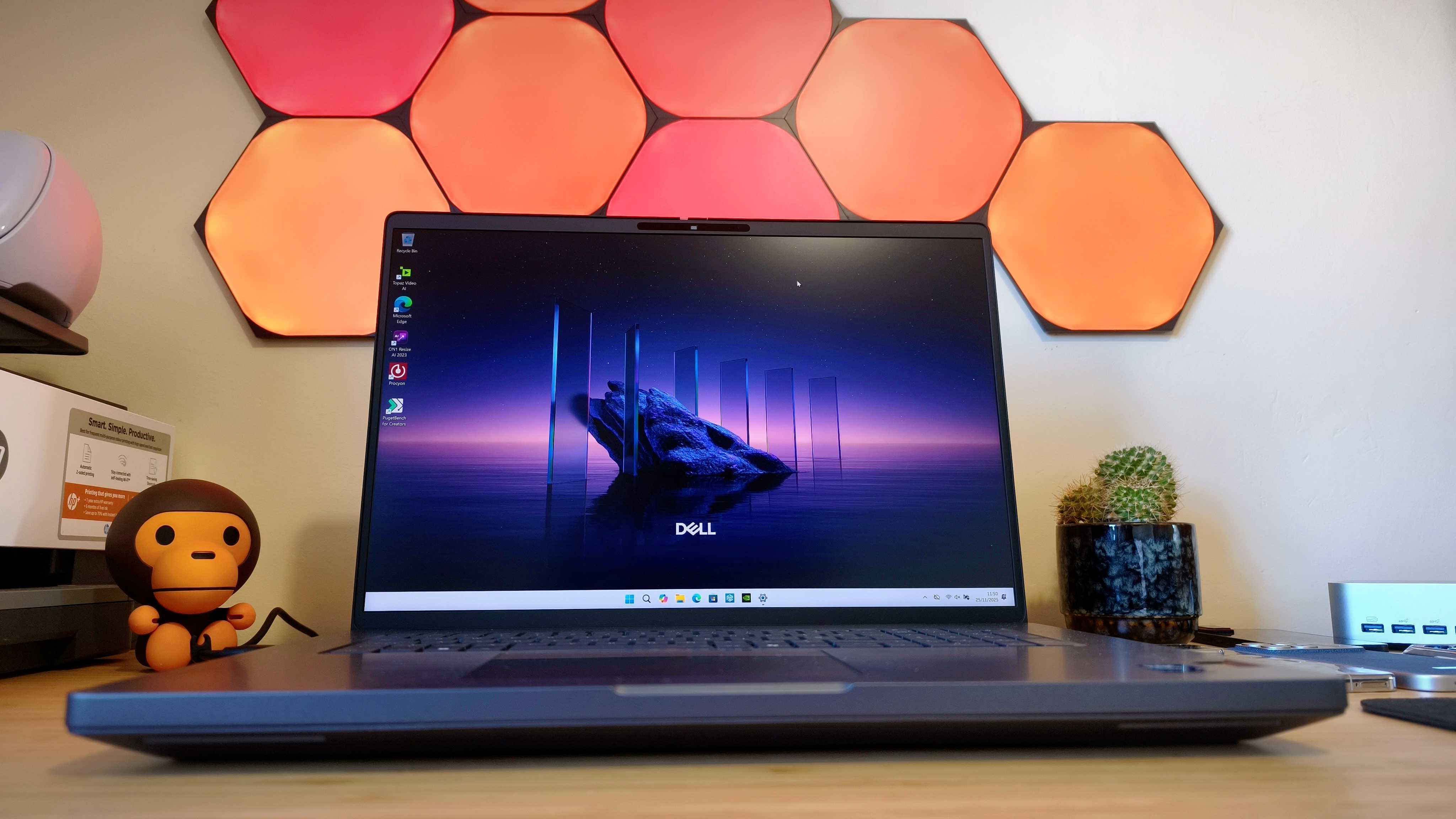
- Dell Pro Max 18 Plus: Aimed squarely at serious 3D professionals, this laptop offers extensive customization options, including up to 128GB of RAM and the most powerful Intel processors available. Its sheer power makes it suitable for the most demanding, large-scale projects, though at a considerable financial outlay.
- Alienware 16 Area-51 Gaming Laptop 2026: A visually striking and uncompromisingly powerful machine, the Alienware 16 Area-51 delivers blistering performance, a superb display, and an abundance of customizable RGB lighting. It excels in both gaming and demanding creative tasks, offering a robust and visually arresting experience.