Reassessing the Underrated Gem: Why Fargo Season 4 Deserves a Second Look
By Brian Van Hooker
Published: August 8, 2026, 8:30 AM EDT
Available for streaming on Hulu.
In the realm of anthology television, the beauty lies in the compartmentalization. A misstep in one season or episode rarely dictates the fate of the entire series. This freedom allows viewers to selectively engage, bypassing perceived duds like the often-maligned second season of True Detective or that peculiar Black Mirror installment featuring Miley Cyrus. However, sometimes, an entry that falls under critical scrutiny, an entry that is unfairly relegated to the bottom of fan rankings, deserves a reappraisal. Such is the case with season 4 of Noah Hawley’s critically acclaimed FX series, Fargo. While often labeled the "most hated" or "most disappointing" season, a closer examination reveals a compelling and nuanced crime drama that, while diverging from established norms, offers a rich tapestry of performances and thematic depth, deeply rooted in the Coen brothers’ cinematic legacy.
The Critic’s Quandary: Why Season 4 Fell Short for Some
Upon its initial release, Fargo season 4 faced a significant hurdle: comparison. Audiences and critics, conditioned by the unique blend of quirky characters, dark humor, and the signature Coen brothers aesthetic that defined earlier seasons, found season 4 to be a departure. Many felt a deficit in the eccentric, larger-than-life characters that had become a hallmark of the series. The pacing, too, was perceived as more deliberate, a stark contrast to the often breakneck speed of criminal enterprises in previous iterations. Furthermore, the shift in setting from the snow-dusted landscapes of Minnesota to the urban sprawl of Kansas City, Missouri, coupled with a temporal leap to the early 1950s, fundamentally altered the show’s familiar visual and atmospheric palette. This change in "flavor," while intentional, alienated some viewers who found the familiar Coen-esque "Fargo" flavor diluted.
A Temporal and Geographical Shift: The 1950s Kansas City Canvas
The Fargo anthology series, inspired by the Coen brothers’ 1996 neo-noir masterpiece, has consistently captured the essence of the American Midwest through its distinct brand of crime storytelling. Each season, a self-contained narrative, introduces a fresh ensemble of flawed heroes and menacing villains set against the backdrop of stark, often snowy, Midwestern landscapes. The original film, and indeed the early seasons of the show, are deeply ingrained with the specific cultural and geographical markers of the region, including the distinctive Minnesota accent.
Season 4, however, consciously broke this mold. The decision to transport the narrative to 1950s Kansas City marked a significant temporal and geographical divergence. While season 2 had ventured into the past with its 1979 setting, the jump to the mid-20th century in season 4 represented a more substantial historical and stylistic departure. This move from the relatively rural, wintery expanse of Minnesota to the bustling, fall-tinged urban environment of Kansas City fundamentally reshaped the series’ visual identity. The iconic Minnesota accent, a subtle yet pervasive element in previous seasons, was largely absent, with only a few exceptions, most notably the character of Oraetta Mayflower. This deliberate shift aimed to explore a different facet of American criminal history and societal dynamics, one less steeped in the frosty isolation of the north and more immersed in the complex racial and economic tensions of a post-war urban center.
The Fadda-Cannon Feud: A Tale of Two Families and a Fragile Peace
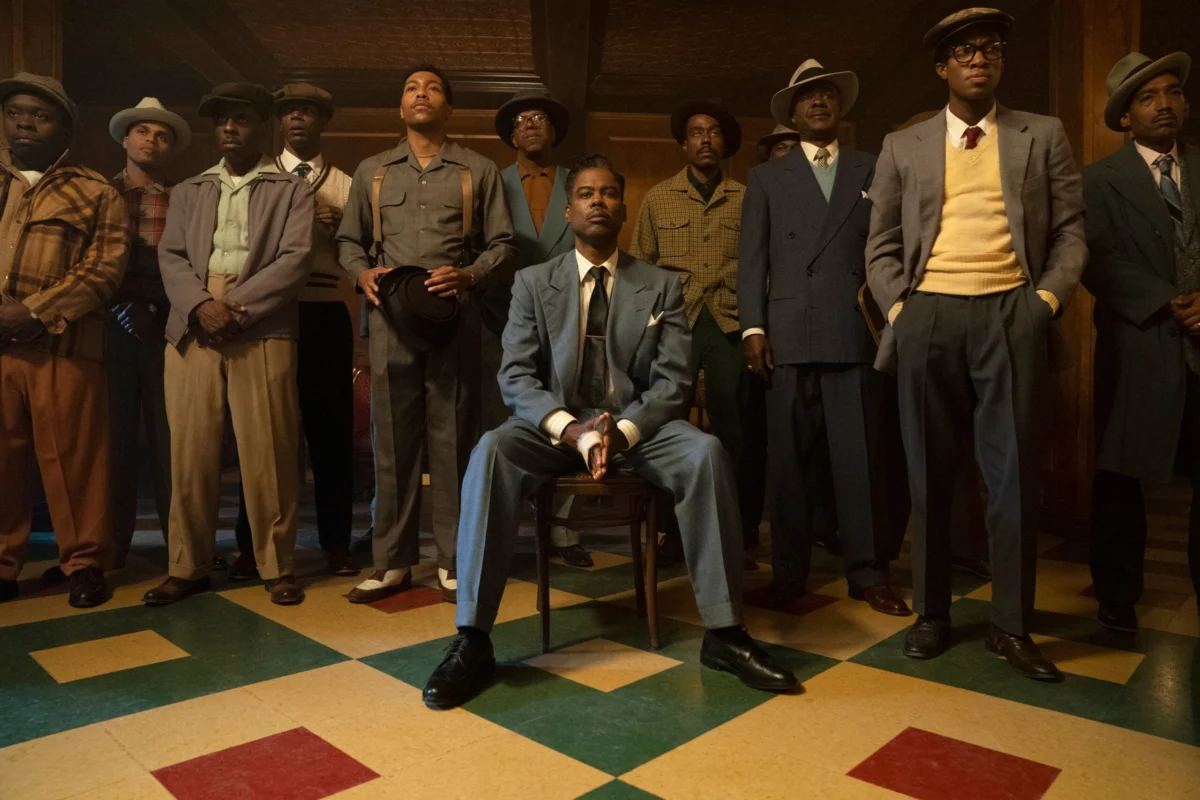
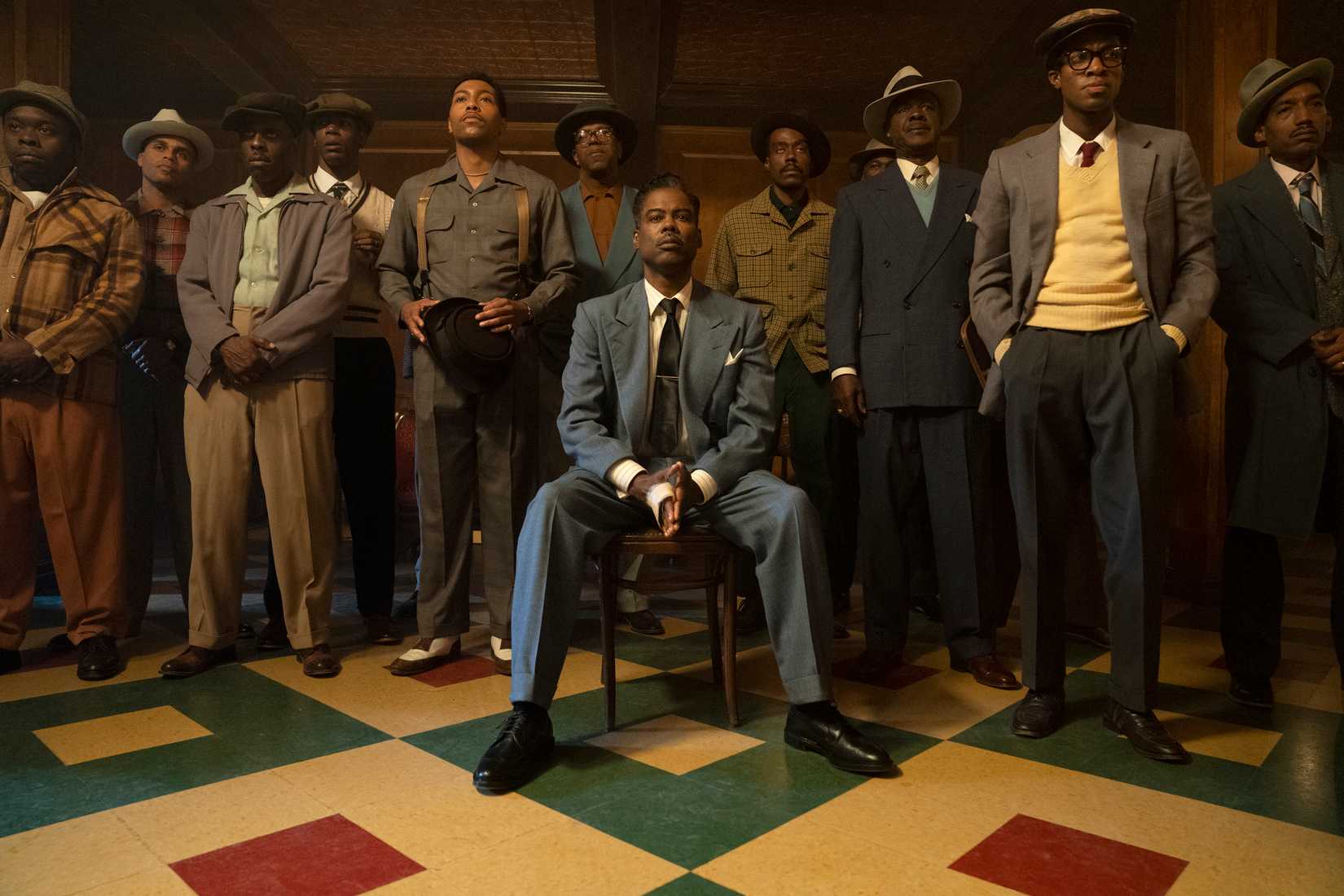
At the heart of Fargo season 4 lies a gripping narrative of two powerful crime syndicates vying for dominance in Kansas City: the Italian Fadda family and the burgeoning Black crime family led by Loy Cannon. The season opens with an established, albeit precarious, peace treaty between these factions, cemented by a ritualistic exchange of children. The Faddas are raising Cannon’s son, while the Cannons are nurturing Fadda’s heir. This intergenerational hostage system, a grim tradition within the city’s criminal underworld, is intended to prevent bloodshed and maintain a semblance of order.
Loy Cannon, portrayed with understated gravitas by Chris Rock, is a sharp, strategic leader, constrained by the pervasive racial prejudice of his era. His ambition to legitimize his operations and ascend within the established criminal hierarchy is met with systemic barriers and the entrenched power of his rivals. On the Italian side, the aging patriarch, Donatello Fadda, a figure of quiet authority, presides over his empire. His reign, however, is destined for disruption.
The fragile peace is shattered with Donatello’s untimely demise. His succession is inherited by his son, Josto Fadda, played by Jason Schwartzman. Josto, however, is a stark contrast to his father. Insecure and impulsive, his poor decision-making triggers a brutal and bloody war between the two families. This escalating conflict leads to widespread death and unexpected alliances, as the meticulously crafted balance of power collapses.
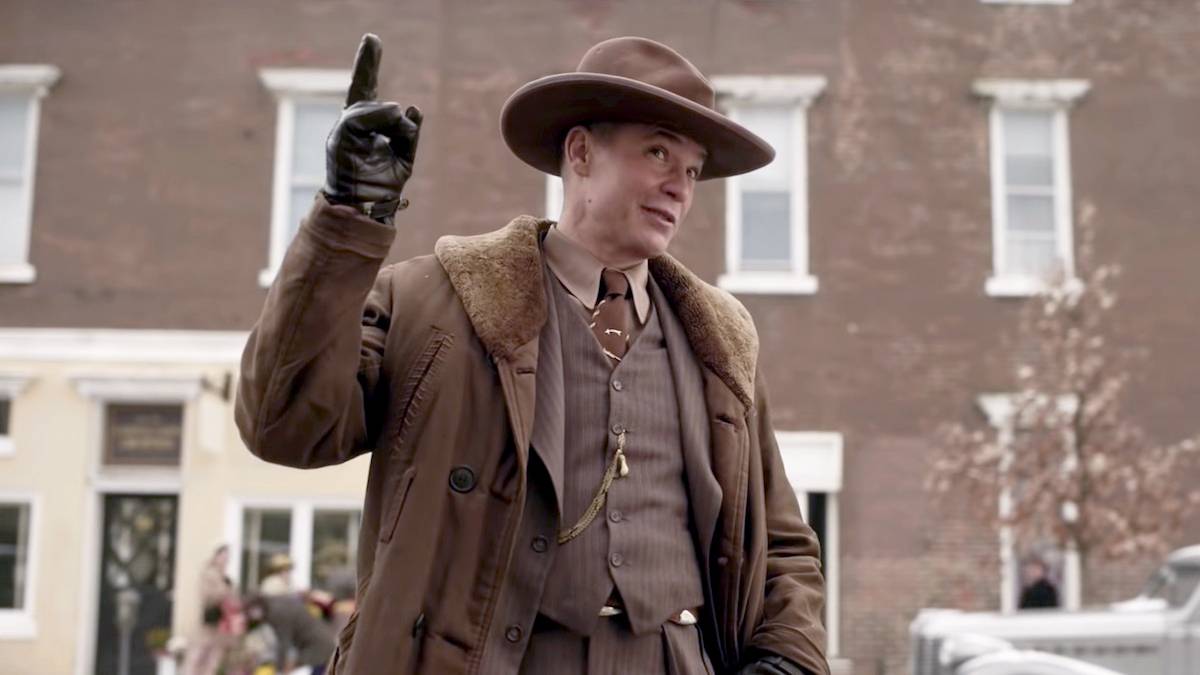
Amidst this escalating chaos, the character of Oraetta Mayflower, portrayed with chilling effectiveness by Jessie Buckley, emerges as a significant player. Her unsettling demeanor and the lingering Minnesota accent she carries make her the season’s closest approximation to a classic Coen brothers eccentric, a character who defies easy categorization and injects an element of unpredictable danger. On the law enforcement side, Timothy Olyphant delivers a charming performance as U.S. Marshal Dick "Deafy" Wickware, a character whose motivations and methods often blur the lines between justice and personal agenda.
Performances That Shine: Chris Rock, Jason Schwartzman, and Jessie Buckley
While Fargo season 4 may have been met with mixed reactions, the caliber of its performances remains undeniable. Chris Rock, stepping into a dramatic role far removed from his stand-up persona, delivers a career-defining performance as Loy Cannon. Rock imbues Cannon with a quiet dignity, a simmering intelligence, and a palpable weariness born from navigating a system designed to keep him down. His portrayal is nuanced, showcasing a man wrestling with the moral compromises of his profession while striving for a better future for his family.
Jason Schwartzman, as the insecure and volatile Josto Fadda, masterfully embodies the "failson" archetype. His performance is a delicate balance of petulance, misguided ambition, and underlying fear, making Josto a compellingly flawed antagonist whose poor choices drive much of the season’s conflict.
Jessie Buckley, as the seemingly innocuous but deeply unsettling Oraetta Mayflower, is a revelation. She injects a disquieting intensity into every scene, her polite facade barely concealing a profound capacity for cruelty. Buckley’s performance is a masterclass in controlled menace, ensuring her character is both captivating and terrifying.

Beyond these standout performances, the supporting cast, including figures like Ebon Moss-Bachrach as the volatile but loyal Josto loyalist, and Glynn Turman as the wise and respected Doctor Senator, contribute significantly to the rich tapestry of the season. Their performances ground the narrative and add layers of authenticity to the complex world of organized crime.
Echoes of the Coen Brothers: Cinematic Influences and Thematic Resonance
The enduring appeal of Fargo lies in its deep-seated connection to the Coen brothers’ cinematic universe. Season 4, while charting its own course, is no exception, drawing subtle yet significant inspiration from their earlier works. The season’s methodical pacing and straightforward crime drama narrative bear a striking resemblance to the Coen brothers’ 1990 film, Miller’s Crossing. Like Miller’s Crossing, season 4 eschews overt, cartoonish humor in favor of a more grounded, albeit still stylish, exploration of loyalty, betrayal, and the intricate machinations of organized crime. This stylistic kinship suggests a conscious effort by showrunner Noah Hawley to tap into a different vein of Coen-esque storytelling, one that prioritizes narrative coherence and character-driven drama over broad comedic strokes.
Furthermore, the season thoughtfully weaves in nods to other Coen brothers films, enriching the viewing experience for dedicated fans. The character of Emmit Stussy in season 3, the "Parking Lot King of Minnesota," bore a clear resemblance to Nathan Arizona from Raising Arizona. Similarly, Billy Bob Thornton’s implacable assassin in the first season evoked the chilling presence of Anton Chigurh from No Country for Old Men. These intertextual references serve not as mere Easter eggs, but as a testament to the enduring influence of the Coen brothers on contemporary crime narratives and Hawley’s deep appreciation for their craft.
Season 4 also delves into thematic territory that, while perhaps less overtly comedic, offers a profound commentary on societal issues. The season’s exploration of prejudice, particularly the systemic racism faced by Loy Cannon and his organization, adds a critical layer of social commentary. This focus on racial dynamics and economic inequality provides a fresh perspective within the Fargo universe, which has historically been populated by predominantly white characters. The series tackles these sensitive themes with a thoughtful and nuanced approach, demonstrating its capacity to engage with complex societal issues while maintaining its crime drama roots.
The Slow Burn: Appreciating the Methodical Narrative
The "slow burn" nature of Fargo season 4 is precisely what makes it so compelling as a crime drama. The narrative unfolds with a deliberate pace, allowing the intricate web of alliances, betrayals, and power struggles to develop organically. This approach requires patience from the viewer, a willingness to invest in the characters and their complex motivations. Unlike more action-oriented crime shows, season 4 prioritizes the psychological and strategic aspects of criminal enterprise.
The season’s deliberate pacing also allows for a deeper exploration of its themes. The focus on prejudice, the struggle for legitimacy, and the cyclical nature of violence are all given ample room to breathe, fostering a more profound understanding of the characters’ predicaments. While some viewers may have found this methodical approach to be a departure from the more immediate thrills of earlier seasons, it is precisely this deliberate unfolding that elevates season 4 into a mature and thought-provoking crime saga.
A Different Kind of "Fargo": The Case for Reassessment
It is perhaps understandable why Fargo season 4 was met with initial resistance. Its deviations from the established formula – the shift in tone, setting, and character archetypes – were significant. For viewers seeking a direct continuation of the familiar Fargo experience, season 4 might have felt jarring, even disappointing. It’s akin to expecting The Big Lebowski and instead receiving Miller’s Crossing. The expectation of a certain comedic sensibility and a particular brand of quirky dialogue was unmet, leading to a sense of disconnect.
However, to dismiss season 4 based solely on these differences is to overlook its considerable merits. When viewed on its own terms, as an independent crime drama, it stands as a testament to Noah Hawley’s vision and his ability to evolve the Fargo universe. It is a smart, methodical, and deeply thoughtful exploration of power, race, and ambition within the context of mid-century America. The performances are exceptional, the narrative is intricate, and the thematic underpinnings are resonant.
Conclusion: A Weekend Binge Worth Taking
In conclusion, Fargo season 4, despite its initial critical reception, is a worthy addition to an already stellar anthology series. It represents a bold artistic choice to explore new thematic and stylistic avenues, proving that the Fargo universe can encompass more than just snow-covered landscapes and quirky Midwestern oddities. It is a testament to the show’s enduring quality that even its most divisive season offers a compelling narrative, stellar performances, and a unique perspective on the American crime saga.
For those who may have dismissed it upon its release, or for new viewers seeking a deep dive into the world of Fargo, season 4 offers a rewarding experience. It’s a crime drama that demands attention, rewards patience, and ultimately leaves a lasting impression. So, if you’re looking for a weekend binge that offers more than just laughs, but a nuanced and expertly crafted crime story, give Fargo season 4 another chance. You might just discover your new favorite season.
All seasons of Fargo the series are available for streaming on Hulu.