
Rome and Carthage Re-Engage: Phalanx Launches Gamefound Campaign for Acclaimed Wargames Hannibal & Hamilcar with Exclusive Metal Miniatures
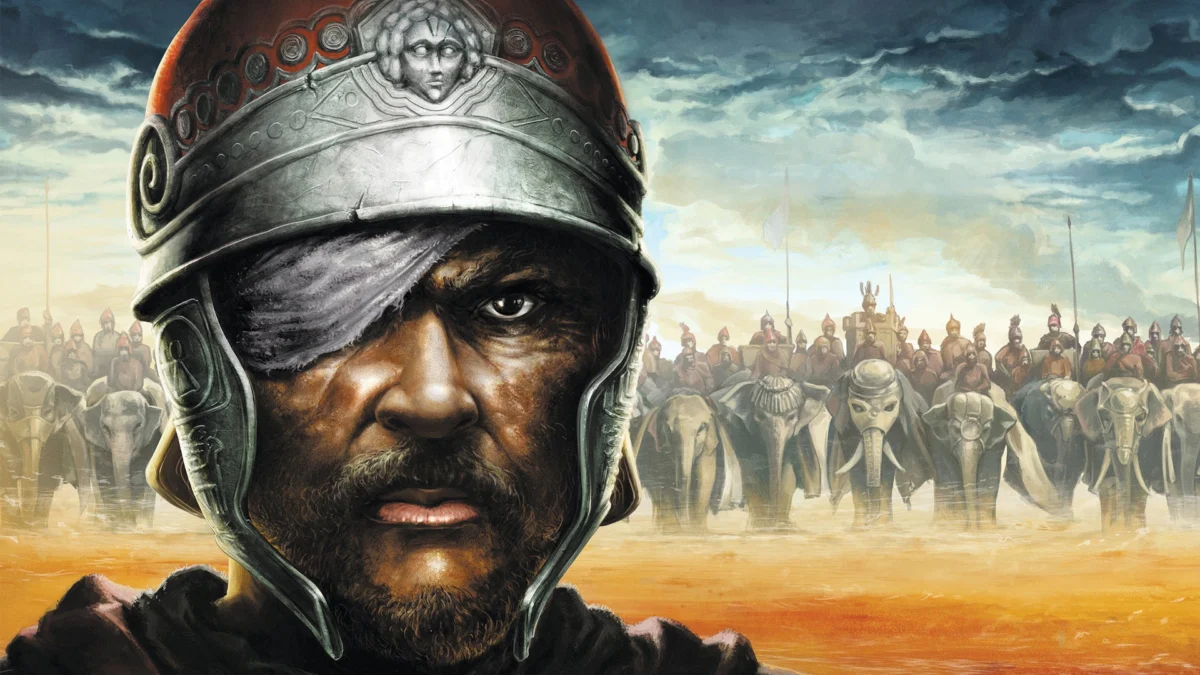
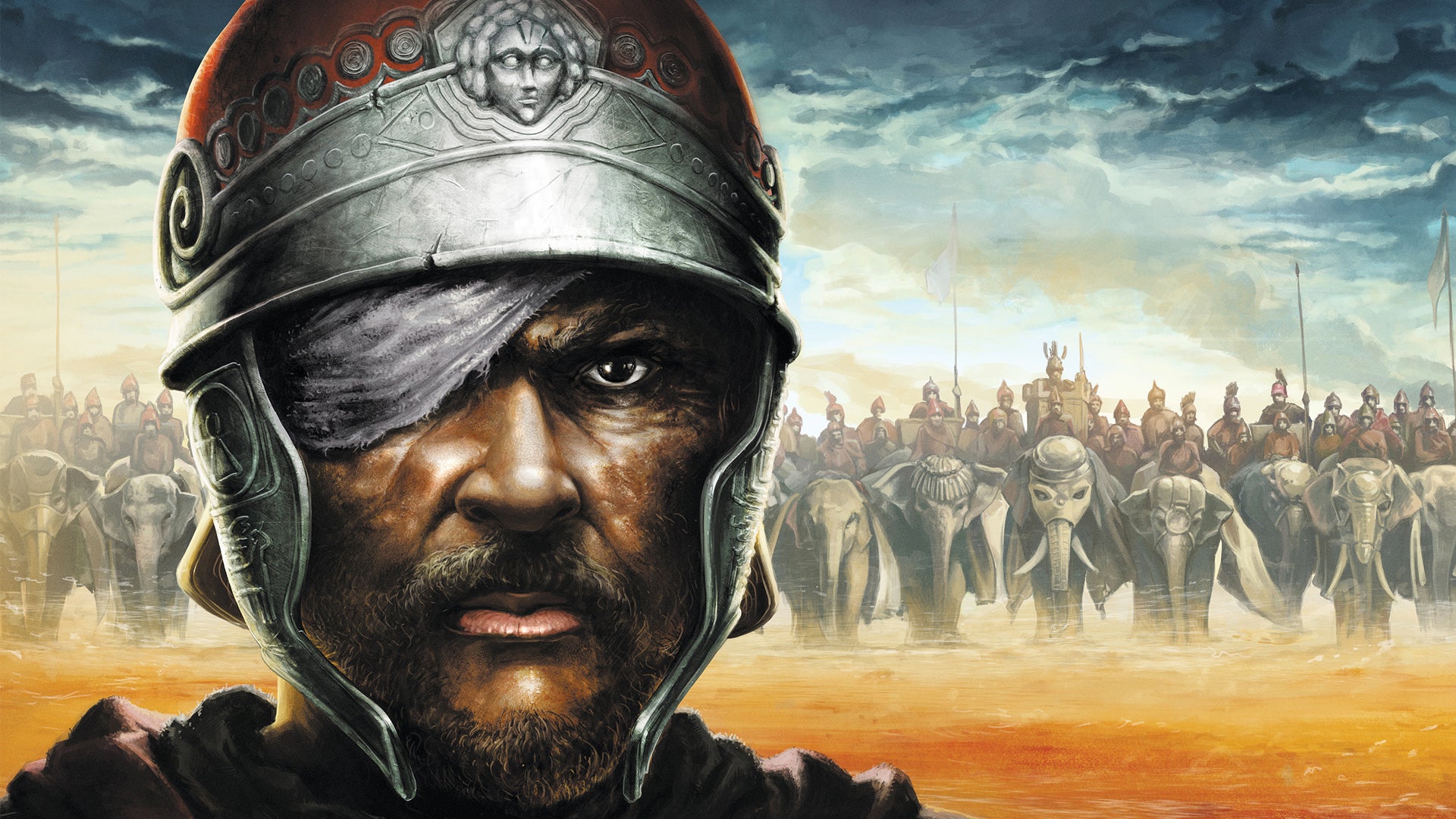
London, UK – Phalanx, a renowned publisher in the board gaming industry, has announced a new Gamefound campaign offering a rare opportunity for strategy enthusiasts and history buffs to acquire updated editions of two celebrated card-driven wargames: Hannibal: Rome vs. Carthage (Classic Edition) and Hamilcar: Silver Edition. This latest crowdfunding initiative not only brings these out-of-print classics back into circulation but also introduces a highly anticipated, exclusive set of metal miniatures, providing a premium aesthetic upgrade for dedicated players and collectors. The campaign, which commenced recently, is set to conclude on May 24th, with anticipated delivery slated for August of next year.
This revival of Mark Simonitch’s iconic Hannibal: Rome vs. Carthage and Raymond de Maria’s Hamilcar: First Punic War (based on Simonitch and John Rodriguez’s companion game) represents a significant event for the wargaming community. Both titles plunge players into the tumultuous Punic Wars, recreating the epic clashes between the burgeoning Roman Republic and the formidable Carthaginian Empire. The campaign offers these distinct yet thematically linked games either individually or as a bundle, alongside the unique opportunity to acquire the limited-edition metal miniatures, which Phalanx has confirmed will only be available through this Gamefound funding drive.
The Echo of Ancient Conflicts: A Historical Foundation
The Punic Wars, a series of three major conflicts spanning over a century (264 to 146 BCE), represent one of the most pivotal periods in ancient history, fundamentally shaping the geopolitical landscape of the Mediterranean. These titanic struggles pitted the nascent Roman Republic, a land-based power with a burgeoning army, against the established maritime empire of Carthage, renowned for its formidable navy and mercantile prowess. The stakes were nothing less than control of the Mediterranean basin, and the outcome would determine the dominant power for centuries to come.
The First Punic War (264–241 BCE), primarily a naval conflict, saw Rome, initially a land power, rapidly develop a navy to challenge Carthage’s dominion over the seas. It was a brutal war of attrition, marked by innovative Roman tactics and significant naval battles, ultimately leading to Roman victory and the acquisition of Sicily.
The Second Punic War (218–201 BCE) is arguably the most famous, largely due to the legendary Carthaginian general Hannibal Barca. His audacious crossing of the Alps with elephants, his series of crushing victories against Roman legions at Trebia, Lake Trasimene, and Cannae, and his prolonged campaign in Italy brought Rome to the brink of collapse. However, Roman resilience, strategic acumen from figures like Scipio Africanus, and the ultimate invasion of North Africa shifted the tide, culminating in Hannibal’s defeat at the Battle of Zama. This war solidified Rome’s position as the preeminent power in the Western Mediterranean.
The Third Punic War (149–146 BCE) was shorter and more brutal, essentially a Roman punitive expedition against a weakened Carthage, driven by the famous exhortation "Carthago delenda est" ("Carthage must be destroyed") by Cato the Elder. It ended with the complete destruction of Carthage, marking the end of a powerful rival and ushering in an era of undisputed Roman hegemony.
These epic sagas of military genius, political intrigue, and national survival provide a rich tapestry for strategic board games, and Hannibal and Hamilcar meticulously capture the essence of these historical confrontations.
The Genesis of a Wargaming Classic: Hannibal’s Legacy
Hannibal: Rome vs. Carthage, originally designed by Mark Simonitch and first published in 1996, quickly ascended to legendary status within the wargaming community. Simonitch, a celebrated designer known for his accessible yet deep historical simulations, crafted a game that elegantly married complex strategic decision-making with streamlined, card-driven mechanics. The game’s brilliance lies in its ability to simulate the grand strategic scope of the Second Punic War without overwhelming players with excessive rules overhead.
At its core, Hannibal places two players in the roles of either Rome or Carthage, tasking them with commanding armies, securing provinces, and navigating the intricate political landscape of the ancient world. The game board represents a detailed map of the Mediterranean theater, from Hispania to Italy and North Africa, dotted with key cities and provinces. Players deploy their generals, most notably Hannibal Barca for Carthage and a rotating cast of Roman consuls, to control these territories and engage in decisive battles.
The game’s innovative card-driven system is its beating heart. Each player receives an asymmetrical deck of strategy cards, representing historical events, political maneuvers, or military commands. These cards serve a dual purpose: they can be played for their specific event text, triggering a unique historical occurrence or providing a strategic advantage, or they can be used for their "command points" to move generals, raise new armies, or influence political control in provinces. This creates a constant tension and difficult choices, as players must weigh the immediate benefit of a card’s event against its value as a resource for broader strategic moves. This design choice brilliantly simulates the "fog of war" and the unpredictable nature of ancient warfare, where opportunities and challenges arise dynamically.
The combat system in Hannibal is equally acclaimed. When armies clash, players commit battle cards, which represent their tactical prowess and the strength of their forces. The interplay of general ratings, unit types, and card play determines the outcome, often leading to dramatic and historically resonant engagements. The game garnered widespread critical acclaim upon its release, earning numerous awards, including BoardGameGeek’s Best Wargame and Best 2-Player Board Game in 2008 for its first combined re-release, solidifying its position as a cornerstone of modern wargaming.
Expanding the Theatre: Hamilcar and the Naval Front
Building on the success and mechanics of Hannibal, Raymond de Maria, working from a design by Simonitch and John Rodriguez, developed Hamilcar: First Punic War. Released later, Hamilcar expanded the Hannibal system to focus on the naval aspects and earlier conflicts of the First Punic War. While sharing many core concepts, Hamilcar introduced distinct rules and challenges tailored to its historical period, emphasizing naval dominance and the logistical intricacies of controlling islands and sea lanes.
Hamilcar: Silver Edition, the version offered in this campaign, refines the original design, much like Hannibal: Classic Edition streamlines its predecessor. Players in Hamilcar contend with the strategic importance of naval battles, the establishment of supply lines across the sea, and the control of key islands like Sicily and Sardinia. The game uses some components similar to Hannibal, fostering a sense of thematic continuity, but its focus on sea power and amphibious operations provides a fresh strategic puzzle. It allows players to explore a different facet of the Punic Wars, highlighting Rome’s rapid naval development and Carthage’s struggle to maintain its maritime supremacy.
A Return to the Fray: The 2018 Re-release
The combined re-release of Hannibal & Hamilcar in 2018, also published by Phalanx, was a landmark event that brought these beloved titles to a new generation of players and allowed veterans to acquire updated components. This collected edition was highly praised, earning BoardGameGeek’s Best Wargame award that year, a testament to the enduring quality and relevance of these designs. The 2018 edition was known for its comprehensive package, bundling both games into a single product.
This current Gamefound campaign, however, takes a slightly different approach. Unlike the bundled re-release, Phalanx is offering the newest editions of Hannibal: Rome vs. Carthage (Classic Edition) and Hamilcar: First Punic War (Silver Edition) as separate boxes. This strategic decision likely caters to players who may have a preference for one conflict over the other or wish to acquire them individually, offering greater flexibility in their pledge options.
Mastering the Battlefield: Unpacking the Card-Driven System
The true genius of both Hannibal and Hamilcar lies in their elegant and immersive card-driven game systems. This mechanism, pioneered in wargaming, elevates the experience beyond mere dice rolls and unit movement, injecting layers of strategic depth, historical flavor, and tactical unpredictability.
Each game features an asymmetrical deck of Strategy Cards for Rome and Carthage, reflecting their unique strengths, weaknesses, and historical events. These cards are not simply random draws; they are carefully crafted to present players with agonizing choices. A card might depict a crucial historical event, such as "Hannibal’s March on Rome" or "Roman Naval Victory," which, if played for its event text, can dramatically alter the game state. However, that same card also possesses a numerical value, representing "Command Points," which can be used to perform standard actions like moving generals, recruiting new legions, or attempting to sway provinces to one’s political control.
This inherent tension — using a powerful event card for its immediate impact versus saving it for its command point value to execute broader strategic maneuvers — is a hallmark of these games. Players must constantly weigh short-term gains against long-term objectives, managing their hand of cards as a precious resource. The limited hand size further amplifies this, forcing players to prioritize and adapt to the evolving battlefield.
Political control is another vital aspect. Beyond military conquests, players strive to gain influence over neutral or enemy provinces. This is often achieved by playing specific cards or dedicating command points, reflecting the diplomatic and persuasive efforts that were as crucial as military might in ancient times. Controlling more provinces not only provides strategic advantages but is also a key path to overall victory.
When armies inevitably collide, a separate set of Battle Cards comes into play. These cards, combined with the strength of the generals and the composition of the armies, determine the outcome of engagements. Players commit a certain number of battle cards, attempting to outmaneuver their opponent, inflict casualties, or force a retreat. This mini-game within the larger strategic framework ensures that combat is not a mere statistical calculation but a dynamic, player-driven confrontation, echoing the tactical decisions made by ancient commanders. The combination of strategy cards for grand-scale operations and battle cards for tactical engagements creates a holistic simulation that feels both authentic and deeply engaging.
Critical Acclaim and Enduring Legacy
The sustained praise for Hannibal: Rome vs. Carthage and Hamilcar: First Punic War is a testament to their exceptional design and enduring appeal. The games have consistently ranked highly among wargamers and strategy enthusiasts alike, frequently appearing on "best of" lists and earning prestigious industry awards.
Hannibal: Rome vs. Carthage received the Charles S. Roberts Award for Best Pre-20th Century Boardgame in 1996, a significant honor in the wargaming community. More recently, its 2008 re-release (as part of a combined package with Hamilcar) garnered multiple Golden Geek Awards from BoardGameGeek, including Best Wargame and Best 2-Player Board Game. The combined Hannibal & Hamilcar title currently boasts an impressive user rating of 8.3 out of 10 on BoardGameGeek, based on over 6,700 reviews, placing it as the 18th highest-rated wargame on the platform at the time of writing.
This consistent critical success stems from several key factors. Firstly, the games offer an unparalleled blend of historical accuracy and engaging gameplay. They capture the strategic dilemmas and historical narrative of the Punic Wars without sacrificing playability. Secondly, the card-driven system is lauded for its elegance, creating a "fog of war" effect and forcing meaningful decisions on every turn. The asymmetry between the Roman and Carthaginian factions ensures high replayability, as each side demands a different strategic approach. Thirdly, the strong two-player dynamic makes them ideal for head-to-head competition, fostering intense rivalry and strategic depth. The relatively accessible ruleset, compared to many traditional wargames, also makes them welcoming to new players while offering enough strategic meat for seasoned veterans.
The legacy of these games extends beyond their awards. They are often cited as seminal examples of card-driven wargames, influencing subsequent designs in the genre. Their ability to remain relevant and highly regarded decades after their initial release speaks volumes about the timeless quality of Mark Simonitch’s design vision and Phalanx’s commitment to preserving and enhancing these classics.
Phalanx’s Strategic Vision: The Gamefound Campaign
Phalanx’s decision to launch this Gamefound campaign is a strategic move that addresses several key objectives. Firstly, it provides an answer to consistent community demand for these out-of-print titles. The secondary market for copies of Hannibal and Hamilcar can be competitive, and a new printing ensures that both new and veteran players can acquire the games at a reasonable price with updated components.
Secondly, by leveraging a crowdfunding platform like Gamefound, Phalanx can directly gauge player interest and fund the production of a potentially costly undertaking, especially when factoring in premium components like metal miniatures. Crowdfunding allows for a direct relationship with the community, providing transparency and involving backers in the realization of the project.
A notable aspect of this campaign is the decision to offer the "Classic Edition" of Hannibal and the "Silver Edition" of Hamilcar as separate boxes, a departure from the 2018 combined re-release. This likely reflects Phalanx’s understanding of its audience. Some players may have a strong preference for one conflict over the other, or they may already own one of the games and wish to complete their collection with the other. Offering them separately provides greater flexibility and caters to individual player preferences, rather than forcing a combined purchase.
Furthermore, the introduction of the exclusive metal miniatures is a clear strategy to attract collectors and provide added value to the campaign. Phalanx has explicitly stated that these miniatures will only be available through this Gamefound campaign, creating a sense of urgency and exclusivity that incentivizes early pledges. This kind of premium add-on is a common and effective tactic in crowdfunding to enhance the perceived value and appeal of a project. It demonstrates Phalanx’s commitment not just to reprinting games, but to elevating the overall player experience through high-quality components.
Exquisite Components: The Allure of Metal Miniatures
One of the most exciting aspects of this Gamefound campaign is the introduction of a new, exclusive set of 26 metal miniatures. These finely crafted figures are designed to represent the iconic Roman and Carthaginian generals that command armies throughout both Hannibal: Rome vs. Carthage and Hamilcar: First Punic War. Finished with a dark wash, these miniatures are intended to provide a premium, tactile upgrade to the game experience, replacing the standard cardboard tokens or less detailed plastic components often found in wargames.
The decision to offer metal miniatures is significant. Metal miniatures are highly prized by collectors and enthusiasts for their weight, durability, and intricate detail. Unlike plastic, metal conveys a sense of permanence and quality, enhancing the physical presence of the generals on the game board. The dark wash finish further accentuates the details, adding depth and character to each figure, making them stand out as central pieces of the game.
The exclusivity of these miniatures is a crucial detail. By making them available only through this Gamefound campaign, Phalanx is creating a distinct collector’s item. This strategy not only drives early pledges but also ensures that these specific components will remain unique to this particular printing, adding long-term value for those who choose to back the campaign. For players who appreciate high-quality components and wish to elevate their wargaming experience, these metal generals represent a compelling incentive. They are not merely cosmetic; they enhance the immersion, allowing players to physically embody the legendary commanders whose strategic decisions dictate the fate of empires. The inclusion of a specially designed wooden storage box, illustrated with Hannibal Barca, further underscores the premium nature of this offering, providing an elegant and practical solution for housing these valuable pieces.
Pricing and Availability: A Collector’s Opportunity
The Gamefound campaign offers a tiered pledging system designed to accommodate different levels of interest and budget. For those wishing to acquire the core games, Hannibal: Rome vs. Carthage (Classic Edition) and Hamilcar: First Punic War (Silver Edition), are available individually for €45 each. A bundled option allows players to secure both games for a combined price of €80, offering a slight discount compared to purchasing them separately.
The exclusive set of 26 metal miniatures, presented in a beautifully illustrated wooden storage box featuring Hannibal Barca, is available as a standalone add-on for €95. This option caters to existing owners of the games who wish to upgrade their components or to collectors primarily interested in the premium figures.
For the ultimate enthusiast, Phalanx offers a full package pledge at €160, which includes both the Hannibal: Rome vs. Carthage (Classic Edition) and Hamilcar: First Punic War (Silver Edition), alongside the complete set of 26 exclusive metal miniatures in their wooden storage box. This comprehensive tier represents the complete premium experience for these historical wargames.
The crowdfunding campaign runs until May 24th, providing a limited window for backers to secure their copies and the exclusive miniatures. Phalanx anticipates delivering the re-released games and components in August of the following year, a standard timeline for large-scale crowdfunding projects that involve manufacturing and logistics.
Implications for the Wargaming Community
The re-launch of Hannibal & Hamilcar on Gamefound carries significant implications for the broader wargaming community. Firstly, it reinforces the enduring appeal of historically rich, card-driven strategy games. In an era increasingly dominated by highly produced, miniature-heavy skirmish games or abstract Eurogames, the continued demand for deep, two-player wargames focused on historical simulation demonstrates the vitality of this niche within the board gaming hobby.
Secondly, Phalanx’s commitment to reprinting and enhancing these classics ensures their accessibility for a new generation of players. Many acclaimed wargames often go out of print, becoming rare and expensive collector’s items. By actively bringing Hannibal and Hamilcar back to market, Phalanx is preserving important pieces of wargaming history and making them available to a wider audience, fostering continued engagement with historical strategy.
Thirdly, the introduction of exclusive, high-quality metal miniatures sets a precedent for component upgrades in historical wargames. As the board game market matures, there is a growing appreciation for premium components that enhance the tactile and visual experience. These miniatures cater to that demand, offering a luxurious touch that elevates the game from a mere strategic exercise to a more immersive, collector-grade product. This could influence future reprints or new designs in the genre to consider similar high-end component options.
Finally, the success of this campaign will serve as a strong indicator of the market’s appetite for classic wargames presented with modern production values. It demonstrates that strategic depth, historical fidelity, and elegant design continue to resonate deeply with players, ensuring that the legacy of games like Hannibal and Hamilcar will endure for many years to come. For collectors, the exclusivity of the metal miniatures guarantees that this particular printing will hold a unique place within their collections, celebrating the grandeur and strategic brilliance of the Punic Wars in an unprecedented fashion.


Leave a Comment