Ungraded: A New Horizon for Trading Card Collectors and the Promise of 3D Transparency
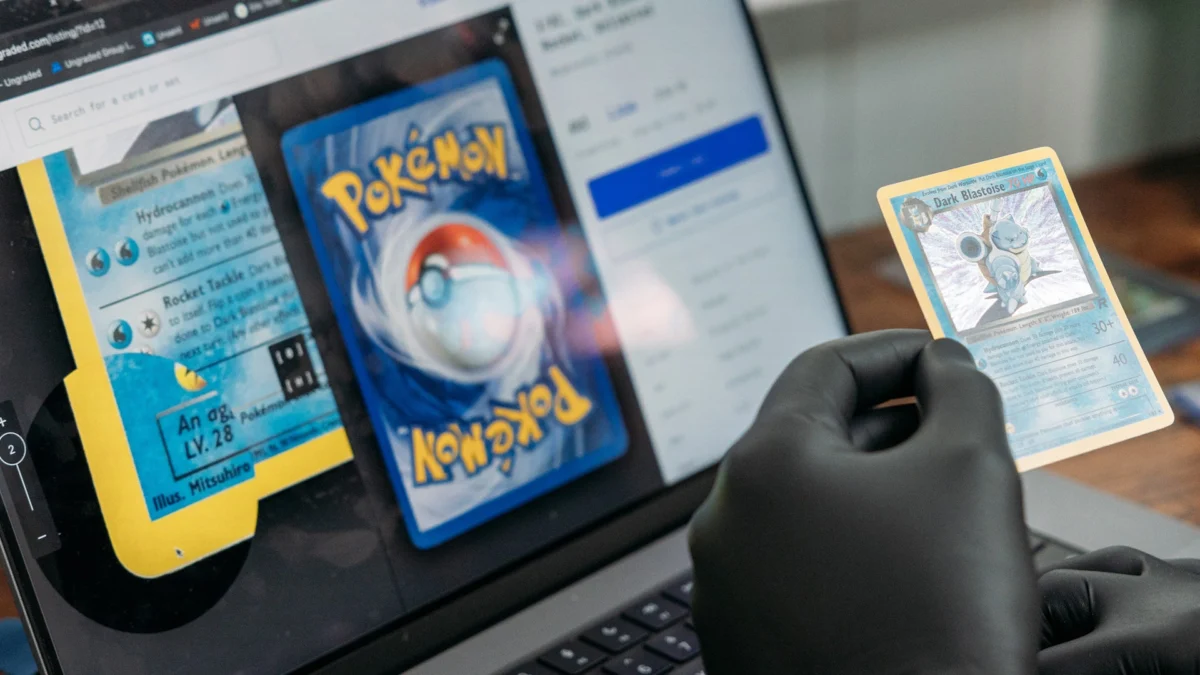
London, UK – The fervent world of trading card games (TCGs) and sports memorabilia has long been a domain fraught with both immense passion and significant peril, particularly for those navigating the bustling online marketplaces. For collectors and enthusiasts dealing in "raw" or ungraded cards – those not yet encased in the protective slabs of professional grading services like PSA or Beckett – the digital realm often presents a minefield of potential misrepresentation, fraud, and unexpected disappointment. A new UK-based startup, Ungraded, is poised to disrupt this landscape, offering an ambitious solution: a marketplace powered by "groundbreaking" 3D imaging technology designed to bring unprecedented transparency and trust to the buying and selling of these cherished collectibles.
Founded by a duo of avid Pokémon card collectors from Cornwall, Ungraded aims to eliminate the anxieties associated with online card transactions. Their core promise is to provide buyers with an immersive, highly detailed 3D digital replica of every listed card, allowing for meticulous inspection of condition, authenticity, and even the most minute imperfections, all before a purchase is made. This innovation seeks to bridge the critical gap between the prohibitive costs and lengthy waits of professional grading and the often-blurry, unreliable listings found on general auction sites.
Main Facts: Redefining Trust in Online Collectibles
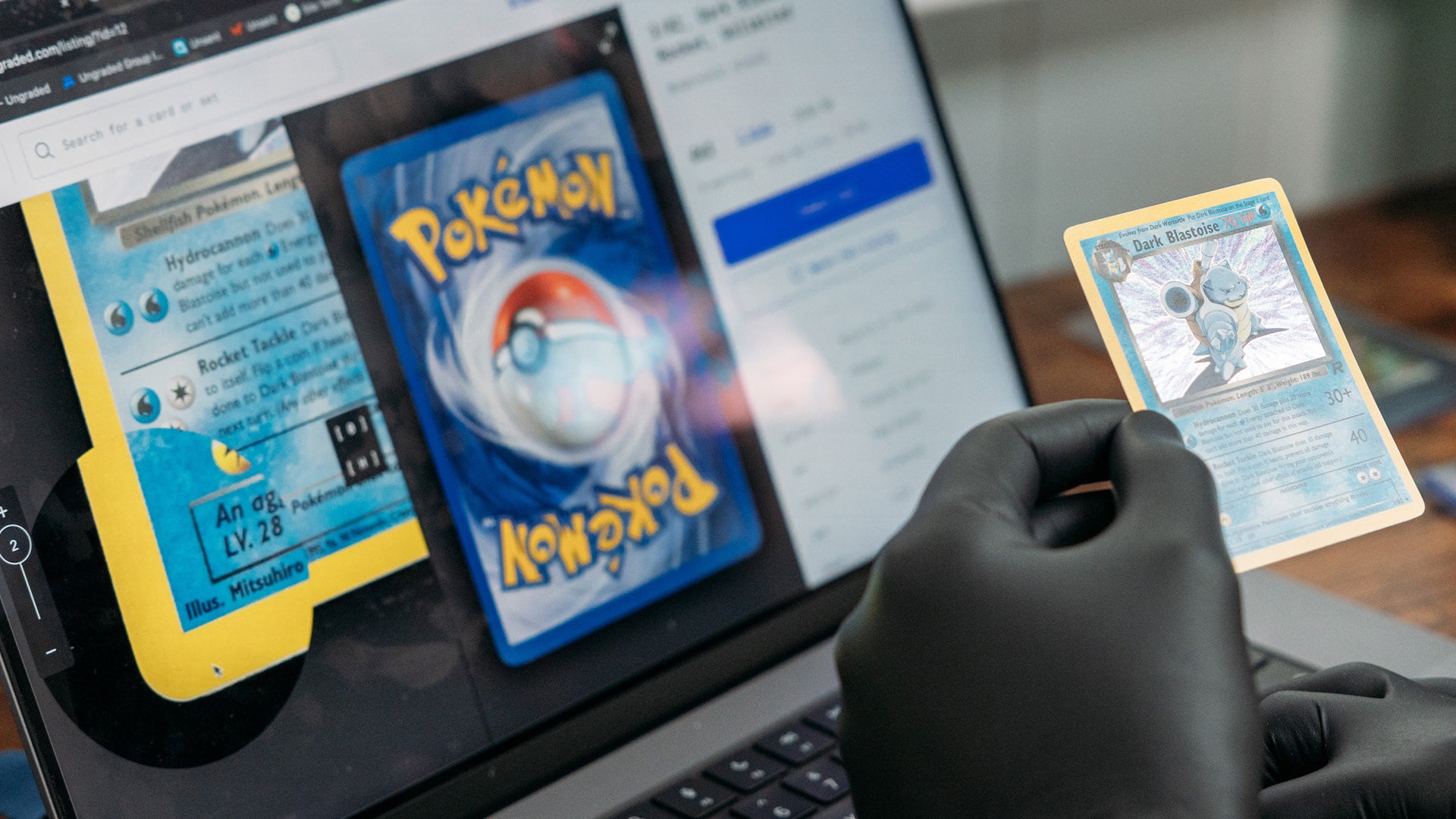
The primary innovation driving Ungraded’s foray into the competitive TCG market is its proprietary 3D imaging technology. This system, which the company describes as "groundbreaking," is designed to capture hundreds of ultra-high-definition photographs of each submitted card. These images are then seamlessly stitched together to create an interactive 3D model, accessible to potential buyers online.
Key Features of Ungraded’s Offering:
- Immersive 3D Inspection: Buyers gain the ability to digitally rotate, zoom, and scrutinize every angle of a card. This goes far beyond static images, allowing for an examination of texture, surface imperfections, edge wear, and corner integrity in detail previously only possible with a physical card in hand.
- Microscopic Detail: The technology promises to reveal even the most subtle attributes, such as CMYK print patterns, crucial for authenticating cards and discerning print quality. Minute scuffs, scratches, and precise centering can be assessed with an accuracy that standard photographs simply cannot match.
- Focus on Raw Cards: Unlike services primarily catering to high-value, professionally graded items, Ungraded specifically targets "raw" cards. This includes popular TCGs like Pokémon, Magic: The Gathering, and Yu-Gi-Oh!, alongside a wide array of other trading cards, such as those for football or American sports. This focus addresses a significant underserved segment of the market.
- Enhanced Seller Experience: Sellers ship their cards directly to Ungraded, removing the burden of individual photography, listing descriptions, and direct buyer communication regarding condition. The company handles the high-tech imaging and listing process, streamlining what can often be a cumbersome and time-consuming endeavor.
- Risk Mitigation: By centralizing the imaging and (implicitly) authentication process, Ungraded aims to drastically reduce instances of counterfeit cards, condition disputes, and "not as described" claims, which plague current online marketplaces. This fosters a more secure and trustworthy environment for both parties.
Ungraded’s model positions itself as a crucial intermediary, offering a level of transparency that sits between the full professional grading of a PSA 10 and the often-ambiguous listings on platforms like eBay. It promises an experience where buyers can be "seemingly assured of its condition before placing a bid, even without seeing it in person," a significant leap forward for online collectible trading.
Chronology: From Collector Frustration to Market Innovation
The genesis of Ungraded stems from a familiar narrative within the collecting community: personal frustration with existing market shortcomings. The founders, described as a "couple of Cornish Pokémon card collectors," likely experienced firsthand the pitfalls of buying and selling raw cards online. Tales of cards arriving in worse condition than advertised, outright fakes, or packages simply never showing up are unfortunately common anecdotes that resonate deeply within the hobby.
The Journey to Launch:
- Inception (Likely Pre-2024): While specific dates aren’t provided, the idea for Ungraded almost certainly germinated from the founders’ own experiences. Identifying the pervasive trust deficit in the raw card market, particularly for items not valuable enough to warrant full professional grading but still significant to collectors, would have been the initial spark.
- Technological Development: The development of "groundbreaking" 3D imaging technology is not a trivial undertaking. It would have involved significant investment in R&D, specialized camera equipment, sophisticated photogrammetry software, and the creation of a robust digital infrastructure to host and display these complex 3D models efficiently. This phase would have been crucial for perfecting the accuracy and user experience of their core offering.
- Platform Development: Concurrently, the marketplace itself would have been built – integrating listing tools for sellers, bidding/buying mechanisms for buyers, secure payment processing, and the backend logistics for handling card intake, imaging, storage, and shipping.
- Pre-Launch Auction Drops (End of May): As a precursor to the full marketplace launch, Ungraded plans to run a "series of auction drops" starting from the end of May. These initial auctions will feature cards from popular TCGs like Pokémon, Yu-Gi-Oh!, and Magic: The Gathering. This phased rollout could serve multiple purposes:
- Beta Testing: Stress-testing the platform, imaging process, and logistics with real users and transactions.
- Market Buzz: Generating excitement and demonstrating the technology’s capabilities to a targeted audience.
- Feedback Collection: Gathering invaluable user feedback to refine the platform before its wider debut.
- Official Marketplace Launch (July): The full Ungraded marketplace is slated to go live in July. This marks the transition from a limited series of auctions to a fully functional platform where sellers can list their cards and buyers can browse and purchase on an ongoing basis.
This chronological approach suggests a methodical build-up, moving from conceptualization to technological innovation, and then to a strategic market entry designed to build confidence and refine the user experience.
Supporting Data: The Market Need and Ungraded’s Economic Model
The trading card market has witnessed an unprecedented boom in recent years, transforming from a niche hobby into a multi-billion-dollar global industry. This surge, partly fueled by nostalgia, investment speculation, and the accessibility of online communities during the pandemic, underscores the profound need for a platform like Ungraded.
The Booming TCG Market and its Challenges:
- Market Valuation: The global collectible card game market was valued at approximately $15.7 billion in 2022 and is projected to reach over $20 billion by 2028, demonstrating robust growth. This significant market size, however, is not without its pain points.
- The "Raw" Card Dilemma: While high-end graded cards command headlines and astronomical prices (e.g., Post Malone’s purchase of the One Ring Magic: The Gathering card), the vast majority of transactions involve raw, ungraded cards. These cards often fall into a tricky price bracket – too valuable for a casual trade, but not quite valuable enough to justify the $20-$100+ cost, plus shipping and potentially months-long wait times, associated with professional grading services like PSA, Beckett Grading Services (BGS), or Certified Guaranty Company (CGC).
- Existing Marketplace Deficiencies:
- eBay and similar sites: Suffer from a fundamental lack of standardized condition reporting. Sellers often use poor lighting, low-resolution images, or selective angles, making it nearly impossible for buyers to accurately assess condition. This leads to a high incidence of disputes, returns, and buyer dissatisfaction. Counterfeit cards, especially in the Pokémon and Yu-Gi-Oh! markets, are also a persistent threat.
- Social Media Groups: While fostering community, these platforms lack escrow services, robust buyer protection, and reliable methods for condition verification, making them high-risk for transactions with unknown parties.
Ungraded’s Economic Model and Fee Structure:
Ungraded’s revenue model is based on a tiered fee structure, primarily borne by the buyer in auction scenarios and by the seller for fixed-price listings, with some nuances for lower-value items and unsold inventory. This model aims to cover the costs of their high-tech imaging, platform maintenance, and integrated logistics.
- Auction Listings (Buyer Pays Fee):
- Cards up to £250: 20% buyer’s fee. (e.g., a £100 card incurs a £20 fee for the buyer, total £120).
- Cards up to £1,000: 17.5% buyer’s fee. (e.g., a £500 card incurs an £87.50 fee for the buyer, total £587.50).
- Cards over £1,000: 15% buyer’s fee. (e.g., a £1,500 card incurs a £225 fee for the buyer, total £1,725).
- Seller Benefit: Sellers pay nothing to list cards worth over £25 and receive the full hammer price.
- Fixed Price Listings (Seller Pays Fee):
- 15% seller’s fee. (e.g., a £100 fixed-price card means the seller receives £85).
- This model shifts the fee burden to the seller, potentially attracting buyers who prefer transparent pricing without an additional percentage tacked on.
- Low-Value Cards (Under £25):
- For cards under £25, the buyer still pays 20% of the card’s value. However, Ungraded charges a minimum fee of £5. The seller is responsible for paying the difference between the buyer’s 20% fee and this £5 minimum.
- (e.g., a £20 card: Buyer pays £4 (20%). Seller pays £1 to meet the £5 minimum fee). This mechanism ensures Ungraded covers its operational costs for lower-value items, which still require the same high-resolution imaging and handling.
- Unsold Fee:
- Cards not sold after 30 days incur an "unsold fee" of 1% of the card’s average price, charged every subsequent 30 days. This incentivizes sellers to price competitively and ensures Ungraded’s inventory doesn’t become stagnant with unmoving items, taking up storage space and resources.
- Integrated Logistics: Ungraded states it will cover costs such as postage and insurance for sold cards. This is a significant value-add for sellers, reducing their logistical overhead and providing peace of mind regarding shipping valuable items. This implies a secure storage facility for cards once they are sent to Ungraded for imaging.
Compared to traditional grading services, Ungraded’s fees are structured differently, often lower for cards that wouldn’t typically be graded. Compared to general marketplaces, while Ungraded’s fees might appear higher than a basic eBay listing, they encompass a comprehensive service including advanced imaging, authentication layers (implied by their handling), and logistics, which significantly de-risks the transaction.
Official Responses: Voice of the Founders and Industry Outlook
While the initial announcement provides a glimpse into Ungraded’s ambition, the underlying motivation from its founders is clear: to inject a much-needed dose of integrity and advanced technology into a market segment often overlooked by high-end services.
The Vision from Cornwall:
The founders, through their actions and the platform’s design, articulate a clear vision. "Speaking from experience," the article notes, "buying and selling rare Pokémon cards on the internet can be a bit of a nightmare." This personal pain point is the driving force. Their ambition isn’t just to create another marketplace, but to fundamentally alter the transaction experience for raw cards.
- A commitment to accuracy: "The company’s ‘groundbreaking’ 3D technology is accurate enough to let customers properly judge a card’s condition by rotating and zooming in on the digital replica… meaning they can be seemingly assured of its condition before placing a bid, even without seeing it in person." This statement, while attributed to the company, reflects the founders’ confidence in their technological solution.
- Filling a market void: By focusing on "raw" cards, Ungraded explicitly targets the vast majority of collectors who operate outside the ultra-high-value graded market. Their solution acknowledges that not every valuable card warrants a $100+ grading fee, but every valuable card deserves transparent representation.
- Building a trusted ecosystem: The commitment to covering postage and insurance for sold items, and the rigorous imaging process, suggests a desire to build an ecosystem where trust is paramount. Sellers benefit from reduced hassle and security, while buyers gain confidence.
Potential Industry Perspective (Hypothetical):
Industry analysts and seasoned collectors might view Ungraded with a mixture of cautious optimism and genuine excitement.
"The trading card market has exploded, and with that growth comes an increased need for transparency and authentication," remarks a hypothetical industry expert. "Ungraded’s approach to 3D imaging for raw cards is genuinely innovative. It tackles a critical pain point that existing platforms haven’t adequately addressed. If their technology lives up to its ‘groundbreaking’ claims, and they can scale efficiently, this could significantly professionalize a large segment of the market that currently relies on good faith and grainy smartphone photos."
A veteran collector might add: "As someone who’s bought and sold hundreds of raw cards, the anxiety of receiving something that doesn’t match the description is real. If Ungraded can truly provide a 3D view that captures every nick and scratch, that’s a game-changer. I’m keen to see how their fees compare once you factor in the peace of mind."

These "official responses" underscore the market’s readiness for such an innovation, acknowledging both the potential benefits and the inherent challenges in bringing a complex technological solution to a dynamic market.
Implications: Reshaping the Collector’s Journey
The launch of Ungraded carries significant implications for various stakeholders within the vast and rapidly evolving collectible trading card ecosystem. Its success could herald a new era of trust and accessibility, while its challenges will test the limits of technological integration and market adoption.
For Sellers:
- Reduced Friction & Effort: Sellers no longer need to painstakingly photograph their cards from multiple angles, write detailed condition descriptions, or handle individual shipping logistics. Sending cards to Ungraded simplifies the process dramatically.
- Wider Audience & Fairer Value: By providing a highly transparent and trustworthy listing, Ungraded could attract a broader base of buyers who might otherwise be hesitant to purchase raw cards online. This could lead to more competitive bidding and a truer market valuation for items.
- Enhanced Security: The company’s handling of postage and insurance, coupled with its implied authentication process, offers sellers peace of mind against shipping damages or buyer disputes over condition.
- Inventory Management: The unsold fee, while potentially a deterrent for slow-moving items, also encourages sellers to list cards that are genuinely ready to sell and to price them appropriately, fostering a more dynamic marketplace.
For Buyers:
- Unprecedented Confidence: The ability to inspect a card in 3D, zooming in on microscopic details, virtually eliminates the guesswork associated with online purchases. Buyers can make informed decisions, significantly reducing the risk of disappointment or fraud.
- Access to Underserved Market: Collectors who prefer raw cards but are wary of the risks on other platforms will now have a dedicated, reliable avenue to acquire them.
- More Informed Pricing: With clearer condition assessments, buyers can better justify the prices they pay, knowing exactly what they are getting.
- Potential for Discovery: A trusted platform for raw cards could encourage more collectors to list items they might otherwise have kept hidden due to the hassle and risk of selling them.
For the Broader TCG Industry:
- Setting New Standards: If Ungraded succeeds, its 3D imaging technology could establish a new benchmark for condition reporting in the online collectibles market, potentially pressuring other platforms to innovate or integrate similar solutions.
- Market Expansion: By de-risking raw card transactions, Ungraded could lower the barrier to entry for new collectors and encourage more casual enthusiasts to engage with the secondary market, leading to overall market growth.
- Challenging Traditional Grading: While not a direct competitor to high-end grading services (which offer authentication, archival, and slab protection for top-tier cards), Ungraded provides a compelling alternative for mid-value raw cards, where professional grading might be overkill or too costly. This could force grading companies to further differentiate their services or consider more cost-effective options for lower-value submissions.
- Increased Liquidity: A more trustworthy marketplace leads to more frequent and confident transactions, increasing the overall liquidity of the raw card market.
Challenges and Future Outlook:
Despite its ambitious promises, Ungraded will face several significant hurdles:
- Scalability: Can the company efficiently process and image a large volume of cards if demand explodes? The operational logistics of handling thousands of physical cards, performing high-resolution 3D scans, and securely storing them is immense.
- Technological Perfection: The "groundbreaking" 3D technology must consistently deliver on its promise. Any perceived inaccuracies or failures to capture critical details could erode buyer trust rapidly.
- Market Adoption: Convincing a diverse and often traditional collector base to embrace a new platform and its unique technological approach will require robust marketing and consistent positive user experiences.
- Competition: Existing marketplaces, while flawed, have immense user bases. Ungraded will need to demonstrate a clear and sustained competitive advantage. Furthermore, other startups or even established players might attempt to replicate similar technologies.
- Profitability: The fee structure needs to be sustainable. Balancing competitive pricing for users with the significant operational costs of imaging, storage, and insurance will be key to long-term viability.
- Global Reach: While launching in the UK, the TCG market is global. Expanding internationally will introduce new logistical and regulatory complexities.
Ultimately, Ungraded represents a fascinating and potentially transformative venture in the collectibles space. By addressing the fundamental issues of trust and transparency through advanced technology, it aims to create a safer, more engaging, and more equitable environment for collectors worldwide. Its journey, beginning with auction drops in May and a full launch in July, will be closely watched by anyone with a vested interest in the future of trading cards. The promise of being able to "check out in 3D by potential buyers" might just be the innovation the raw card market has been waiting for.