The Phoenix Rises: How "Coyote vs. Acme" Defied the Odds for Theatrical Release
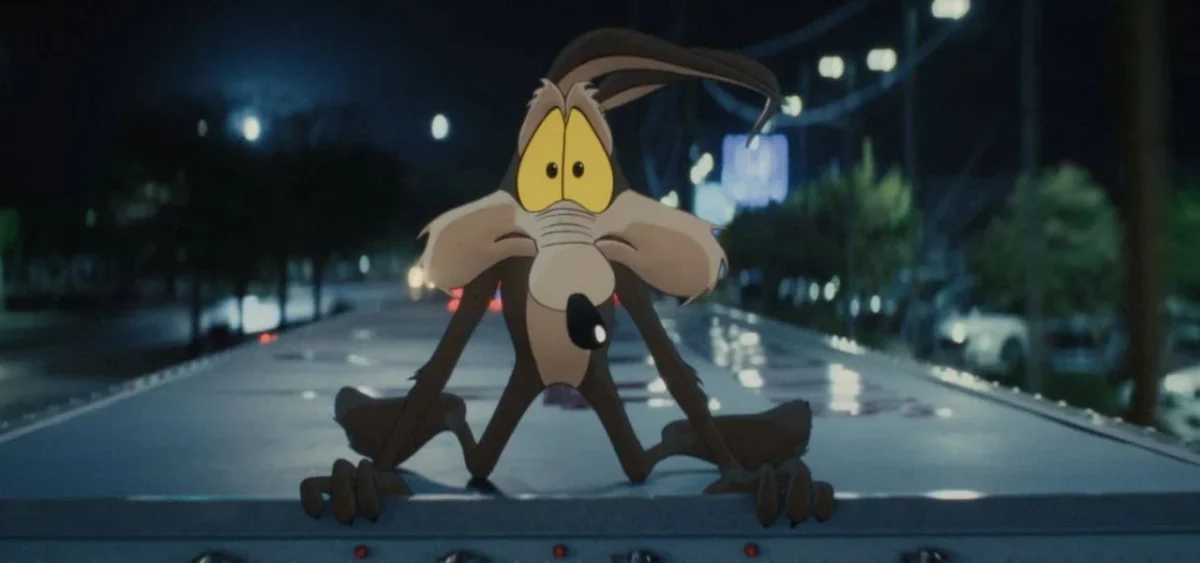
A controversial shelving, a multi-million dollar write-off, and a passionate creative team ultimately led to the triumphant cinematic debut of a film critics are hailing as a modern masterpiece.
In a Hollywood landscape often characterized by calculated risks and predictable outcomes, the journey of Coyote vs. Acme has been nothing short of extraordinary. This live-action/animation hybrid, once destined for the digital graveyard of HBO Max and subsequently deemed expendable for a significant tax write-off, is now poised to captivate audiences in theaters, earning widespread critical acclaim and proving that even the most seemingly doomed projects can find redemption. The film’s unlikely resurrection, detailed in a recent exposé by The Hollywood Reporter, offers a compelling narrative of creative resilience, fan advocacy, and the enduring power of a well-crafted story.
The Genesis of a Masterpiece and Its Unforeseen Demise
Coyote vs. Acme, a project that meticulously blended live-action elements with the iconic Looney Tunes characters, was initially conceived as an HBO Max Original. The film’s production budget reportedly stood at a substantial $70 million, reflecting the ambition and scale of its vision. However, following the seismic shifts within Warner Bros. Discovery, the completed film found itself in a precarious position. In November 2023, in a move that sent shockwaves through the industry, Warner Bros. Discovery controversially shelved the film, opting for a reported $30 million tax write-off rather than releasing it. This decision, perceived by many as a brutal act of corporate cost-cutting, threatened to consign a finished piece of art to obscurity.
The rationale behind such a decision often stems from a complex financial calculus, where the perceived return on investment for a direct-to-streaming release or a theatrical run is weighed against the immediate tax benefits of a write-off. In this instance, the financial expediency of the write-off seemingly outweighed the potential for Coyote vs. Acme to find an audience and generate revenue. This practice, while not unheard of, has drawn considerable criticism for its disregard for the creative output and the labor of hundreds of artists and filmmakers.
The Unlikely Savior: Ketchup Entertainment and a $50 Million Deal
The narrative took a dramatic turn when Ketchup Entertainment stepped in, acquiring the film from Warner Bros. Discovery for $50 million. This acquisition marked a pivotal moment, transforming Coyote vs. Acme from a shelved casualty into a potential theatrical contender. The deal, while representing a financial transaction for Warner Bros. Discovery, was a testament to the film’s inherent value and the belief that it deserved a public showing. Ketchup Entertainment, a distributor known for its embrace of independent and often overlooked projects, saw the potential for Coyote vs. Acme to resonate with audiences beyond the confines of a streaming platform.
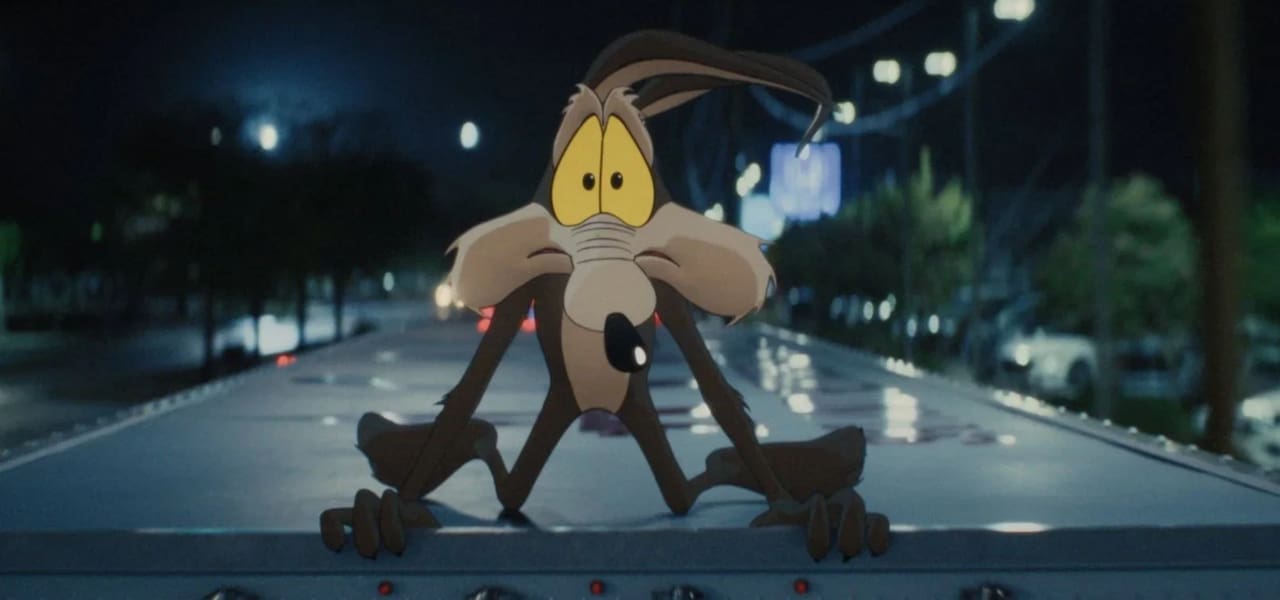
This sale price of $50 million, coupled with the initial production cost of $70 million, reveals a complex financial picture. While Warner Bros. Discovery recouped a significant portion of its investment through the sale and benefited from the tax write-off, the true "cost" of the film in terms of creative effort and artistic vision remained. The subsequent theatrical release by Ketchup Entertainment on August 28 signifies a strategic pivot, acknowledging that some films, even those initially slated for streaming, possess a cinematic quality that warrants a traditional exhibition.
The Fight for Survival: A Unified Front Against Obscurity
The story of Coyote vs. Acme‘s survival is not solely a tale of financial transactions; it is also a testament to the unwavering dedication of its creative team and the power of collective advocacy. Producer Chris DeFaria articulated the team’s immediate reaction to the shelving decision: "We wanted to make sure that it was never viewed as a failure, that it wasn’t being shelved because it was a bad movie. We quickly began to take control of the narrative." This proactive approach was crucial in preventing the film’s narrative from being solely dictated by Warner Bros. Discovery’s financial decisions.
The "control of the narrative" involved a multi-pronged strategy that aimed to highlight the film’s artistic merit and garner widespread support. This included:
- Filmmaker Advocacy: Directors Phil Lord and Christopher Miller, known for their critically acclaimed work, publicly championed the film, lending their influential voices to the cause. Their endorsement served to draw attention to the project and underscore its quality.
- Fan Campaigns: A passionate fan campaign emerged, combining online pleas with tangible actions at major industry events. This grassroots movement demonstrated the audience’s desire to see the film, creating a groundswell of support that could not be easily ignored.
- Influential Screenings: The filmmakers organized private screenings for key industry figures and members of the media. Cartoon Brew was among the select outlets invited to these early viewings, and its subsequent report unequivocally praised the film, stating, "I saw Coyote vs. Acme and it’s as wonderful as everyone says it is." Such early positive press was instrumental in shaping perceptions and building anticipation.
This concerted effort placed sustained pressure on Warner Bros. and, in a serendipitous twist, effectively prevented the studio from making the film disappear without public scrutiny. The nearly three-year journey from shelving to theatrical release underscores the tenacity of the team and the impact of a unified voice advocating for artistic preservation.
Creative Battles: Defending Artistic Vision Against Executive Doubts
Beyond the fight for its release, the filmmakers of Coyote vs. Acme also engaged in significant creative battles with studio executives during the film’s production. Director Dave Green and screenwriter Samy Burch found themselves having to defend certain unconventional creative choices, particularly the inclusion of an animated version of actor Peter Lorre. Lorre’s distinctive likeness has a historical connection to classic Warner Bros. cartoons, making his appearance a deliberate nod to the studio’s rich animation legacy.
.png)
Green recounted to THR the pressure to replace Lorre: "There was definitely a desire to change out that character for a more recognizable character. It’s a very deep cut." This illustrates a common tension in studio filmmaking, where executives may prioritize mainstream appeal and readily identifiable characters over more nuanced or historically significant choices. The filmmakers’ success in retaining Lorre’s animated presence is a victory for creative integrity and a testament to their ability to articulate the artistic value of their decisions. It highlights the delicate balance between artistic vision and commercial considerations that often defines the filmmaking process.
Implications and the Future of "Saved" Films
The improbable survival and upcoming release of Coyote vs. Acme carry significant implications for the film industry. Firstly, it underscores the growing power of fan engagement and collaborative advocacy in influencing studio decisions. In an era where digital platforms can amplify voices and mobilize communities, audiences are demonstrating their ability to impact the fate of films.
Secondly, the involvement of independent distributors like Ketchup Entertainment signals a potential shift in the distribution landscape. As larger studios continue to consolidate and prioritize tentpole releases, independent distributors may find fertile ground in acquiring and championing films that have been overlooked or deemed too risky by their corporate counterparts. This could lead to a more diverse and vibrant cinematic ecosystem, offering audiences a broader range of storytelling.
Finally, the story of Coyote vs. Acme serves as a potent reminder of the artistic value that can be lost when financial expediency takes precedence. The fact that this film, now lauded by critics, was nearly lost to a tax write-off is a stark illustration of the challenges faced by creators in ensuring their work reaches an audience. The filmmakers’ ability to protect and nurture their idea through production, coupled with the subsequent reversal of the studio’s initial plan, and the serendipitous timing of an era that allows for independent risk-taking distributors to emerge, paints a picture of a truly miraculous outcome. It is a narrative that celebrates perseverance, artistic integrity, and the enduring hope that even in the face of corporate pragmatism, great cinema can still find its way to the light. The success of Coyote vs. Acme‘s revival may well inspire other creators and distributors to fight for films that deserve to be seen, proving that sometimes, the most valuable assets are the stories themselves.