Siren Head Answers the Call: Warner Bros. Secures Rights to Viral Internet Horror Phenomenon
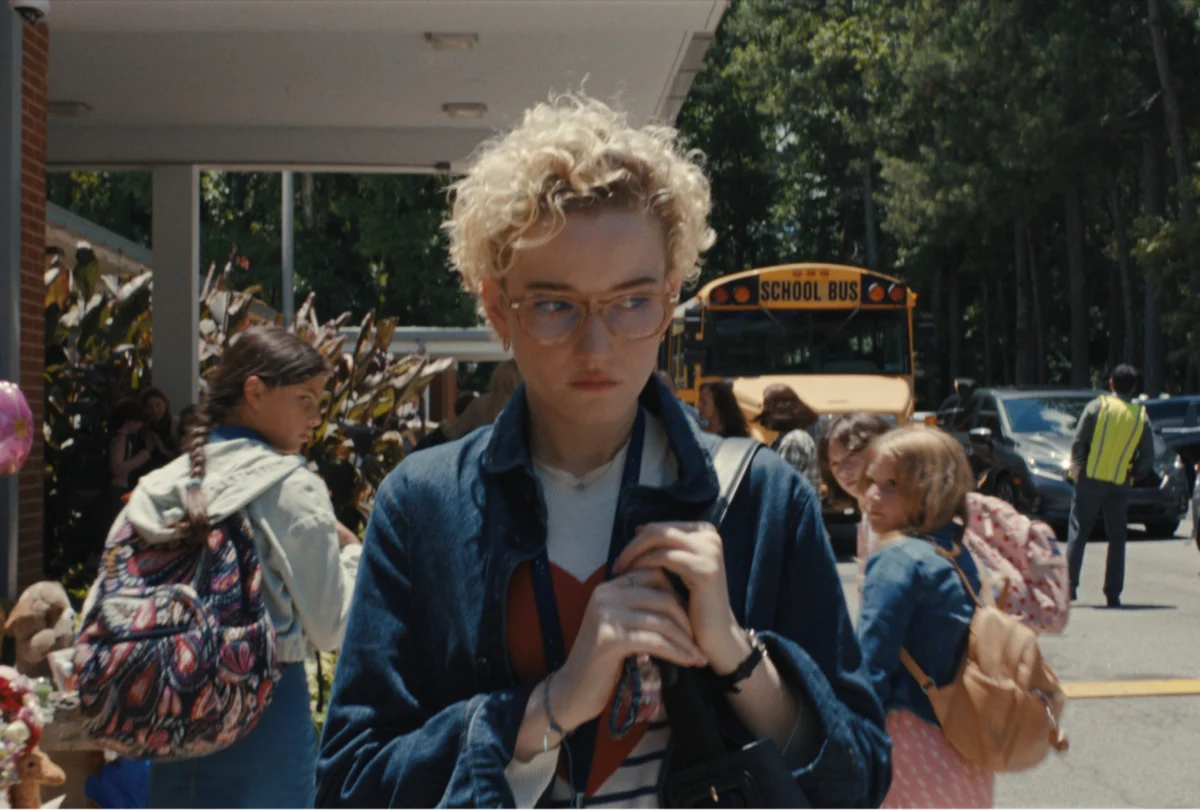
Hollywood doubles down on digital frights as Zach Cregger and Brian Duffield team up to bring Trevor Henderson’s terrifying creation to the big screen.
In a move that signals a burgeoning trend in the horror genre, Warner Bros. has successfully acquired the rights to develop a feature film based on the internet-born horror sensation, Siren Head. The highly anticipated project has attracted the attention of two of contemporary horror’s most compelling voices: Zach Cregger, the acclaimed writer/director behind last year’s breakout hit Barbarian and the upcoming Weapons, and Brian Duffield, the visionary writer/director of Whalefall and Love and Monsters. The duo is reportedly set to co-write the script, with Duffield also slated to direct.
The acquisition comes on the heels of the unexpected box office success of Backrooms, another horror film derived from online lore, underscoring Hollywood’s increasing appetite for pre-existing, fan-generated intellectual property. The bidding war for Siren Head, which concluded just before the Fourth of July holiday weekend, highlights the intense studio interest in adapting such viral phenomena for a mainstream audience. While details remain scarce given the project’s nascent stage, the involvement of such prominent talents promises a chilling and imaginative cinematic interpretation of the towering, siren-headed entity.
Main Facts: A New Dawn for Digital Dread
The core facts surrounding the Siren Head film project are poised to send ripples through both the film industry and the vast online horror community. Warner Bros. has committed significant resources to secure the adaptation rights, indicating a strong belief in Siren Head’s mainstream appeal and commercial viability. This strategic acquisition positions the studio at the forefront of a new wave of horror storytelling, one that directly taps into the collective anxieties and creative energy of the internet.
The attachment of Zach Cregger and Brian Duffield to the project is a significant coup. Cregger, who redefined modern horror with his genre-bending Barbarian and is currently generating buzz for Weapons, brings a proven ability to craft unsettling atmospheres and deliver unexpected twists. Duffield, known for his unique blend of action, horror, and character-driven narratives in films like Whalefall and Love and Monsters, offers a distinct directorial vision that could imbue Siren Head with both terrifying spectacle and emotional depth. Their collaboration on the screenplay suggests a meticulous approach to translating the creature’s expansive, fan-developed mythology into a cohesive and terrifying narrative.
Siren Head, a creature born from the fertile imagination of artist Trevor Henderson, represents the epitome of internet horror’s organic growth. Since its inception in 2018, the entity’s distinctive, ominous design and eerie lore have captivated millions, spawning a vast ecosystem of fan art, videos, and video games. This pre-existing, passionate fanbase presents a unique advantage for Warner Bros., offering a built-in audience eager to witness their beloved cryptid come to life on the big screen. The project is currently in its earliest development phases, with casting announcements, particularly concerning the portrayal of Siren Head itself, yet to be made.
The Rise of a Digital Legend: A Chronology
The journey of Siren Head from a haunting digital image to a hotly contested Hollywood property is a testament to the internet’s power as a crucible for modern myth-making. Its chronological development illustrates how grassroots creativity can capture global imagination and eventually attract mainstream attention.
Inception on Instagram (2018)
The terrifying saga of Siren Head began modestly in August 2018, when acclaimed creature designer Trevor Henderson uploaded an image to his Instagram account. The post featured a stark, unsettling photograph depicting a colossal, emaciated figure looming over an old cemetery. Instead of a conventional head, the entity possessed two massive bullhorn sirens, emitting an aura of silent, auditory dread. Henderson’s accompanying caption was crucial in establishing the creature’s immediate and chilling mythology:
"She was on vacation with her husband and they were scoping out graveyards on the way, as you do, when she saw it. Rising out of the old cemetery, big as an old (macabre) telephone pole. Was this some kind of bizarre art piece the authorities hadn’t gotten wise to yet? Even as she stepped out of the car, the megaphones on its ‘head’ screeched to life. ‘NINE. EIGHTEEN. ONE. CHILD. SEVENTEEN. REMOVE. VILE.’ A buzzing, doubled voice screamed random words at her. At this point, it jerked into motion, striding down the hill towards her."
This vivid, visceral description instantly resonated with a public already primed for internet-based urban legends. Henderson’s ability to fuse mundane settings with surreal horror, combined with the creature’s uniquely terrifying auditory characteristic, quickly set Siren Head apart.
From Image to Icon
Following its Instagram debut, Siren Head’s presence exploded across various online platforms. The image and its accompanying lore became a viral sensation, inspiring countless individuals to contribute to its burgeoning mythology. Enthusiasts flocked to create their own interpretations, ranging from intricate fan art and unsettling short films posted on YouTube to immersive video games designed to evoke the creature’s dread-inducing presence. Online communities on platforms like Reddit and Discord became hubs for sharing new theories, expanding on the creature’s origins, abilities, and its interactions with humanity. This organic, collaborative development fostered an "elaborate mythology" that went far beyond Henderson’s initial post, transforming Siren Head into a modern cryptid with a rich, if decentralized, backstory. This collective storytelling approach has created a diverse tapestry of lore from which Cregger and Duffield are now tasked to draw inspiration for their cinematic adaptation.
The Backrooms Precedent
The acquisition of Siren Head by Warner Bros. is not an isolated event but rather a clear indication of a growing trend within the entertainment industry. The success of the Backrooms film adaptation served as a significant proof-of-concept for studios exploring internet-originated horror IPs. Backrooms, another entity born from an online creepypasta, capitalized on its established digital fanbase and unique premise to achieve notable success, both critically and commercially. Its performance demonstrated that the transition from viral internet phenomenon to viable cinematic property is not only possible but potentially lucrative. This precedent has evidently emboldened major studios like Warner Bros. to actively seek out and invest in other well-known internet horror concepts, with Siren Head being the latest, and arguably most prominent, example.
Supporting Data: The Power of Creepypasta and Internet Lore
The journey of Siren Head to the silver screen is deeply rooted in the broader cultural impact and economic viability of internet-generated horror. Understanding this context illuminates why major studios are now actively investing in properties that originated as mere digital curiosities.
The Creepypasta Phenomenon
Siren Head is a direct descendant of the "creepypasta" phenomenon, a portmanteau of "creepy" and "copypasta" (internet slang for text that is copied and pasted repeatedly). Creepypastas are horror-related legends, images, or animations that are shared across the internet, often anonymously, with the goal of frightening or unsettling the reader. They tap into primal fears and anxieties, often presenting as found footage, real-life accounts, or fictional documents. The democratic nature of creepypasta allows anyone to contribute, leading to a sprawling, decentralized, and ever-evolving body of lore.
The most famous example, Slender Man, exploded in popularity in the late 2000s, inspiring fan art, elaborate stories, and even a video game. While the subsequent real-world tragedy linked to Slender Man highlighted the profound, sometimes dangerous, impact of these digital myths, it also underscored their immense cultural penetration and the potent psychological hold they can exert. Studios took notice, eventually leading to a mainstream film adaptation of Slender Man, albeit with mixed results. The lessons learned from Slender Man’s trajectory – both its viral success and the challenges of adapting its lore – undoubtedly inform the approach to Siren Head.
Creator-Driven Horror
The internet has democratized horror creation, allowing independent artists like Trevor Henderson to bypass traditional gatekeepers and directly engage with a global audience. Platforms like Instagram, YouTube, and Reddit serve as fertile ground for incubating new ideas and fostering communities around nascent horror concepts. This creator-driven model allows for rapid iteration and expansion of lore, with audience feedback often shaping the narrative’s evolution. Henderson’s unique creature designs, including Siren Head, have garnered him a significant following, demonstrating that singular artistic visions, when shared effectively online, can cultivate massive, engaged fanbases. For studios, this represents a pre-vetted, audience-tested concept with a built-in marketing apparatus, significantly de-risking the initial investment.
Economic Viability of Viral IPs
The economic rationale behind adapting viral internet IPs like Siren Head is compelling. Unlike traditional intellectual property, which often requires significant upfront investment in creation and development, internet sensations arrive with several advantages:
- Pre-Existing Audience: A massive, dedicated fanbase already exists, eager for new content and likely to support a film adaptation. This reduces marketing costs and provides a strong indicator of potential box office performance.
- Low Acquisition Cost (Initially): While a bidding war can drive up prices, the initial "creation" cost of the IP was essentially zero, stemming from a single artist’s post or a community’s collaborative effort.
- Proof of Concept: The viral spread itself demonstrates the concept’s ability to resonate with a broad audience, proving its appeal without expensive market research.
- Expansive Lore: The collaborative nature of internet lore often results in a rich, diverse, and often contradictory mythology. This provides filmmakers with a wealth of material to draw from, offering creative freedom while maintaining fidelity to the core concept.
The success of Backrooms further validated this model, proving that internet horror can translate into tangible financial returns, making Siren Head a highly attractive prospect for Warner Bros.
The Appeal of Siren Head
Siren Head’s particular appeal lies in its unique combination of visual horror, auditory dread, and ambiguous threat.
- Unique Design: Henderson’s design is distinct and instantly recognizable. The juxtaposition of a humanoid form with industrial sirens for a head is both bizarre and terrifying, invoking a sense of uncanny valley and monstrous otherness.
- Auditory Horror: The concept of a creature whose head is literally an instrument of sound, capable of mimicking voices, distress signals, or garbled broadcasts, taps into a deep-seated fear of the unknown and the inescapable. It suggests a predator that plays with its prey, using sound as a weapon and a psychological torture device.
- Cryptid Status: Siren Head functions as a modern cryptid, a creature of unknown origin that lurks in the periphery of human perception. This ambiguity allows for endless speculation and fear, as its motives and capabilities are never fully explained, leaving much to the imagination.
- Environmental Threat: Often depicted in desolate, rural settings, Siren Head embodies a fear of being alone and hunted in vast, empty spaces, transforming ordinary landscapes into zones of profound terror.
These elements combine to create a creature that is not just visually disturbing but deeply unsettling on a psychological level, making it ripe for a sophisticated horror adaptation.
Official Responses and Creative Vision
The studio’s proactive move and the creative team assembled for Siren Head underscore a clear strategic vision to capitalize on the internet horror trend while delivering a high-quality cinematic experience.
Warner Bros.’ Strategic Move
Warner Bros. has a long and storied history in the horror genre, responsible for iconic franchises like The Exorcist, The Conjuring universe, and the recent IT films. Their decision to pursue Siren Head is a strategic one, signaling their commitment to remaining a dominant force in horror by actively seeking out and nurturing emerging intellectual properties. The bidding war itself demonstrates the competitive nature of this new IP landscape and Warner Bros.’ determination to secure what they perceive as a valuable asset.
This acquisition fits well within Warner Bros.’ portfolio, which often blends established franchises with new, high-concept horror. By bringing Siren Head into their fold, they are not only embracing a contemporary trend but also potentially laying the groundwork for a new, digitally-native horror franchise that could resonate with younger audiences and expand their market reach. Their past success with creature features and supernatural horror also bodes well for a faithful yet cinematic interpretation of Siren Head.
Cregger and Duffield: A Potent Pairing
The creative pairing of Zach Cregger and Brian Duffield is a compelling one, promising a film that could transcend typical internet adaptations.
- Zach Cregger’s Vision: Cregger’s work on Barbarian was lauded for its audacious twists, tight pacing, and ability to expertly subvert audience expectations. He demonstrated a keen understanding of horror tropes and how to manipulate them for maximum effect, creating genuine scares alongside surprising depth. His involvement suggests that Siren Head will not be a straightforward monster movie but rather a nuanced exploration of fear, potentially incorporating psychological terror and unexpected narrative turns.
- Brian Duffield’s Versatility: Duffield, a talented writer and director, has showcased his ability to craft engaging genre films with unique premises. Whalefall, his latest project, and Love and Monsters demonstrate his knack for combining creature features with strong character arcs and inventive world-building. His directorial experience, coupled with Cregger’s writing prowess, could ensure that Siren Head is not just scary but also a well-crafted story with compelling characters amidst the terror.
Their collaborative writing effort is particularly intriguing. Cregger’s ability to shock and surprise, combined with Duffield’s knack for detailed world-building and narrative propulsion, could result in a screenplay that respects the creature’s core appeal while forging a fresh, cinematic path.
Adapting Expansive Lore
The challenge and opportunity for Cregger and Duffield lie in adapting Siren Head’s vast, decentralized, and often contradictory fan-created lore. Unlike a traditional novel adaptation, where a single source text provides a definitive narrative, Siren Head’s mythology is a patchwork of communal imagination. The filmmakers will need to:
- Identify Core Elements: Distill the essential characteristics and popular narrative threads that define Siren Head for its fanbase. This includes its appearance, auditory abilities, preferred environments, and the general sense of dread it evokes.
- Weave a Cohesive Narrative: Construct a singular, compelling story that can stand on its own as a feature film while honoring the spirit of the source material. This might involve selecting specific fan theories, inventing new backstory, or focusing on a particular encounter.
- Balance Fidelity and Innovation: Satisfy the expectations of the loyal fanbase by staying true to the creature’s established identity, while also bringing fresh ideas and cinematic interpretations to surprise and engage new audiences.
- Embrace Ambiguity: Part of Siren Head’s terror stems from its unknown nature. The filmmakers will need to decide how much to reveal about its origins and motives, potentially leaning into cosmic horror elements to maintain its enigmatic quality.
The decision to draw from this "elaborate mythology" rather than invent an entirely new story demonstrates a respect for the community that built Siren Head into an icon, while also leveraging a wealth of pre-existing creative material.
Implications for the Horror Genre and Internet IP
The Siren Head film project carries significant implications, not only for the future trajectory of the horror genre but also for how studios identify and cultivate intellectual property in the digital age.
A New Era of IP Acquisition
The success of Backrooms and the subsequent bidding war for Siren Head signal the dawn of a new era in IP acquisition. Studios are no longer solely reliant on traditional sources like books, comics, or existing film franchises. The internet, with its boundless capacity for creative content generation, is emerging as a potent new hunting ground for viable properties. This trend is likely to accelerate, prompting studios to establish dedicated teams or strategies for monitoring viral content, creepypastas, and emerging digital artists who generate compelling horror concepts. Other well-known internet entities, such as various SCP Foundation entries, Smile Dog, or other Trevor Henderson creations, could soon find themselves on Hollywood’s radar. This marks a shift towards more agile and culturally responsive IP development.
Balancing Fan Expectations and Creative Freedom
One of the most delicate challenges for Cregger, Duffield, and Warner Bros. will be navigating the passionate fanbase that brought Siren Head to prominence. Adapting a beloved internet property is a tightrope walk:
- Fulfilling Expectations: Fans often have strong opinions and deep investments in the lore they helped create. Deviating too far from established canon or misinterpreting core elements can lead to backlash and alienate the very audience the film aims to attract.
- Creative Interpretation: Yet, filmmakers also need the freedom to interpret and expand upon the source material to craft a compelling cinematic narrative. A direct, uncritical translation of all fan theories might result in a disjointed or overly convoluted plot.
The key will be finding a balance—respecting the essence of Siren Head while allowing Cregger and Duffield to infuse it with their unique creative vision, potentially delivering a film that both satisfies and surprises its audience.
The Future of Collaborative Storytelling
The Siren Head project exemplifies a fascinating evolution in collaborative storytelling. What began as a singular artistic creation on Instagram was collectively nurtured and expanded by a global online community. Now, it’s being handed over to professional filmmakers for a new, mainstream interpretation. This dynamic blurs the lines between creator, audience, and industry, highlighting how digital platforms facilitate emergent narratives that are truly communal in their development. It poses questions about authorship, ownership, and the shared cultural space of digital folklore, suggesting a future where IP development is increasingly fluid and interactive.
The Horror Landscape
The success of Siren Head could further solidify internet horror as a mainstream cinematic force. This might lead to:
- Increased Budgeting: Higher budgets for internet-derived horror films, allowing for more ambitious special effects and production values.
- Influence on Subgenres: A rise in films exploring themes of digital dread, viral fear, and cryptids born from online myths.
- New Directorial Voices: Opportunities for filmmakers who specialize in adapting digital narratives or creating horror specifically designed to resonate with internet-savvy audiences.
- Innovation in Sound Design: Given Siren Head’s auditory nature, the film could push boundaries in sound design, making it a critical element of the horror experience, similar to how films like A Quiet Place utilized sound to generate tension.
As the horror genre continues to evolve, the integration of internet-born legends like Siren Head signifies a vibrant, responsive, and increasingly collaborative future for frights on the big screen. While early days, the potential for this project to redefine how Hollywood sources and adapts its nightmares is undeniable.