SpaceX Announces $100 Billion Louisiana "Starbase" as Starship Development Scales Up
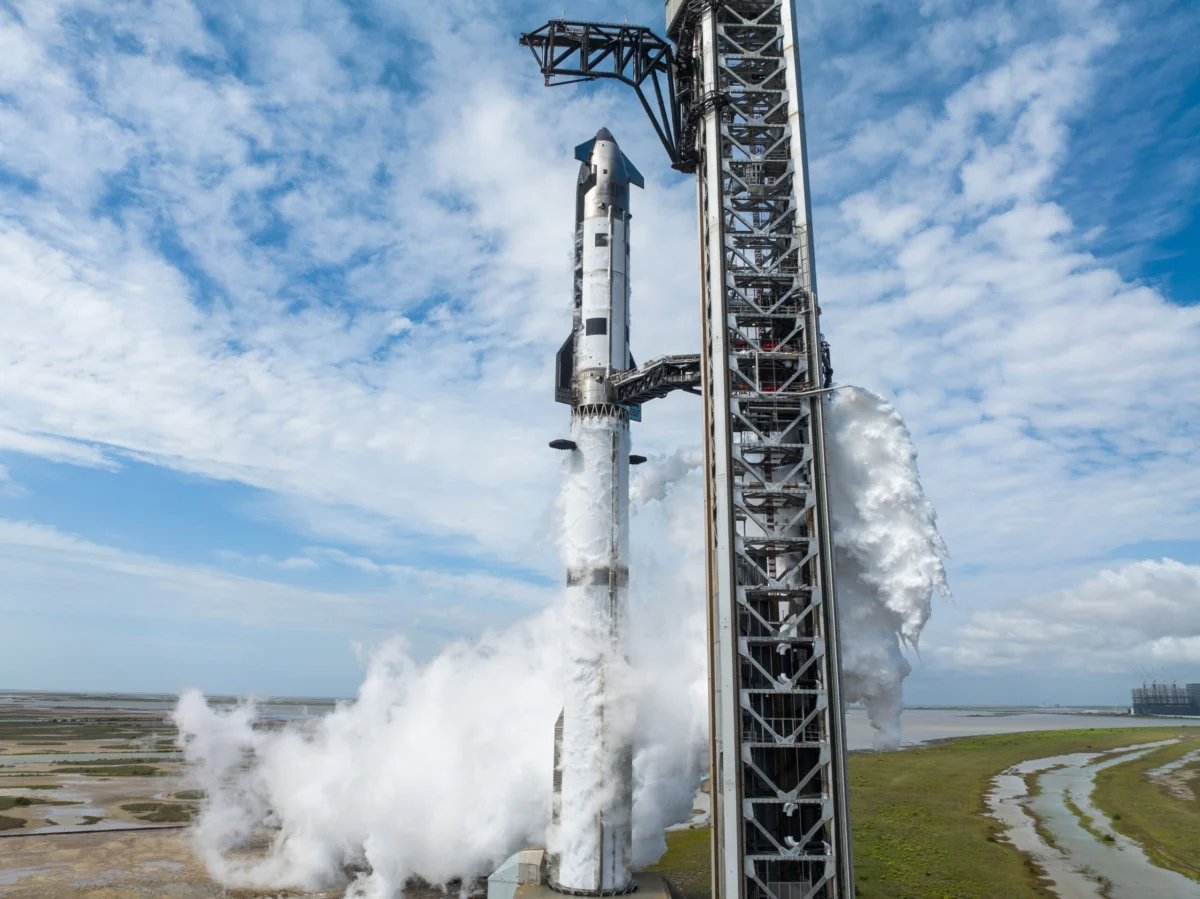
In a move that signals a monumental shift in the landscape of commercial aerospace, SpaceX has officially announced the selection of Vermilion Parish, Louisiana, as the site for its second major "Starbase" campus. The facility, which represents a staggering $100 billion capital investment, is designed to serve as a primary launch and manufacturing hub for Starship, the company’s next-generation, fully reusable mega-rocket.
The announcement concludes a rigorous seven-year search for a location capable of supporting the unprecedented scale of Starship operations. By establishing a foothold on a former Exxon property along the Gulf Coast, SpaceX is not only expanding its physical footprint but also betting the future of the company—and its satellite internet and AI ambitions—on the marshes of southern Louisiana.
I. Main Facts: A $100 Billion Aerospace Frontier
The scale of the proposed Louisiana campus is difficult to overstate. Situated approximately 10 hours east of the original Starbase in Boca Chica, Texas, the new site will be located in Vermilion Parish, west of New Orleans. The project is poised to become one of the largest private industrial investments in American history.
Strategic Location and Infrastructure
The site, previously owned by Exxon, offers the critical geographic requirements for heavy-lift orbital launches: proximity to the Gulf of Mexico for southernly launch trajectories and access to deep-water shipping lanes. SpaceX intends to transform this plot into a "self-sustaining spaceport." According to company filings and official statements, the campus will feature:
- Propellant Production Facilities: On-site manufacturing of liquid methane and liquid oxygen.
- Power Generation: Independent energy infrastructure to support 24/7 operations.
- Deep-Water Shipping: Capabilities for transporting massive rocket stages and heavy machinery.
- Aerospace Manufacturing: High-bay assembly buildings for vehicle processing.
- Dedicated Airport: Private aviation infrastructure to facilitate the movement of engineers and executive staff.
Economic Impact and Employment
According to data provided by Louisiana Economic Development (LED), the project will be a massive engine for regional job growth. SpaceX has committed to creating 3,000 direct new jobs over the next decade. These positions are expected to command an average annual salary of $92,600—significantly higher than the median income in the region.
During the peak of the buildout phase, which is expected to begin in late 2027, the project is projected to support upwards of 30,000 construction jobs. For a state traditionally dependent on the oil and gas industry, this pivot toward high-tech aerospace represents a potential generational shift in the local economy.
II. Chronology: From Seven-Year Search to 2030 Operations
The path to the Louisiana announcement has been a long one, defined by the rapid evolution of the Starship program and the logistical limitations of the company’s Texas facilities.
The Search (2017–2024)
SpaceX began scouting for a second orbital launch site as early as 2017, realizing that the Boca Chica site would eventually face regulatory and logistical bottlenecks. While Starbase Texas has served as the cradle of Starship development, its proximity to sensitive wildlife refuges and a small residential community has led to ongoing legal friction and flight cadence restrictions.
The Construction Phase (2027–2029)
While SpaceX’s internal targets are notoriously aggressive, state officials have offered a more tempered timeline. Construction is slated to begin in 2027. SpaceX aims to have the facility ready for its first Starship launch by 2029. However, the LED suggests that "initial operations" are more likely to come online in 2030, accounting for the massive complexity of building a deep-water port and propellant plant from scratch.
The Starship Flight Record
The decision to build a second site comes while Starship is still in its experimental phase. Since April 2023, SpaceX has conducted 13 test flights. While early flights resulted in spectacular mid-air explosions, more recent tests have successfully demonstrated stage separation, heat shield endurance, and controlled splashes in the ocean. The upcoming 14th test flight is a critical milestone, as the company attempts to send the upper stage into a stable orbit for the first time and return both the "Super Heavy" booster and the Starship vehicle to a precision landing.
III. Supporting Data: The Financial and Technical Stakes
SpaceX’s pivot to Louisiana is driven by the cold math of its business model. To date, the company has spent more than $8 billion on the development of Starship, according to SEC filings. The $100 billion investment in Louisiana represents a "bet-the-company" move that hinges on Starship’s ability to replace the aging but reliable Falcon 9 fleet.
The End of the Falcon Era
In a recent series of statements, CEO Elon Musk confirmed that SpaceX intends to retire the Falcon 9 and Falcon Heavy rockets once Starship achieves a high flight cadence. This is a significant risk; the Falcon 9 is currently the most reliable and frequently flown rocket in the world, serving as the backbone for NASA’s crewed missions and the deployment of the Starlink constellation. Musk’s goal is to reach a frequency of multiple Starship launches per week—a feat that requires the massive infrastructure planned for the Louisiana site.
Starlink and AI Integration
The necessity of Starship is tied directly to SpaceX’s revenue streams. The company’s Starlink satellite internet service is its only currently profitable arm, but the next generation of Starlink satellites (V3) are too large and heavy for the Falcon 9 to carry efficiently. Furthermore, SpaceX has revealed plans to build an orbital network of satellites dedicated to AI processing. These "AI in the sky" nodes require the massive payload capacity of Starship—roughly 100 to 150 tons to Low Earth Orbit (LEO)—to be economically viable.
Comparative Safety and Workforce Data
The move to Louisiana also brings the company’s controversial safety record into focus. Data reported to the Occupational Safety and Health Administration (OSHA) indicates that the Texas Starbase site has experienced injury rates significantly higher than the industry average. In May 2024, a fatality involving a third-party contractor at the Texas site highlighted the dangers of the "move fast and break things" philosophy when applied to heavy industrial construction. Louisiana officials will be under pressure to ensure that the 30,000 construction workers at the new site are protected by more stringent oversight.
IV. Official Responses: Optimism Meets Environmental Caution
The reaction from Louisiana leadership has been overwhelmingly positive, emphasizing the transformative nature of the investment for a parish that has seen its traditional industries fluctuate.
Local and State Enthusiasm
"We are very excited to be in this position to receive one of the best opportunities of a lifetime," said Chad Vallo, President of the Vermilion Parish Police Jury. "This will bring not only a variety of jobs to our Parish but will offer opportunities to our grandchildren, allowing them to stay home for employment."
Governor-level support has also been robust, with the LED working to streamline permitting processes. The state views the $100 billion investment as a way to diversify Louisiana’s industrial base, moving from petroleum extraction to high-value technology manufacturing.
Proactive Environmental Engagement
Learning from the protracted legal battles in Texas—where environmental groups sued over the impact of launch debris and noise on local piping plovers and sea turtles—SpaceX is taking a more proactive stance in Louisiana. The company has already engaged with:
- The Louisiana Department of Wildlife and Fisheries.
- The Coastal Protection and Restoration Authority.
SpaceX has pledged to partner with state and federal agencies to expand the Coastal Master Plan. Specifically, the company plans to fund "Gulf shoreline protection breakwaters" designed to reduce wave energy and combat the severe shoreline erosion that plagues the Louisiana coast. By framing its presence as a benefit to coastal restoration, SpaceX appears to be attempting to neutralize environmental opposition before construction begins.
V. Implications: A New Era of Corporate Sovereignty?
The establishment of the Louisiana Starbase raises significant questions about the future of corporate influence in local governance. In Texas, SpaceX essentially created its own municipality, renaming the area "Starbase" and populating local government roles with employees and their families.
The "Company Town" Question
It remains to be seen if SpaceX will attempt a similar "company town" model in Vermilion Parish. The inclusion of an airport, power plant, and shipping port in the plans suggests a level of autonomy that could eventually lead to the company seeking its own ZIP code or law enforcement jurisdiction. For Louisiana, this presents a double-edged sword: massive economic windfall versus a potential loss of local regulatory control.
Global Competitiveness
On a global scale, the Louisiana expansion is a signal to both competitors and adversaries. As China ramps up its own efforts to build reusable heavy-lift rockets, SpaceX’s $100 billion commitment is a move to maintain American dominance in the "New Space" economy. If Starship becomes operational at the scale SpaceX envisions, it will drastically lower the cost of access to space, potentially making Mars colonization and orbital manufacturing a reality rather than a billionaire’s fantasy.
Conclusion
The Louisiana Starbase represents the physical manifestation of Elon Musk’s ultimate ambition. While the risks—technical, financial, and environmental—are enormous, the potential rewards for the state of Louisiana and the future of space exploration are equally vast. As 2027 approaches, the eyes of the world will shift from the scrublands of South Texas to the marshes of Vermilion Parish, where the next chapter of the space age is set to be written.