Speculative Horizons: A Comprehensive Guide to the 2026 Literary Landscape in Science Fiction and Fantasy
The landscape of speculative fiction is poised for a transformative year in 2026, as a diverse array of veteran masters and rising stars prepare to release works that push the boundaries of genre, social commentary, and narrative structure. From the gritty streets of 19th-century Paris to the far reaches of the Muungano Empire, the upcoming catalog reflects a publishing industry increasingly focused on intersectionality, the ethical implications of artificial intelligence, and the re-imagining of classical literary canons.
This report examines ten pivotal releases scheduled for the 2026 season, detailing their thematic depth, their place within the broader chronology of the genre, and the critical implications they hold for readers and scholars alike.

Main Facts: A Convergence of Diverse Voices
The 2026 release cycle is characterized by a significant move toward "literary hybridity." We are seeing a marked increase in historical dark fantasy that grapples with the legacies of colonialism, alongside satirical space operas that utilize humor to critique modern geopolitics. High-profile anthologies edited by industry stalwarts like Ellen Datlow and Allan Kaster suggest a robust market for short-form fiction, while career-spanning collections from authors like Adrian Tchaikovsky signal a period of reflection and consolidation for modern SF icons.
Key themes emerging in this cohort include:

- The Human-AI Interface: Investigating the loss of empathy in automated systems.
- Queer Temporal Spaces: Exploring identity through magical realism and "out-of-time" settings.
- Revisionist History: Reclaiming secondary characters from the Western canon to explore new supernatural dimensions.
- Cosmic Dread: A modernization of Lovecraftian themes to reflect 21st-century anxieties.
Chronology of Major Releases: February to September 2026
The following timeline outlines the anticipated release schedule for these key titles, showcasing a steady stream of high-impact literature throughout the year.
- February 2026: The Hospital at the End of the World by Justin C. Key (Harper)
- May 2026: Mercutio by Kate Heartfield (Harper Voyager UK)
- June 2026:
- The Game of Oaths by S.C. Bandreddi (Candlewick)
- A City Dreaming by Maurice Broaddus (Tor)
- The Year’s Top Hard Science Fiction Stories 10 ed. by Allan Kaster (Infinivox)
- Where You’ll Find Us by Jen St. Jude (Bloomsbury US)
- The Best of Adrian Tchaikovsky (Subterranean)
- July 2026:
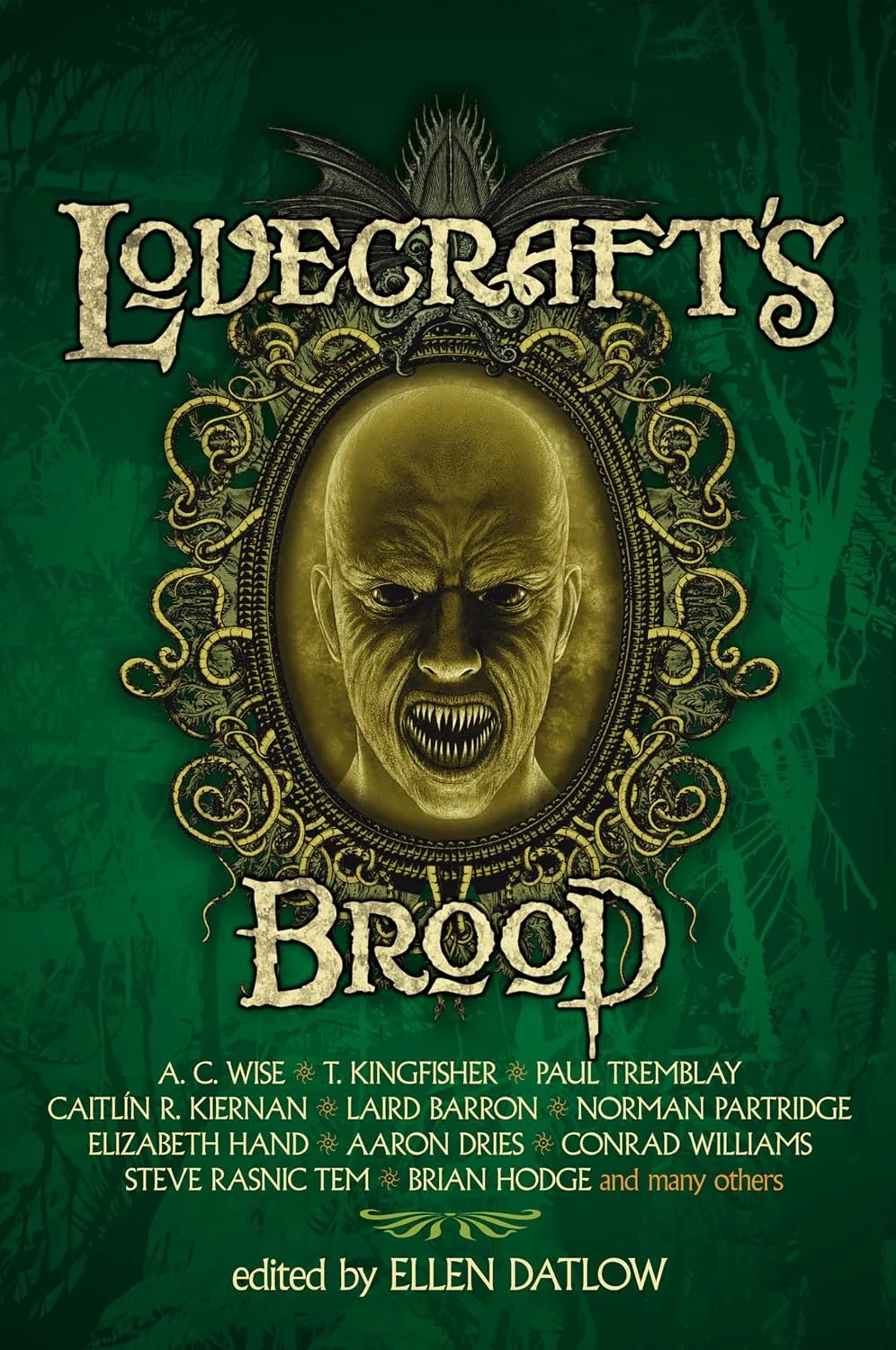
- Lovecraft’s Brood ed. by Ellen Datlow (Tachyon)
- The Language of Knives by Haralambi Markov (Mythic Delirium)
- The Best of All Possible Planets by Alex Shvartsman (UFO Publishing)
Supporting Data: Deep Dives into Key Titles
1. Reimagining History and Colonialism: The Game of Oaths
S.C. Bandreddi’s debut, The Game of Oaths, arrives in June as a cornerstone of the Young Adult (YA) historical dark fantasy market. Set in 1896 Paris, the novel centers on a magical circus where the spectacle masks a brutal reality: performers are bound by supernatural contracts and forced into a deadly tournament for the amusement of the elite.

Bandreddi uses this "circus of horrors" framework to explore the grim realities of colonialism and the commodification of diverse bodies. While the "deadly game" trope is a staple of YA, Bandreddi enriches the narrative by focusing on a protagonist driven by revenge rather than mere survival, offering a serious, mature take on historical injustice within a magical framework.
2. The Epic Conclusion: A City Dreaming
Maurice Broaddus concludes his ambitious Astra Black trilogy with A City Dreaming. Broaddus has long been a vital voice in Afro-futurism and political SF, and this finale promises to escalate the stakes for the Muungano Empire. The plot hinges on a signal emanating from a mysterious wormhole, a catalyst that threatens to destabilize the solar system. The trilogy has been praised for its complex mix of high-stakes action and intricate political maneuvering, reflecting real-world tensions regarding sovereignty and technological advancement.

3. The Evolution of Cosmic Horror: Lovecraft’s Brood
Edited by the legendary Ellen Datlow, Lovecraft’s Brood (July) curates 19 tales of cosmic dread published over the last two decades. Datlow’s selection process highlights the "New Cthulhu" movement—authors who take the atmospheric dread of H.P. Lovecraft while discarding his problematic biases. With contributors like Caitlin R. Kiernan, Paul Tremblay, and T. Kingfisher, the anthology serves as a definitive roadmap of how horror has evolved to address modern existential fears.
4. Literary Mashups: Mercutio
Kate Heartfield, known for her meticulous historical fantasies, takes on Shakespeare in Mercutio. This "prequel" to Romeo and Juliet reimagines Romeo’s doomed, witty friend as a defender of the realm. In a bold narrative choice, Heartfield teams Mercutio with the historical Dante Alighieri to repel a Faerie invasion. This blend of Elizabethan drama, medieval theology, and high fantasy represents a growing trend of "literary reclamation," where side characters are given agency and magical depth.

5. Near-Future Ethics: The Hospital at the End of the World
Justin C. Key’s February release is perhaps the most "urgent" SF novel on the list. The Hospital at the End of the World depicts a world where healthcare is entirely algorithmic. The protagonist, Pok, is a medical student forced into the last "human-run" hospital. Critic Ian Mond notes that the book explores the transformation of doctors into "glorified software engineers," a direct commentary on the current integration of AI in diagnostic medicine and the potential loss of the "human touch" in caregiving.
6. The Satirical Lens: The Best of All Possible Planets
Alex Shvartsman offers a lighter, though no less pointed, contribution with The Best of All Possible Planets. Drawing inspiration from Voltaire’s Candide and Douglas Adams’ Hitchhiker’s Guide to the Galaxy, the novel follows a group attempting to secure a protective shield for "Planet Dirt." Critic Adrienne Martini describes it as a "breezy read" packed with Easter eggs for genre fans, proving that space opera remains a fertile ground for social satire.

Official Responses and Critical Context
The reception of these upcoming works highlights a shift in critical expectations. Reviewers are increasingly looking for "substance behind the spectacle."
On AI and Humanity:
In his assessment of Justin C. Key’s work, Ian Mond highlights the "near-future" anxiety that resonates with contemporary readers. The official consensus suggests that Key’s novel will be a touchstone for discussions regarding the ethics of automation in essential services.

On the "Breezy" vs. the "Brutal":
Adrienne Martini’s response to Alex Shvartsman’s satire emphasizes the need for "escapism with a brain." While the book is satirical, its roots in Enlightenment-era philosophy (Voltaire) provide a sturdy intellectual backbone that elevates it above standard parody.
On the Short Story Renaissance:
The simultaneous release of anthologies from Allan Kaster and Ellen Datlow, alongside Haralambi Markov’s first collection (The Language of Knives), indicates a resurgence of interest in the short form. Markov’s work, which blends Slavic myth with queer identity, has been welcomed by industry veterans like Ann VanderMeer, who provided the introduction. This "official" backing from established editors suggests that Markov is viewed as a major new voice in the "New Weird" movement.

Implications for the Future of Speculative Fiction
The 2026 slate reveals several critical trajectories for the publishing industry:
The Institutionalization of the "Best Of"
The release of The Best of Adrian Tchaikovsky by Subterranean Press is a significant marker. Tchaikovsky has become one of the most prolific writers of the 21st century. By curating 37 stories—and notably excluding his more famous series work to focus on "weirdness"—this collection attempts to define Tchaikovsky’s legacy not just as a novelist, but as a formalist who experiments with the short form. The introduction by John Scalzi further cements this as a "prestige" release, signaling that the industry is ready to canonize the leaders of the post-2010 SF boom.

Diversity as a Narrative Engine
Titles like Jen St. Jude’s Where You’ll Find Us and Haralambi Markov’s The Language of Knives demonstrate that queer identity and non-Western folklore are no longer "niche" elements. They are central to the narrative engines of modern fantasy. St. Jude’s use of a "farmhouse out of time" as a sanctuary for queer youth across decades utilizes a classic fantasy trope (the pocket dimension) to explore the specific historical trauma and resilience of the LGBTQ+ community.
Hard SF and Scientific Literacy
Allan Kaster’s The Year’s Top Hard Science Fiction Stories 10 continues to serve as a barometer for scientific literacy in the genre. With contributors like Peter Watts (a biologist) and Nancy Kress (known for her work on genetics), the anthology reinforces the idea that Hard SF remains a vital space for "speculative futurology," where the science is as rigorous as the storytelling.

Conclusion
As we move toward the mid-2020s, the speculative fiction genre appears to be in a state of high-functioning synthesis. It is successfully merging the commercial appeal of YA and Space Opera with the intellectual rigor of historical critique and ethical inquiry. The 2026 season, as evidenced by these ten titles, will likely be remembered as a year where the "game of oaths"—the promises made between authors and readers to explore the unknown—reached a new level of complexity and brilliance.
Readers are encouraged to support the continued documentation of these literary shifts. Platforms like Locus Magazine remain essential for tracking these developments, providing the critical infrastructure that allows the speculative community to thrive.