The Descent into Lycanthropy: Robert Eggers Unveils His Darkest Vision Yet with ‘Werwulf’
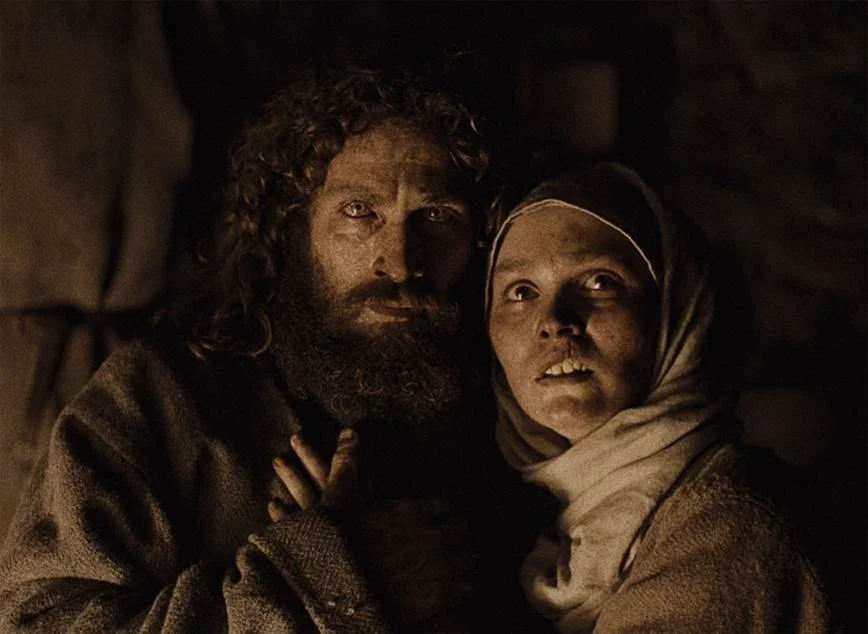
As the crisp air of autumn settles in and the cinematic landscape prepares for the traditional onslaught of holiday blockbusters, one of modern cinema’s most uncompromising auteurs is preparing to subvert the festive season with a plunge into medieval terror. Robert Eggers, the visionary director who redefined period horror with The Witch and The Lighthouse, is set to return to theaters this December with Werwulf.
The film, a brutal exploration of the lycanthrope mythos set against the backdrop of 13th-century England, marks a significant milestone in Eggers’ career. Produced by Focus Features, Werwulf promises to combine the director’s trademark obsession with historical authenticity with a visceral, primal narrative that Eggers himself has described as the "darkest" work he has ever produced. Following the success of The Northman and his highly anticipated reimagining of Nosferatu, Eggers appears to be completing an unofficial trilogy of legendary monsters, bringing his singular Gothic sensibilities to the legend of the werewolf.
Main Facts: A New Chapter in Gothic Horror
Scheduled for a wide release on Friday, December 25, Werwulf is positioned as the definitive counter-programming to the standard holiday fare. The film stars Aaron Taylor-Johnson in the titular role, portraying a man in a remote English village whose life—and soul—are torn asunder by a terrifying curse. Taylor-Johnson is joined by a cast that includes frequent Eggers collaborator Willem Dafoe and Lily-Rose Depp, both of whom are expected to deliver the high-intensity, period-accurate performances that have become a hallmark of the director’s filmography.
The production is a reunion of sorts for the creative team behind Eggers’ previous successes. The screenplay was co-written by Eggers and the acclaimed Icelandic poet and novelist Sjón, who previously collaborated with the director on the Viking epic The Northman. The producing team features industry heavyweights including Chris Columbus, Eleanor Columbus, Bernard Bellew, Tim Bevan, Eric Fellner, and Garrett Bird.
Focus Features, the studio behind the release, has recently ramped up its promotional efforts, releasing a second trailer that provides a more comprehensive look at the film’s atmosphere. While specific plot details are being guarded with the secrecy typical of an Eggers production, the official synopsis describes the film as "a harrowing tale of devotion, damnation, and the devil within."
Chronology: From CinemaCon to the Harvest Moon
The road to Werwulf began in earnest earlier this year when Focus Features teased the project at CinemaCon, showing early footage to a select group of exhibitors and industry insiders. The reaction was immediate, with many noting the film’s oppressive atmosphere and the startling physical transformation of Aaron Taylor-Johnson.
Following the initial teaser, the studio released the first official trailer, which established the 13th-century setting and the film’s grim aesthetic. However, it was the recent event on the Universal lot—a conversation moderated by Focus Features chairman Peter Kujawski—that truly set the stage for the film’s release. During this discussion, Eggers elaborated on the intellectual and historical foundations of the project, explaining how his research into medieval folklore informed the "primal" nature of the story.

The marketing campaign entered a new, interactive phase with the launch of an Alternate Reality Game (ARG) tied to the lunar cycle. On the day of the Harvest Moon, the studio went live with "DevourethAllMankynde.com," a digital experience that tasks fans with solving scavenger hunts and deciphering codes. This interactive element will continue over the next three months, with new challenges appearing on each full moon leading up to the film’s Christmas Day premiere.
Supporting Data: The Architecture of Medieval Terror
For Robert Eggers, "period-appropriate" is not merely a stylistic choice; it is a fundamental philosophy. Werwulf continues the director’s tradition of rigorous historical research. While The Witch utilized 17th-century New England dialects and The Lighthouse drew from 19th-century maritime journals, Werwulf delves into the High Middle Ages.
Production Design and Language
Industry insiders suggest that the production design for Werwulf involved the construction of a period-accurate 13th-century hamlet, utilizing traditional building techniques to ensure that every frame feels lived-in and authentic. The language, too, is expected to reflect the era, with Sjón and Eggers likely employing a stylized version of Middle English or archaic regional dialects to further immerse the audience in a world where the supernatural was viewed as a tangible, everyday threat.
The Evolution of the Werewolf Myth
Unlike the Hollywood "Wolfman" of the 1940s or the action-oriented lycanthropes of the 21st century, Eggers’ werewolf is rooted in the "historical werewolf." During the Middle Ages, reports of lycanthropy were often tied to extreme social taboos—cannibalism, serial murder, and madness. The film seeks to recapture the genuine horror of a community confronted by a neighbor who has seemingly transcended humanity to become something "other."
Official Responses: Eggers on the "Darkness" of the Project
In his conversation with Peter Kujawski, Robert Eggers was candid about the creative pressures he felt following the completion of Nosferatu. He described a conscious effort to push his boundaries as a storyteller, specifically aiming to craft a narrative that was "unbearably dark."
"You’re always trying to push yourself and challenge yourself and bite off more than you can chew so you can get better," Eggers remarked. "And after Nosferatu, I kind of said, ‘Let me try to write the scariest thing I can write.’ I don’t know that I did that, but I definitely wrote the darkest thing."
Eggers further explained that the choice of a werewolf story was a natural progression of his interest in the extremes of human behavior. "It was clear to me that it was going to be a werewolf movie because the historical werewolves that I had read about… they were doing things that were so taboo and hard for anyone to wrap their mind around because it was so extreme that the culture that they existed in said, ‘You can’t be a human, you must be a werewolf.’"

This psychological approach to the monster suggests that Werwulf will focus less on the mechanics of a "creature feature" and more on the existential horror of a man losing his humanity to a primal, uncontrollable force.
Implications: A Strategic Partnership and the Future of Auteur Horror
The release of Werwulf carries significant implications for both Robert Eggers and Focus Features. For the studio, the project represents a deepening of their relationship with one of the most respected directors in the industry. It has already been confirmed that Focus will reteam with Eggers for his next project: a highly anticipated adaptation of William Shakespeare’s Romeo & Juliet.
The "Elevated Horror" Market
The decision to release a harrowing, dark horror film on Christmas Day is a bold strategic move. While the holiday season is typically reserved for family-friendly fare or prestige dramas vying for Academy Award nominations, there is a growing market for "elevated horror"—films that prioritize atmosphere, psychological depth, and directorial vision over jump scares. Following the commercial success of The Northman, Werwulf is expected to perform well among cinephiles and horror enthusiasts who have grown weary of more conventional genre offerings.
The Role of Interactive Marketing
The "DevourethAllMankynde" ARG signifies a shift in how studios market auteur-driven films. By engaging the audience in a multi-month scavenger hunt tied to the lunar cycle, Focus Features is building a "cult" following before the film even hits theaters. This type of world-building encourages deep engagement and community discussion, which is vital for a film that relies on atmosphere and mystery.
Cinematic Legacy
If Werwulf succeeds in capturing the "primal subject matter" Eggers describes, it could solidify his place as the preeminent director of the modern Gothic. By reclaiming the werewolf from the realm of camp and action, Eggers is attempting to restore the monster to its original status as a symbol of the darkest corners of the human psyche.
As the December 25 release date approaches, the anticipation for Werwulf continues to mount. Between the pedigree of its cast, the uncompromising vision of its director, and a marketing campaign that bridges the gap between the 13th and 21st centuries, the film is poised to be one of the most talked-about cinematic events of the year. For those brave enough to step into Eggers’ 13th-century village, the holidays may never look the same again.