Splatoon Raiders: A Bold, Yet Familiar, Dive into the Single-Player Ink
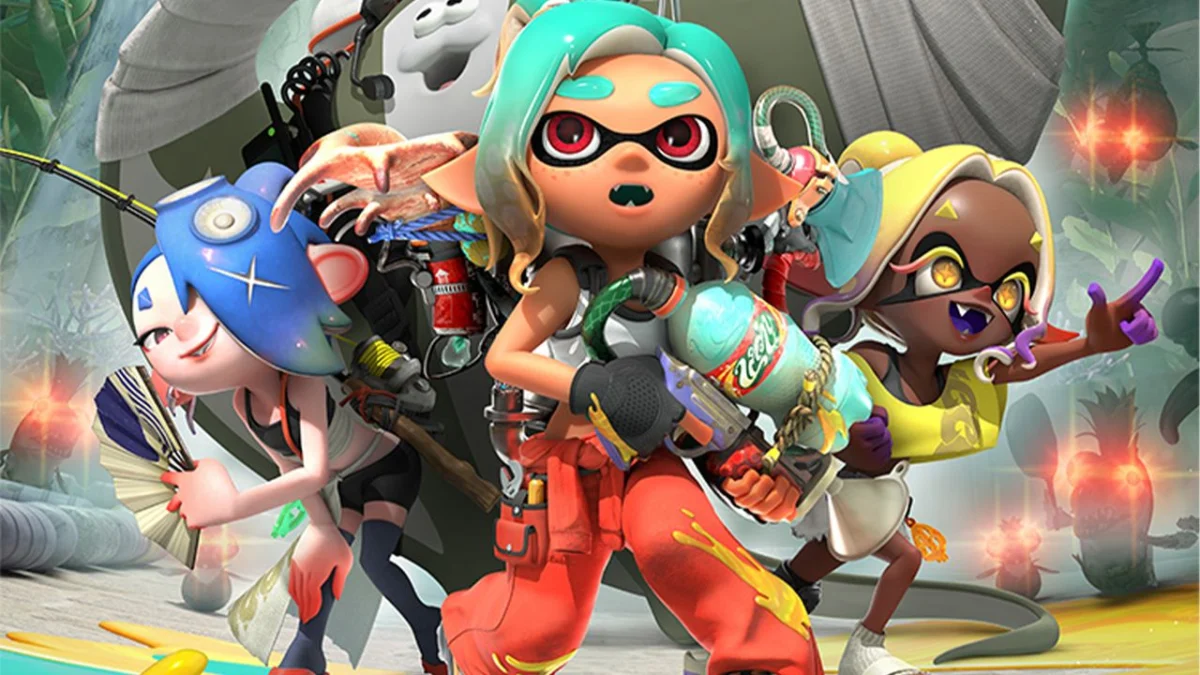
Nintendo’s beloved ink-splattering shooter franchise, Splatoon, takes a significant leap into uncharted territory with its first dedicated single-player spin-off, Splatoon Raiders. While the core gameplay loop remains undeniably fresh, this ambitious experiment leverages familiar elements in novel ways, offering a substantial yet occasionally slight experience that aims to please both seasoned fans and newcomers seeking a richer solo adventure. However, like a hastily assembled outfit from last season’s trends, Splatoon Raiders sometimes feels like it’s been cobbled together, albeit with a degree of charm and innovation that keeps it afloat.
Splatoon Raiders arrives as a testament to Nintendo’s continued commitment to innovation within its established IPs. Despite the franchise now boasting over a decade of history, it continues to stand out in an industry often criticized for its reliance on sequels and remakes. While the mainline Splatoon games have largely adhered to the "if it ain’t broke, don’t fix it" philosophy, particularly concerning their multiplayer-centric design, it’s been the single-player components that have consistently showcased the series’ most daring and inventive moments. Splatoon Raiders, a standalone spin-off, boldly places this focus on solo exploration and combat at its forefront.
The Mechanic’s Journey: Unraveling the Spirhalite Islands
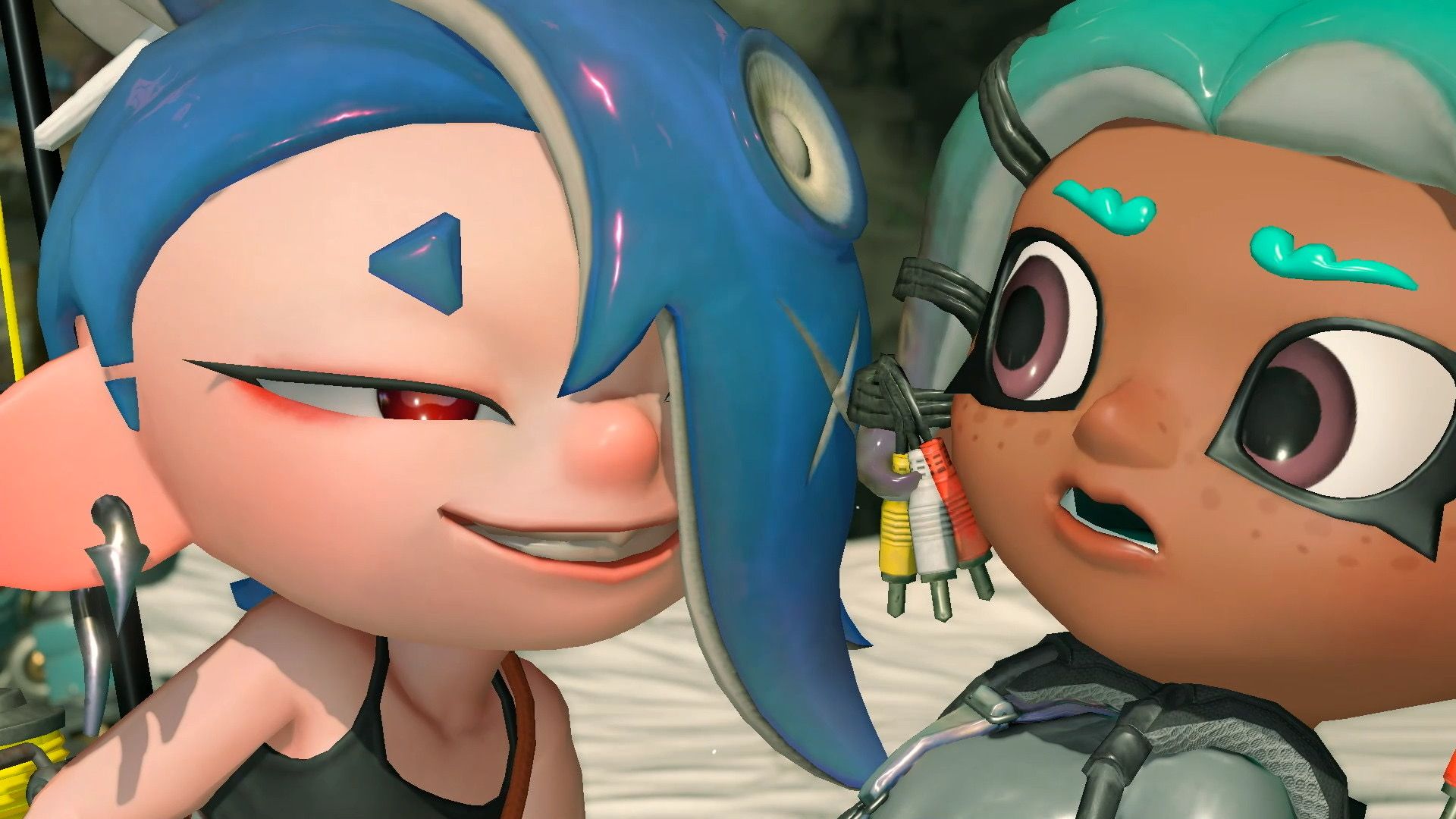
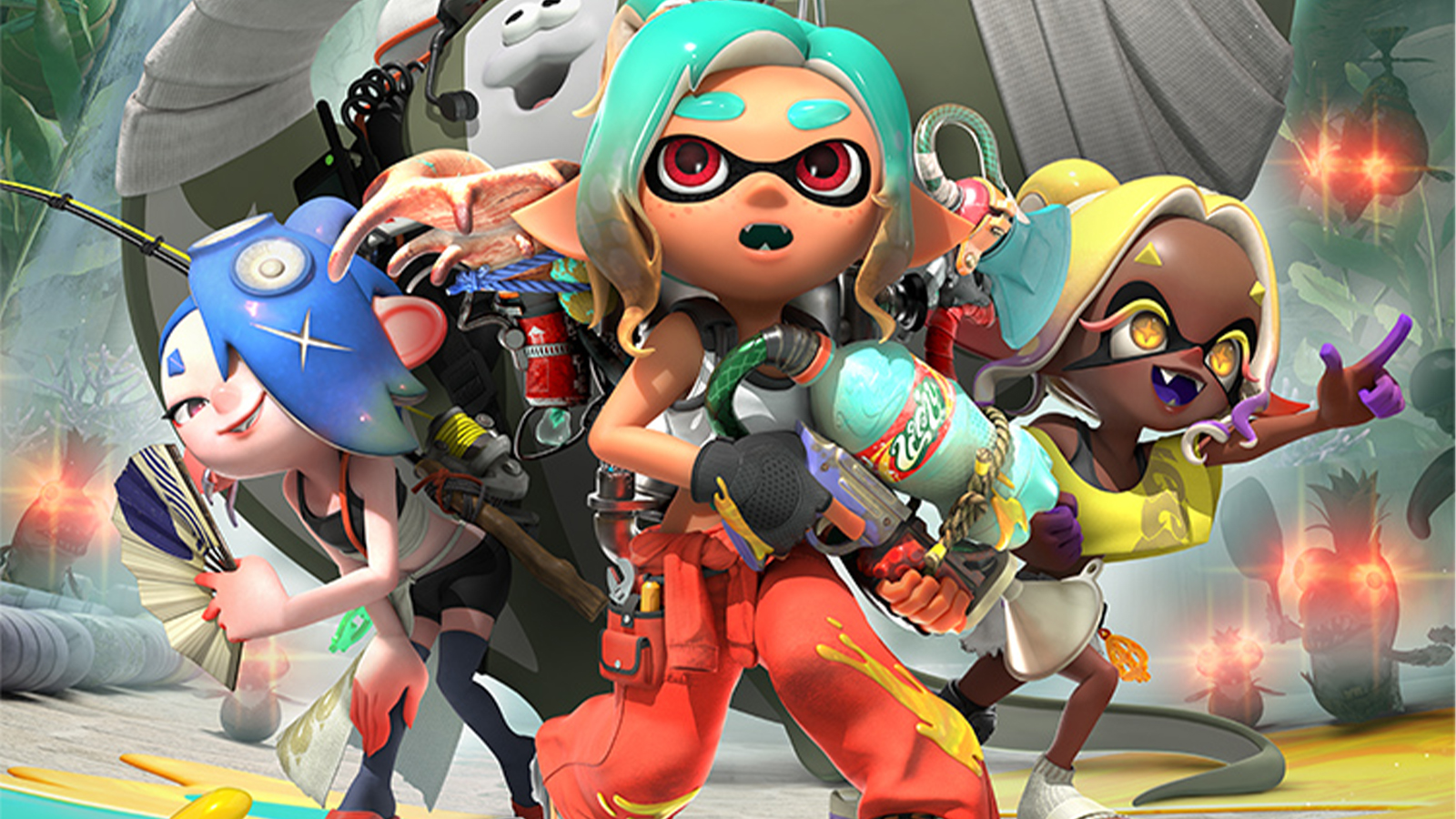
At its core, Splatoon Raiders presents a narrative centered around a new protagonist, identified only as the "Mechanic." This lone operative embarks on a journey across the enigmatic Spirhalite Islands, a mysterious archipelago teeming with secrets and challenges. Accompanying the Mechanic is a member of Splatoon 3’s popular three-piece band, Deep Cut, who pilots an advanced exploration bot. This partnership forms the backbone of the gameplay, blending the Mechanic’s combat prowess with the bot’s utility and the character’s distinct personality.
The mission structure within Splatoon Raiders is characterized by a pleasing snappiness. Players will encounter a variety of objectives, ranging from straightforward linear levels that guide them through distinct environments to more concentrated arenas that impose strict time limits. This varied approach to mission design ensures that the gameplay rarely becomes monotonous. However, a keen observer might notice a familiar echo of past Splatoon experiences, particularly the co-operative wave-based horde mode, Salmon Run. This familiarity stems from the presence of Salmonids as the primary adversaries, a choice that, while understandable, introduces a degree of repetition for long-time players.
Familiar Foes, Evolved Challenges
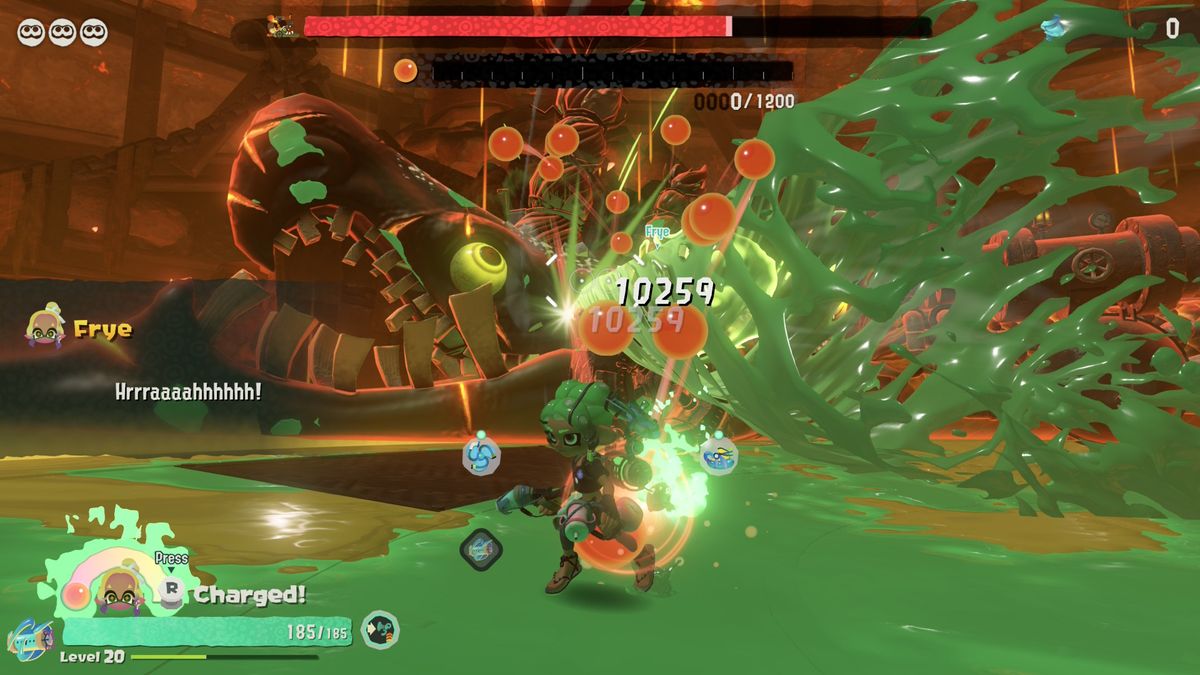
The roster of Salmonid enemies in Splatoon Raiders is impressively diverse, with a particular emphasis on Boss Salmonids. These formidable foes present unique combat puzzles that require strategic thinking and precise execution. Players will need to master the weaknesses of creatures like the long-stretching Steel Eels, whose vulnerable pilot is positioned at the rear, or the towering Stingers, which demand the systematic destruction of each of its layered defenses.
Despite this variety, many of these enemies will feel instantly recognizable to anyone who has spent time in Salmon Run. The introduction of a few new enemy types feels somewhat superficial, often amounting to little more than ink sponges that require sustained fire. Even some of the returning Boss Salmonids have been subtly re-engineered to accommodate the Mechanic’s limited arsenal. Crucially, the absence of bomb-based weaponry, a staple in previous Splatoon titles, necessitates a re-evaluation of familiar strategies, forcing players to adapt their approach to these adapted threats.
A Symphony of Recycled Parts: Innovation in Adaptation
At first glance, Splatoon Raiders might appear to be a collection of repurposed assets, almost as if it were designed as a cross-gen title rather than a definitive Switch 2 exclusive. The visual aesthetic, while vibrant, sometimes leans towards a less saturated palette than its mainline counterparts, which can lead to a feeling of diminished visual pop. However, beneath this surface of familiarity lies a surprisingly effective and innovative gameplay loop that transforms these recycled elements into something akin to a looter shooter.
While the game doesn’t introduce entirely new weapon types, the absence of traditional sub-weapons like bombs is compensated for by a robust ink tank system. This system allows players to equip three distinct "playstyles": speed, power, or tactical. Each tank fundamentally alters the Mechanic’s capabilities, offering a distinct approach to combat and traversal. The true depth emerges from the ability to equip up to three "gadgets" – cooldown-based abilities that effectively replace sub-weapons, but with the added advantage of extensive customization.
The game actively incentivizes players to experiment with different ink tanks for each mission, encouraging a dynamic and adaptable playstyle. For instance, the speed tank allows for rapid evasive maneuvers, enabling players to leap away from danger and unleash an ink explosion upon landing, or to deploy a zipwire for swift vertical ascent, even targeting airborne Salmonids.
Furthermore, the Mechanic’s exploration bot companion plays a crucial role beyond providing supplementary firepower. The bot can be utilized as a spring board, allowing for impressive leaps to reach higher ground or to escape encroaching hordes of Salmonids. While the bot itself may appear somewhat bland in design, its personality is amplified by the inclusion of one of the Deep Cut members – Shiver, Frye, or Big Man – who periodically unleash ultimate-style "showstoppers" once a dedicated gauge is filled. The synergy between deploying gadgets, unleashing showstoppers, and engaging in frenetic combat against swarms of Salmonids creates a screen-filling spectacle of chaos that would likely overwhelm the original Nintendo Switch. The satisfaction of emerging victorious, laden with a bounty of shiny loot, is a powerful motivator.
The Looter Shooter Loop: Base Building and Gadget Tinkering
Beyond the immediate thrill of combat, Splatoon Raiders incorporates a light RPG loop that adds significant substance to the experience. As players collect riches and relics, a notable touch being the discovery of fragmented trinkets that reveal their true nature upon finding accompanying pieces, they contribute to the gradual improvement of their home base. This base evolves to include more workshops and facilities, enhancing the Mechanic’s overall power and capabilities.
The most compelling aspect of this progression lies in the deep customization of the Mechanic’s gadgets. Each gadget features multiple slots, allowing players to equip various modifier parts that can fundamentally alter or enhance their properties. This intricate system of customization encourages players to meticulously optimize their builds for specific missions and playstyles, fostering a rewarding sense of player agency.
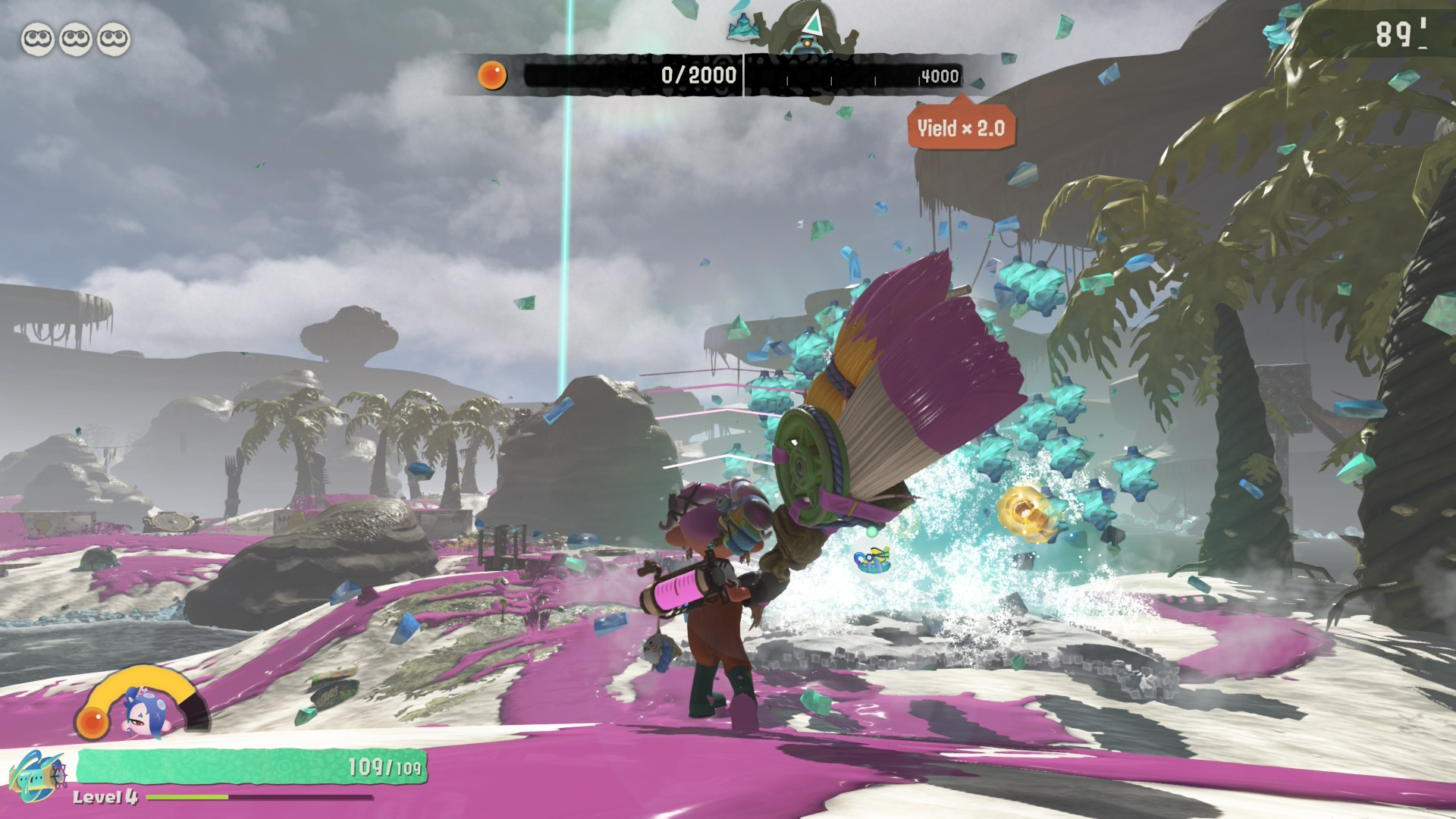
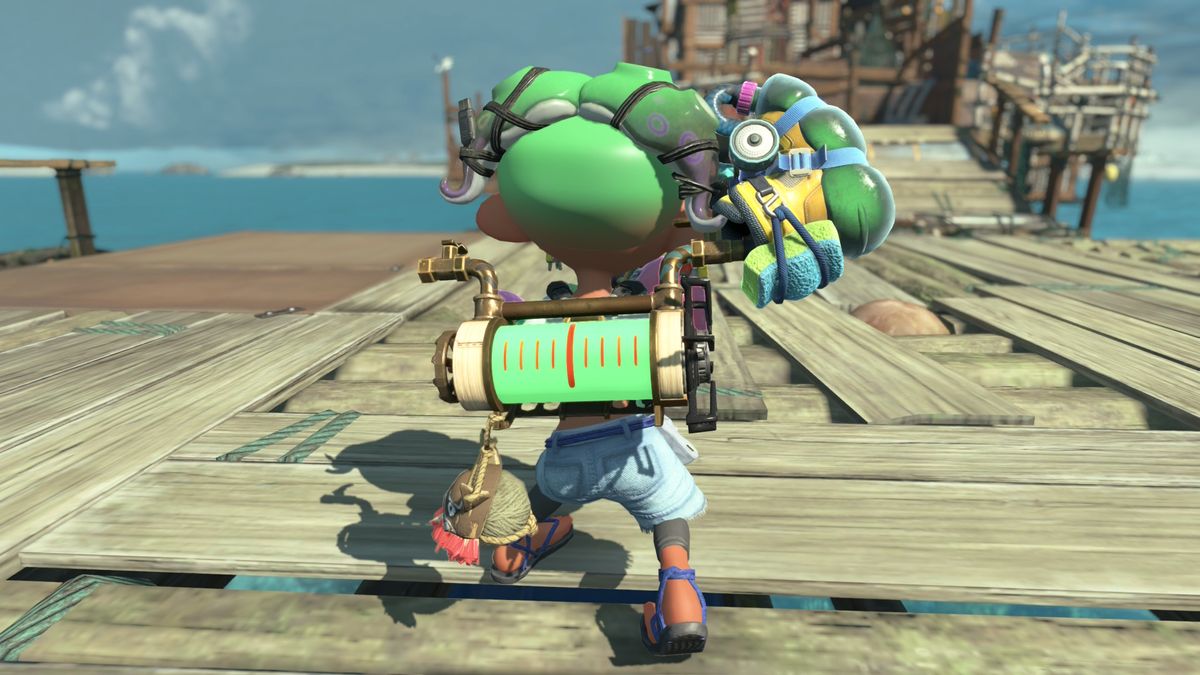
It is a minor disappointment that these gameplay-enhancing buffs are not tied to clothing, a mechanic present in the mainline series. The unlockable outfits in Splatoon Raiders are purely cosmetic and, in a game that already features a somewhat muted palette, can feel less vibrant than the bold fashion statements of its predecessors. However, this design choice allows for greater flexibility in tinkering with numerical stats, enabling players to fine-tune their builds for maximum efficacy in each mission.
The "numbers-go-up" approach, while effective, does present a potential hurdle: if players find themselves struggling in later missions, it’s often due to the enemies’ increased "sponginess" – their ability to absorb an excessive amount of damage. Even on the lowest difficulty setting, "Tourist," players may find themselves under-leveled unless they engage in mission repetition. However, the relatively short duration of most missions mitigates this potential grind, making it less arduous than in many other looter shooter titles. The inclusion of "spicier" versions of earlier missions also serves as a valuable tool to combat repetition and maintain player engagement.
Missed Opportunities: The Co-op Conundrum
Ironically, the element that could truly inject a new level of excitement into Splatoon Raiders is co-operative play. The prospect of multiple players, each with wildly different builds and gadget loadouts, collaborating on the battlefield is immensely appealing. However, the game presents peculiar limitations in this regard.
Beyond a basic "call for help" option, there is no built-in online matchmaking. Furthermore, utilizing this "call for help" feature restricts players from employing it in subsequent missions. The game also fails to leverage features like Nintendo’s GameShare, a missed opportunity for more casual shared experiences. While the intricate nature of custom builds might inherently make Splatoon Raiders a less casual affair, the potential for a local GameShare mode, where players could pool their accrued loot and gadgets to create impromptu builds, is tantalizing. This suggests that there is ample room for further refinement and expansion, should Splatoon Raiders prove successful enough to warrant a sequel.
Conclusion: A Promising, If Imperfect, New Direction
Splatoon Raiders represents a significant and largely successful experiment for Nintendo. It deftly transforms familiar elements into a compelling looter shooter experience, offering a substantial amount of content and a rewarding progression system. The deep gadget customization and the dynamic ink tank playstyles provide a fresh take on Splatoon’s combat, making it an appealing prospect for both dedicated fans and newcomers drawn to its unique charm.
While the game occasionally stumbles with its reliance on recycled enemy types and a somewhat limited approach to co-operative play, these drawbacks are largely overshadowed by its innovative core mechanics and the sheer fun of its chaotic, ink-filled battles. Splatoon Raiders is a testament to Nintendo’s ability to evolve its franchises, proving that even established IPs can find new life through bold, single-player-focused spin-offs. It’s a novel experiment that, despite its minor imperfections, charts a promising course for the future of the Splatoon universe.
Publisher: Nintendo
Developer: Nintendo EPD
Release Date: July 23, 2026
Format: Switch 2
Platform: In-house Proprietary
For:
- Innovative looter shooter mechanics blended with Splatoon’s core gameplay.
- Deep gadget customization and build variety.
- Engaging single-player campaign with varied mission structures.
- Appeals to both series veterans and newcomers.
- Robust progression system with base building elements.
Against:
- Reliance on familiar enemy types from Salmon Run.
- Limited co-operative and online matchmaking features.
- Cosmetic-only outfits, missing out on gameplay-tied customization.
- Occasional difficulty spikes due to enemy "sponginess."
- Visual palette can feel less vibrant than mainline titles at times.