
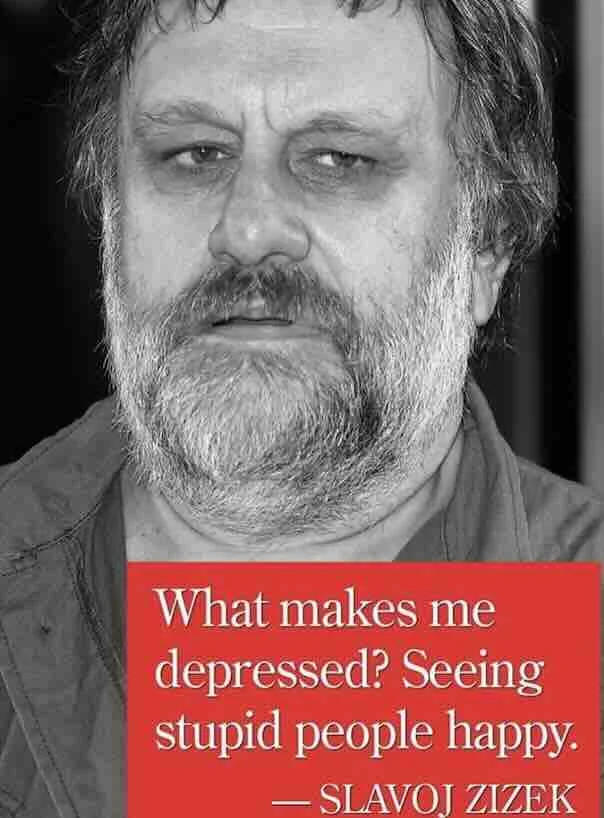
Main Facts: The Paradox of Intentional Failure Self-sabotage is traditionally viewed as a psychological glitch—a momentary lapse in judgment or a lack of willpower that prevents individuals from achieving their goals. However, a growing body of philosophical and psychoanalytic thought, championed by the Slovenian philosopher Slavoj Žižek, suggests
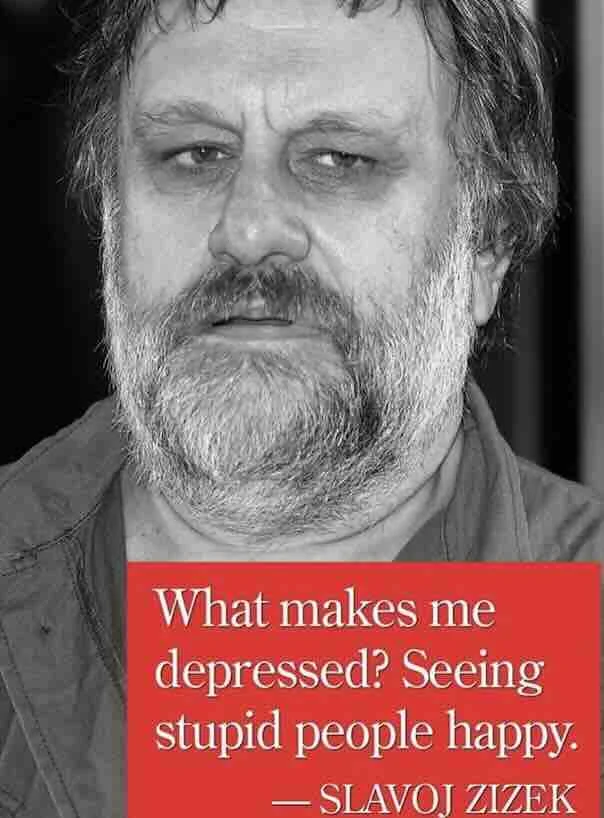
The Architecture of Self-Defeat: Exploring Slavoj Žižek’s Radical Critique of Self-Sabotage and the Modern Condition
The phenomenon of self-sabotage has long been a staple of clinical psychology and self-help literature, usually framed as a temporary lapse in judgment or a symptom of low self-esteem. However, a growing body of philosophical inquiry, led by the provocations of Slovenian philosopher Slavoj Žižek, suggests that our tendency to undermine our own prog
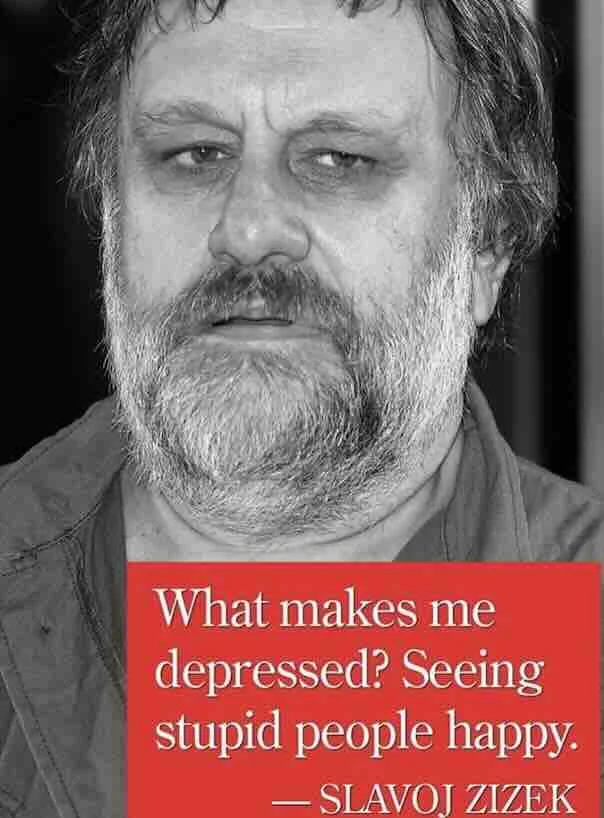
The Architecture of Self-Sabotage: Why Slavoj Žižek May Be the Key to Modern Productivity
Main Facts: The Paradox of Self-Obstruction In the landscape of modern self-improvement, the prevailing narrative suggests that humans are inherently rational actors striving for self-actualization. We are told that we are "good people" who have simply been derailed by external circumstances or minor psychological glitches. However, this
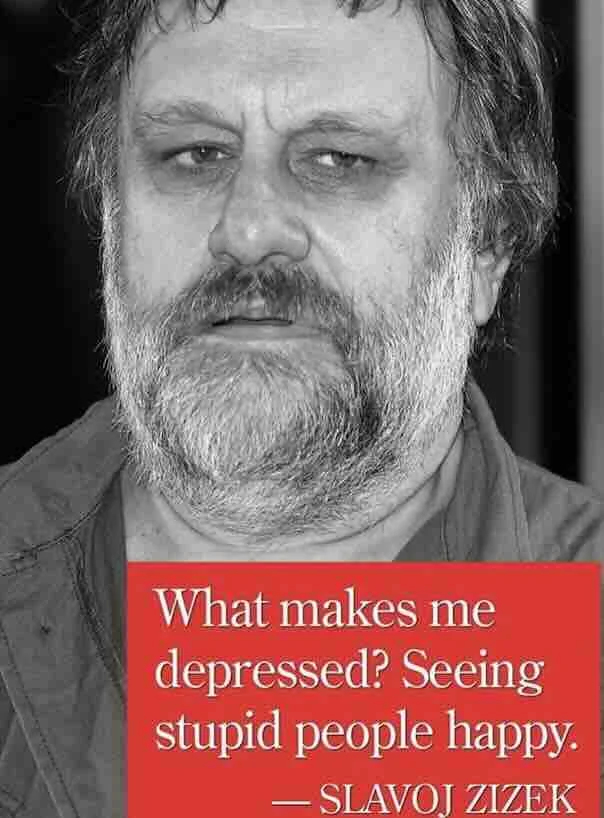
The Architecture of Self-Sabotage: Why We Secretly Choose Misery
Main Facts: The Hidden Economy of Self-Destruction In the realm of modern self-help, the prevailing narrative suggests that human beings are fundamentally rational actors striving toward self-actualization. When we fail, we are told it is due to a lack of willpower, external obstacles, or a "delay" in our journey toward our best selves. H
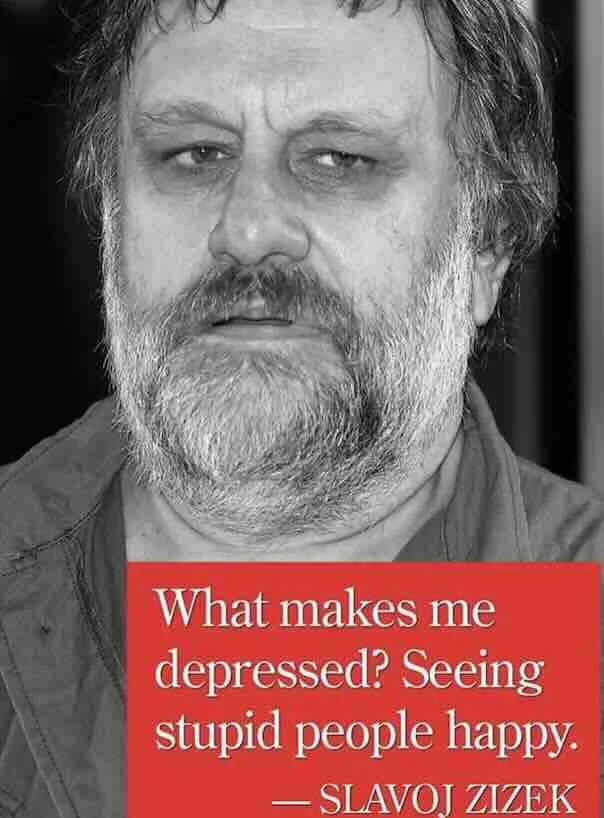
The Architecture of Failure: Why Contemporary Philosophy Views Self-Sabotage as a Secret Success
LJUBLJANA, SLOVENIA – In the landscape of modern self-improvement, the narrative is almost always one of linear progress: identify a goal, remove obstacles, and achieve self-actualization. However, a growing body of cultural critique, spearheaded by the provocative Slovenian philosopher Slavoj Žižek, suggests that this model is fundamentally flawed
