The 2026 Awards Circuit: A Definitive Guide to the Post-Festival Oscar Landscape
The curtains have fallen on the first decisive wave of the 2026 fall festival season. From the sun-drenched Lido in Venice to the high-altitude screenings of Telluride and the bustling streets of Toronto, the cinematic landscape has undergone a radical transformation. What was once a hazy field of speculative contenders has sharpened into a high-stakes race for the 99th Academy Awards.
As critics and Academy voters return from the festival circuit, a clear narrative is emerging: 2026 is the year where massive studio blockbusters and intimate, international epics are on a collision course for the industry’s highest honors. While early-year entries from Sundance and Cannes have fought to maintain their relevance, the momentum generated in September has fundamentally shifted the odds for Best Picture, Acting, and the Craft categories.
Main Facts: The Frontrunners and the Power Shift
At this pivotal juncture, the race for Best Picture is being dominated by two colossal 2026 blockbusters: Amazon MGM’s "Project Hail Mary" and Universal’s "The Odyssey." These films represent a return to the "prestige blockbuster"—movies that command massive box office potential while maintaining the narrative complexity required to woo the Academy.
Both films are not merely being discussed for the top prize; they are expected to dominate the technical "below-the-line" categories. Industry insiders suggest that "Project Hail Mary" and "The Odyssey" are currently the favorites for Best Cinematography, Best Production Design, Best Film Editing, and Best Sound. This dual-threat capability—commercial viability paired with technical mastery—places them in a rare echelon of contenders similar to past winners like Oppenheimer or Dune.

However, the "Specialty Cinema" sector remains vibrant. A24, a perennial Oscar powerhouse, has found its "MVP" in "The Invite," directed by Olivia Wilde. While it may not have reached the box office heights of fellow A24 stablemate "The Drama," its critical reception at Sundance and subsequent reassessment during the fall festivals have solidified it as a major player, particularly for its ensemble cast.
Chronology: From Park City to Toronto
The 2026 awards trajectory began in the snowy corridors of the Sundance Film Festival in January. It was here that "The Invite" and "The Only Living Pickpocket in New York" first captured the imaginations of critics. While Sundance films often struggle to survive the "summer slump," both titles managed to maintain a presence in the cultural conversation through tactical re-screenings and strong VOD performances.
In May, the Cannes Film Festival introduced the world to Jordan Firstman’s "Club Kid." Despite a polarizing initial reaction, the film has undergone a significant "stress test" over the summer, emerging as a crowd-pleaser with growing word-of-mouth that could propel it into a Best Picture slot.
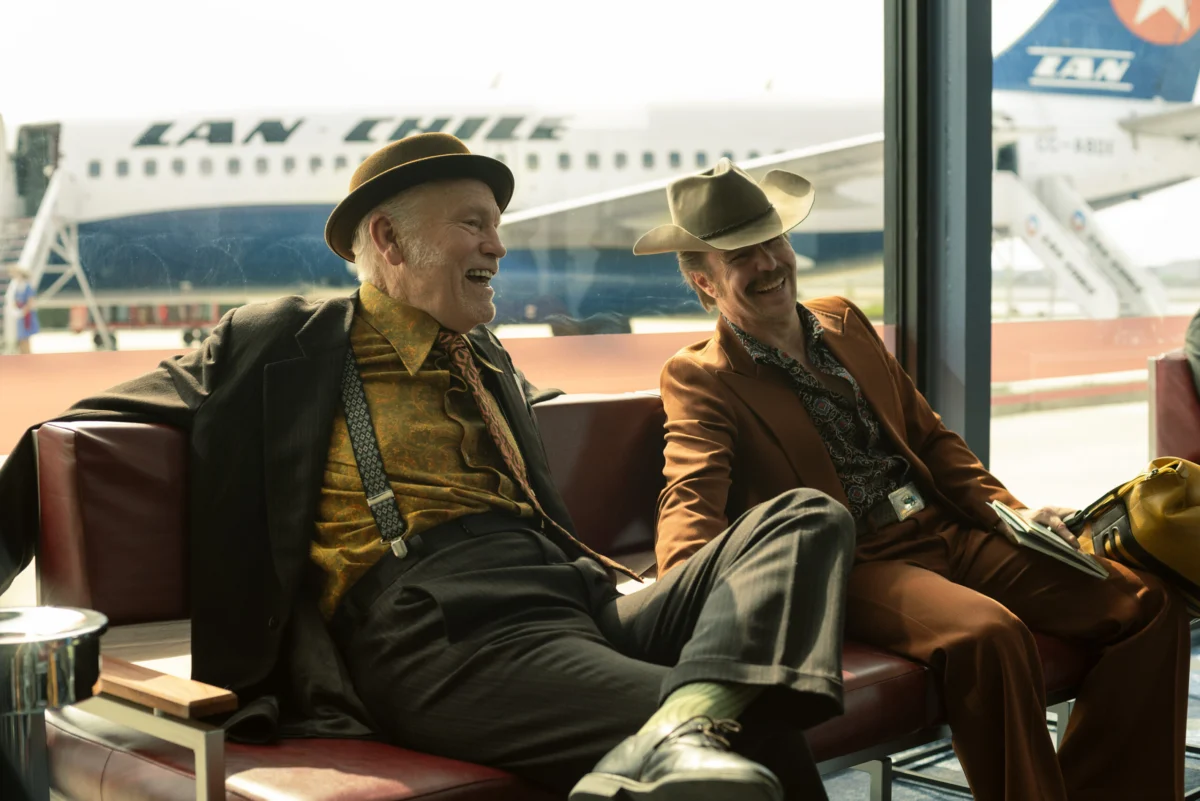
The real shift, however, occurred in late August and September. The Venice International Film Festival served as the launchpad for Martin McDonagh’s "Wild Horse Nine." McDonagh, a favorite of the Academy, saw his 1970s-set drama receive a rapturous reception, with lead John Malkovich securing the Volpi Cup for Best Actor.

Following Venice, the Telluride Film Festival acted as a refinement period. It was here that Mike Leigh’s "Tender Loving Care" and Jesse Eisenberg’s "The Debut" were pressure-tested. Leigh’s film, rumored to be his swan song, built immense goodwill among the "silver fox" demographic of the Academy.
Finally, the Toronto International Film Festival (TIFF) provided the definitive data point: the People’s Choice Award. Historically, the TIFF winner is a near-guarantee for a Best Picture nomination. This year, Netflix’s "La Bola Negra" took the top prize, instantly catapulting the Spanish entry into the frontrunner position not just for International Feature, but for the win in the general Best Picture category.
Supporting Data: Category Breakdowns
The Acting Races
The performance categories are currently defined by a mix of veteran "overdue" stars and incandescent newcomers.
- Best Actor: John Malkovich ("Wild Horse Nine") holds a slight edge following his Venice win. However, he faces stiff competition from Andrew Scott, whose portrayal of a dying actor in "Elsinore" has been described as "career-defining." Additionally, John Turturro’s turn in "The Only Living Pickpocket in New York" has emerged as a dark horse, benefiting from a "lifetime achievement" sentiment within the actors’ branch.
- Best Actress: Julianne Moore is a formidable frontrunner for "The Debut," seeking her second Oscar. Her primary challenger appears to be Kate O’Flynn for "Tender Loving Care," who is riding a wave of momentum following a recent Emmy win for Widow’s Bay.
- Best International Performance: Mathilde Arcel’s Volpi Cup win for "Woman Unknown" (Denmark) has put her on the map, though she faces the hurdle of a late-year distribution push.
International Feature Film
Spain’s "La Bola Negra" is the clear favorite. Directed by the duo known as "Los Javis" (Javier Ambrossi and Javier Calvo), the film’s scale and emotional resonance have drawn comparisons to the golden age of European epic filmmaking.

- The Challengers: South Korea’s "Possible Love," directed by Lee Chang-dong and backed by Netflix, is a major threat following its Grand Jury Prize win at Venice.
- The Faltering Favorites: Interestingly, Cannes d’Or winner "Fjord" (Romania) and Poland’s "Fatherland" have seen their buzz diminish during the fall festivals, proving that a spring victory does not always guarantee autumn momentum.
Documentary Feature
The documentary branch is facing a year of "controversial titans."
- "Musk": Alex Gibney’s four-hour deep dive into Elon Musk is a technical marvel but faces potential pushback due to its subject matter.
- "NAZA": Perhaps the most politically charged entry, this film follows IDF soldiers revealing war crimes. Having won the Special Jury Prize at Venice, it is on track for a nomination, though its path to a win will be fraught with industry debate.
- "Everest: The Other Side": National Geographic’s latest from Jimmy Chin and Chai Vasarhelyi offers the kind of breathtaking cinematography that usually guarantees a spot on the shortlist.
Official Responses and Industry Buzz
Studio strategies are now becoming apparent as the "campaign season" officially begins.
Netflix is reportedly pivoting its primary focus toward "La Bola Negra," recognizing that the film has a genuine chance to become only the second non-English language film to win Best Picture. Their marketing campaign is expected to emphasize the "Los Javis" vision and the film’s universal themes of heartbreak and redemption.
Amazon MGM is playing a dual hand. While they are pushing the technical prowess of "Project Hail Mary," they are also aggressively campaigning for "I Play Rocky," which finished as a runner-up for the TIFF People’s Choice Award. By positioning one as a "craft juggernaut" and the other as an "emotional underdog," they hope to secure multiple slots in the Best Picture ten.

Searchlight Pictures continues its "auteur-first" approach with Martin McDonagh. Following the success of The Banshees of Inisherin, Searchlight is positioning "Wild Horse Nine" as the sophisticated choice for voters who value screenplay and character over spectacle. Official statements from the studio have highlighted the 1970s Easter Island setting and Ben Davis’s cinematography as essential big-screen experiences.
Implications: What the 2026 Season Signals for the Academy
The 2026 festival season suggests several long-term shifts in the Academy’s voting habits.
First, the Best Casting category, a recent addition, is proving to be a kingmaker. Films like "La Bola Negra," "Being Heumann," and "Elsinore" are being lauded specifically for their world-building through ensemble choices. This category is no longer a "side prize" but a primary indicator of a film’s overall strength.
Second, the "Blockbuster/Prestige" divide is narrowing. In previous decades, a film like "Project Hail Mary" might have been relegated to the technical categories. In 2026, the Academy seems more willing to embrace high-concept science fiction and large-scale epics in the top categories, provided they are helmed by respected directors and feature high-caliber acting.

Finally, the geopolitical weight of the 2026 race cannot be ignored. With films like "NAZA" and "Minotaur" (a Russian-language film produced by a French team in Latvia) gaining traction, the Academy is increasingly becoming a forum for global political discourse.
As we move toward the winter critics’ awards, the "Big Three"—"Project Hail Mary," "The Odyssey," and "La Bola Negra"—remain the ones to beat. However, as history has shown, the stress test of the holiday release window can still produce surprises. For now, the 2026 Oscar race is a fascinating battle between the might of the Hollywood studio system and the rising tide of international auteurism.