The Apocalypse That Never Was: The Tragic History of Guillermo del Toro’s Hellboy III
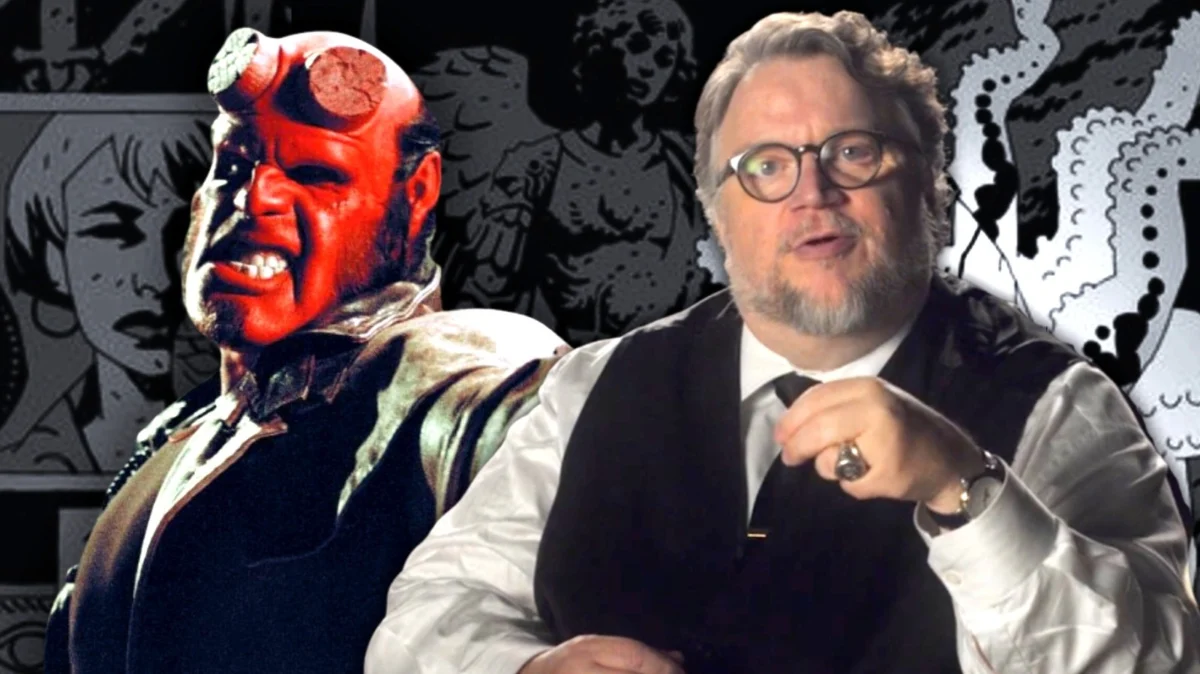
The history of cinema is littered with "lost" masterpieces—projects that existed in the fever dreams of visionary directors but never survived the gauntlet of studio politics and financial risk. Perhaps no unrealized project in the superhero genre carries as much emotional weight for fans as Guillermo del Toro’s Hellboy III.
As a conclusion to a trilogy that blended gothic horror, clockwork fantasy, and pulp action, the third installment was poised to be an operatic finale. However, despite the passion of its lead actor, Ron Perlman, and the burgeoning fame of its director, the project collapsed under the weight of its own ambition and a shifting Hollywood landscape.
Main Facts: The Vision for a Grand Finale
Guillermo del Toro’s Hellboy (2004) and Hellboy II: The Golden Army (2008) were not merely comic book adaptations; they were extensions of the director’s obsession with "monstrous outsiders." While Mike Mignola’s original comics were often stoic, minimalist, and steeped in folklore, del Toro infused the films with a maximalist romanticism.
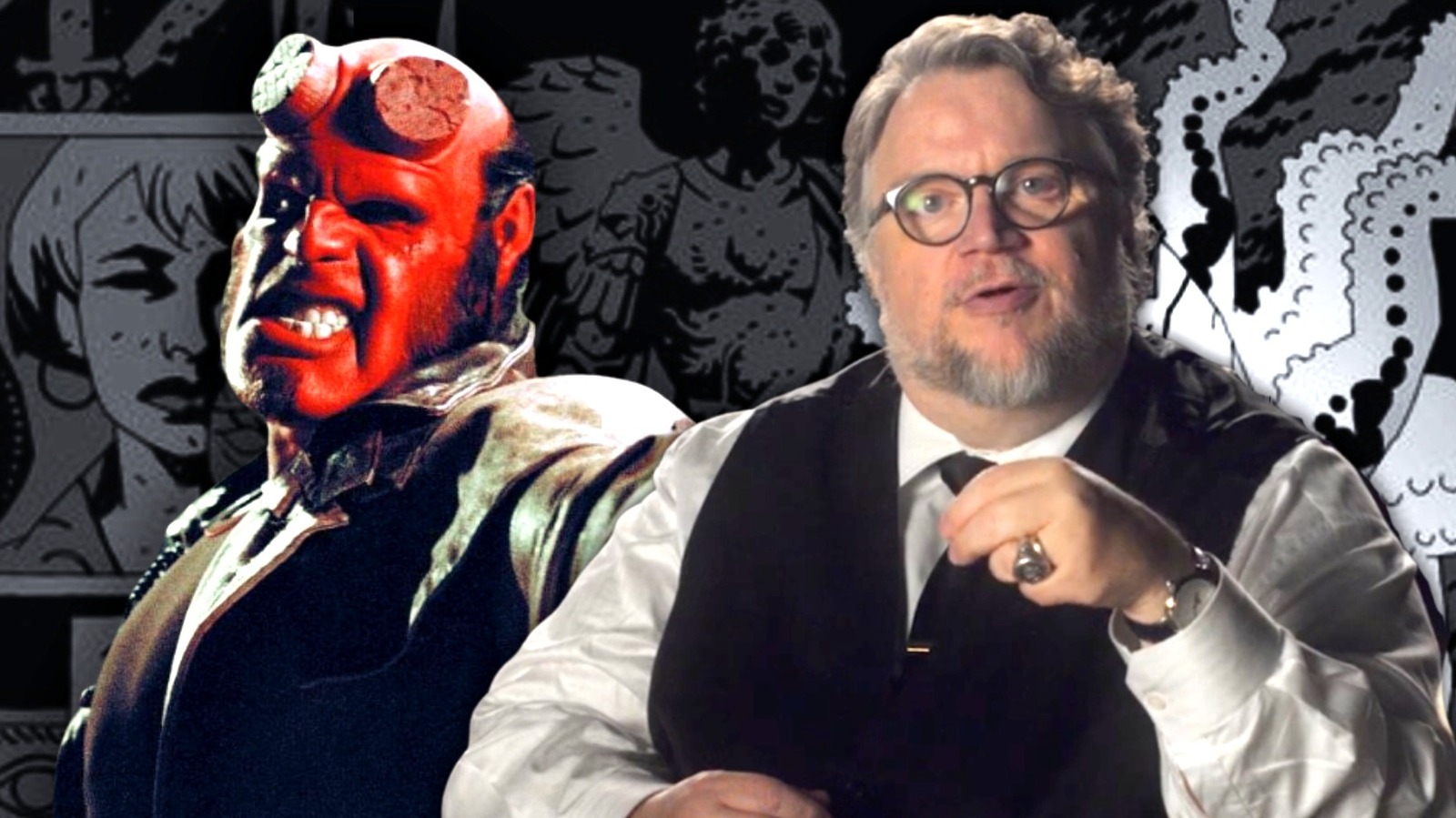
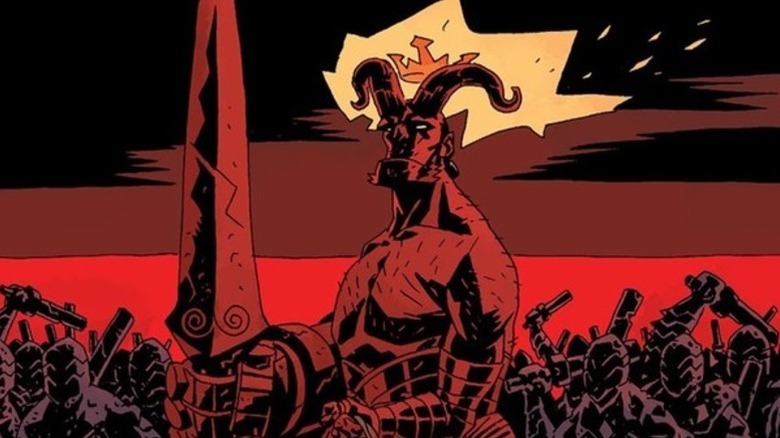
The core premise of Hellboy III was designed to bring the title character’s internal conflict to a definitive, biblical head. Having spent two films running away from his destiny as Anung Un Rama—the Beast of the Apocalypse—Hellboy was finally going to have to embrace his dark nature to save humanity.
The Plot That Could Have Been
According to various interviews with del Toro and Perlman over the years, the third film would have focused on several key narrative pillars:
- The Beast Unleashed: Hellboy would have finally fulfilled the prophecy of the "Seed of Destruction." To defeat a foe more powerful than any he had faced before, he would have been forced to become the very monster he feared, leading an army of the underworld.
- The Zinco Connection: Picking up from a scrapped post-credits scene in The Golden Army, the film would have seen the return of the Nazi cyborg Kroenen and a ghostly Rasputin, funded by the billionaire Roderick Zinco. Del Toro described this as having an "Indiana Jones and the Last Crusade" energy, with high-stakes villainy and historical occultism.
- The Twins: The ending of Hellboy II revealed that Liz Sherman (Selma Blair) was pregnant with twins. Del Toro’s plan for these children was characteristically subversive: one would look human but be inherently evil, while the other would look like a demon but possess a heart of gold.
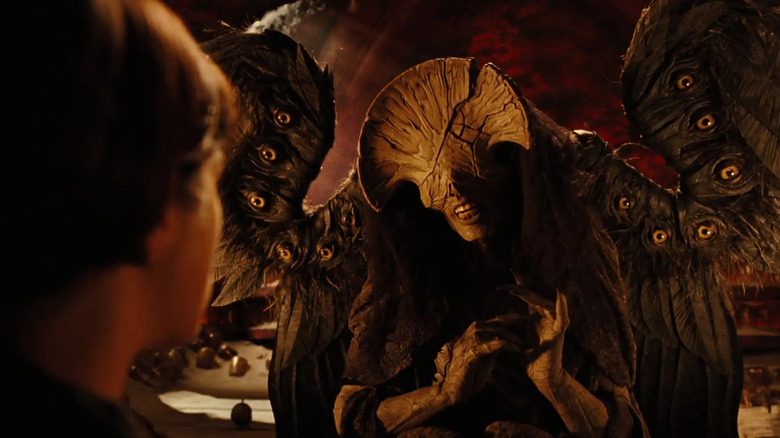
- The Ultimate Sacrifice: The Angel of Death’s prophecy from the second film—that Hellboy would eventually bring about the end of the world—was to be the central tragedy. The film was intended to be a "bittersweet" conclusion where the hero saves the world by effectively ending his own place within it.
Chronology: A Decade of Hope and Decline
The journey of Hellboy III is a timeline of escalating ambition met with increasing industrial resistance.
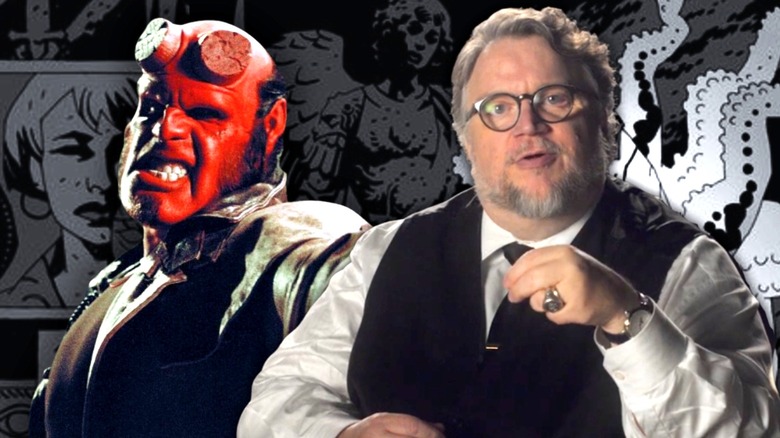
- 2004–2008: The first Hellboy is released by Columbia Pictures. It performs modestly but finds a massive second life on DVD. This success prompts Universal Pictures to pick up the sequel. Hellboy II: The Golden Army is released to critical acclaim, but its box office is hampered by opening just one week before Christopher Nolan’s The Dark Knight.
- 2008–2012: Del Toro remains optimistic. However, his schedule becomes packed with high-profile projects, including a multi-year commitment to The Hobbit (which he eventually left) and Pacific Rim. During this time, the "middle-budget" movie begins to disappear from Hollywood.
- 2014–2015: Ron Perlman begins a public campaign on social media to generate interest. Del Toro joins in, stating that the film would require a budget of approximately $120 million to realize his vision of the apocalypse.
- 2017: The definitive end. Del Toro conducts a Twitter poll to gauge interest, promising a meeting with Mike Mignola and Perlman if it hits a certain threshold. The poll is a resounding success, but after the meeting, del Toro tweets the crushing news: "Must report that 100% the sequel will not happen. And that is to be the final thing about it."
- 2019–2024: The franchise is rebooted twice—first with David Harbour in a gore-heavy 2019 film, and again in 2024 with the lower-budget Hellboy: The Crooked Man. Neither manages to capture the cultural zeitgeist or the critical warmth of the del Toro era.
Supporting Data: The Financial Wall
To understand why Hellboy III failed, one must look at the cold mathematics of the film industry in the 2010s.
The first Hellboy cost $66 million and grossed $99 million worldwide. In the early 2000s, this was acceptable because the home video market was a goldmine; the film sold millions of DVDs, making it highly profitable in the long run. Hellboy II had a larger budget of $85 million and grossed $178 million. While an improvement, it was not the "blockbuster" status that modern studios required for a massive investment.
By 2015, the DVD market had collapsed, replaced by streaming services that offered lower immediate margins for studios. Del Toro’s requested $120 million budget for Hellboy III was a non-starter for Universal. Without the safety net of physical media sales, a $120 million film would need to gross at least $300–$400 million just to break even after marketing costs—a figure neither of the previous films had come close to touching.
Furthermore, the rise of the Marvel Cinematic Universe (MCU) changed the "flavor" of superhero films. Studios became interested in interconnected universes and "four-quadrant" family-friendly hits. Del Toro’s weird, gothic, and increasingly dark vision for a "Beast of the Apocalypse" didn’t fit the standardized mold of the 2010s superhero boom.
Official Responses: Heartbreak and Creative Friction
The reactions from the three pillars of the franchise—del Toro, Perlman, and Mignola—reveal a complex mixture of sadness and creative divergence.
Guillermo del Toro has remained "heartbroken" over the project’s demise. He often cites it as the one that got away, noting that he wanted to give the fans a proper ending to the "contract" he signed with them in 2004. For del Toro, the film was a chance to explore the "beauty of the monster" on its grandest scale.

Ron Perlman has been the most vocal advocate. Even at 75 years old, Perlman has stated he would return to the makeup chair—a grueling four-hour process—because he believes the audience "is owed" a conclusion. In a 2026 podcast appearance, he lamented that the "creatives moved on," and while he doesn’t enjoy the physicality of the role anymore, his loyalty to the character remains unshakable.
Mike Mignola, however, offers a different perspective. In the documentary Mike Mignola: Drawing Monsters, the creator admitted that his relationship with del Toro changed during the production of the second film. Mignola felt he "lost all the battles" on Hellboy II, as del Toro moved further away from the source material to create his own "fairy tale" version of the world. Mignola eventually vetoed the idea of a Hellboy III comic book, wanting to keep his original literary creation separate from del Toro’s cinematic universe. This creative friction, while professional, likely contributed to the lack of a unified front needed to pressure studios into greenlighting a third film.
Implications: The Legacy of a Fragmented Franchise
The failure to produce Hellboy III has had lasting implications for the character and the genre. The subsequent reboots have struggled to find an identity. The 2019 film attempted to be more "faithful" to the comics’ violence but lacked del Toro’s soul and visual cohesion. The 2024 film, The Crooked Man, pivoted to folk-horror, but its shoestring budget prevented it from achieving the epic scope fans had come to expect.
The tragedy of the unmade third film highlights a specific era of filmmaking that is now largely extinct: the high-budget, auteur-driven "weird" blockbuster. Today, films are either massive $200 million franchise anchors or $20 million indie darlings. The "middle-tier" epic, which Hellboy occupied, has been swallowed by the gap.
Ultimately, Hellboy III exists as a ghost in the halls of cinema history. It remains a testament to Guillermo del Toro’s unique ability to find humanity in the grotesque and a reminder that in Hollywood, even the most beloved monsters can be defeated by a balance sheet. While fans may never see Ron Perlman’s Hellboy lead an army against the apocalypse, the two existing films remain a high-water mark for the genre—a duology that, while incomplete, offers more imagination in its two entries than many franchises manage in ten.