The Architect of Gilead Sounds the Alarm: Margaret Atwood on the Systematic Erasure of Dissent
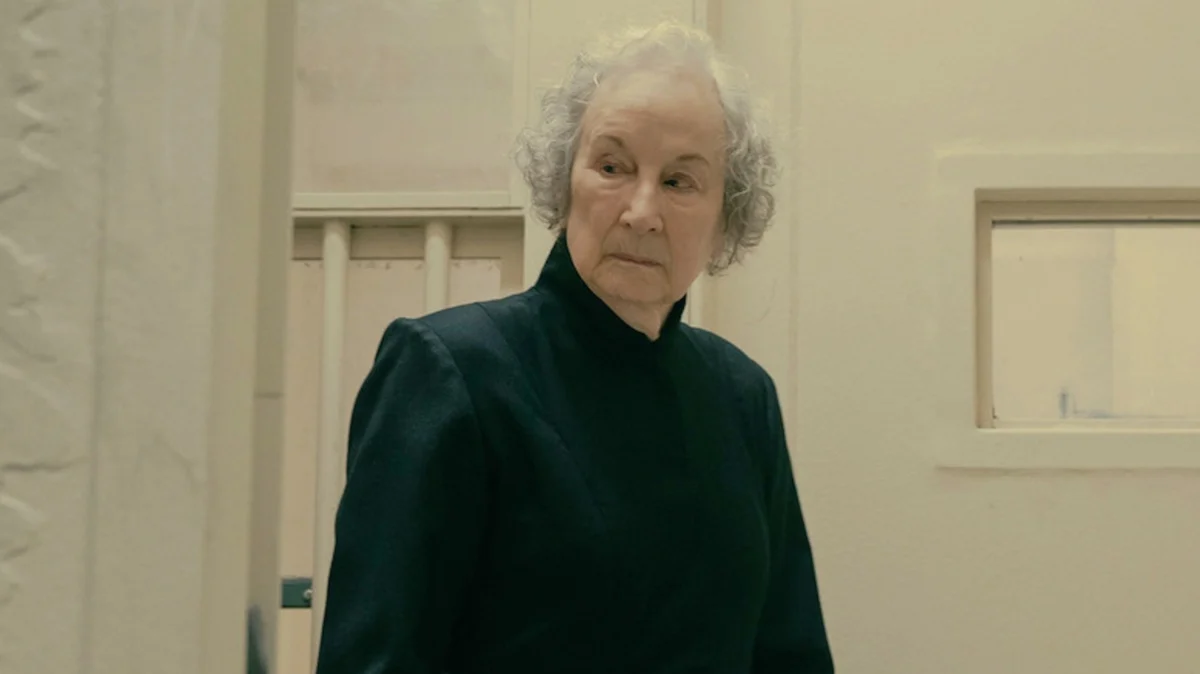
In the landscape of contemporary literature, few works have achieved the chillingly prophetic status of Margaret Atwood’s 1985 masterpiece, The Handmaid’s Tale. Originally conceived as a speculative "what-if" regarding the intersection of religious extremism and patriarchal control, the novel has transitioned from a staple of high school curricula to a primary target of the burgeoning American censorship movement. As the United States grapples with a volatile political climate and a renewed fervor for book banning, Atwood herself has moved from the role of a detached observer to an active, vocal defender of intellectual freedom.
The banning of The Handmaid’s Tale is not merely a localized dispute over "age-appropriate material"; it is a microcosm of a larger ideological struggle. According to Atwood, the recent surge in censorship is a harbinger of a broader democratic collapse—a shift from a liberal democracy toward a rigid autocracy that views subversive literature as a direct threat to the state’s desired social order.
Main Facts: The Resurgence of Censorship and the Targeting of Atwood
The American Library Association (ALA) has consistently documented the rising tide of challenges against The Handmaid’s Tale. During the 2010s, the novel was ranked as the 29th most frequently challenged or banned book in the United States. However, data from the early 2020s suggests that the novel is climbing even higher on that list. The motivations behind these bans are frequently cited as "explicit sexual content" and "profanity," yet Atwood and her supporters argue that these are often smokescreens for discomfort with the book’s political and religious critiques.
The current wave of censorship is characterized by several key factors:
- Institutional Pressure: School boards in states like Virginia and districts in Canada (such as Edmonton) have moved to strike the book from libraries and reading lists.
- Political Alignment: The movement to ban the book often aligns with "natalist" ideologies—movements obsessed with declining birth rates and the maintenance of specific demographic hierarchies.
- Economic Levers: Atwood highlights that the modern method of silencing writers is not always through direct state decree but through the "levers of money and lawsuits," creating a chilling effect where educators and librarians fear for their livelihoods.
Chronology: From Speculative Fiction to "Dangerous" Reality
To understand the current friction between Atwood’s work and modern censors, one must trace the timeline of the book’s reception and the shifting political winds that have made it a target.
1985: The Birth of Gilead
Atwood publishes The Handmaid’s Tale. While it causes a stir, it is largely viewed as a cautionary tale inspired by the Iranian Revolution and the rise of the Religious Right in the United States. For decades, it is taught in universities as a classic of feminist dystopian literature.
2010–2019: The ALA Ranking
The American Library Association notes a steady increase in challenges. The book becomes a symbol of resistance following the 2016 U.S. election and the subsequent debut of the Hulu television adaptation. The "Handmaid" costume becomes a global icon for women’s rights protests.
2023: The Madison County Incident
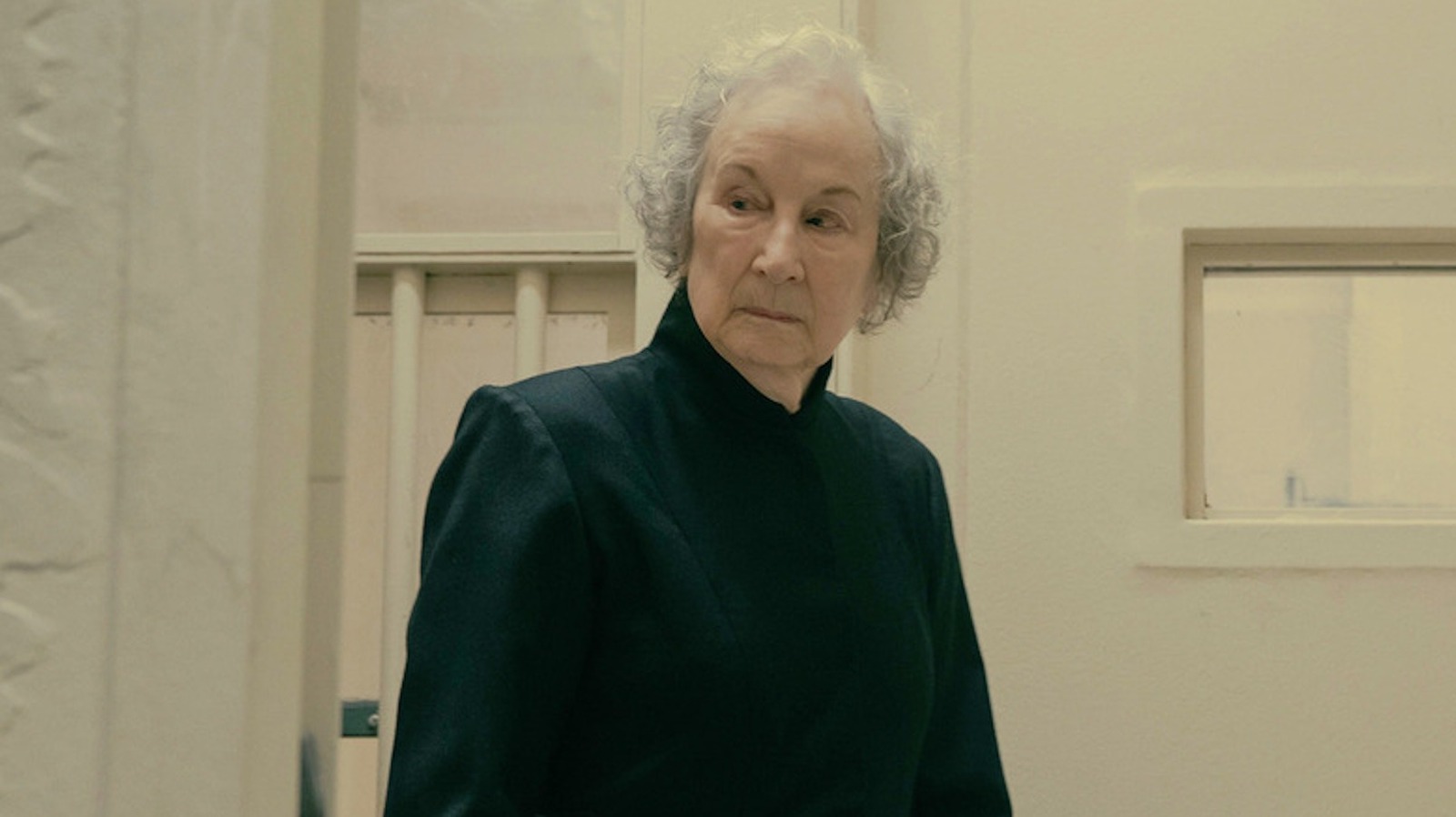
The Madison County, Virginia school board orders the removal of The Handmaid’s Tale from high school libraries. Atwood responds with a viral essay in The Atlantic titled "Go Ahead and Ban My Book," where she highlights the hypocrisy of banning her work while leaving more graphic religious texts untouched.
2024–2025: Global Warnings and the PEN Congress
Following a ban by the Edmonton school board, Atwood addresses the PEN Congress in Krakow. Her rhetoric shifts from defense of her work to a broader warning about the "abdication" of the United States’ role as a beacon of democracy. She links the banning of books to the rise of autocratic tendencies and the influence of billionaires preoccupied with "Great Replacement" theories.
Supporting Data: The Statistics of Suppression
The surge in book bans is not anecdotal; it is supported by a growing body of data from advocacy groups. The ALA’s Office for Intellectual Freedom reported a record-breaking number of attempts to censor books in 2023 and 2024, with the majority of targets being books that address gender, sexuality, and systemic oppression.
| Metric | Detail |
|---|---|
| ALA Ranking (2010s) | 29th most banned book. |
| Primary Reason Cited | "Sexually explicit" / "Vulgarity." |
| Target Demographics | High school students and young adult readers. |
| Method of Censorship | Removal from library shelves and mandatory curriculum changes. |
Atwood’s observation regarding the Bible is backed by comparative literary analysis. Scholars have noted that The Handmaid’s Tale contains significantly fewer instances of graphic violence and sexual description than many canonical texts and religious scriptures that remain unchallenged in the same school districts. This disparity suggests that the "sexual content" argument is a proxy for discomfort with Atwood’s depiction of a state that uses religion as a tool of reproductive enslavement.
Official Responses: Atwood and the Defense of Subversion
Margaret Atwood has been remarkably consistent in her response to censorship. Her defense rests on three primary pillars: literary integrity, historical precedent, and the "Streisand Effect."
The "Bible" Comparison
In her essay for The Atlantic, Atwood pointedly noted: "This episode is perplexing to me, in part because my book is much less sexually explicit than the Bible, and I doubt the school board has ordered the expulsion of that." By pointing out this double standard, she exposes the ideological nature of the bans, suggesting that the problem isn’t the content of the sex, but the context in which she critiques power.
The Warning at PEN Congress
In 2025, Atwood’s tone became more urgent. Speaking to the PEN Congress, she described the United States as "flirting with the very kind of autocracy that it once stood so firmly against." She argued that the internal collapse of liberal democracy is preceded by the attempt to control writers and artists. "One of the harbingers of autocratic takeovers is an attempt to control writers and artists," she stated, emphasizing that when a state fears a book, it is because that book contains truths the state cannot allow its citizens to internalize.
The Counter-Intuitive Result
Atwood often reminds censors that banning a book is the most effective way to ensure young people read it. By labeling The Handmaid’s Tale as "subversive" or "forbidden," authorities inadvertently grant the book a rebellious allure, driving a new generation of readers to seek it out in digital formats or independent bookstores.
Implications: The Chilling Effect and the Path Toward Autocracy
The implications of banning The Handmaid’s Tale extend far beyond the walls of a high school library. Atwood views these actions as symptoms of a "deeply unwell" political ecosystem.
The Intersection of Natalism and Power
The source text suggests a link between book banning and the rise of "birth-rate-obsessed billionaires" and "reproduction-fixated evangelicals." This coalition seeks to maintain a specific demographic and social order—one that views women primarily through the lens of reproductive utility. The Handmaid’s Tale is a direct threat to this worldview because it provides a vocabulary for identifying and resisting such structures.
The Economic Silencing of Art
Atwood warns of a subtle, modern form of censorship: the "levers of money and lawsuits." In an era of precarious employment, most people—including teachers and librarians—are "by nature fearful of challenging authority." When a school board or a wealthy donor threatens the funding of a library or the job of an educator, the resulting self-censorship is often more effective than any formal government ban.
A Global Shift
Atwood’s 2025 assessment paints a grim picture of a United States abdicating its role as a "torch-carrier for freedom." She suggests that the domestic focus on controlling literature is happening simultaneously with a destabilized foreign policy, including threats of nuclear conflict. In this context, the ban on a book is not a distraction; it is a foundational step in preparing a population for autocratic rule by removing the tools of critical thought.
Conclusion: Listening to the Alarm
Margaret Atwood’s The Handmaid’s Tale was once a warning of what could happen. In the current climate of 2025 and 2026, Atwood suggests that the warning has been ignored, and the "dark times" for writers and readers have already arrived. The systematic removal of her work from public view is an attempt to erase the mirror she holds up to society.
As the United States navigates this period of internal strife and external abdication of power, Atwood’s message remains clear: the control of information is the first step toward the control of people. Whether through the "Handmaid’s Tale" TV series or the physical pages of her novels, the act of reading remains an act of resistance. The alarm is sounding; the question remains whether the public will heed the architect of Gilead or allow the fiction to become the final history.