The Architect of Primetime: Dick Wolf’s Growing Hegemony and the Evolution of NBC’s 2026 Strategy
The landscape of American broadcast television has undergone seismic shifts over the last decade, yet one constant remains etched into the bedrock of the industry: the name Dick Wolf. As NBC enters the 2026 television season, the network’s reliance on Wolf Entertainment has reached an unprecedented zenith. While other networks grapple with the fragmenting audiences of the streaming era, NBC has doubled down on a strategy of procedural stability, effectively transforming its primetime schedule into a curated gallery of Dick Wolf’s interconnected universes.
This dominance, however, raises a critical question for industry analysts and viewers alike: In its pursuit of guaranteed ratings and "comfort TV" hegemony, has NBC sacrificed the creative oxygen necessary to foster the next generation of original storytelling?
Main Facts: The Wolf Entertainment Footprint in 2026
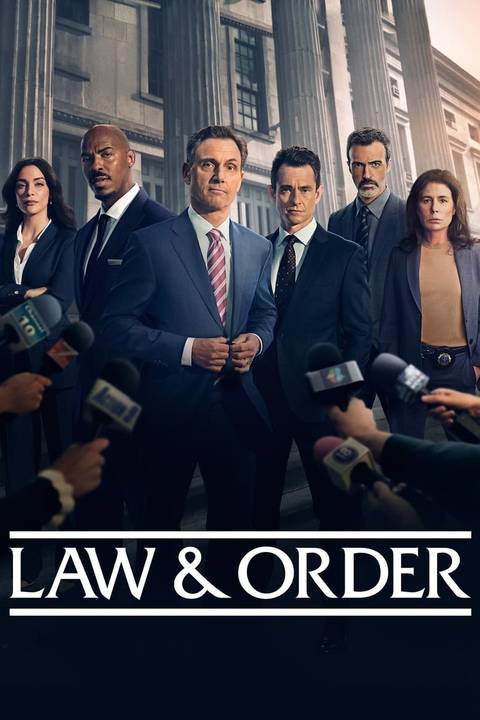
As of the 2026 fall schedule, Dick Wolf’s productions occupy more primetime real estate on NBC than any other single creator or production entity in the network’s history. The cornerstone of this partnership is the "One Chicago" and "Law & Order" blocks, which collectively command five hours of high-value primetime programming every week.
The statistics surrounding these franchises are staggering. Law & Order: Special Victims Unit (SVU), now in its 27th season, has surpassed 590 episodes, making it a cultural artifact as much as a television show. Its parent series, the original Law & Order, continues its successful revival era, while the One Chicago trilogy—comprising Chicago Fire, Chicago P.D., and Chicago Med—consistently wins its respective time slots.
Despite the cancellation of Law & Order: Organized Crime on the linear network (and its subsequent migration to the Peacock streaming service), Wolf’s influence has not waned. Instead, it has consolidated. The network’s Wednesday night lineup is entirely composed of Wolf properties, creating a seamless, evening-long experience for viewers that advertisers prize for its high retention rates.
Chronology: The Rise of a Television Empire
The path to Wolf’s 2026 dominance began over three decades ago, characterized by a slow but relentless expansion of the "procedural" brand.

- 1990: The original Law & Order premieres on NBC. Its unique "split" format—half police investigation, half legal prosecution—redefines the genre and introduces the "ripped from the headlines" storytelling model.
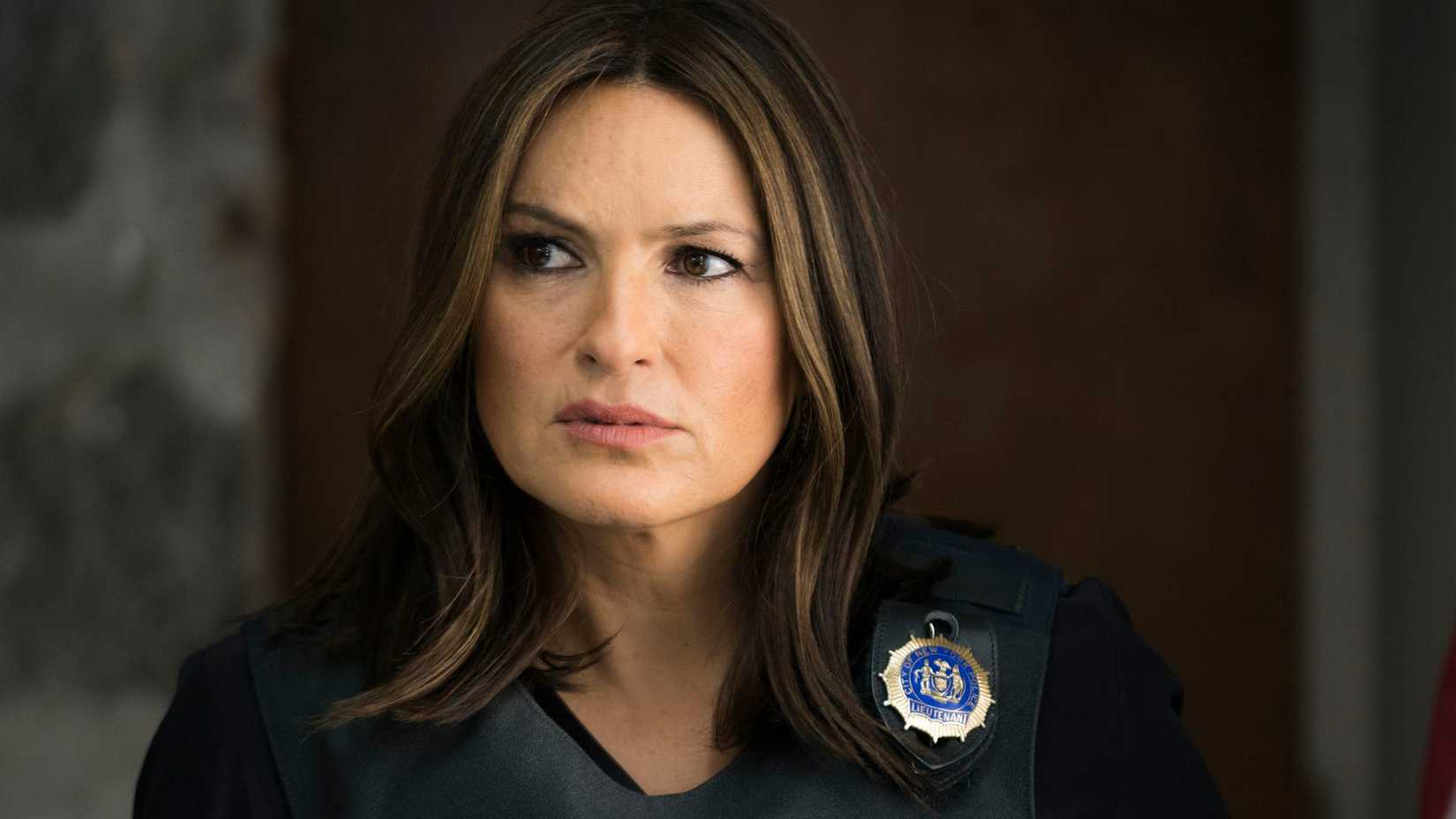
- 1999: Law & Order: Special Victims Unit debuts. Initially a spin-off, it eventually eclipses the original in longevity and cultural impact, largely due to the enduring appeal of Mariska Hargitay’s Olivia Benson.
- 2010–2012: After the original Law & Order is canceled in 2010, Wolf pivots toward the Midwest. Chicago Fire premieres in 2012, marking the birth of the One Chicago universe and a new era of cross-show "crossover" events.
- 2018–2021: Wolf expands his empire to CBS with the FBI franchise, proving his model is portable and universally successful. Meanwhile, NBC realizes the error of its ways and revives the original Law & Order in 2022.
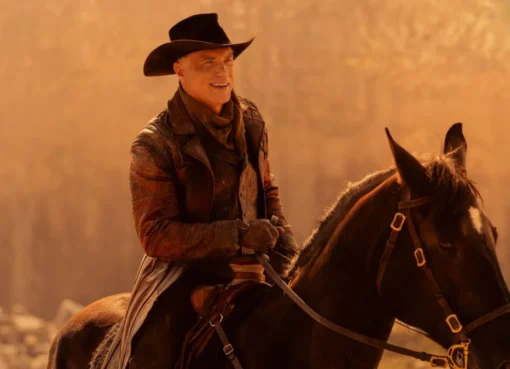
- 2024–2026: NBC’s schedule becomes increasingly homogenized. While the network attempts a few high-profile reboots, such as David Boreanaz’s The Rockford Files, the bulk of the "procedural" budget is funneled into maintaining the Wolf-verse.
Supporting Data: Quantitative Dominance
The sheer volume of Wolf’s output provides the data-driven justification for NBC’s reliance. In an era where a "hit" show might struggle to reach a 0.5 rating in the key 18-49 demographic, Wolf’s shows provide a "floor" that few other programs can match.
| Show Title | Current Season (2026) | Approximate Total Episodes |
|---|---|---|
| Law & Order: SVU | 27 | 594 |
| Law & Order | 25 | 520+ |
| Chicago Fire | 14 | 300+ |
| Chicago P.D. | 13 | 250+ |
| Chicago Med | 11 | 200+ |
Beyond the episode counts, the "One Chicago" block on Wednesday nights frequently captures over 20% of the total available viewing audience in its time slots. This consistency allows NBC to charge premium rates for advertising, as the "Wolf Viewer" is seen as a loyal, recurring consumer who is less likely to "channel hop" during commercial breaks.
Furthermore, the synergy between NBC and its streaming sibling, Peacock, has created a secondary lifecycle for these shows. Data suggests that the Law & Order and Chicago libraries are among the most-watched content on Peacock, providing a "long-tail" revenue stream that justifies the high production costs of filming on location in Chicago and New York.
Official Responses and Network Strategy
Network executives at NBC have historically defended this reliance as a response to market demands. During the 2026 upfronts, industry insiders noted that the network’s strategy is built on "risk mitigation."
"In the current climate, launching a brand-new procedural is a massive gamble," says one anonymous network strategist. "When you greenlight a Dick Wolf show, you aren’t just buying a pilot; you’re buying a built-in audience, a proven production infrastructure, and a brand that international markets are desperate to acquire. It’s the closest thing to a ‘sure thing’ in Hollywood."
However, this "sure thing" comes at a cost. The recent decision to pass on the Emily Deschanel-led pilot Key Witness serves as a poignant example of the "Wolf Ceiling." Key Witness, which promised a fresh take on the criminal profiler archetype by focusing on victim-centric analysis, was reportedly well-received in internal screenings. Yet, with five hours already dedicated to Wolf, and other slots reserved for established hits and sports, there was simply no room for an unproven original series.
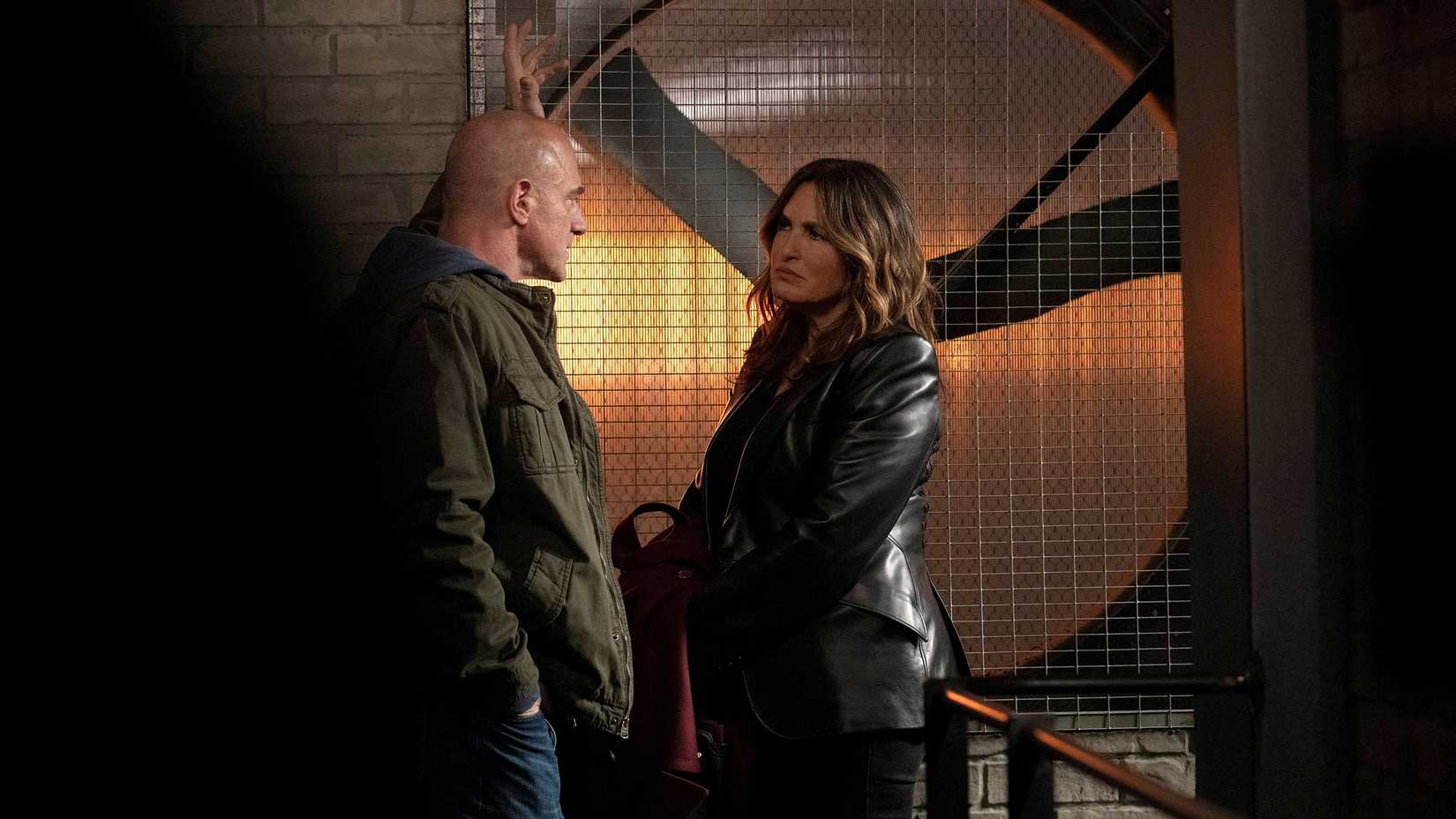
Critics argue that by prioritizing "spinoffs of spinoffs," NBC is failing in its mandate to innovate. While CBS has found success with new hits like Tracker and Elsbeth, NBC’s procedural slate remains largely frozen in the "Wolf-era" aesthetic.
Implications: The Future of Broadcast Innovation
The implications of Dick Wolf’s 2026 dominance extend far beyond the balance sheet of NBC. It represents a broader trend in American media: the "Franchise-ification" of the small screen.
1. The Opportunity Cost for New Talent
The most immediate casualty of the Wolf hegemony is the "original pilot." For every Chicago spin-off that gets a series order, a dozen original concepts from new writers are relegated to development hell. This creates a bottleneck where the next generation of showrunners—those who might have created the next Bones or The Mentalist—are instead hired as staff writers on established Wolf shows, forced to write within an existing "house style" rather than developing their own voice.
2. The Comfort TV Paradox
There is a psychological component to Wolf’s success. His shows offer a "just world" fallacy where the bad guys are caught and the heroes are principled. In a 2026 world characterized by political and social volatility, this "comfort TV" is more valuable than ever. However, if broadcast television becomes solely a repository for "comfort," it risks losing the cultural relevance that comes from challenging, provocative drama.
3. The "Sheridan-ization" Comparison
Dick Wolf is no longer the only "Super Producer" in town. The rise of Taylor Sheridan (Yellowstone, 1883, Mayor of Kingstown) on Paramount+ and the ongoing influence of Shonda Rhimes and Ryan Murphy on streaming platforms suggest that the "Empire Model" is the new standard. However, Wolf remains unique in his ability to maintain this empire on linear broadcast TV, a medium many had predicted would be dead by 2026.
4. The Peacock Pivot
As seen with Law & Order: Organized Crime, the future of the Wolf-verse may eventually shift toward a hybrid model. By moving more experimental or "serialized" versions of these franchises to Peacock, NBC can keep the "procedural" (episodic) versions on the broadcast network. This allows them to satisfy the older, linear-viewing audience while using the brand name to drive subscriptions for their streaming service.

Conclusion
As the "Dun-Dun" of the Law & Order theme continues to echo across the 2026 schedule, Dick Wolf’s legacy as the most successful producer in the history of the medium is secure. For NBC, the partnership is a golden cage—providing the ratings and stability needed to survive the streaming wars, but perhaps at the cost of the network’s creative identity. Whether NBC can eventually find a balance between the "Wolf-verse" and original storytelling remains to be seen, but for now, Wednesday night belongs to one man, and his name is Dick Wolf.