The Loneliness of the Long-Distance Paintoonist: Remembering Jerry Moriarty (1938–2026)
Jerry Moriarty, the idiosyncratic artist and educator whose work blurred the boundaries between the somber realism of Edward Hopper and the minimalist precision of Ernie Bushmiller, died of natural causes on March 25, 2026. He was 88 years old. Moriarty passed away in his childhood home in Binghamton, New York—the same house where his artistic journey began nearly nine decades earlier. His death was confirmed by his younger brother, Fred Moriarty.
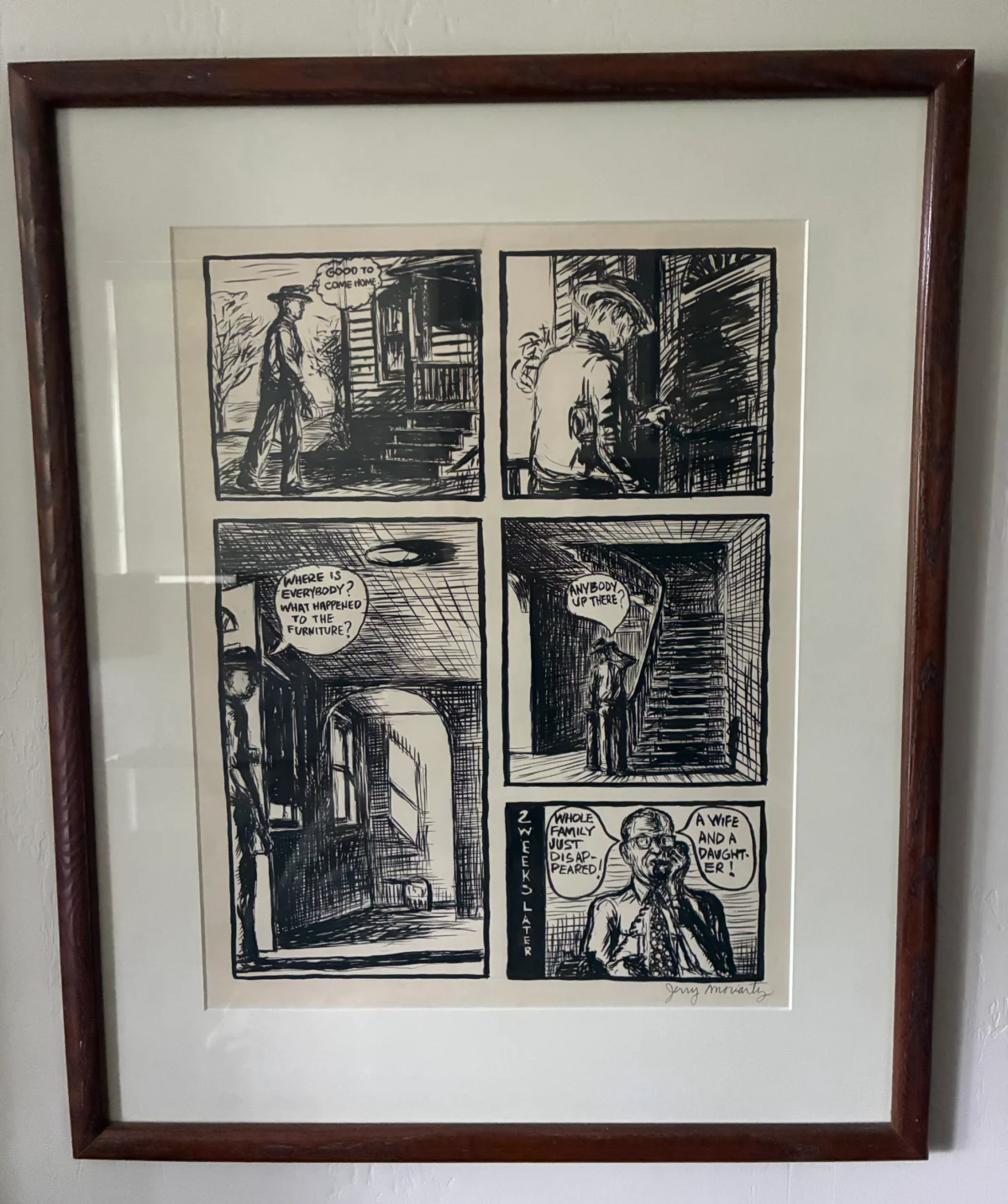
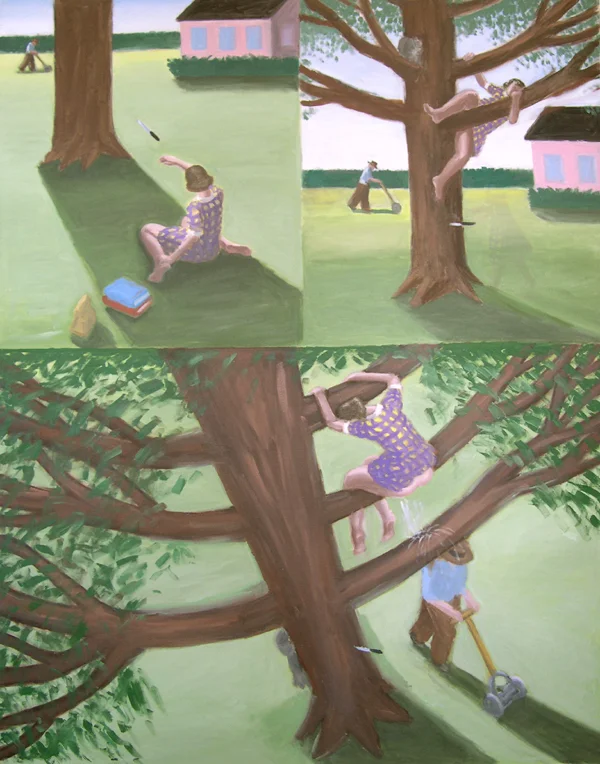
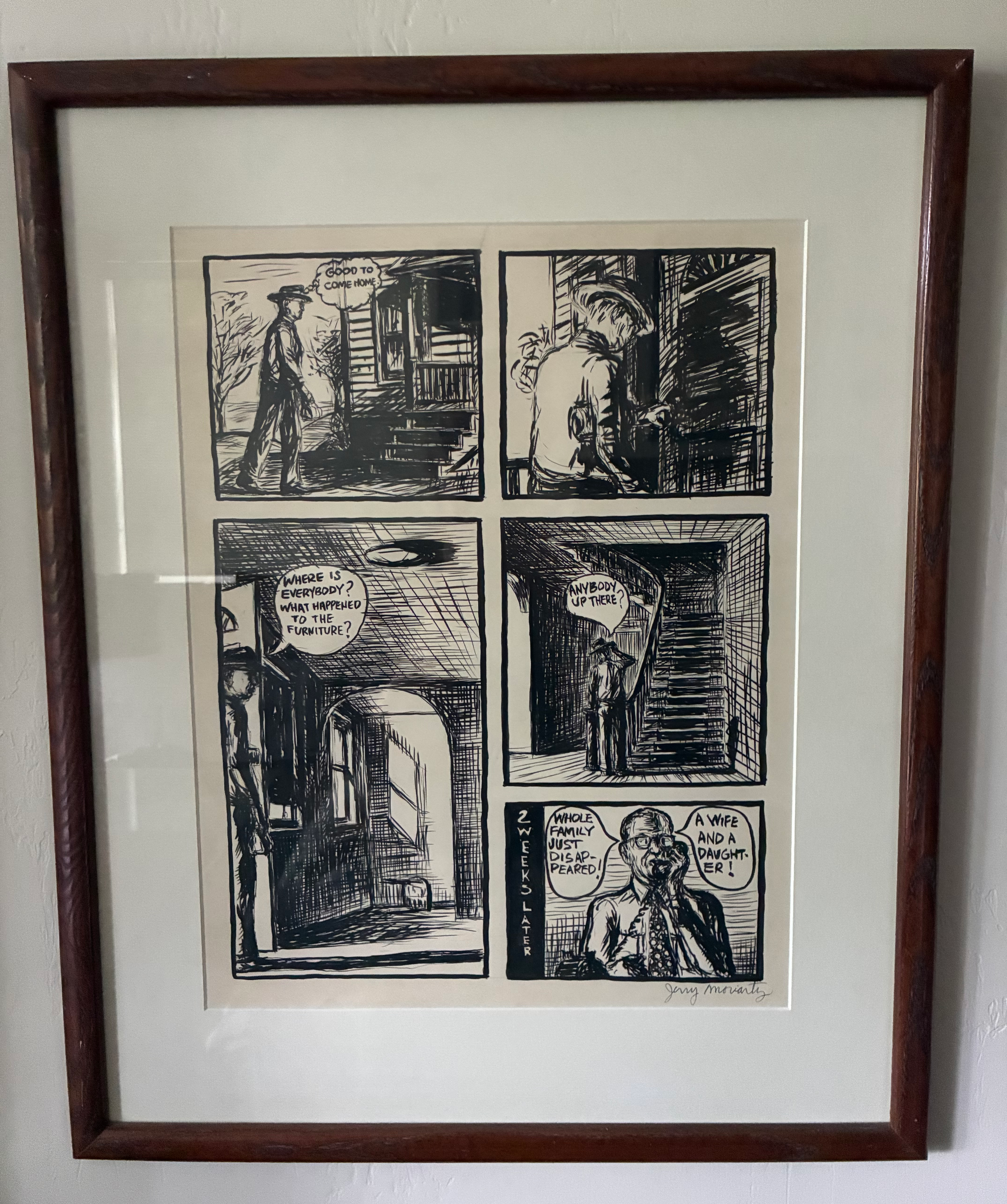
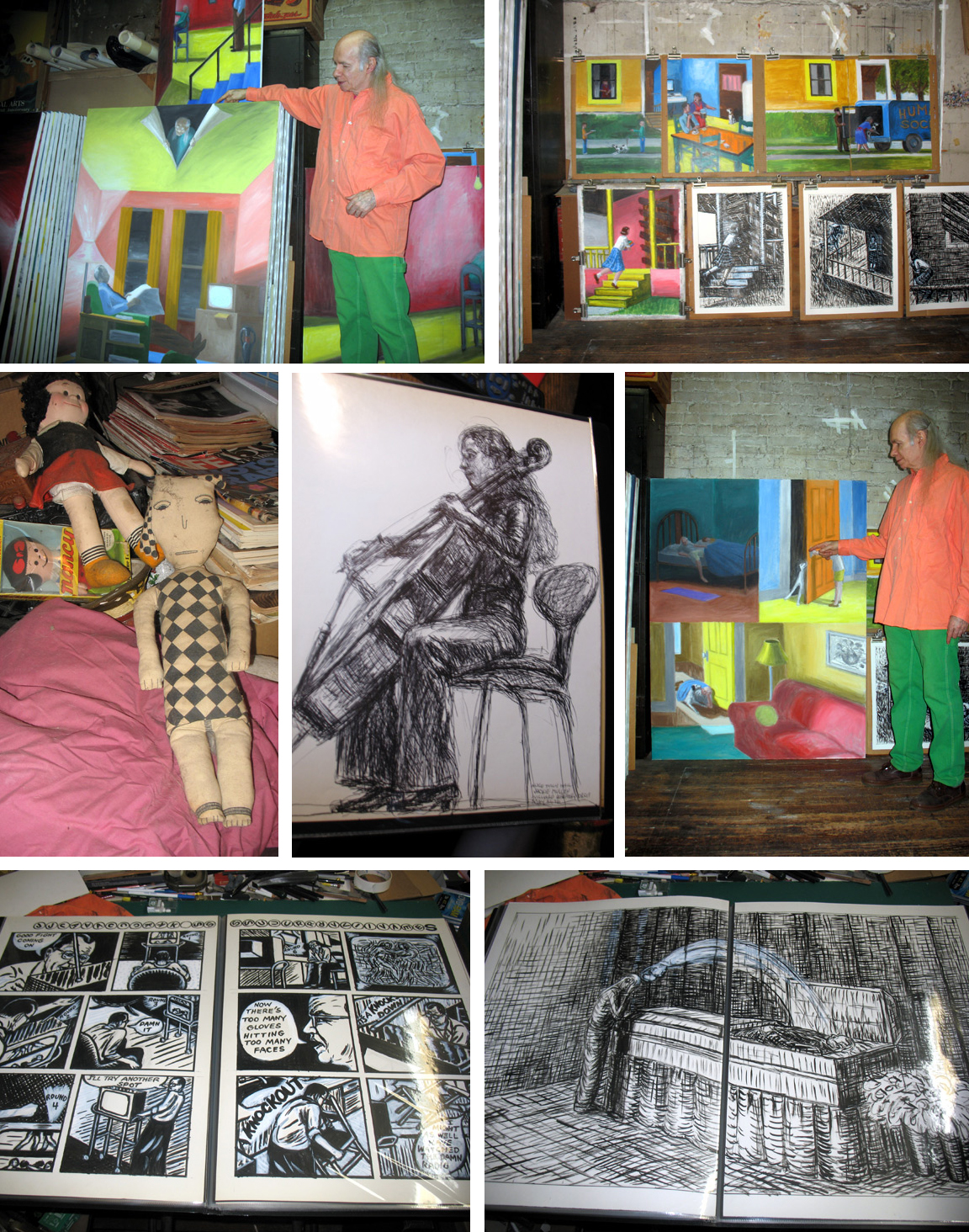
For over half a century, Moriarty occupied a singular space in the American art landscape. A mainstay of New York’s School of Visual Arts (SVA) and a pivotal figure in the avant-garde comics movement of the 1980s, he was best known for creating "Jack Survives," a series of haunting, poignant, and often humorous vignettes that redefined the narrative potential of the comic strip. Moriarty famously coined the term "paintooning" to describe his process: a labor-intensive hybrid of fine art painting and sequential storytelling that captured the quiet, often lonely rhythms of mid-century American life.
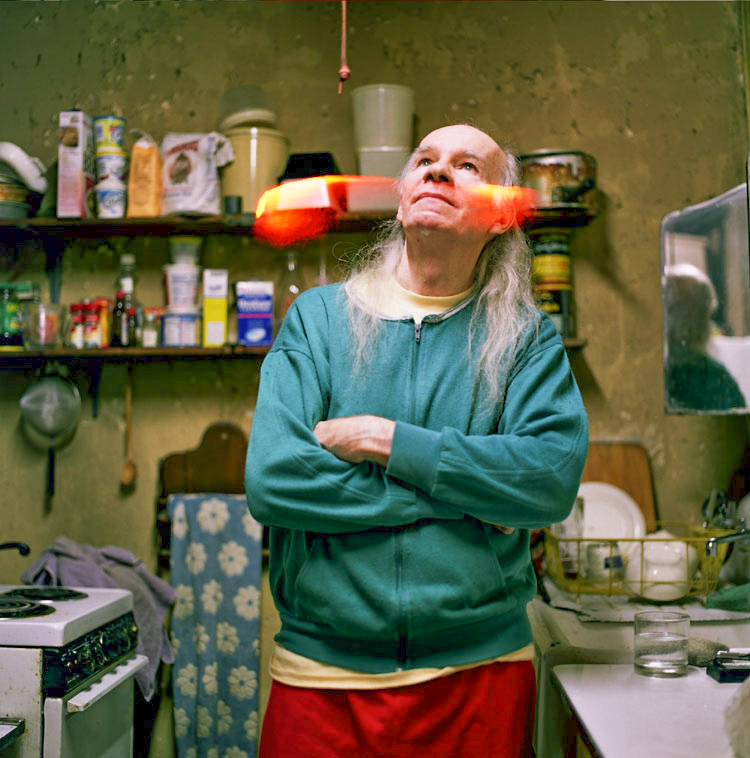
Chronology: A Life of Creative Solitude
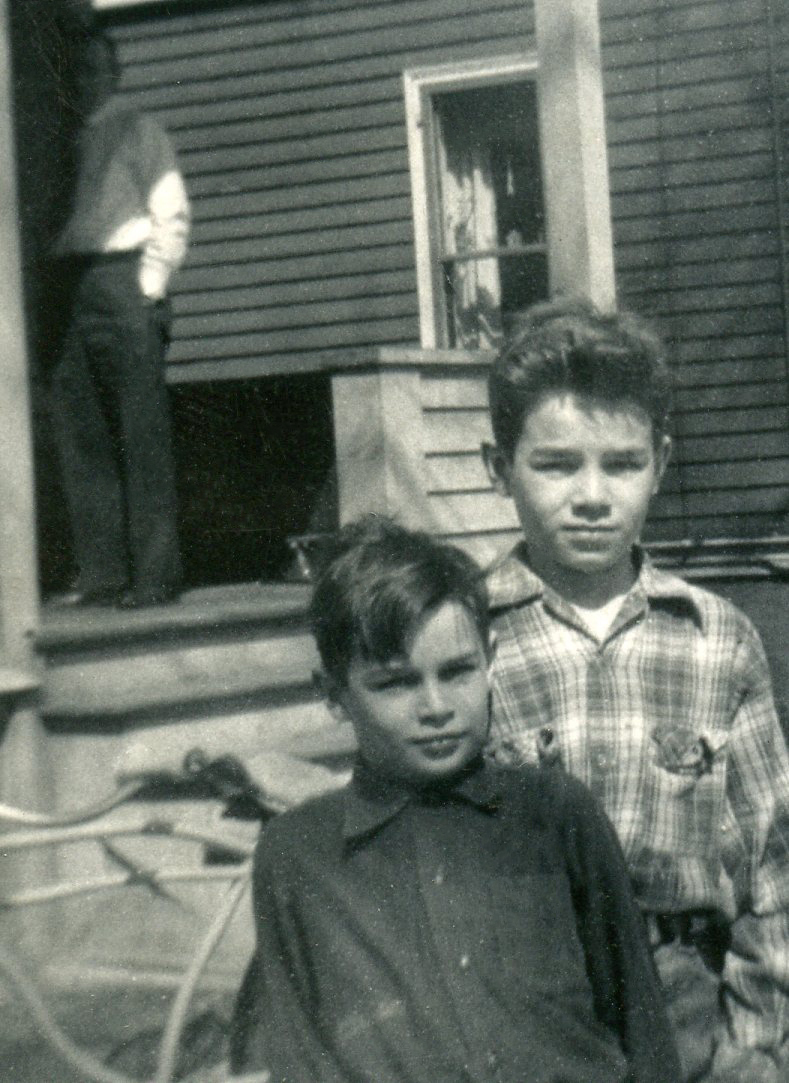
Jerome Brein Moriarty was born on January 15, 1938, in Binghamton, New York. His childhood was marked by a supportive but modest upbringing. His father, Jack, a telegraph operator for AT&T, recognized Jerry’s talent early on, despite having no formal background in the arts. In 1953, when Jerry was just 14, his father died suddenly of a heart attack at his desk. This event became the emotional cornerstone of Moriarty’s most famous work, as he would spend decades "reconstructing" his father through art.
Moriarty’s formal training began at age 15 through the Famous Artists Course, a mail-order correspondence program. He later moved to New York City to attend the Pratt Institute, earning his Bachelor of Fine Arts in 1960. Following a brief stint in the Army Reserves—where he characteristically "played his art card" to land a mural-painting assignment—Moriarty began a freelance illustration career, contributing to publications such as GQ, Esquire, and Seventeen.
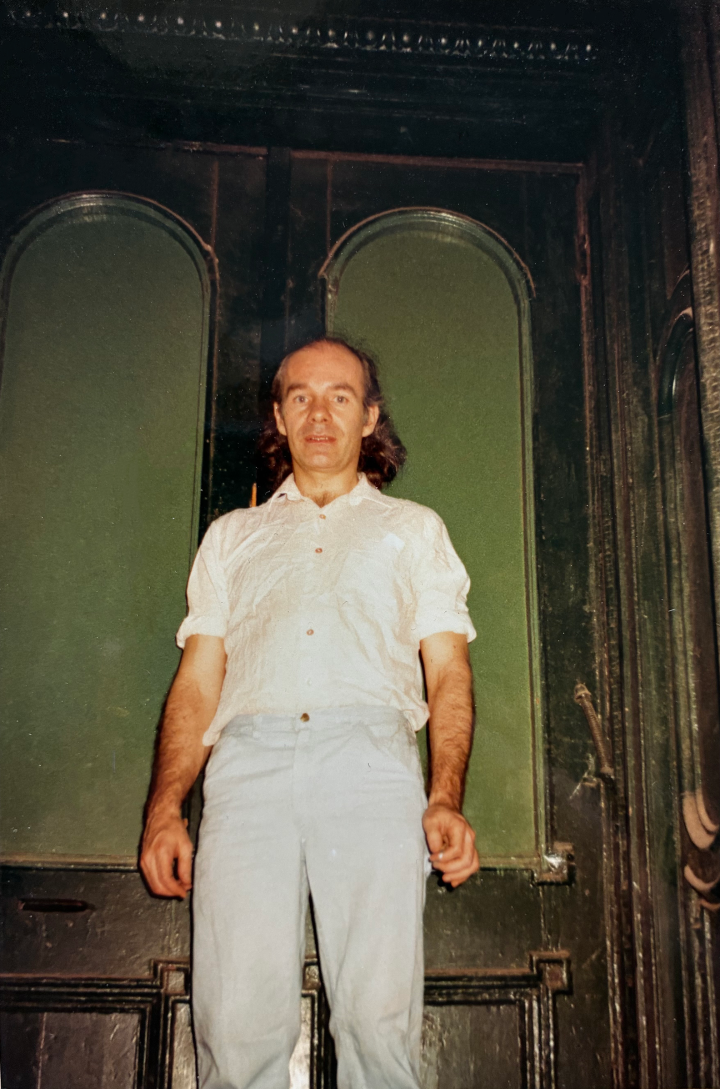
In 1963, Moriarty joined the faculty at the School of Visual Arts, beginning a legendary 50-year tenure. It was during this period that he moved into a studio on West 28th Street in Manhattan’s Tin Pan Alley. This space, filled with decades of accumulated curiosities and archives, served as his sanctuary until 2013.
The 1980s marked Moriarty’s emergence as a major force in the "literary" comics world. In 1980, his "Jack Survives" strips debuted in the first issue of RAW, the influential anthology edited by Art Spiegelman and Françoise Mouly. While RAW was known for pushing boundaries, Moriarty’s work was unique for its stillness and painterly depth.
After his teaching career at SVA ended in 2012—a departure Moriarty described as abrupt—he briefly taught at Parsons before returning to his childhood home in Binghamton in 2013. He spent his final years there, continuing to paint and engage with his memories until his passing.
Supporting Data: The Mechanics of "Paintooning"
Moriarty’s "paintooning" was not merely a stylistic choice but a philosophical one. He rejected the speed associated with traditional cartooning. A single page of "Jack Survives" could take an entire month to complete, rendered with black ink and white acrylic on 18 x 24-inch Arches paper. This slow process allowed him to inhabit the world of the story, often working in the dead of night while sitting in an old hospital wheelchair.
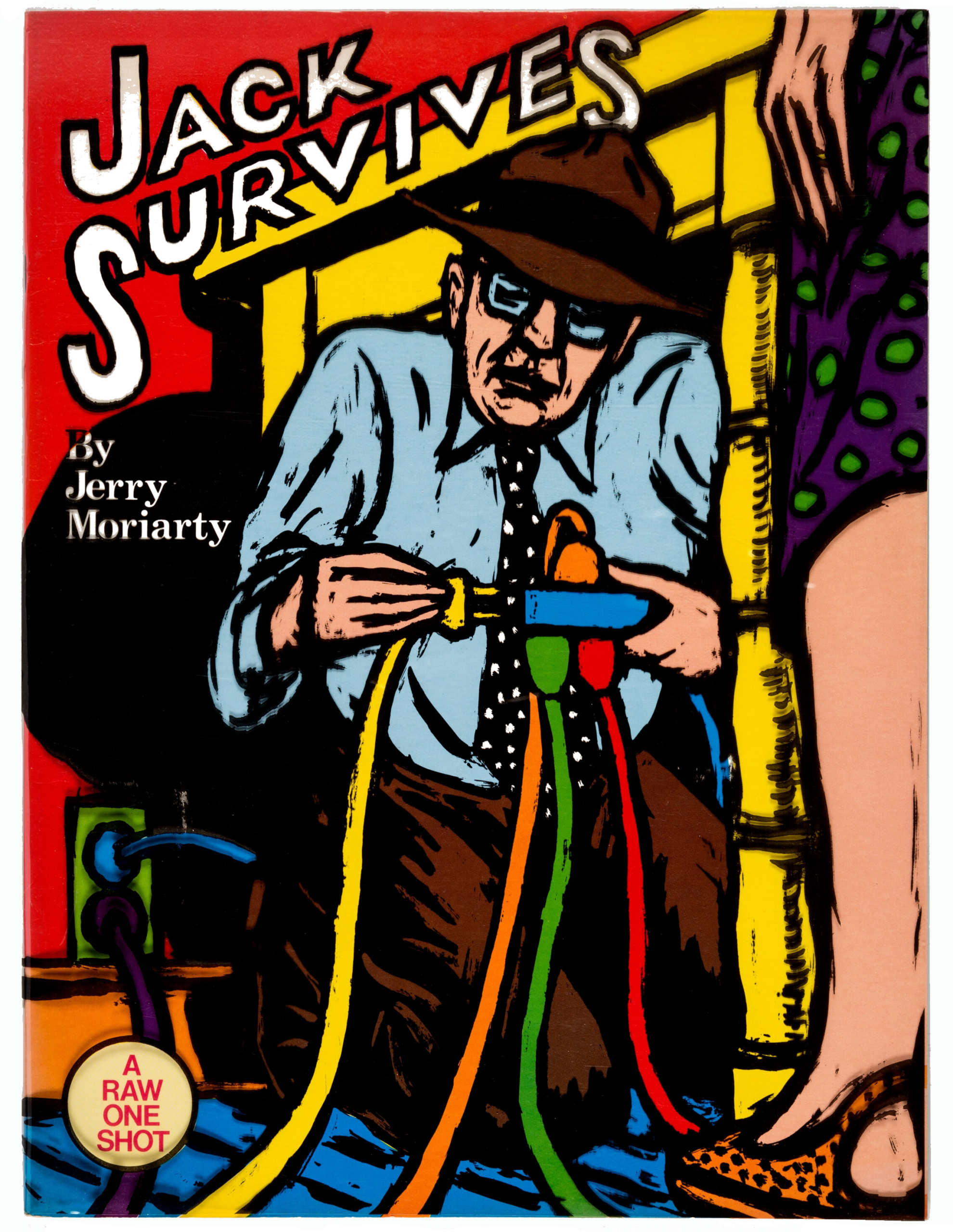
His protagonist, Jack, was a visual surrogate for his father. Through Jack, Moriarty explored themes of domestic frustration, quiet resilience, and the surreal nature of the mundane. As he told The Believer in 2009, "Jack Survives is a whimsical, one-sided conversation with my father where I am 99 percent of it."
Beyond his own creations, Moriarty was a formidable archivist of "outsider" and neglected art. He was instrumental in the rediscovery of Fletcher Hanks, a 1940s comic artist known for his bizarre, violent, and graphically unique superhero stories. Moriarty’s collection of Hanks’ work, which he shared with Art Spiegelman, led to a wider cultural recognition of Hanks as a "twisted genius" of the Golden Age.
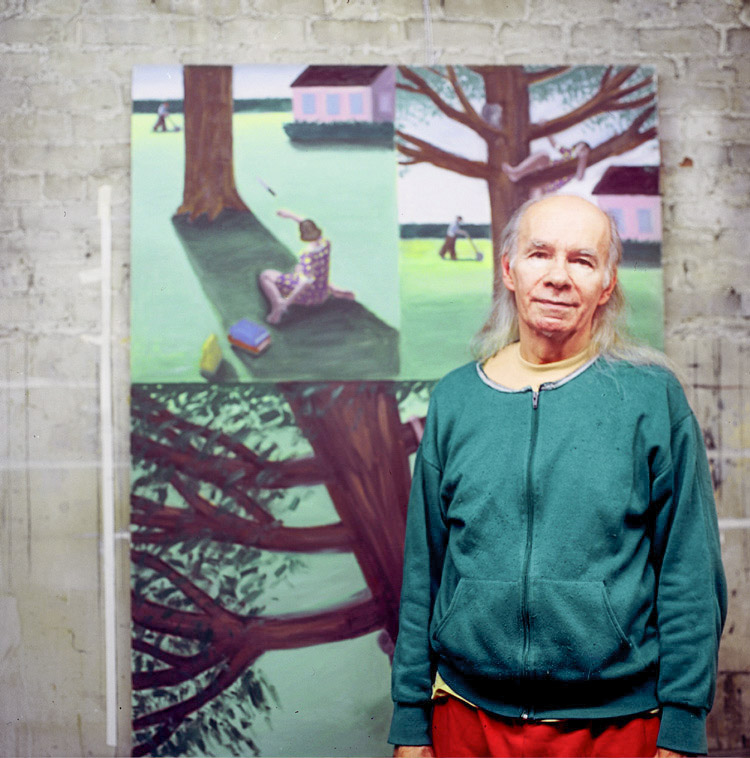
Moriarty’s personal habits were as meticulously curated as his art. He was a self-described "loner" who distinguished between solitude and loneliness. He wore primary and tertiary colors almost exclusively—often described by students as looking like a "bag of Skittles"—and followed a strict internal clock, often sleeping until the early afternoon and beginning his creative work at midnight to avoid the "interruption of the world."
Industry Responses: Tributes to a "Pure Artist"
The news of Moriarty’s passing elicited profound reflections from the giants of the contemporary cartooning and illustration world.
Art Spiegelman, co-founder of RAW, described Moriarty as the "personification" of what the magazine sought to achieve. "He sat in the interstices between what you would consider ‘wall art’ and what you would consider ‘comics’ and he functioned in both orbits," Spiegelman noted. "He was about as pure an artist as I’ve ever known."
Chris Ware, whose own work in Building Stories and Jimmy Corrigan owes a clear debt to Moriarty’s quiet pacing, called him "one of the greatest cartoonists of the past 100 years." Ware emphasized Moriarty’s ability to find the "grotesque eternity" in the everyday, stating that his work "feels and looks as fresh as the day it was first published."
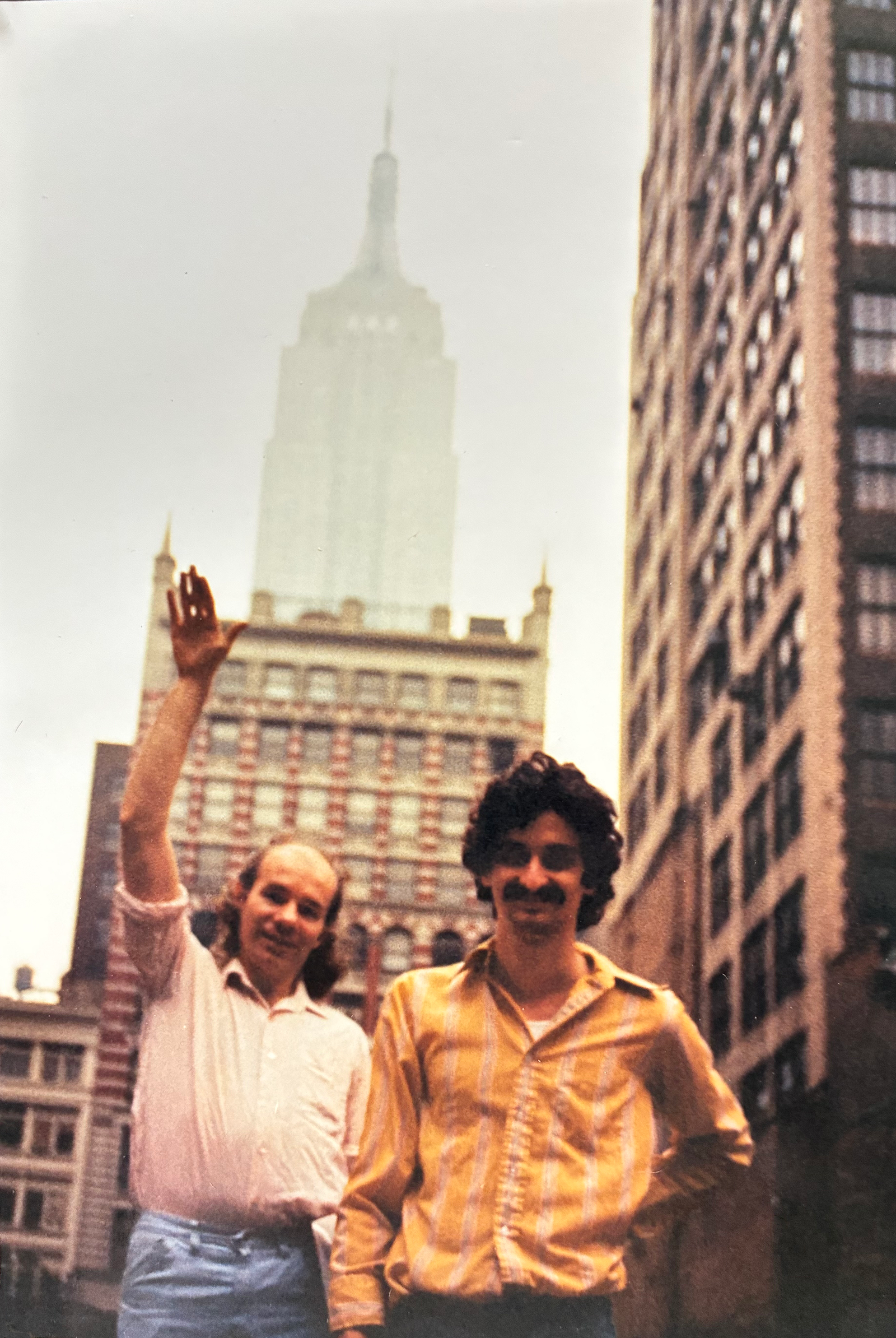
Patrick McDonnell, the creator of the comic strip Mutts and a former student of Moriarty’s, recalled the immersive experience of visiting Moriarty’s 28th Street studio. "It was like stepping into another time, another world. Actually, time didn’t exist there. Jerry was a true artist in every sense of the word."
Paul Karasik, cartoonist and historian, highlighted Moriarty’s role as a "scavenging hunter with refined taste," noting that without Moriarty’s obsessive collecting, the history of comics—specifically the legacy of Fletcher Hanks—would be significantly poorer.
Implications and Legacy
Jerry Moriarty’s legacy resides in his successful bridging of two often-segregated worlds: the gallery and the newsstand. By treating the comic panel with the same reverence and technical rigor as a canvas, he paved the way for the "graphic novel" to be taken seriously as a fine art form.
His influence is visible in a generation of artists who prioritize mood, memory, and atmospheric tension over plot-driven heroics. Artists like Chris Ware, Ben Katchor, and Richard McGuire have all, in various ways, built upon the foundation Moriarty laid in the pages of RAW.
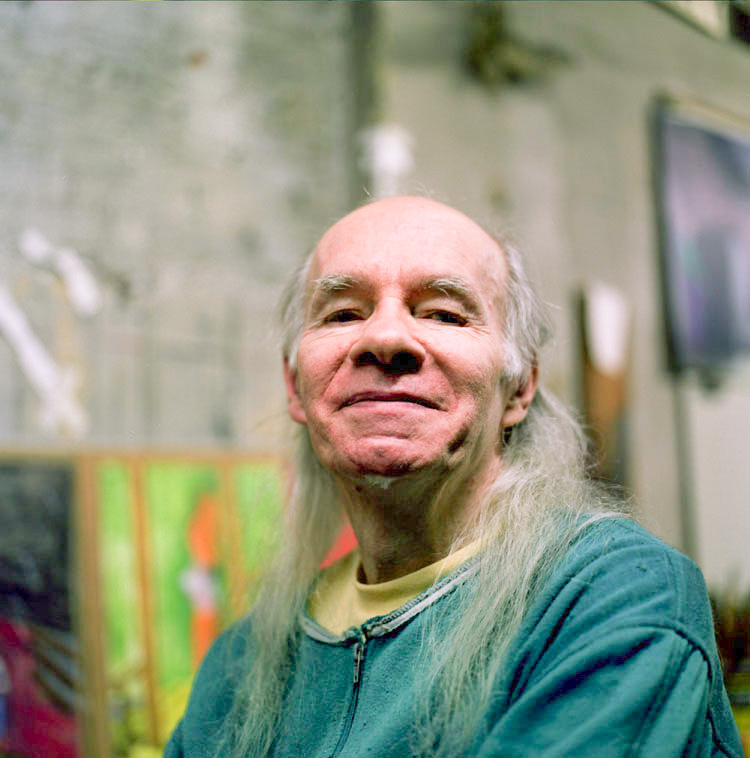
Furthermore, Moriarty’s refusal to sell his original paintings—which he famously referred to as his "children"—served as a silent protest against the commercialization of art. He believed that if he sold a painting, he would have "only money," whereas keeping it allowed him to maintain a living connection to his history. This stance reinforced his status as an artist’s artist, one who prioritized the integrity of the work over "cultural success" or market value.
His final major work, the 2017 book Whatsa Paintoonist?, stands as a definitive meditation on aging and mortality. By returning to the home of his youth to die among his drawings and memories, Moriarty completed a narrative arc as poignant as any of his "Jack Survives" strips. He leaves behind a body of work that remains a testament to the power of the "loner" to see the world with a clarity that the rest of society often misses.
As his brother Fred aptly summarized: "Jerry was Jerry. He was different, you know? He perceived just about everything a little or a lot differently than others, and in most cases, his logic was hard to question."
Jerry Moriarty is survived by his brother Fred, several nephews, and a sprawling, influential body of work that continues to survive, much like Jack, in the quiet corners of American art history.