The Architecture of Imagination: Concept Art World and the Evolving Landscape of Visual Development
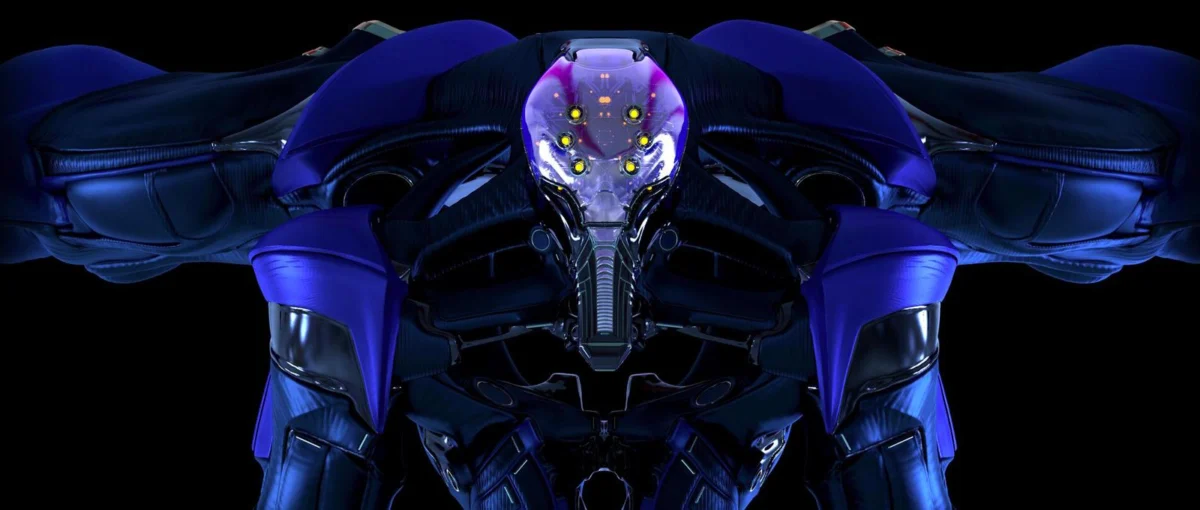
In the contemporary entertainment landscape, the bridge between a nascent idea and a multi-billion-dollar franchise is built by a specialized group of visual architects known as concept artists. Recently, the digital archive and industry hub Concept Art World (CAW) has reaffirmed its position as a cornerstone of this community, highlighting the work of premier studios like North Front Studio, veteran artists such as Stuart Kim and Tony Holmsten, and the enduring legacy of iconic titles like Gears of War 3.
This deep dive explores the current state of visual development, the technical mastery behind world-building, and the increasingly complex ethical battleground regarding intellectual property and artificial intelligence in the creative arts.
Main Facts: The Pillars of Modern Visual Development
The role of a concept artist has evolved from traditional sketching to a high-tech discipline that blends 2D illustration, 3D modeling, and cinematic lighting. Concept Art World serves as a curated repository for this evolution, focusing on three primary pillars: the independent studio, the individual artist, and the landmark project.
1. The Power of Specialized Outsourcing: North Front Studio
As the scale of video games and films reaches "AAA" and "Blockbuster" status, the demand for high-fidelity assets has outstripped the capacity of internal teams. Studios like North Front Studio have emerged as essential partners. North Front specializes in high-end concept art and visual development, providing everything from environmental design to complex mechanical blueprints (hardsurface design). Their inclusion in recent industry spotlights underscores a broader trend: the globalization of the creative pipeline, where specialized boutiques handle the heavy lifting of visual world-building.
2. The Mastery of Individual Visionaries: Kim and Holmsten
The industry is defined by the unique "visual signatures" of its practitioners. Artists like Stuart Kim and Tony Holmsten represent the pinnacle of this craft.
- Stuart Kim is recognized for his ability to synthesize narrative and design, creating characters and environments that feel lived-in and functional.
- Tony Holmsten, a veteran in the field with a portfolio spanning major titles (including work at DICE on the Battlefield series), is celebrated for his atmospheric storytelling and mastery of scale.
3. The Legacy of "Destroyed Beauty": Gears of War 3
The retrospective focus on Gears of War 3 concept art highlights a pivotal moment in gaming history. Developed by Epic Games, the Gears franchise pioneered the "Destroyed Beauty" aesthetic—a design philosophy that finds aesthetic value in ruin and decay. The concept art for the third installment remains a gold standard for how visual development can dictate the emotional tone and mechanical "feel" of a game.
Chronology: From Canvas to Cloud
To understand the significance of the work showcased by Concept Art World, one must trace the chronological development of the medium over the last two decades.
The Traditional Era (Pre-2000s)
Before the digital revolution, concept art was primarily the domain of matte painters and industrial designers. Works were created using gouache, acrylics, and airbrushes. The turnaround time was slow, and revisions were physically demanding.
The Digital Shift (2000–2010)
The introduction of the Wacom tablet and the maturation of Adobe Photoshop transformed the industry. This era saw the rise of the "digital speedpaint," allowing artists to iterate on ideas in hours rather than days. During this period, the concept art for the original Gears of War began to circulate, showcasing the power of digital rendering in creating gritty, hyper-detailed worlds.
The Integration of 3D (2010–2020)
By the time Gears of War 3 was released in 2011, the workflow had shifted again. Artists like Stuart Kim and Tony Holmsten began integrating 3D "block-outs" into their 2D workflows. This allowed for perfect perspective and lighting, which was then "painted over" to provide the final artistic touch. This decade also saw the rise of platforms like Concept Art World, which moved the "behind-the-scenes" art from physical books to accessible, high-resolution digital galleries.
The Current Era: The Ethics of Automation (2020–Present)
Today, the industry faces a paradigm shift driven by Generative AI. While the tools for creation have never been more powerful, the protection of the artist’s "hand" has become the central conflict of the era. Concept Art World’s explicit prohibition of AI training on its hosted images marks a definitive line in the sand for the mid-2020s.
Supporting Data: The Economic and Creative Impact
The importance of the work produced by North Front Studio and featured on CAW is backed by significant industry data:
- Market Growth: The global video game market is projected to exceed $300 billion by 2026. A substantial portion of pre-production budgets (often 10–15%) is dedicated specifically to visual development and concept art.
- Outsourcing Trends: According to industry reports, over 70% of AAA game developers now utilize external concept art studios like North Front to manage the sheer volume of assets required for open-world environments.
- Educational Value: Concept Art World serves as a primary educational resource for the estimated 500,000+ aspiring concept artists worldwide. Tutorials and artist spotlights provide the "informal" education that supplements traditional art school degrees.
- Intellectual Property Value: Concept art is often the first "tangible" version of an IP. For a project like Gears of War 3, the concept art wasn’t just a guide for builders; it was used for marketing, merchandise, and securing investor confidence.
Official Responses: Defending the Human Element
The creative industry has recently moved from passive observation to active defense regarding its digital assets. Concept Art World has issued a clear mandate that reflects a broader movement within the artistic community.
The "No AI Training" Clause
In an official statement embedded within their digital infrastructure, Concept Art World asserts: "All images are © by the artist(s) or their respective copyright holders. Any training of AI systems using this content is strictly prohibited."
This response is a direct reaction to the rise of Large Image Models (LIMs) that have scraped decades of professional portfolios without consent or compensation. By implementing these terms, CAW is positioning itself as a "safe harbor" for human creativity.
Artist Advocacy
Artists like Tony Holmsten and Stuart Kim have long advocated for the recognition of concept art as a fine art form, rather than a mere "production byproduct." The industry response has been to increase the visibility of the individual creator, moving away from the anonymous studio model of the 1990s and toward a model where the artist’s name is a brand in itself.
Implications: The Future of the Visual Architect
The convergence of high-end studio work, individual mastery, and the rejection of automated plagiarism has several long-term implications for the entertainment industry.
1. The Premium on "Human-Made"
As AI-generated imagery becomes ubiquitous and "cheap," the market value of "bespoke" concept art from studios like North Front is likely to rise. High-tier productions will emphasize human-led visual development as a mark of quality and original IP protection, ensuring that their worlds do not suffer from the "derivative" look often associated with AI outputs.
2. The Evolution of the "Concept Architect"
The role is moving beyond "drawing" and into "world logic." An artist like Tony Holmsten doesn’t just draw a building; he designs the history of the building, the materials used, and how it fits into the socio-economic context of the game world. This level of narrative-driven design is currently beyond the reach of algorithmic generation.
3. Legal Precedents and Digital Rights
The strict "No AI" policies adopted by Concept Art World may soon become the industry standard. This could lead to a fragmented digital landscape where "Open" platforms (vulnerable to scraping) and "Closed/Verified" platforms (like CAW) cater to different tiers of the industry. This creates a protective "walled garden" for professional-grade intellectual property.
4. The Enduring Power of the "Blue-Collar" Aesthetic
The continued fascination with Gears of War 3 suggests that audiences crave "tactile" and "heavy" design. The "Chunky" aesthetic of the Gears universe—with its oversized armor and industrial grit—represents a specific human design choice that continues to influence modern sci-fi and fantasy. It serves as a reminder that the most successful concepts are those that resonate with human ergonomics and psychology.
Conclusion
Concept Art World remains more than just a gallery; it is a vital organ in the body of the entertainment industry. By showcasing the technical brilliance of North Front Studio, the seasoned expertise of Stuart Kim and Tony Holmsten, and the historical weight of Gears of War 3, the platform reinforces the value of the human imagination.
As we move toward 2026 and beyond, the battle over digital rights and the definition of "originality" will intensify. However, as long as there is a need for new worlds to explore and new stories to tell, the role of the concept artist—the visual architect of our collective dreams—will remain indispensable. The "Architecture of Imagination" is safe, provided the industry continues to protect the hands that draw it.