The Beautiful Game’s Global Symphony: A Deep Dive into Soccer’s Enduring Allure and the World Cup Phenomenon
By [Your Name/Publication Name]
June 22, 2026
Every four years, the world collectively holds its breath, a surge of passion and fervent anticipation sweeping across continents. This quadrennial event is the FIFA World Cup, a global spectacle that transforms billions into devoted fans of what many call "the beautiful game" – soccer, or football, depending on your geographical vantage point. While the immediate fervor might spike during the tournament, the roots of this beloved sport run deep, intertwining with history, culture, and the very fabric of human society. This article delves into the rich tapestry of soccer’s origins, its evolution into a global phenomenon, and the enduring power of the World Cup.
The Genesis of a Global Obsession: From Ancient Ball Games to Association Football
The notion that soccer is a modern, perhaps even uniquely American, invention is a misconception that quickly dissolves under historical scrutiny. While the term "soccer" itself might seem distinctly American, its origins are firmly rooted in the British Isles. The word "soccer" is, in fact, a clipped derivative of "association football," a term coined to distinguish it from rugby football. This linguistic nuance highlights a broader truth: the act of kicking a ball has a lineage stretching back millennia, with various forms of ball games documented across ancient civilizations, from China’s cuju to Greece’s episkyros and Rome’s harpastum.
However, the organized, codified sport we recognize today truly began to take shape in 19th-century England. Public schools and universities played a crucial role in developing distinct sets of rules for football. The divergence between the handling-focused game that would become rugby and the predominantly foot-based game led to the formalization of "association football." The Football Association (FA) was established in 1863, marking a pivotal moment in the sport’s history. This standardization of rules was instrumental in its dissemination, allowing for inter-club and, eventually, international competitions.
The global spread of association football was fueled by various factors, including British colonialism, trade, and migration. Sailors, merchants, and expatriates carried the game with them to distant lands, where it was readily adopted and adapted. This internationalization led to the emergence of localized names for the sport, reflecting linguistic nuances and cultural adaptations. In many parts of the world, the game is known as fútbol, futebol, fußball, or variations thereof, each testament to its pervasive influence. Even in Italy, where calcio (meaning "kick") is used, the passion for the sport is undeniable, demonstrating a distinct yet equally fervent embrace.
The World Cup: A Pinnacle of Global Competition
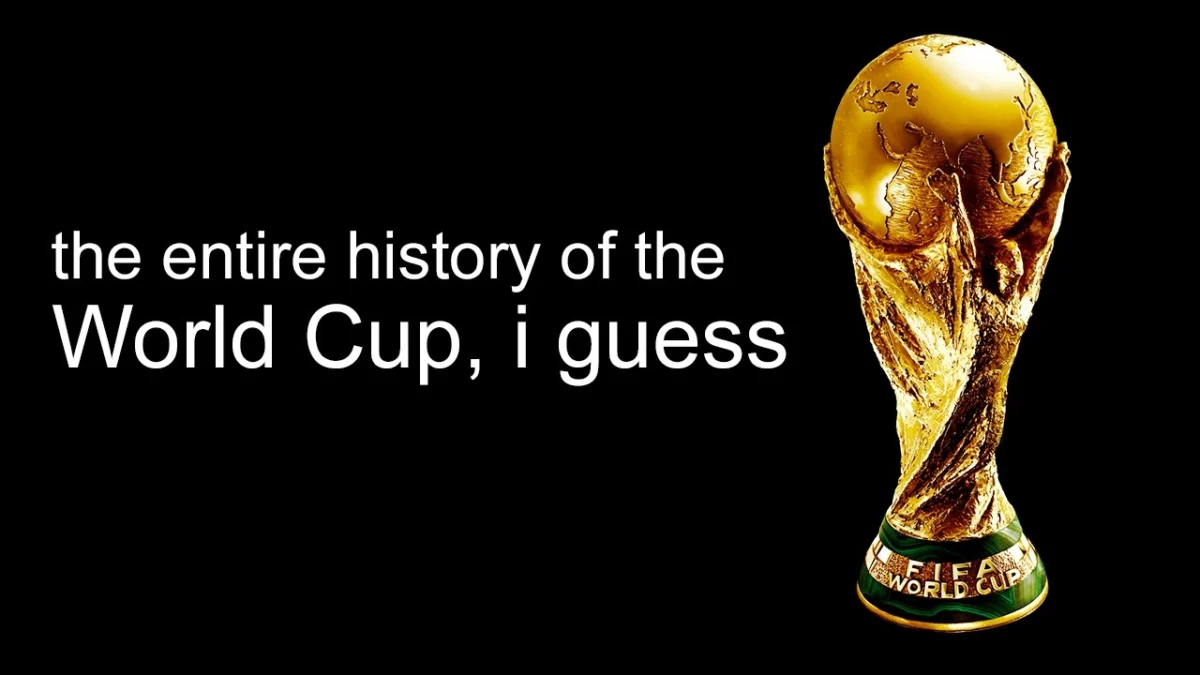
The establishment of the FIFA World Cup in 1930 in Uruguay marked a watershed moment, elevating association football to an unprecedented global stage. Conceived by Jules Rimet, then president of FIFA, the tournament aimed to foster international camaraderie and provide a platform for nations to compete on equal footing. The inaugural tournament, though modest by today’s standards, laid the groundwork for a competition that would become the most-watched sporting event on Earth.
The World Cup is more than just a series of matches; it’s a cultural phenomenon. It transcends political boundaries and social divides, uniting people under a shared banner of sporting passion. The tournament offers a unique blend of athletic prowess, strategic brilliance, and raw emotion. For fans, it’s an opportunity to rally behind their national teams, experience the thrill of victory, and commiserate in defeat. For players, it represents the pinnacle of their careers, a chance to etch their names into sporting immortality.
The enduring appeal of the World Cup lies in its inherent drama and unpredictability. Upsets are common, underdog stories captivate, and moments of individual brilliance can decide the fate of nations. The tournament’s cyclical nature, occurring every four years, imbues it with a sense of occasion and allows for the build-up of anticipation. This interval also provides a breathing space for teams to evolve, for new stars to emerge, and for narratives to develop, making each edition a fresh and compelling chapter in the sport’s grand history.
Supporting Data: The Economic and Social Impact of the World Cup
The World Cup’s influence extends far beyond the pitch, generating significant economic and social ripple effects. The hosting of the tournament alone represents a massive undertaking, requiring substantial investment in infrastructure, transportation, and hospitality. While the immediate economic benefits can be substantial, including job creation and tourism revenue, the long-term legacy often hinges on the effective utilization of these investments.
Economic Indicators:
- Global Viewership: The FIFA World Cup consistently attracts billions of viewers worldwide. The 2022 FIFA World Cup in Qatar, for instance, reached an estimated cumulative audience of 5 billion people, with the final match between Argentina and France drawing a record-breaking 1.5 billion viewers. This unparalleled reach makes it a highly attractive platform for global advertisers and sponsors.
- Economic Impact on Host Nations: Host countries often experience a significant boost in tourism, with millions of international visitors converging for the event. This influx generates substantial revenue for local businesses, hotels, restaurants, and transportation services. Studies have shown that past World Cups have contributed billions of dollars to the economies of host nations.
- Sponsorship and Merchandising: The World Cup is a lucrative event for FIFA, its sponsors, and associated brands. Global corporations invest heavily in sponsorship deals, leveraging the tournament’s massive audience to promote their products and services. Merchandising, from official team kits to memorabilia, also generates significant revenue streams.
- Job Creation: The planning and execution of a World Cup involve extensive logistical operations, leading to considerable job creation in various sectors, including construction, hospitality, security, and media.
Social and Cultural Significance:
- National Pride and Unity: The World Cup serves as a powerful catalyst for national pride and unity. During the tournament, citizens often put aside political and social differences to rally behind their national team, fostering a sense of collective identity and shared experience.
- Cultural Exchange: The tournament brings together people from diverse backgrounds, facilitating cultural exchange and understanding. Fans from different nations interact, share their traditions, and learn from one another, contributing to a richer global tapestry.
- Inspiration for Youth: The exploits of national heroes on the World Cup stage inspire countless young individuals to pursue their dreams in the sport, potentially shaping future generations of athletes and fans.
- Diplomatic Tool: The World Cup can also serve as a diplomatic tool, fostering positive international relations and providing a platform for dialogue and cooperation among nations.
The "beautiful game" has, therefore, evolved into a complex ecosystem, encompassing not only athletic competition but also significant economic drivers and profound social impacts. The World Cup, as its premier event, amplifies these aspects on a global scale, making it a truly unique and influential phenomenon.
Official Responses and FIFA’s Role
As the governing body of international football, FIFA plays a central role in the organization and promotion of the World Cup. Its decisions and policies have a profound impact on the sport’s development and the tournament’s execution. FIFA’s mission extends beyond simply staging the competition; it aims to develop the game globally, promote its values, and ensure its accessibility.
FIFA’s Mandate and Initiatives:
- Development Programs: FIFA invests in grassroots development programs worldwide, aiming to nurture talent and improve the quality of football in emerging nations. These initiatives often involve providing funding, coaching education, and infrastructure support.
- Fair Play and Integrity: FIFA emphasizes the importance of fair play, sportsmanship, and integrity within the sport. It has implemented various measures to combat match-fixing, doping, and other forms of corruption.
- Inclusivity and Diversity: FIFA has increasingly focused on promoting inclusivity and diversity within football, advocating for greater representation of women, minorities, and individuals from diverse backgrounds in all aspects of the sport.
- Hosting Decisions and Controversies: FIFA’s selection process for host nations has, at times, been subject to scrutiny and controversy. Allegations of corruption and human rights concerns have been raised in relation to past bidding processes and the conditions in some host countries, prompting calls for greater transparency and accountability.
FIFA’s response to these challenges involves ongoing efforts to reform its governance structures, enhance ethical standards, and ensure that the World Cup is conducted in a manner that reflects its stated values. The organization recognizes that its credibility and the long-term health of the sport depend on addressing these issues proactively.
The Enduring Implications: More Than Just a Game
The World Cup’s impact transcends the boundaries of sport, leaving lasting implications for nations and individuals alike. It’s a mirror reflecting the triumphs and struggles of modern society, a stage where national aspirations are played out, and a catalyst for both unity and division.
Broader Societal Impacts:
- Global Interconnectedness: In an increasingly fragmented world, the World Cup serves as a powerful reminder of our shared humanity. The collective experience of watching and discussing the tournament fosters a sense of global interconnectedness, breaking down barriers and promoting understanding.
- National Identity and Soft Power: For many nations, success in the World Cup is a source of immense national pride and a significant component of their "soft power." It can enhance a country’s international image, boost tourism, and attract foreign investment.
- Social Commentary: The World Cup, like any major global event, can become a platform for social commentary and activism. Issues such as human rights, labor conditions, and environmental sustainability in host nations often come under intense scrutiny, prompting broader discussions and calls for change.
- The "Beautiful Game" as a Metaphor: The term "beautiful game" itself speaks to a deeper appreciation for the sport’s aesthetic qualities, its fluidity, and its potential for moments of sublime artistry. However, as the article’s concluding thoughts hint, the enterprise of global football also embodies the complexities and contradictions of modernity – its glories and its ugliness, its aspirations for dominance, and its often-contentious administrative dealings. This duality makes soccer not just a sport, but a microcosm of our world.
From its humble beginnings to its status as a global spectacle, soccer and the World Cup have woven themselves into the cultural and social fabric of the planet. The enduring allure of the "beautiful game" lies not just in the skill of the players or the drama of the competition, but in its profound ability to connect people, inspire dreams, and reflect the multifaceted nature of the human experience. As the world continues to embrace this global passion, the World Cup will undoubtedly remain a potent force, shaping narratives, fostering connections, and reminding us of the shared joy and collective spirit that a simple game of kicking a ball can ignite.