The Canon of Balls: A Visceral Odyssey of Grotesque Grandeur and Unforgiving Platforming
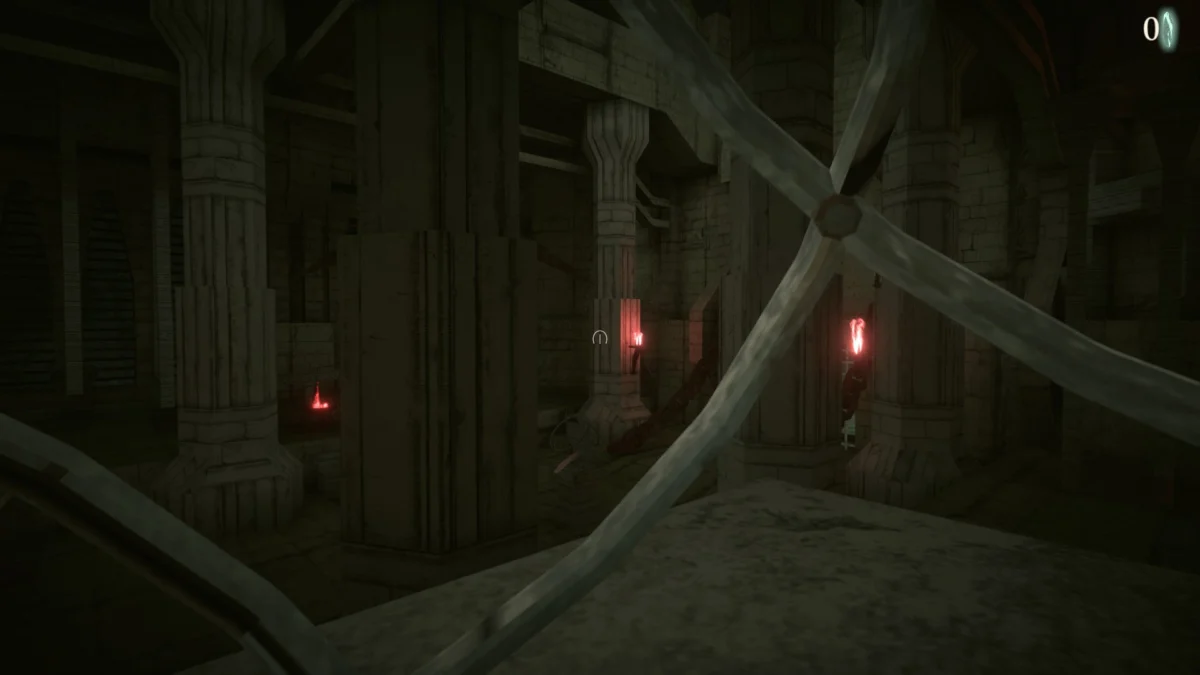
A new open-world platformer, "The Canon of Balls," emerges from the shadows, blending the punishing precision of "Dark Souls" with the whimsical physics of "Super Monkey Ball" and the atmospheric grandeur of "Shadow of the Colossus," all filtered through a uniquely macabre lens.
In a landscape increasingly saturated with derivative titles, "The Canon of Balls" dares to carve its own niche. Developed by Helios Monk, this ambitious new title presents players with a concept so bizarrely intriguing it borders on the absurd: you are the disembodied face of a horrified statue, trapped within a rolling metal cage, navigating a sprawling, unforgiving open world. The primary mechanic? A fleshy, pink tongue that functions as a versatile springboard, adding a layer of visceral, almost grotesque, interaction to the already challenging gameplay.
While the premise might initially elicit a chuckle or a bewildered stare, the game’s inspirations hint at a deeper, more profound experience. "The Canon of Balls" explicitly draws from the challenging combat and intricate level design of FromSoftware’s "Dark Souls," the physics-driven ball-rolling antics of "Super Monkey Ball," and the awe-inspiring scale and environmental storytelling of "Shadow of the Colossus." Adding to this eclectic mix is the communal, creative spirit of "Minecraft," particularly its user-generated parkour maps. This confluence of disparate influences promises a game that is simultaneously familiar and utterly alien, a testament to developer Helios Monk’s dedication to exploring unconventional design avenues.
A Descent into Grotesque Grandeur: The Core Experience
At its heart, "The Canon of Balls" is an open-world platformer that prioritizes player skill, environmental observation, and a healthy dose of perseverance. The core gameplay loop revolves around navigating intricate, often perilous, environments using the unique tongue-spring mechanic. This isn’t a game that coddles its players; expect to fall, to fail, and to repeatedly confront your own limitations. The developers have openly embraced the "spooky and unforgiving" nature of their creation, promising a challenging yet ultimately rewarding experience for those who dare to delve into its mysteries.
The game’s aesthetic is a significant part of its allure. The visuals are described as "knotty grandeur and gloom," evoking the oppressive architecture of "Dark Souls" and the monolithic structures of "Shadow of the Colossus." Imagine the colossal, weathered stone of a forgotten temple, bathed in perpetual twilight, with the constant, unsettling sound of your metal cage rumbling against its ancient surfaces. This deliberate creation of an "abrasive" atmosphere, punctuated by the satisfying "dink" of a perfectly executed landing, is central to the game’s immersive quality. The "stone faces with tongues" motif is presented not as a mere gimmick, but as an integral part of the game’s "good old grotesqueness," a deliberate artistic choice that avoids succumbing to post-ironic trends.
Chronology of Inspiration and Development
While specific development milestones for "The Canon of Balls" are not yet publicly detailed, its conceptual genesis can be traced through the explicit influences cited by the developers. The idea of a "Dark Souls in a ball" has been explored before, as noted by the article, but "The Canon of Balls" appears to refine and expand upon this concept with a unique artistic vision.
The developers, Helios Monk, have articulated their approach to world design as a rejection of modular, "copy and paste" techniques. They claim to have created a "non-repetitive, non-modular open world," a statement that has piqued the interest of game design enthusiasts and warrants further discussion. This commitment to handcrafted environments suggests a dedication to creating a truly unique and immersive space for players to explore.
The influence of "Minecraft," particularly its parkour maps, is also a significant narrative element. The developers envision "The Canon of Balls" fostering a similar sense of shared struggle and collaborative exploration. This vision extends beyond purely mechanical co-op features, emphasizing the social aspect of overcoming challenges together, even if the game is fully playable solo.
Supporting Data: A Symphony of Influences
The article meticulously details the supporting influences that shape "The Canon of Balls":
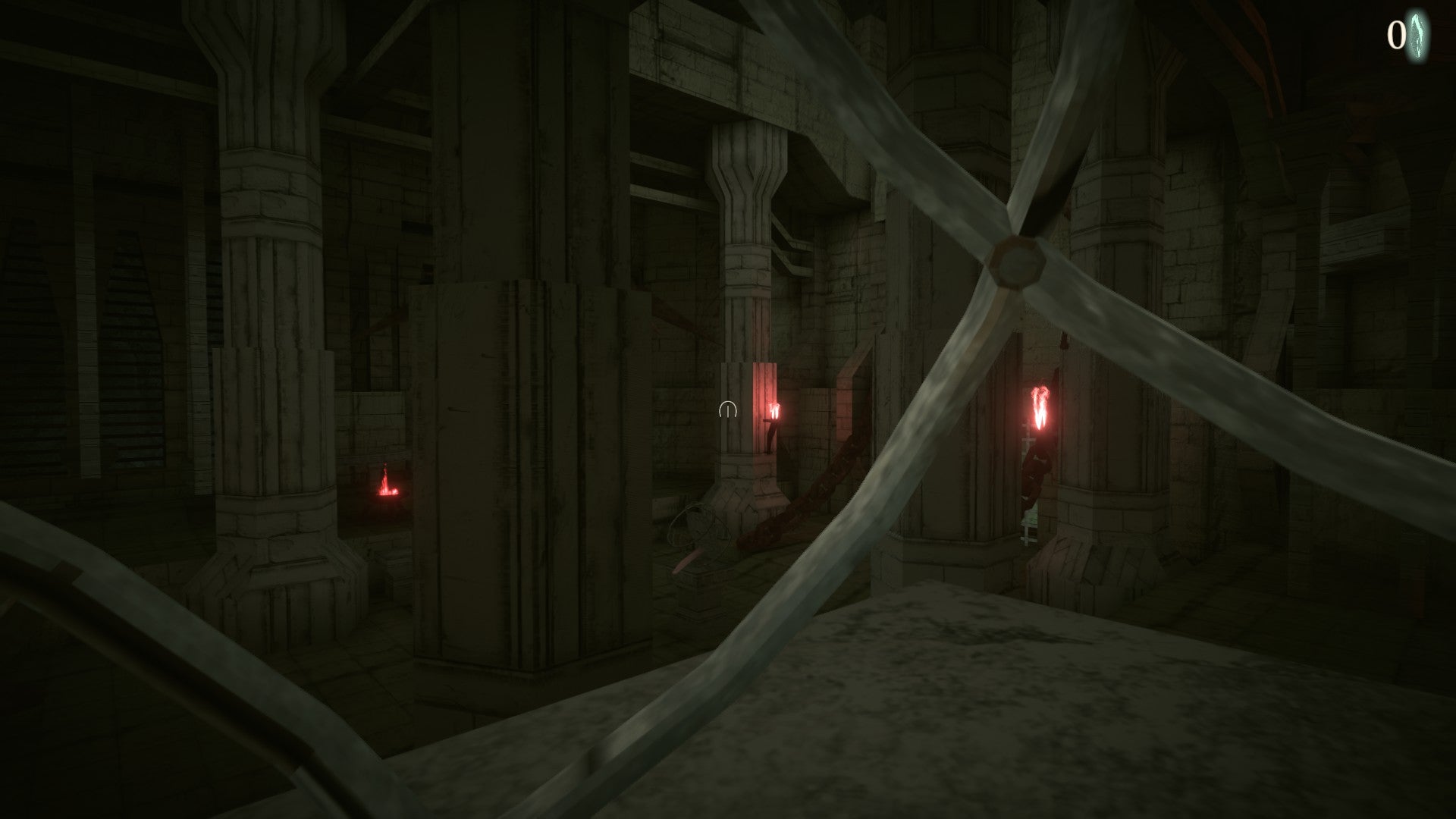
- Dark Souls: The architectural grandeur, the sense of oppressive gloom, and the unforgiving difficulty are directly linked to FromSoftware’s seminal series. The mention of "rotating blade traps" for "Sen’s Fortress survivors" explicitly draws a parallel to one of "Dark Souls’" most notorious areas, promising a familiar brand of deadly ingenuity.
- Shadow of the Colossus: The "organic and somewhat obscure nature of those early platforming routes" and the presence of a "huge stone bird with a key in its talons" are clear nods to Fumito Ueda’s masterpiece. This suggests a focus on environmental puzzles and a sense of wonder, albeit tinged with the game’s inherent darkness.
- Super Monkey Ball: The article playfully acknowledges the obvious connection to the physics-based rolling gameplay. This influence likely contributes to the game’s core movement mechanics and the potential for emergent, physics-driven solutions to platforming challenges.
- Minecraft: The developers’ stated premise of replicating the experience of playing "Minecraft parkour maps" highlights the game’s social and collaborative potential. This suggests a design philosophy that values player agency and the emergent storytelling that arises from shared experiences.
Official Responses and Developer Intent
Helios Monk, the development team behind "The Canon of Balls," has been vocal about their design philosophy. Their emphasis on a "non-repetitive, non-modular open world" underscores a commitment to creating a unique and handcrafted experience, a departure from the increasingly common procedural generation techniques.
Regarding the social aspect, the developers acknowledge that "The word ‘co-op’ might be a bit stretched for our game, as there are no real mechanics that require multiple players—it all works solo." However, they strongly advocate for playing with friends, stating, "The true social moments are what make this experience so special." This suggests a design that encourages shared discovery and the camaraderie that comes from overcoming difficult challenges together, even if the core mechanics are designed for a solitary player.
The developers also express a desire to explore a "deserted vein of weirdness," indicating a drive to create something genuinely novel and to push the boundaries of what a platformer can be. Their ambition is to evoke a feeling that "there’s another future down here somewhere," suggesting a forward-thinking approach to game design that draws inspiration from the past to forge something new.
Implications for the Gaming Landscape
"The Canon of Balls" arrives at a time when players are increasingly seeking experiences that offer both challenge and a unique artistic vision. The game’s bold premise, coupled with its clear lineage from beloved and influential titles, positions it as a potential breakout hit for those who appreciate demanding gameplay and unconventional narratives.
The game’s success could further embolden indie developers to pursue ambitious and idiosyncratic projects. By demonstrating that a unique concept, combined with solid mechanics and a distinct aesthetic, can resonate with players, "The Canon of Balls" might inspire a wave of similarly daring creations.
Furthermore, the developers’ approach to world design, eschewing modularity for handcrafted environments, could spark a renewed appreciation for detailed, bespoke level design in an era often dominated by efficient, but sometimes sterile, procedural generation.
Finally, the game’s emphasis on social play, even in a single-player-centric design, highlights a growing understanding of how to foster community and shared experiences around games, regardless of their primary mode of play.
"The Canon of Balls" is more than just a quirky platformer; it’s a testament to the enduring power of creative ambition and the potential for unexpected combinations to yield truly memorable experiences. As it launches today on Steam, offering a compellingly low price point of $3.39 (with regional equivalents), it invites players to embrace the bizarre, the challenging, and the ultimately rewarding journey of a face in a ball, navigating a world that promises to be both maddening and magnificent. The question remains: will players embrace the tongue-flinging, statue-faced odyssey, or will the unforgiving nature of its world prove too much to bear? Only time, and the collective perseverance of its players, will tell.