
The Critical Feeding Frenzy: Re-evaluating Julia Roberts’ Forgotten Gothic Horror ‘Mary Reilly’
In the high-stakes world of Hollywood filmmaking, there is a phenomenon often referred to as the "critical pack mentality." It occurs when a production becomes so marred by rumors of budget overruns, behind-the-scenes friction, and release delays that film critics sharpen their knives long before the first frame is projected. History is littered with the carcasses of films that were reviewed not as pieces of art, but as corporate disasters: Michael Cimino’s Heaven’s Gate, Elaine May’s Ishtar, and Michael Lehmann’s Hudson Hawk.
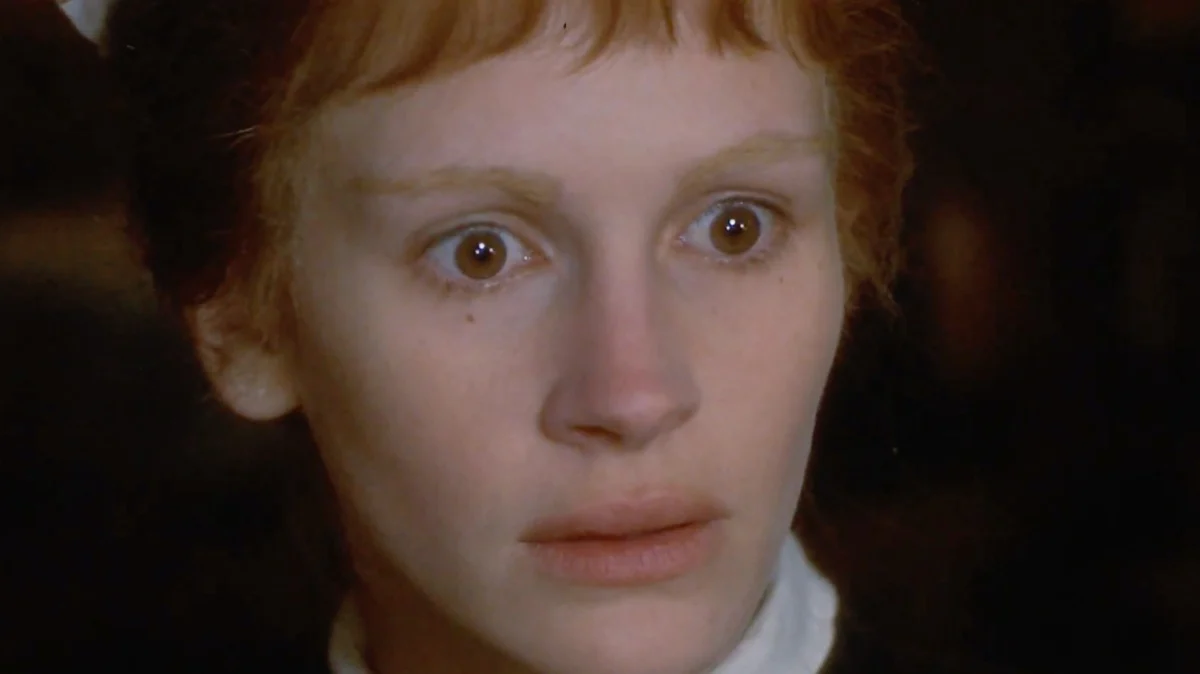
Nearly 30 years ago, another film joined this infamous pantheon: Stephen Frears’ Mary Reilly. Released in February 1996, the film was a somber, revisionist take on the Dr. Jekyll and Mr. Hyde mythos, starring the era’s most bankable actress, Julia Roberts. While the majority of the press corps dismissed the film as a turgid, misguided vanity project, one voice stood in stark opposition. The legendary Roger Ebert saw past the production’s baggage, recognizing a haunting, atmospheric exploration of trauma and class that remains misunderstood to this day.
Main Facts: A Revisionist Nightmare
Mary Reilly was never intended to be a traditional horror movie. Based on the 1990 novel by Valerie Martin, the story re-imagines Robert Louis Stevenson’s Strange Case of Dr. Jekyll and Mr. Hyde through the eyes of the household help. The titular character, Mary Reilly (Julia Roberts), is a quiet, scarred young woman working as a housemaid for the esteemed Dr. Henry Jekyll (John Malkovich).
Unlike previous adaptations that focused on the sensationalist transformation of man into beast, Mary Reilly is a chamber piece. It focuses on the psychological pull Jekyll exerts over Mary and the terrifying, animalistic magnetism of his "assistant," Mr. Hyde. The film was a massive gamble for Sony Pictures, boasting a $47 million budget—a significant sum for a period drama in the mid-90s—and a creative pedigree that included Academy Award-winning screenwriter Christopher Hampton and acclaimed director Stephen Frears (Dangerous Liaisons).
Despite the talent involved, the film was a commercial and critical catastrophe upon arrival. It earned just $12.3 million at the domestic box office and was nominated for several Golden Raspberry Awards, including Worst Actress for Roberts and Worst Director for Frears.
Chronology: From Prestigious Pedigree to Production Hell
The journey of Mary Reilly to the silver screen was fraught with the kind of development hurdles that signal trouble to industry insiders.
1. The Literary Spark (1990–1992)
Valerie Martin’s novel was a literary sensation, winning the Janet Heidinger Kafka Prize and being shortlisted for the Nebula Award. Its success immediately sparked a bidding war in Hollywood. The project was initially developed with Roman Polanski in mind to direct, then shifted to Tim Burton. At one point, Daniel Day-Lewis was eyed for the dual role of Jekyll and Hyde, with Uma Thurman as Mary.
2. The Casting of a Megastar (1993–1994)
When Stephen Frears took the helm, the project shifted gears. Julia Roberts, fresh off a string of romantic comedy successes, was cast in the lead. This was a tactical move by the studio to ensure a massive opening weekend, but it created a tonal dissonance. Roberts was the "America’s Sweetheart" of the 1990s; seeing her as a downtrodden, Victorian domestic worker with a traumatic past was a leap many audiences weren’t prepared to take.
3. Delays and Reshoots (1995)
Principal photography took place at Pinewood Studios in 1994, but the film’s release was delayed multiple times. Rumors swirled regarding the ending, which was reportedly reshot to make it more "audience-friendly." Originally slated for a prestigious year-end awards season release in 1995, Sony eventually pushed the film to February 23, 1996—the traditional "dump month" for films the studio has lost faith in.
Supporting Data: The Ebert Exception and the Critical Divide
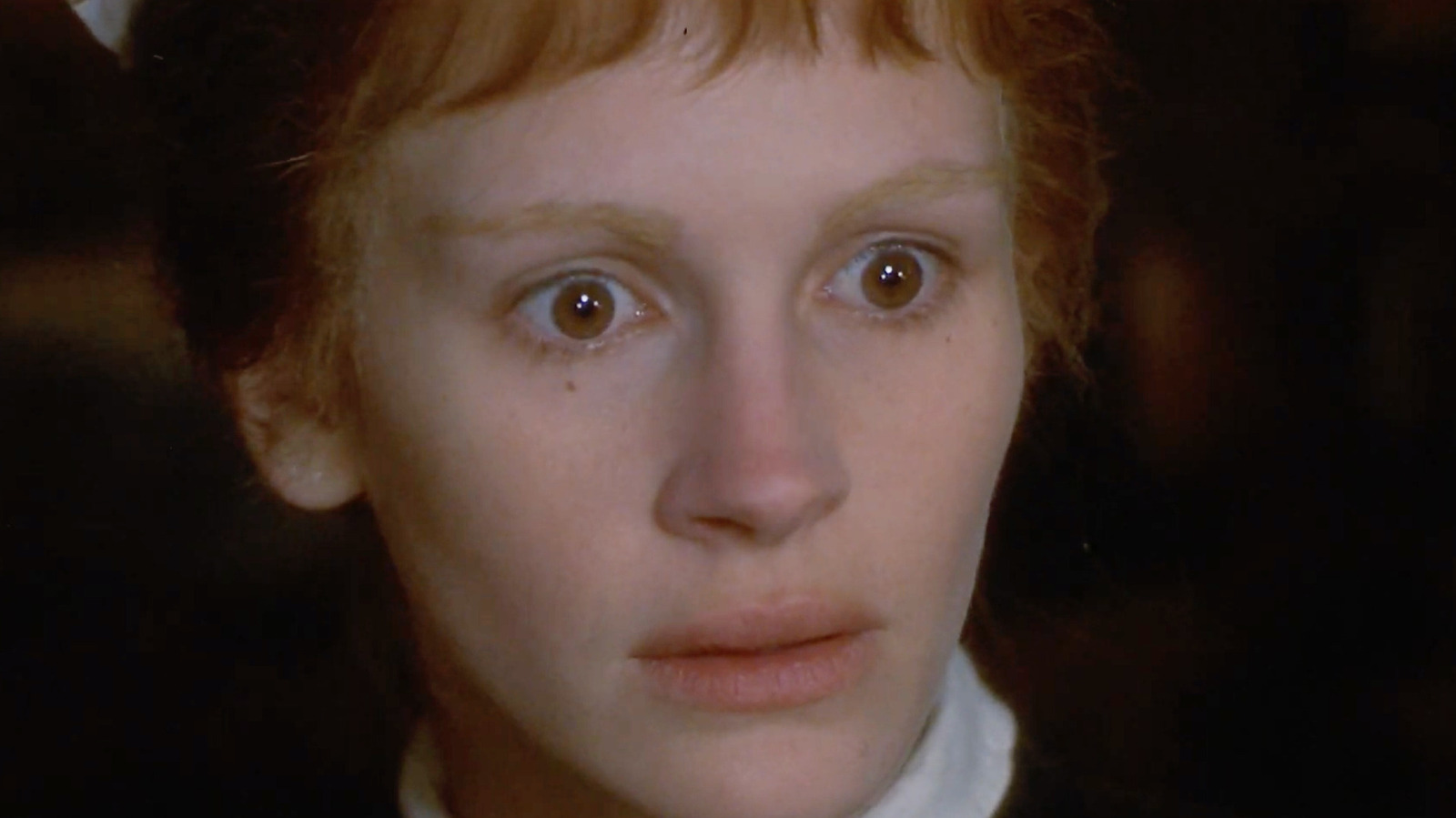
When Mary Reilly finally hit theaters, the reviews were scathing. Most critics focused on Julia Roberts’ Irish accent—which many found inconsistent—and the film’s glacial pacing. However, Roger Ebert’s three-star review for the Chicago Sun-Times provided a rare defense of the film’s artistic merits.
The Psychological Approach
Ebert argued that the film’s refusal to rely on "monster makeup" was its greatest strength. He wrote:
"’Mary Reilly’ is in some ways more faithful to the spirit of Robert Louis Stevenson’s original story than any of the earlier films based on it, because it’s true to the underlying horror. This film is not about makeup or special effects… It’s about a powerless young woman who feels sympathy for one side of a man’s nature, and horror of the other."
Ebert recognized that the horror in Mary Reilly was not found in a jump scare, but in the oppressive atmosphere of Victorian London and the internalised trauma of its protagonist.
Performance and Atmosphere
While others mocked Malkovich’s theatricality, Ebert found the duality of his performance compelling. More importantly, he praised the film’s "gloomy atmosphere." The production design by Dante Ferretti (who would later win Oscars for The Aviator and Hugo) created a world of cold stone, flickering shadows, and damp streets that perfectly mirrored Mary’s internal state.
Financial Failure
The data regarding the film’s release paints a bleak picture of its reception:
- Budget: $47 million
- Opening Weekend: $3.5 million
- Total Domestic Gross: $5.6 million
- Total Worldwide Gross: $12.3 million
The film’s failure was a rare blemish on Julia Roberts’ otherwise meteoric career, marking one of the few times her name above the title failed to draw a crowd.
Official Responses: The Creators Reflect
In the years following the film’s release, those involved have offered varying perspectives on why the project failed to resonate.
Director Stephen Frears has been candid about the difficulties of the production. He once noted that the film was perhaps "too dark and too quiet" for a mainstream audience expecting a Julia Roberts vehicle. The expectations of the "Julia Roberts Brand" in 1996 were so specific—brightness, laughter, and romance—that a film about a woman whose father locked her in a cellar with rats was a bridge too far for her fan base.
Screenwriter Christopher Hampton, who had previously found great success with Frears on Dangerous Liaisons, expressed frustration with the studio’s interference. The reshoots and the shifting release dates suggested a lack of confidence that trickled down to the critics. When a studio moves a film from December to February, they are essentially telling the press that the movie is a failure before a single review is written.
Implications: The Legacy of a Misunderstood Flop
The story of Mary Reilly offers several lasting implications for the film industry and the nature of film criticism.
1. The Danger of "Star Power"
Mary Reilly serves as a cautionary tale about miscasting—not necessarily because the actor is incapable of the role, but because their public persona overwhelms the character. Roberts’ performance is actually quite restrained and vulnerable, but the 1996 audience could not see Mary; they could only see Julia Roberts pretending to be Mary.
2. The Evolution of Revisionist Horror
Despite its failure, Mary Reilly was ahead of its time. Today, "elevated horror" and revisionist takes on classic monsters are common. Films like The Invisible Man (2020) or Renfield (2023) owe a debt to Mary Reilly’s attempt to shift the perspective away from the monster and toward the people in the monster’s orbit.
3. The Need for Critical Independence
The primary takeaway from the Mary Reilly saga—and the point emphasized by the recent look back at Ebert’s review—is the necessity of critical independence. In an era of Rotten Tomatoes and social media "dog-piling," it is easier than ever for a consensus to form before a film is even seen.
Roger Ebert’s willingness to engage with the film on its own terms, rather than as a "Julia Roberts flop," allowed him to see its value. He recognized a "dark, sad, frightening, gloomy story" that was true to the spirit of its source material. As modern audiences rediscover the film through streaming services, many are finding that Ebert was right: Mary Reilly is a haunting, beautiful, and deeply somber piece of gothic cinema that deserved better than the feeding frenzy it received three decades ago.
In the end, Mary Reilly stands as a testament to the fact that a "flop" is not always a "failure." Sometimes, it is simply a film that was released at the wrong time, with the wrong expectations, to an audience that wasn’t yet ready to look into the dark.

Leave a Comment