
The End of an Era: Analyzing the Series Finale of ‘The Boys’ and its Divergence from the Source Material
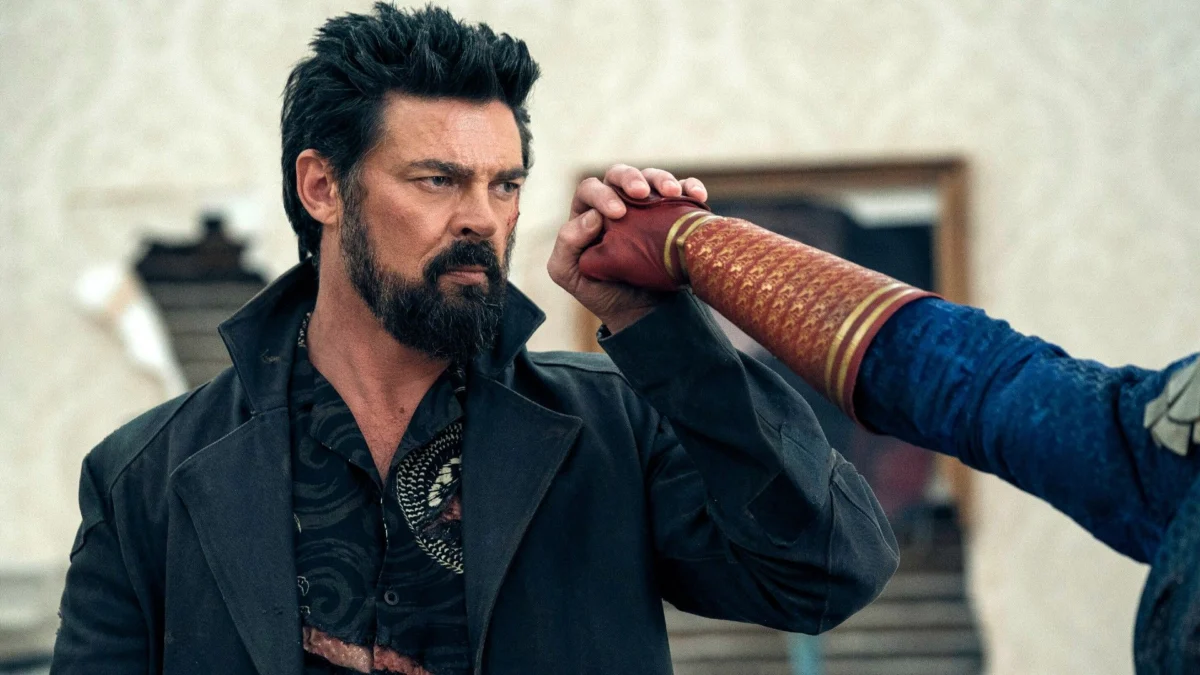
The long-awaited conclusion to Prime Video’s flagship superhero satire, The Boys, has finally arrived, bringing a definitive end to the five-season saga of corruption, vengeance, and Compound V. The series finale, titled "Blood and Bone," served as a violent, emotional, and narratively complex capstone to the rivalry between Billy Butcher (Karl Urban) and Homelander (Antony Starr). While the show has never been a beat-for-beat adaptation of Garth Ennis and Darick Robertson’s comic book series, the finale marked the most significant departure yet, fundamentally altering the fates of its central protagonists and antagonists to suit the medium of television.
Main Facts: A Final Stand for the Ages
The series finale of The Boys centers on the culmination of Billy Butcher’s genocidal plan to eliminate the "Supe" problem once and for all and Homelander’s ultimate descent into a fascistic dictatorship. Key developments in the finale include:
- The Depowering of Homelander: In a shocking turn of events, Kimiko (Karen Fukuhara) utilized a new ability—inherited and refined from the radioactive properties of Soldier Boy’s blasts—to strip Homelander of his invincibility and god-like powers.
- The Death of the Antagonist: For the first time in the series, Homelander was rendered vulnerable. Despite his pleas for mercy, Billy Butcher executed him using a crowbar, a poetic callback to the gritty, grounded violence that defined the early seasons.
- Butcher’s Final Act: Following the death of his nemesis, Butcher succumb to the terminal effects of the Temp V and the sentient tumor within him, but not before being stopped by his surrogate son figure, Hughie Campbell (Jack Quaid).
- Survivor Status: Unlike the comics, the majority of "The Boys" survived the ordeal. Hughie and Annie (Erin Moriarty) found a semblance of peace, with Annie pregnant, while Mother’s Milk (Laz Alonso) and Kimiko remained alive to see a world without Homelander.
Chronology: The Path to ‘Blood and Bone’
The road to the finale was paved with escalating stakes throughout Season 5. Homelander, having consolidated political power and effectively neutralized the U.S. government, sought to implement "V1"—a plan to turn the United States into a Supe-led autocracy. Meanwhile, Butcher, dying from the effects of Temp V, became increasingly desperate, eventually embracing the darker impulses of his subconscious, manifested through visions of his deceased wife, Becca, and his former comrade, Joe Kessler (Jeffrey Dean Morgan).
The Final Confrontation
The climax of the episode takes place within the halls of power, echoing the comic’s White House showdown but with vastly different players. As Homelander prepares to declare his new world order, The Boys launch a desperate gambit. The turning point occurs when Kimiko manages to land a concentrated blast on Homelander. The effect is instantaneous: the "Man in the Sky" falls to earth, his glowing red eyes flickering out for the last time.
The scene shifts from a superhero spectacle to a visceral execution. Homelander, reduced to a terrified human, begs for his life—a stark contrast to the narcissistic monster audiences watched for five years. Butcher, refusing to grant him the dignity of a "warrior’s death," bludgeons him to death with a crowbar.
The Aftermath and Butcher’s Exit
In the wake of Homelander’s death, the threat of Butcher’s Supe-killing virus remained. Butcher intended to release the pathogen, which would have resulted in a global genocide of anyone with Compound V in their system, including his own teammates. The final moments saw a tragic but necessary confrontation between Hughie and Butcher. In a mirroring of the comic’s end, Hughie is forced to kill Butcher to save the world, though the emotional context is shifted from betrayal to a mercy killing.
Supporting Data: TV Adaptation vs. Comic Book Source Material
To understand the weight of the series finale, one must examine the radical shifts made from the original 72-issue comic run. Showrunner Eric Kripke and his writing team chose to prioritize character psychology and the performances of the cast over the "shock value" twists of the source material.
The Black Noir Twist
In the comics, Black Noir is revealed to be a secret clone of Homelander, created by Vought as a fail-safe. It is eventually revealed that Noir committed many of the most heinous acts attributed to Homelander (including the assault on Becca Butcher) to drive the original Homelander insane and trigger his replacement protocol. In the comic finale, Black Noir kills Homelander in the White House, only to be killed by Butcher shortly after.
The television series moved away from this years ago. The original Black Noir (Earving) was killed by Homelander in Season 3. His replacement, a bumbling actor named Justin, provided comic relief in Season 4 and 5 but was ultimately killed by The Deep (Chace Crawford) in Episode 6 of the final season. By removing the "clone twist," the show ensured that Homelander remained fully responsible for his actions, preserving the integrity of Antony Starr’s portrayal of a home-grown sociopath.
The Fate of the Team
The most jarring difference lies in the survival rate of the titular group. In Garth Ennis’s ending, Butcher becomes the final villain. Convinced that the only way to ensure safety is the total eradication of Supes, he systematically murders his own team members—Mother’s Milk, Frenchie, and Kimiko—to prevent them from stopping his virus. Hughie is the sole survivor, forced to kill his mentor on the balcony of the Empire State Building.
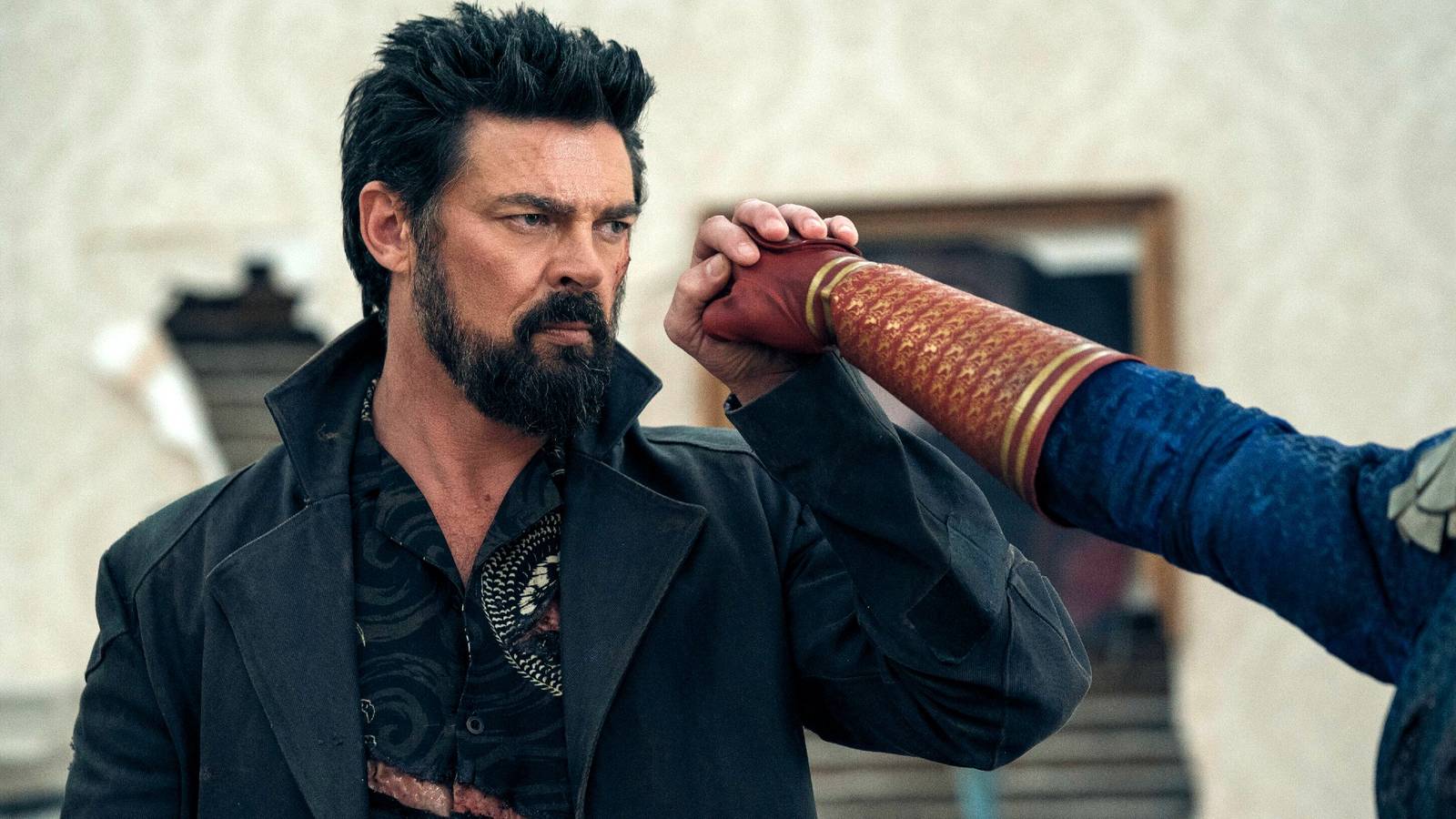
The TV finale opted for a more "hopeful" (if still melancholy) conclusion. Mother’s Milk survives to reunite with his family, and Kimiko finds a path forward. Hughie and Annie’s ending provides a rare moment of light in a notoriously dark series, suggesting that while the world is scarred, some form of recovery is possible.
Official Responses: Eric Kripke on Narrative Choices
In the aftermath of the finale, showrunner Eric Kripke has been vocal about the reasoning behind these deviations. Speaking with Collider, Kripke addressed the decision to scrap the Black Noir clone plotline.
"That just was never satisfying to me to have followed Antony Starr for all these seasons, and then at the very end to find out that he actually didn’t do any of the things that he thought he did; it was actually Noir, who was his clone," Kripke explained. "I was never gonna do that version."
Kripke emphasized that the TV medium requires a different level of investment in the protagonist-antagonist relationship. To have a "decoy" kill the main villain would have robbed the audience of the catharsis built up since the pilot episode. However, he did acknowledge the comic roots by keeping the setting (the halls of government) and the weapon (the crowbar) as a "nod" to the fans of the source material.
Regarding the survival of the rest of the Boys, Kripke told TheWrap that the bond between the characters and the audience was too strong to sever with a mass slaughter. "Hughie being the only survivor felt wrong to us," Kripke stated. "It just shows how they’re different mediums, and when you have a TV show you make a pact to the viewers with these characters that you know you’re not just going to arbitrarily murder people they love."
Implications: The Legacy of ‘The Boys’ and the Vought Cinematic Universe
The conclusion of The Boys marks a pivotal moment for Prime Video. The series was a foundational hit for the streaming service, proving that there was a massive appetite for R-rated, cynical deconstructions of the superhero genre.
The Future of the Franchise
While the main story of Butcher and Homelander has concluded, the "Vought Universe" is far from over. The success of the spin-off Gen V has already demonstrated that the world can sustain stories beyond the core cast.
Furthermore, Prime Video has officially greenlit Vought Rising, a prequel series set in the 1950s. This series will explore the early days of Vought International and the origins of the superhero industrial complex. Jensen Ackles is set to return as Soldier Boy, alongside Aya Cash as Stormfront (then known as Lady Liberty). Kripke has indicated a 2027 release window for this prequel, suggesting that the franchise will pivot from "what happens next" to "how did it all begin."
Final Reflection
The Boys series finale succeeded in providing a sense of closure while avoiding the pitfalls of a nihilistic ending that might have alienated its massive television audience. By centering the finale on the consequences of power and the personal cost of vengeance, the show transitioned from a satire of superheroes to a profound character study. While it moved away from the letter of the comics, many fans and critics argue it remained true to the spirit of the story: a warning about the dangers of unchecked power and the importance of humanity in an inhuman world.
All five seasons of The Boys are currently available for streaming on Prime Video, standing as a complete testament to one of the most provocative eras in modern television.

Leave a Comment