The Literary Horizon: Locus Magazine Unveils Premier Speculative Fiction Releases for Late September 2026
Introduction: Main Facts of the September 22 Release Cycle
On September 22, 2026, Locus Magazine, the long-standing institutional authority on speculative fiction, released its highly anticipated weekly guide to new literary arrivals. This latest curation serves as a critical compass for readers navigating the increasingly dense landscape of Science Fiction, Fantasy, Horror, and Young Adult (YA) fiction. As the publishing industry enters the robust autumn corridor—traditionally the most competitive season for prestige releases—the latest Locus update highlights a diverse array of titles that reflect the shifting geopolitical and technological anxieties of the mid-2020s.
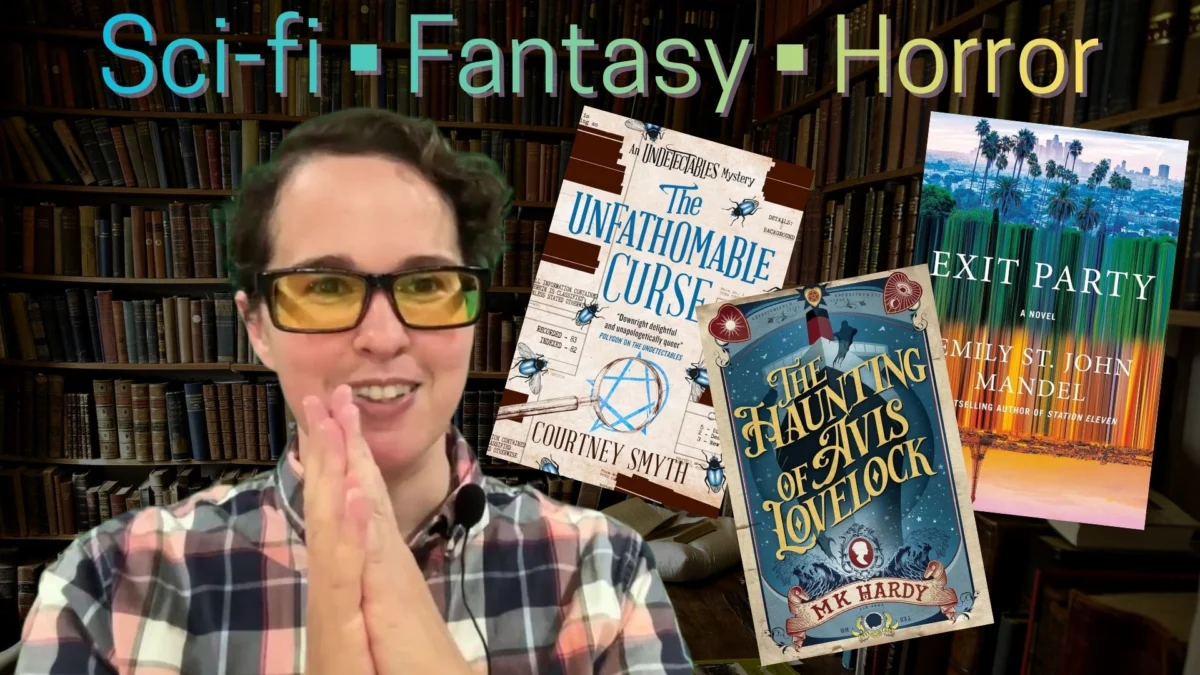
The release, accompanied by a comprehensive video breakdown, marks a significant moment in the 2026 publishing calendar. This week’s lineup is characterized by a "multimodal" approach to storytelling, where traditional prose intersects with themes of digital consciousness, ecological restoration, and the deconstruction of classical mythologies. According to Locus, the September 22 slate is not merely a collection of books but a snapshot of the current "Speculative Zeitgeist," offering everything from "vast futuristic worlds" to "eerie horror and supernatural discoveries."
For over half a century, Locus has functioned as the "newspaper of the science fiction and fantasy field." In an era where algorithmic recommendations often prioritize commercial viability over literary merit, the magazine’s curated approach remains a vital resource for libraries, booksellers, and dedicated bibliophiles. The September 22 announcement underscores the magazine’s ongoing commitment to bridging the gap between niche genre fiction and mainstream literary recognition.
Chronology: The Evolution of the Autumn Publishing Surge (2024–2026)
To understand the significance of the September 22, 2026, releases, one must examine the chronological shift in how speculative fiction has been marketed and consumed over the last three years.
- The Post-Pandemic Correction (2024): Following the supply chain disruptions of the early 2020s, the publishing industry saw a massive "logjam" of titles. By 2024, publishers began strategically moving major SFF (Science Fiction and Fantasy) releases into the late September window to avoid the "summer blockbuster" fatigue of July and August.
- The Rise of Video-Centric Curation (2025): Recognizing a shift in reader demographics, Locus and other major trade publications pivoted toward high-production video content. The "New Releases Video" format, seen in the September 22 update, became the industry standard for reaching Gen Z and Alpha readers who utilize visual platforms for book discovery.
- The 2026 "Prestige Wave": By early 2026, the "September Surge" had solidified. The week of September 22 was identified by industry analysts as a "Golden Week," where major houses (such as Tor, Orbit, and Gollancz) and independent presses alike debut titles aimed at the following year’s Hugo, Nebula, and Locus Award cycles.
The current week’s releases are the culmination of this three-year trend, representing a sophisticated blend of commercial appeal and avant-garde experimentation. The transition from the "beach reads" of August to the "intellectual spec-fic" of late September is now a cornerstone of the literary year.
Supporting Data: The Expanding Market for Speculative Fiction
The data surrounding the September 22 release cycle suggests a thriving, albeit complex, market for genre fiction. According to industry reports from the first three quarters of 2026, speculative fiction continues to outperform general contemporary fiction in several key metrics.
- Market Share Growth: As of September 2026, Science Fiction and Fantasy (SFF) sales have seen a 12% year-over-year increase in digital and audio formats. The horror genre, in particular, has experienced a "renaissance," with a 15% uptick in sales driven by a surge in "folk horror" and "socially conscious supernatural" titles.
- The YA Transition: Young Adult fiction, once dominated by dystopian tropes, has shifted toward "Captivating YA Stories" that blend magical realism with contemporary social issues. Data indicates that 40% of the YA market is now comprised of "crossover" readers (adults over 25), a demographic that Locus explicitly targets in its September 22 curation.
- The "Locus Effect": Internal metrics from Locus and affiliate retailers suggest that titles featured in the "Weekly New Releases" video see an average 22% increase in library hold-list requests within the first 48 hours of the announcement. This highlights the continued power of centralized, expert curation in a fragmented media environment.
- Independent Support: The call for donations included in the Locus announcement reflects a broader industry reality. While book sales are up, independent literary journalism faces a precarious financial landscape. Locus publishes hundreds of reviews annually, maintaining a staff of critics that serves as a check against the "AI-generated review" trend that began to plague online marketplaces in late 2025.
Official Responses: Insights from the Heart of the Industry

In response to the September 22 release cycle, editors and industry insiders have voiced their perspectives on the current state of the field.
A spokesperson for Locus emphasized the magazine’s role as a cultural filter: "We aren’t just listing books; we are identifying the stories that will define the next decade of our collective imagination. The September 22 lineup is particularly strong because it showcases the resilience of the human spirit in the face of speculative catastrophes. Whether it’s a space opera or a haunted house, these authors are grappling with what it means to be human in 2026."
Lead reviewers at the magazine noted that the "Science Fiction" category this week is heavily influenced by real-world advancements in biotechnology and climate engineering. "We are seeing a move away from ‘Cyberpunk’ and toward what some are calling ‘Bio-mimesis’—fiction that explores the integration of organic life with high technology," stated one senior editor during the video’s production wrap-up.
Furthermore, the fundraising appeal attached to the announcement has garnered support from the author community. Several Hugo Award-winning novelists issued a joint statement via social media, noting: "Without Locus, the ecosystem of speculative fiction loses its memory. Their weekly lists, like the one released today, are the historical record of our genre. Supporting them is an investment in the future of the written word."
Implications: The Future of Speculative Fiction and Media Literacy
The release of the September 22, 2026, guide carries significant implications for the future of the publishing industry and the broader cultural consumption of fiction.
The Curation Crisis and the Human Element
As AI-driven recommendation engines become more pervasive, the September 22 release highlights the growing "Curation Crisis." Readers are increasingly overwhelmed by the volume of content available on global platforms. The role of Locus as a human-curated gatekeeper suggests that expertise and institutional knowledge are becoming more valuable, not less. The implication is a future where "boutique" journalism becomes the primary way for quality literature to survive the "noise" of the digital age.
Genre-Blurring and Cultural Reflection
The mix of Sci-Fi, Fantasy, and Horror in this week’s releases points to a continuing trend of "genre-fluidity." Authors are increasingly refusing to stay within the silos of a single category. This reflects a societal shift where the boundaries between technology (Sci-Fi), belief (Fantasy), and existential dread (Horror) are becoming blurred. The September 22 titles suggest that the most successful stories of the late 2020s will be those that synthesize these elements to reflect a complex, interconnected world.
The Sustainability of Independent Media
Finally, the explicit request for reader support in the Locus announcement serves as a sobering reminder of the fragile economics of literary criticism. The implication is clear: if readers value high-quality, professional analysis of the books they love, they must move toward a direct-support model. The "Spring Fundraising Campaign" mentioned in the article is a precursor to a wider industry movement where readers act as patrons, ensuring that the "new and notable releases" of the future continue to be documented by human experts rather than automated systems.
Conclusion
The Locus Magazine update for September 22, 2026, is more than a weekly list; it is a testament to the enduring power of speculative storytelling. By bridging the gap between Science Fiction, Fantasy, Horror, and YA, and by utilizing modern video formats to reach a global audience, Locus continues to define the boundaries of the imaginative world. As these new titles hit shelves, they carry with them the hopes, fears, and creative aspirations of a world in flux, waiting to be discovered by the next generation of readers.