Reclaiming the Roar: Why Dragons Deserve More Love in Dungeons & Dragons
The curious paradox at the heart of the world’s most popular tabletop role-playing game, Dungeons & Dragons (D&D), has long fascinated players and Dungeon Masters (DMs) alike: for a game with "Dragons" in its very name, these magnificent beasts are surprisingly rare encounters. Despite their iconic status in fantasy literature and their inherent coolness, dragons often remain on the periphery, relegated to climactic endgame battles rather than regular adversaries. This article delves into the reasons behind this phenomenon, explores how the game’s official content addresses it, and highlights the vibrant ecosystem of dragon-themed merchandise that allows enthusiasts to celebrate these creatures even when they’re not facing them across the tabletop.
Main Facts: The Curious Case of Underutilized Dragons in D&D
At first glance, the title "Dungeons & Dragons" unequivocally signals the two core pillars of its adventurous spirit: labyrinthine subterranean complexes and formidable draconic foes. Yet, seasoned players will often lament that dragons, particularly ancient and powerful ones, are among the least frequently encountered monsters. The extensive Monster Manual, a tome overflowing with hundreds of fantastical creatures, offers DMs a veritable smorgasbord of goblins, orcs, beholders, mind flayers, and undead horrors to throw at their players. In contrast, dragons are typically reserved as the ultimate challenge, a benchmark against which high-level adventurers prove their mettle, or the final antagonist in a sprawling campaign narrative.
This practice, while understandable given the immense power and lore associated with dragons, creates a peculiar disconnect. Dragons are not merely powerful monsters; they are central to the very fabric of fantasy aesthetics and narratives. They embody primal fear, ancient wisdom, immense power, and unparalleled greed, often serving as the linchpin of entire mythologies. Their absence from more regular gameplay, therefore, feels like a missed opportunity to fully embrace the "Dragons" half of the game’s identity. This perceived scarcity has, in turn, fueled a passionate desire within the D&D community to celebrate dragons in other ways, fostering a thriving market for dragon-themed accessories and resources that bring these majestic creatures closer to the gaming table, even if only in spirit.
Chronology: A History of Dragons in D&D and Fantasy
Understanding the current status of dragons in D&D requires a brief journey through their rich history, both in broader mythology and within the evolution of the game itself.
Ancient Roots: Dragons Beyond the Tabletop
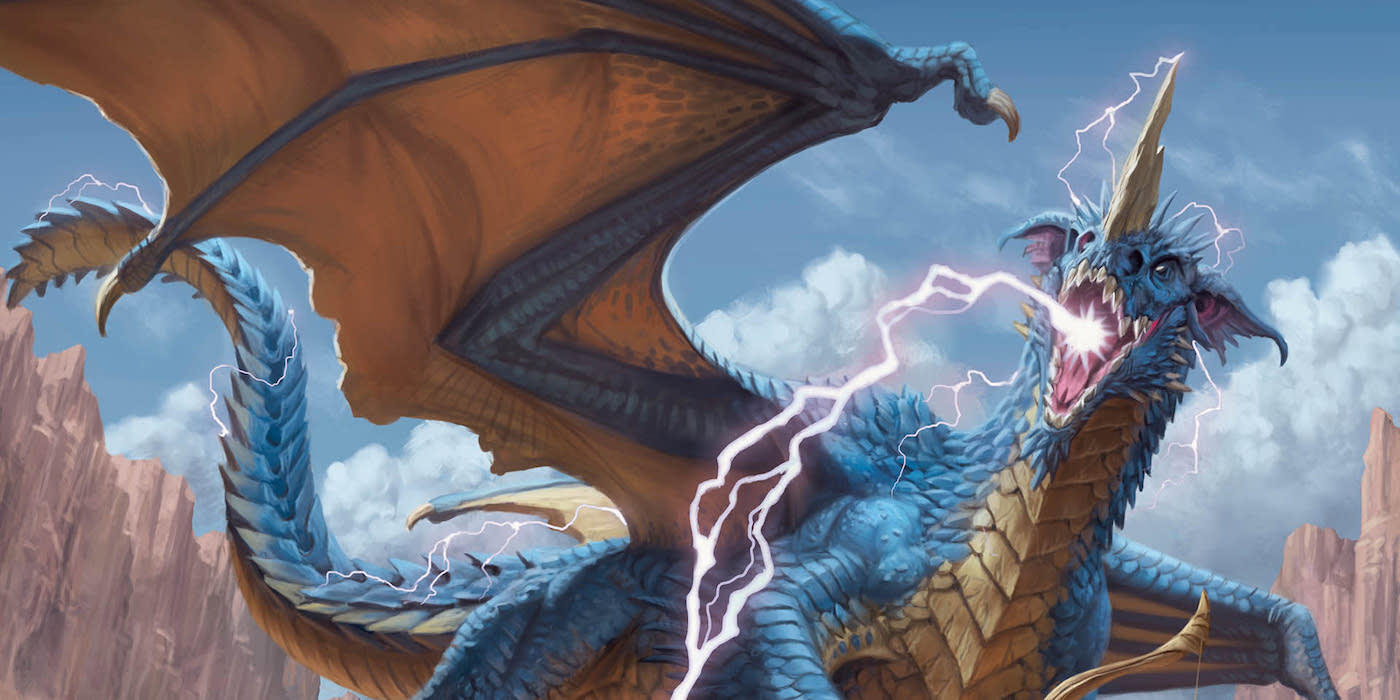
Dragons are perhaps one of the most enduring and universally recognized mythical creatures, transcending cultures and millennia. From the benevolent, wise serpentine dragons of East Asian folklore to the fearsome, hoard-guarding wyrms of European legend, these creatures have captivated human imagination for centuries.
In Western tradition, dragons often symbolize chaos, greed, and destruction. They appear in epic poems like Beowulf, where the hero faces a fire-breathing dragon guarding a treasure hoard, and in biblical texts, often depicted as manifestations of evil. The legend of St. George and the Dragon is another iconic example, cementing the image of the knightly hero battling a monstrous beast. J.R.R. Tolkien’s Smaug in The Hobbit solidified the modern fantasy archetype of the intelligent, avaricious, and supremely powerful dragon, inspiring countless subsequent portrayals. These literary and mythological foundations laid the groundwork for dragons to become indispensable figures in the emerging fantasy genre of the 20th century.
Gygax’s Vision: Dragons from OD&D to 5th Edition
When Gary Gygax and Dave Arneson conceived Dungeons & Dragons in the early 1970s, they drew heavily from these existing fantasy tropes. Dragons were naturally included from the very first edition (Original D&D, or OD&D) as apex predators and ultimate challenges. They were designed to be formidable, requiring strategic thinking and often high-level parties to defeat.
The concept of different dragon types, specifically Chromatic (evil) and Metallic (good) dragons, was further elaborated in subsequent editions, particularly with Advanced Dungeons & Dragons (AD&D). Each color (Red, Blue, Green, Black, White for Chromatic; Gold, Silver, Bronze, Copper, Brass for Metallic) was endowed with distinct personalities, lair preferences, breath weapons, and ecological niches. This rich taxonomy deepened the lore, making each dragon encounter unique and memorable.

Across AD&D, 2nd, 3rd, 3.5, and 4th Editions, dragons consistently maintained their status as high-Challenge Rating (CR) creatures. Their legendary actions, lair actions, and immense hit points meant they could devastate unprepared parties. This design philosophy inherently positioned them as "boss monsters." In 5th Edition D&D, this tradition continues. Dragons remain some of the most complex and powerful creatures in the Monster Manual, often serving as campaign-defining threats that test the limits of even the most experienced adventuring parties. Their power level, combined with the significant narrative weight they carry, has consistently led DMs to hold them in reserve, saving them for moments of grand culmination rather than casual encounters.
Supporting Data: Why Dragons Are Rare, and Why They Shouldn’t Be
The reasons behind the infrequent appearance of dragons are multifaceted, stemming from both game mechanics and common DM practices. However, there’s a compelling argument to be made for integrating them more often and in more varied ways.
The DM’s Dilemma: Balancing Encounters and Narrative Arcs
For many Dungeon Masters, the decision to save dragons for the endgame is a practical one, rooted in the mechanics of D&D 5th Edition and the desire to craft a satisfying narrative.
- High Challenge Rating (CR): Dragons, even young ones, possess high CRs. An adult red dragon, for instance, has a CR of 17, capable of wiping out a mid-level party in a single round with its breath weapon and legendary actions. Introducing such a creature too early can lead to a TPK (Total Party Kill), derailing a campaign and frustrating players. DMs are often cautious, preferring to challenge players incrementally rather than overwhelm them.
- Narrative Weight: Dragons are not just brute force; they are intelligent, ancient beings with vast territories, complex motivations, and often extensive cults or minions. To introduce a dragon feels like a significant narrative event, demanding extensive build-up, consequences, and a resolution befitting such a powerful entity. Many DMs feel that "wasting" a dragon on a casual encounter diminishes its gravitas.
- Logistical Complexity: Running a dragon in combat is often more intricate than managing a band of goblins. Dragons come with legendary actions (actions taken outside their turn), legendary resistances (to automatically succeed on saving throws), and lair actions (special environmental effects within their den). These mechanics require DMs to be well-prepared and adept at managing multiple moving parts, adding to the mental load of running a game.
- Treasure Hoards: Dragons are synonymous with vast hoards of treasure. Introducing a dragon implies a potential windfall for the party, which can significantly alter the campaign’s balance of power and progression. DMs often prefer to control the flow of magical items and gold, making dragon encounters strategic choices rather than spontaneous events.
The Allure of the Wyrm: Redefining Dragon Encounters
Despite these challenges, the unique appeal of dragons means DMs and players alike crave more interaction with them. The solution isn’t necessarily to throw ancient dragons at low-level parties, but to diversify the types of dragon encounters.

- Younger Dragons as Mid-Game Threats: Not all dragons are gargantuan, ancient wyrms. Wyrmlings and young dragons, while still formidable, offer more manageable challenges for mid-level parties (CR 1-10). These encounters can introduce players to draconic threats earlier, allowing them to learn tactics against such foes without facing instant annihilation.
- Non-Combat Encounters: Dragons are highly intelligent. An encounter doesn’t always have to end in a brawl. Players could engage a dragon in a riddle contest, negotiate for passage through its territory, undertake a quest on its behalf, or even seek its ancient wisdom. A dragon could be a powerful patron, a reluctant ally, or a mysterious sage.
- Dragon Cults and Minions: Even if the dragon itself remains off-stage, its influence can be pervasive. Parties might encounter dragon cultists, dragon-touched creatures, or monstrous humanoids serving a draconic master. These encounters provide a taste of draconic power and foreshadow the eventual confrontation with the dragon itself.
- Environmental Storytelling: Dragons leave their mark on the world. Discovering ancient dragon bones, vast scorch marks across a forest, a deserted village ravaged by a dragon, or even hearing local legends about a sleeping dragon can build atmosphere and reinforce the dragon’s presence without direct combat.
- Fragments of Power: Perhaps a party encounters a fragment of a dragon’s consciousness, a magical item imbued with its essence, or battles a creature animated by draconic magic. These "mini-dragon" encounters can provide a sense of draconic power on a smaller, more manageable scale.
By expanding the definition of a "dragon encounter," DMs can weave these majestic creatures into their campaigns with greater frequency and creativity, truly honoring the game’s namesake.
Official Responses: Wizards of the Coast’s Stance and Resources
Recognizing the community’s desire for more draconic content, Wizards of the Coast (WotC), the publisher of D&D, has made concerted efforts to bring dragons back to the forefront.
Fizban’s Treasury of Dragons: A Deep Dive
The most significant official response to the "where are the dragons?" question came in the form of Fizban’s Treasury of Dragons, released in 2021. This supplementary rulebook, named after the eccentric, disguised avatar of Bahamut (the Platinum Dragon), is explicitly designed to empower DMs and players to incorporate dragons more fully into their games.
Fizban’s is far more than just a collection of new stat blocks. It’s a comprehensive guide to understanding, playing, and encountering dragons in 5th Edition D&D. Key features include:
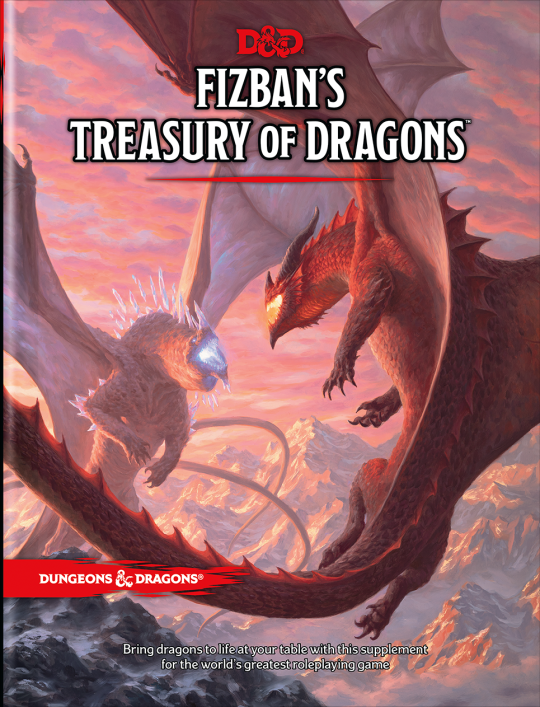
- Expanded Dragon Lore: The book delves deep into the metaphysics of dragons, exploring their origins, their connection to the material plane, and their role in the multiverse. It introduces the concept of the "First World" and the "Echoes" of dragons across different realities, providing DMs with rich narrative hooks.
- New Dragon Types: Beyond the familiar Chromatic and Metallic dragons, Fizban’s reintroduces Gem Dragons (Amethyst, Crystal, Emerald, Sapphire, Topaz), each with unique psionic abilities and distinct alignments, offering even more variety for encounters. It also provides rules for Greatwyrms, ancient dragons of unparalleled power that serve as truly epic endgame threats.
- Variant Dragon Rules: The book offers DMs optional rules to make dragons even more dynamic, such as Draconic Gifts (boons bestowed upon characters by dragons), Hoard Magic (magic items imbued with a dragon’s power), and detailed sections on dragon lairs, including unique lair actions and regional effects.
- Player Options: Players aren’t left out. Fizban’s introduces new draconic subclasses, like the Drakewarden Ranger and the Way of the Ascendant Dragon Monk, allowing characters to forge deeper connections with draconic power. It also provides draconic feats and spells, enabling players to channel the essence of dragons.
- Treasure Hoard Generation: A significant portion of the book is dedicated to designing and populating dragon hoards, going beyond simple gold piles to include unique magic items, ancient artifacts, and lore-rich trinkets that tell stories about the dragon and its past.
Fizban’s Treasury of Dragons is, in essence, WotC’s definitive statement: dragons are integral to D&D, and here are all the tools you need to make them a central, exciting part of your campaigns. It empowers DMs to use dragons not just as monsters, but as complex characters, sources of ancient magic, and architects of the world.
Beyond Fizban: Other Dragon-Centric Content
While Fizban’s is the flagship, WotC has consistently woven draconic elements into other publications and adventures. Early 5th Edition adventures like Tyranny of Dragons (which includes Hoard of the Dragon Queen and The Rise of Tiamat) explicitly focused on a massive cult attempting to resurrect the evil goddess Tiamat, the five-headed queen of Chromatic Dragons. Modules like Descent into Avernus feature powerful draconic entities and artifacts, even if the dragons themselves are not the primary antagonists. Tasha’s Cauldron of Everything introduced additional player options, including draconic spells and magical items, further expanding the ways players could interact with draconic themes.
These continuous releases demonstrate WotC’s commitment to ensuring that "Dragons" remains a vibrant and evolving part of "Dungeons & Dragons," offering both DMs and players myriad ways to engage with these legendary creatures.
Implications: Re-Embracing the Dragon Aesthetic
The enduring appeal of dragons, despite their in-game scarcity, has created a robust market for merchandise that allows players to celebrate their love for these creatures. This segment explores how this market responds to the inherent desire for more dragons, offering tangible ways to integrate the draconic aesthetic into every gaming session.

The Market Responds: Dragon-Themed Merchandise
Even if your character isn’t currently facing down a formidable red dragon, you can still infuse your gaming experience with draconic flair. The sheer volume and creativity of dragon-themed accessories available today speak volumes about the community’s adoration for these mythical beasts.
-
Hollow Dragon Dice: Imagine rolling a die that not only determines your fate but also holds a miniature dragon within its metallic cage. These innovative dice sets combine intricate craftsmanship with a striking visual effect. Often crafted from metal, their hollow design creates a mesmerizing illusion of a tiny dragon coiled inside, guarding the numbers. Available in a spectrum of colors, some even mimicking precious gemstones or stained with a faux-blood finish, these dice are more than just gaming tools; they are miniature works of art that bring the spirit of the dragon right to your fingertips, making every roll feel a little more epic. Their tactile weight and unique aesthetic elevate the simple act of rolling dice into a moment of draconic grandeur.
-
Sleeping Dragon Dice Bowl: For those treasured, shiny dice – perhaps even the hollow dragon dice mentioned above – a worthy vessel is essential. The sleeping dragon dice bowl serves this purpose with thematic elegance. Typically featuring a sculpted dragon curled around the edges, its design suggests a powerful guardian protecting a precious hoard. Many of these bowls incorporate a neoprene rolling mat at the bottom, providing a soft, quiet surface for dice rolls and preventing them from scattering. The mat often features intricate designs, such as piles of gold coins, reinforcing the narrative that your dice are additions to the dragon’s ever-growing treasure. This accessory transforms the mundane act of dice rolling into a miniature theatrical performance, immersing players in the fantasy of a dragon’s opulent lair.
-
Red Dragon Figure: While direct dragon encounters might be rare, when they do occur, the impact is undeniable. A high-quality dragon miniature can dramatically enhance the immersive experience at the gaming table. A meticulously detailed Red Dragon figure, for instance, serves not only as a visual representation for tactical combat but also as a powerful centerpiece. Its intimidating presence can instantly convey the scale and danger of the threat, prompting players to react with appropriate caution and awe. And why stop at just red? Dragons come in a vibrant spectrum of colors – black, green, blue, white, and the noble metallics – each with unique physical characteristics and lore. Collecting these figures isn’t just about tactical utility; it’s about celebrating the diverse majesty of draconickind and creating a visual "hoard" of your own. These figures bridge the gap between abstract game mechanics and tangible fantasy, making the rare dragon encounter truly unforgettable.

-
Dice Dragon Hoard and Tower: For the dedicated dice collector whose collection rivals a dragon’s treasure hoard, organizational solutions that also embrace the theme are invaluable. A dice dragon hoard and tower combo offers both practicality and thematic flair. These multi-functional pieces often feature storage compartments capable of holding several sets of dice, keeping them organized and protected. Integrated into the design is usually a dice tower, providing a fair and satisfying roll with every drop. The aesthetic often incorporates draconic motifs, such as scales, claws, or stylized dragon heads, making the entire unit look like a piece of an ancient dragon’s lair. This accessory caters to the player who appreciates both efficiency and immersion, allowing them to keep their "hoard" in order while always having a convenient, thematic rolling mechanism at hand. It acknowledges the shared passion between dragons and players for collecting shiny, precious things.
-
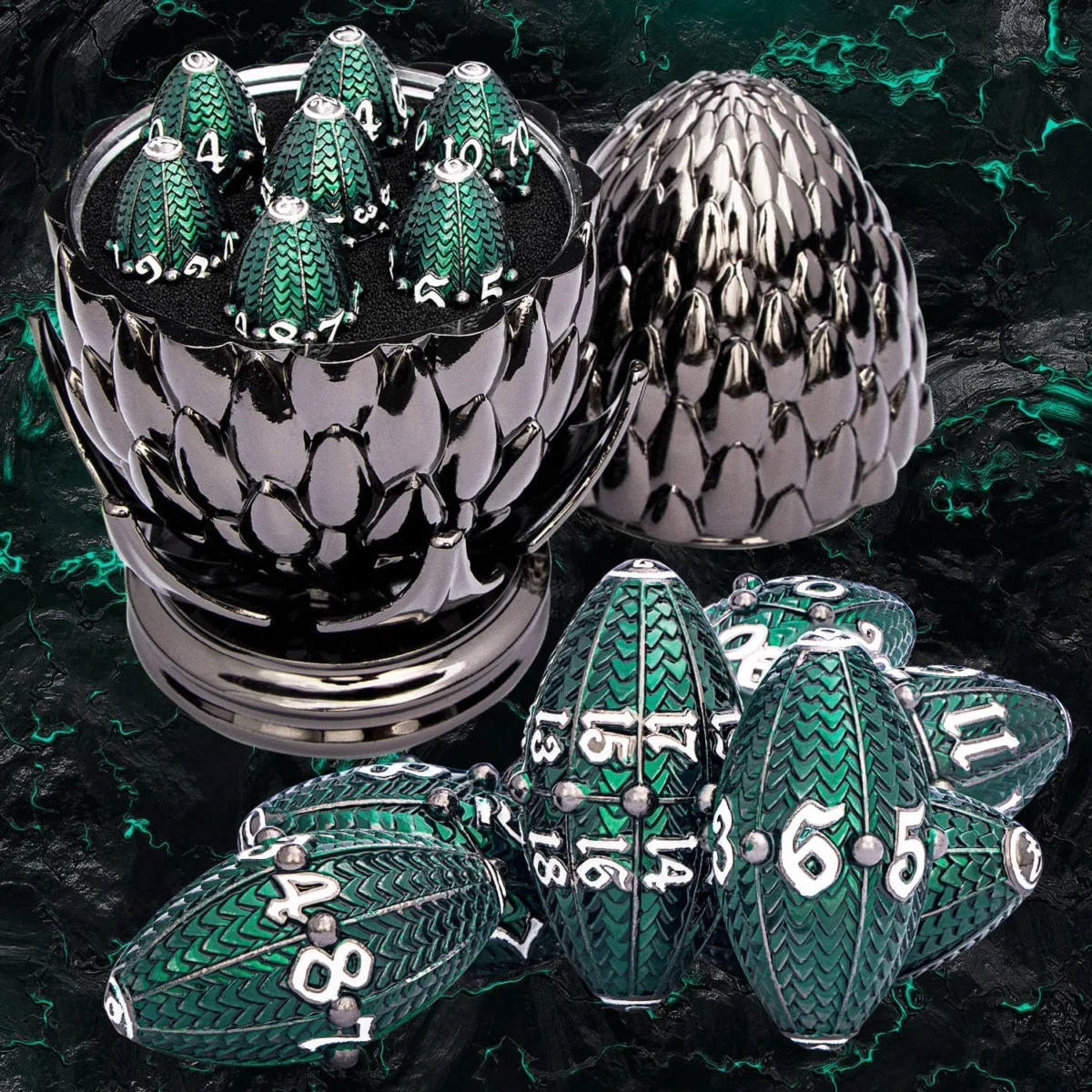
Dragon Egg Dice: Taking the draconic theme to an even more immersive level are dragon egg dice sets. Each individual die in such a collection is crafted to resemble a miniature dragon egg, often with intricate patterns, iridescent finishes, or scale-like textures. The entire set typically comes housed in a larger, sculpted dragon egg-shaped box, completing the illusion of acquiring a clutch of nascent dragons. This thoughtful design transforms the dice from simple number generators into precious artifacts, evoking the wonder and mystery of discovering a dragon’s nest. Rolling these dice feels like "hatching" a piece of draconic power, adding a layer of narrative and sensory engagement to every game session. It’s a testament to the idea that even the smallest accessories can tell a grand story.
Fostering a Deeper Connection: Beyond Combat
The existence and popularity of these dragon-themed products underscore a crucial point: the connection players have with dragons extends far beyond mere combat encounters. Dragons are symbols of power, ancient magic, wisdom, and untamed nature. They represent the grand scale of fantasy, pushing the boundaries of what is possible in a fictional world.
By embracing these accessories, players are not just buying merchandise; they are actively participating in the lore, bringing the essence of dragons to their tables even when the monsters themselves are absent. These items serve as constant reminders of the game’s namesake and the rich, imaginative world it represents. They foster a deeper, more personal connection to the draconic aesthetic, turning every dice roll or organizational task into a small celebration of these magnificent creatures.

The Call to the Wyrm: A Renewed Appreciation
In conclusion, while the literal presence of dragons in D&D campaigns might be less frequent than the game’s title suggests, their symbolic and thematic importance remains paramount. Wizards of the Coast, through publications like Fizban’s Treasury of Dragons, actively encourages DMs to integrate these creatures more creatively and frequently. Simultaneously, the thriving market for dragon-themed merchandise allows players to outwardly express their adoration for these iconic beasts, infusing their gaming setup with draconic majesty.
It is a call to both Dungeon Masters and players to re-embrace the "Dragons" in Dungeons & Dragons. Whether through epic in-game confrontations, intricate narrative arcs involving draconic influence, or simply by adorning one’s gaming space with beautifully crafted dragon accessories, these legendary creatures deserve all the love and attention we can give them. By doing so, we not only honor the game’s roots but also unlock an even richer, more immersive fantasy experience. The roar of the dragon, after all, is the very heartbeat of adventure.