The Dawn of Agentic Augmented Reality: Snap Unveils Specs Intelligence and Cellular Connectivity
LOS ANGELES — In a move designed to leapfrog tech giants like Meta and Apple in the race for the "next platform," Snap Inc. has unveiled a suite of transformative features for its upcoming "Specs" AR glasses. At a high-profile launch event in Los Angeles this week, the company introduced Specs Intelligence, a cross-platform AI agent designed to move beyond simple chatbots into the realm of proactive task management. Additionally, Snap addressed a major hardware hurdle by announcing an optional cellular-connected charging case, ensuring the device remains functional and connected independently of a smartphone.
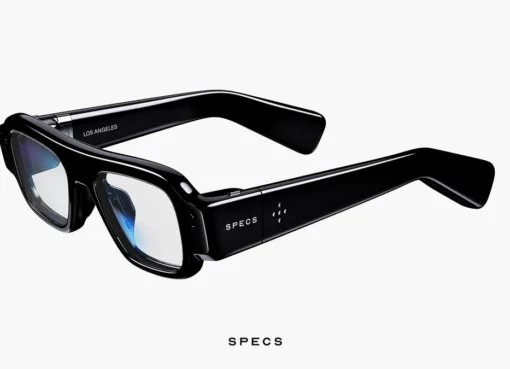
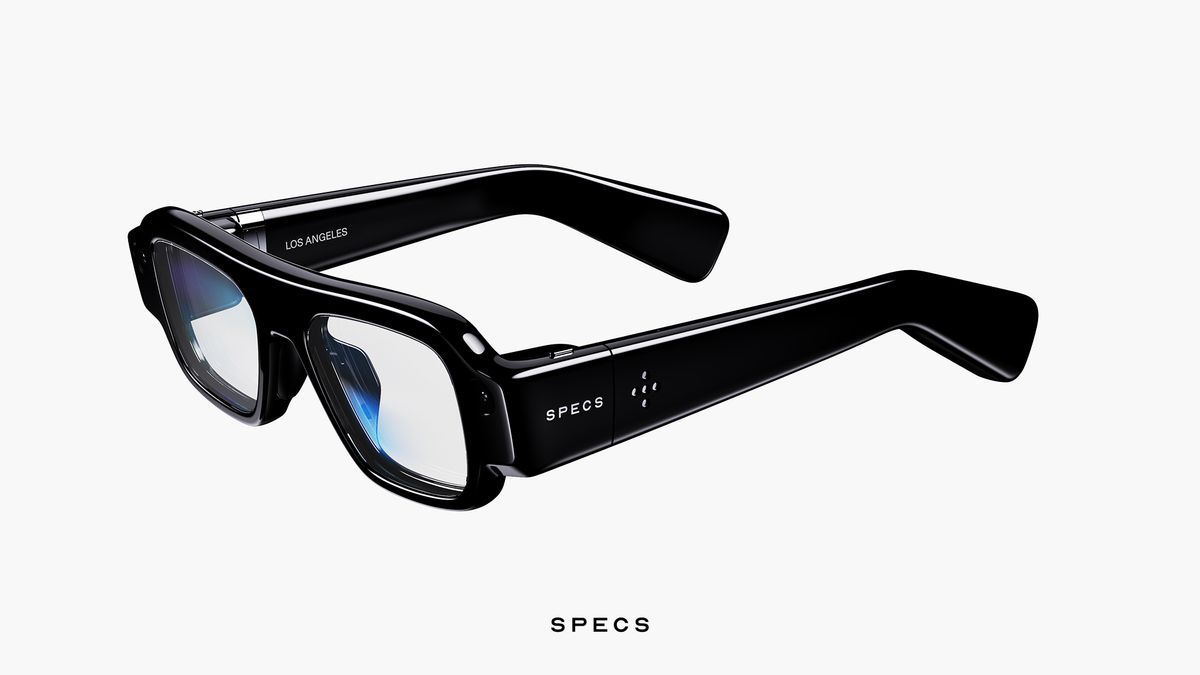
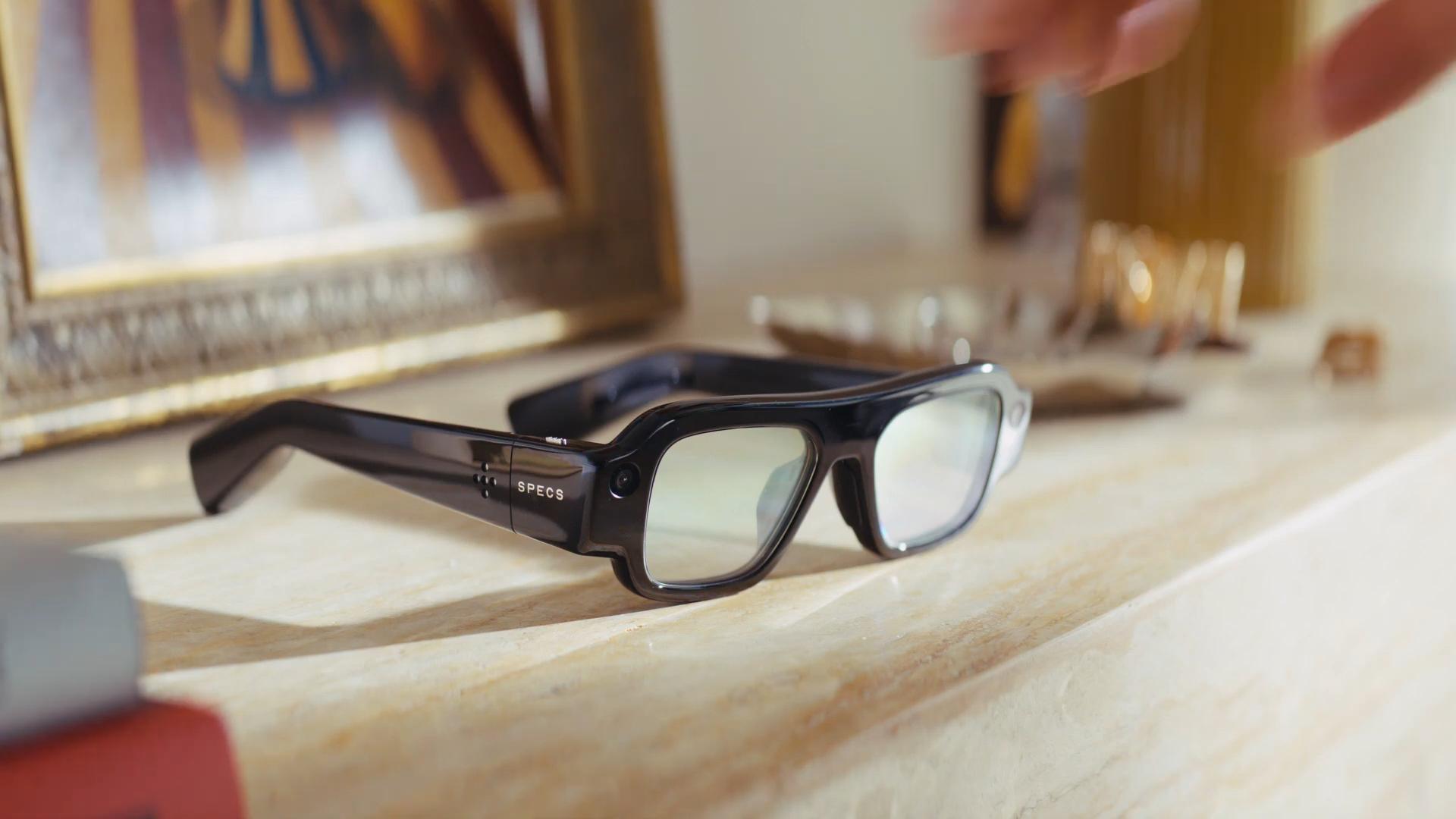
The Specs AR glasses, priced at a premium $2,195, represent the first fully standalone true augmented reality (AR) glasses to hit the Western market. By integrating advanced spatial computing with "agentic" AI, Snap is positioning itself as the vanguard of a post-smartphone era, even as its larger competitors remain in the prototype or "smart-frame" stages of development.
Main Facts: A Premium Vision for the Future of AR
The latest announcements from Snap pivot on three primary pillars: proactive artificial intelligence, persistent connectivity, and a retail-ready distribution strategy.
1. Specs Intelligence: From Chatbots to Agents
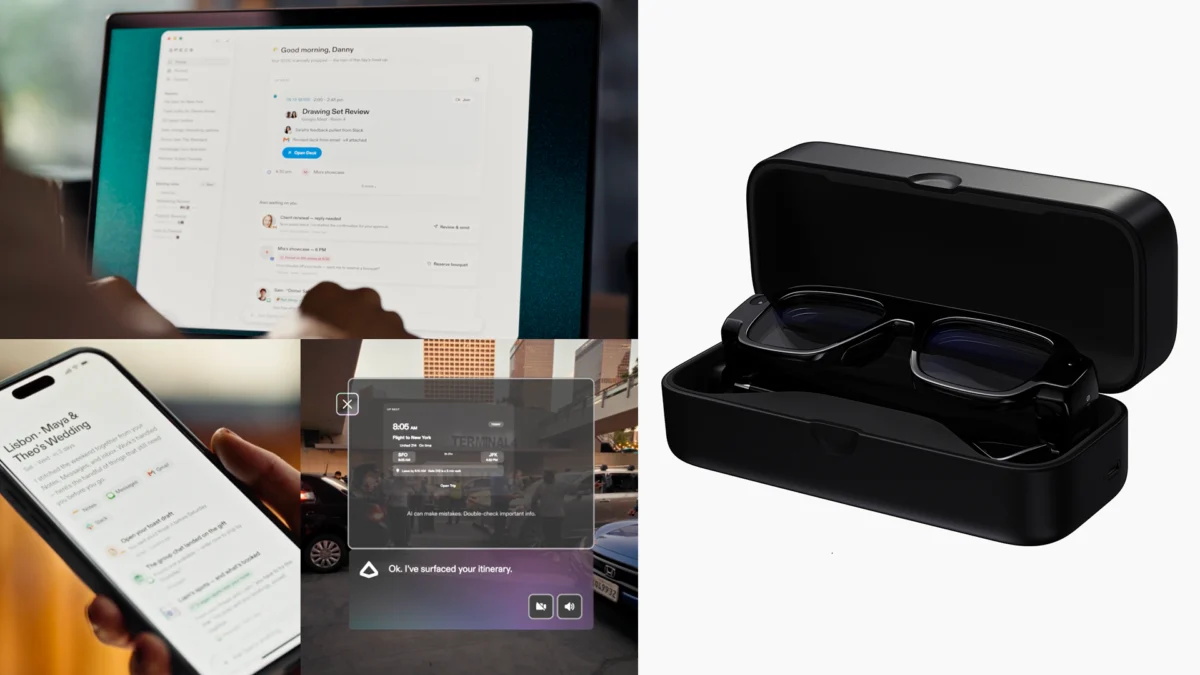
The centerpiece of the software experience is "Specs Intelligence." Unlike standard AI interfaces that wait for user prompts, Snap’s AI agent is designed to be anticipatory. It functions across the Specs hardware, iPhone, and Mac, creating a unified ecosystem. The goal is to provide "agentic" actions—software that can autonomously handle tasks such as booking travel, managing calendars, and surfacing relevant information before a user even realizes they need it.
2. The Cellular Solution
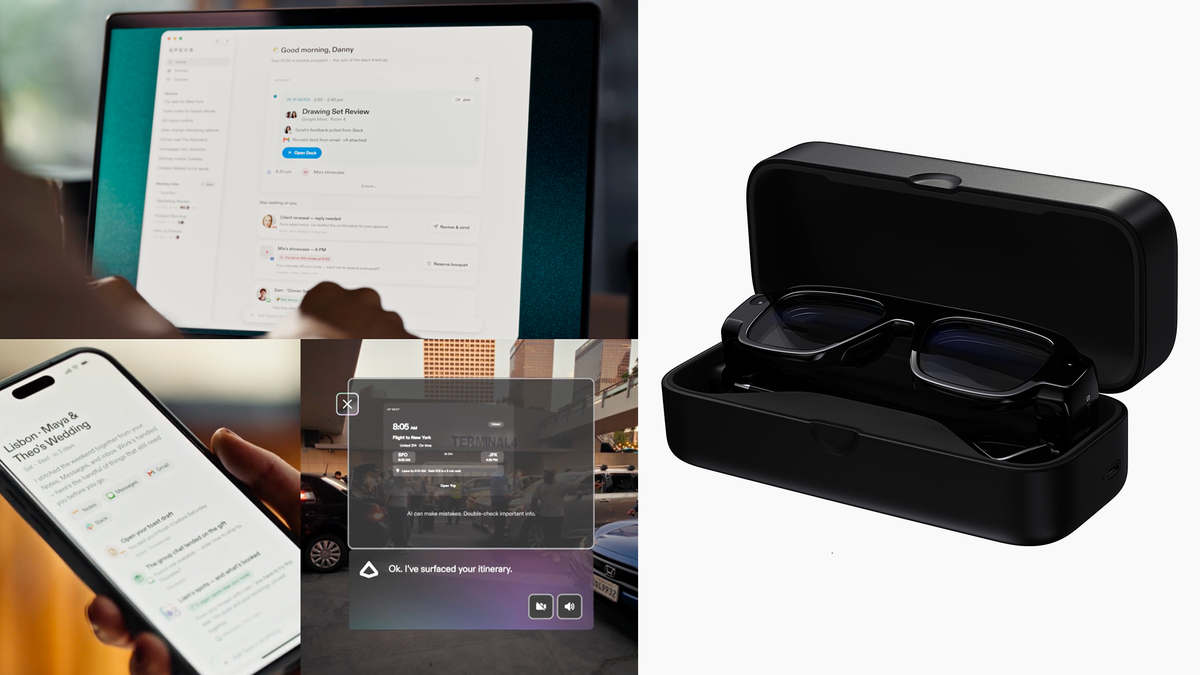
Perhaps the most significant hardware update is the introduction of a cellular charging case. While the glasses themselves are standalone in terms of processing, the cellular case provides the persistent high-speed data required for "on-the-go" utility. This bundle is priced at $2,395—a $200 premium over the standard model—and aims to solve the reliability issues that have plagued previous wearable tech dependent on Bluetooth tethering.
3. Strategic Partnerships and Pricing
Snap has secured partnerships with major telecommunications carriers, including Verizon in the United States, EE in the United Kingdom, and Orange in France. These partnerships are critical, offering not only data plans (starting at $10/month for existing Verizon customers) but also financing options and physical retail spaces where consumers can demo the high-cost hardware.
Chronology: The Path to the Fall Launch
The journey toward the commercial release of the Specs AR glasses has been a multi-year endeavor, accelerating rapidly over the last several months:
- June 2024: Snap officially revealed the design and core specifications of the new Specs, opening preorders for a "developer and early adopter" audience. At the time, the focus was on the hardware’s field of view and the new Snap OS.
- September 2024 (The LA Event): Snap transitioned from hardware specs to the software ecosystem. The company introduced the "Intelligence" layer and the cellular connectivity options, signaling that the device is nearing a consumer-ready state.
- October 1, 2024: Snap will begin public demonstrations at the Westfield Century City mall in Los Angeles. This marks the first time the general public will be able to experience "true" AR in a retail environment.
- Fall 2024: The official shipping window. While a specific day has not been locked in, Snap maintains that the devices will reach customers in the US, UK, and France before the end of the year.
Supporting Data: Hardware Specs and Economics
To understand the $2,195 price tag, one must look at the hardware’s complexity. Unlike "smart glasses" like the Meta Ray-Bans—which feature cameras and audio but no visual display—Snap’s Specs utilize dual waveguides and a custom-built optical engine to overlay digital objects onto the physical world.

The Connectivity Cost
The cellular charging case is a strategic response to industry-wide criticism regarding the fragility of smartphone-tethered wearables.
- Standard Bundle: $2,195 (includes standard charging case).
- Cellular Bundle: $2,395 (includes cellular-enabled case).
- Service Costs: In the US, Verizon will offer data for $10/month for those with an existing line, or $20/month as a standalone plan.
Software Integration
At launch, the "Specs Intelligence" feature will be released in stages:
- iOS (US Public Preview): Limited to providing "insights" and summaries from Gmail and Google Calendar.
- macOS (Invite-Only): A more robust version capable of complex workflows and "agentic" task completion.
- Future Capabilities: Snap has demoed the AI booking hotel rooms, purchasing cinema tickets, and analyzing real-world objects to provide context-aware help.
Official Responses: Snap’s Proactive Vision
During the launch event, Snap executives emphasized that the value of AR lies not in "looking at a screen," but in the AI’s ability to understand the user’s environment and schedule.
A company spokesperson highlighted the philosophy behind Specs Intelligence:
"SPECS Intelligence is designed to anticipate when help would be useful and surface relevant information and actions without waiting for a prompt. Before a meeting, it could highlight decisions to make, questions to ask, and things to remember. For an upcoming trip, it could bring together flight, hotel, and dinner plans while flagging a work deadline that falls during the visit."
Snap has remained notably tight-lipped regarding the underlying Large Language Model (LLM) powering these features. While competitors like Meta and Google use their in-house Llama and Gemini models, Snap has not disclosed whether they are utilizing OpenAI’s GPT-4, Anthropic’s Claude, or a proprietary solution. Furthermore, the company has not yet detailed the long-term subscription costs for the AI service following the initial free preview period.
Implications: The High-Stakes Battle for the Face
The announcement of Specs Intelligence and the cellular case carries significant weight in the broader tech landscape.
1. Beating the Giants to Market
For years, the industry has waited for Apple and Meta to release true AR glasses. Apple’s Vision Pro is a powerful spatial computer but is confined by its weight and "goggle" form factor. Meta’s current Ray-Ban offering is popular but lacks a display entirely (though their "Orion" prototype is in development). By shipping a standalone device this fall, Snap is successfully claiming the title of the first company to put true, wearable AR in the hands of consumers.
2. The Shift from Chatbots to Agents
The distinction between an AI "chatbot" and an AI "agent" is the next great frontier in Silicon Valley. A chatbot tells you the weather; an agent sees that it’s raining and offers to reschedule your outdoor lunch reservation. By focusing on "agentic" actions, Snap is attempting to make the Specs indispensable for productivity, moving the device away from being a mere novelty or social media tool.
3. The Necessity of Cellular
The decision to offer a cellular case highlights a hard-learned lesson in the wearable market. Industry analysts have frequently criticized Meta’s Ray-Bans for their reliance on a smartphone’s Bluetooth connection, which often leads to latency and dropped connections. By providing a dedicated cellular link, Snap is ensuring that the "Intelligence" layer is always accessible, regardless of where the user’s phone is. This is a crucial step toward making AR glasses a viable replacement for the smartphone, rather than just an accessory.
4. Market Viability and the "Prosumer" Gap
At over $2,000, Snap is clearly targeting developers, tech enthusiasts, and enterprise users. However, the partnership with carriers like Verizon and EE suggests a push toward the mainstream. Financing plans and retail demos are classic tactics used to bridge the gap between "luxury tech" and "essential utility." The success of Specs will likely depend on whether developers can create "killer apps" that justify the high entry price.
5. Privacy and Data
As with any device featuring persistent cameras and AI that "reads" your emails and calendars, privacy remains a looming concern. Snap’s move to integrate deeply with Google services (Gmail/Calendar) suggests a reliance on existing data ecosystems, but it also raises questions about how much environmental data the AI will process to provide its "proactive" help.

Conclusion
Snap’s Specs are no longer just a toy for social media creators. With the addition of Specs Intelligence and a robust cellular infrastructure, Snap is making a serious bid for the future of computing. While the high price point and the "preview" nature of the AI features suggest that the road to mass adoption is still long, Snap has officially set the pace. As the leaves turn this fall, the tech world will be watching closely to see if Snap’s vision of an "agentic" world is one that consumers are ready to wear.