
The Dawn of Dynasties: How Early Scandinavia Forged the Path to the Viking Age
COPENHAGEN, Denmark – The mist-shrouded lands of Scandinavia, often envisioned through the lens of the later, formidable Viking Age, were in fact a crucible of profound transformation centuries earlier. During the Merovingian period (roughly 500-750 CE), this northern periphery of Europe was shedding its prehistoric Iron Age skin, undergoing a complex process of political centralization, militarization, and technological innovation that laid the bedrock for its eventual emergence onto the world stage. Far from a static backwater, this era witnessed the genesis of the first Scandinavian kingdoms, a society increasingly defined by its warrior aristocracy, and a burgeoning tradition of seafaring and piracy that would forever alter the course of European history.
Main Facts: From Fragmented Tribes to Nascent Kingdoms
Before the iconic longships of the Vikings began their terrifying voyages, Scandinavia was a region in flux. The late Roman period had seen its inhabitants divided into numerous tribes, each governed by a warrior elite whose status was perpetually reaffirmed through raiding. This decentralized structure began to coalesce during the Migration Period, a turbulent era across Europe, though Scandinavia experienced it largely as a source of outward migration rather than inward settlement. This outward flow paradoxically fostered internal consolidation.
The Merovingian period, therefore, represents a critical developmental phase. Key developments include:
- Political Centralization: The gradual emergence of powerful leaders who concentrated wealth and authority, leading to the formation of proto-kingdoms.
- Militarization of Society: An intensifying warrior culture, evidenced by sophisticated weaponry, fortifications, and organized conflict.
- Naval Prowess: Early mastery of shipbuilding and seafaring, driven by the necessity of coastal travel and the opportunities presented by raiding.
- Economic Innovation: The establishment of early trade hubs and large-scale infrastructure projects indicating organized labor and resources.
- Cultural Identity: The forging of distinct regional identities, such as the Danes and the Svear, through conquest, alliance, and assimilation.
These elements combined to create a dynamic and predatory society, whose ambitions and capabilities were rapidly expanding, setting the stage for the dramatic events of the 9th century and beyond.
Chronology: From Tribal Raids to Royal Ambition
The journey from fragmented tribal societies to organized kingdoms was a protracted one, unfolding across several centuries:
The Late Roman and Early Migration Periods (c. 3rd-5th Centuries CE)
In the waning centuries of the Roman Empire, Scandinavian society was primarily tribal. Warrior aristocracies maintained their dominance through localized raiding, a practice deeply ingrained in their social fabric. The indented coastlines and numerous waterways of the region naturally fostered early shipbuilding and seafaring skills. While much of this early piracy was likely local, instances of more ambitious expeditions began to emerge. Towards the end of the 3rd century, the Heruls from Jutland famously joined forces with the Saxons, launching audacious raids against the distant Roman Empire, signaling the growing reach and ambition of these northern seafarers.
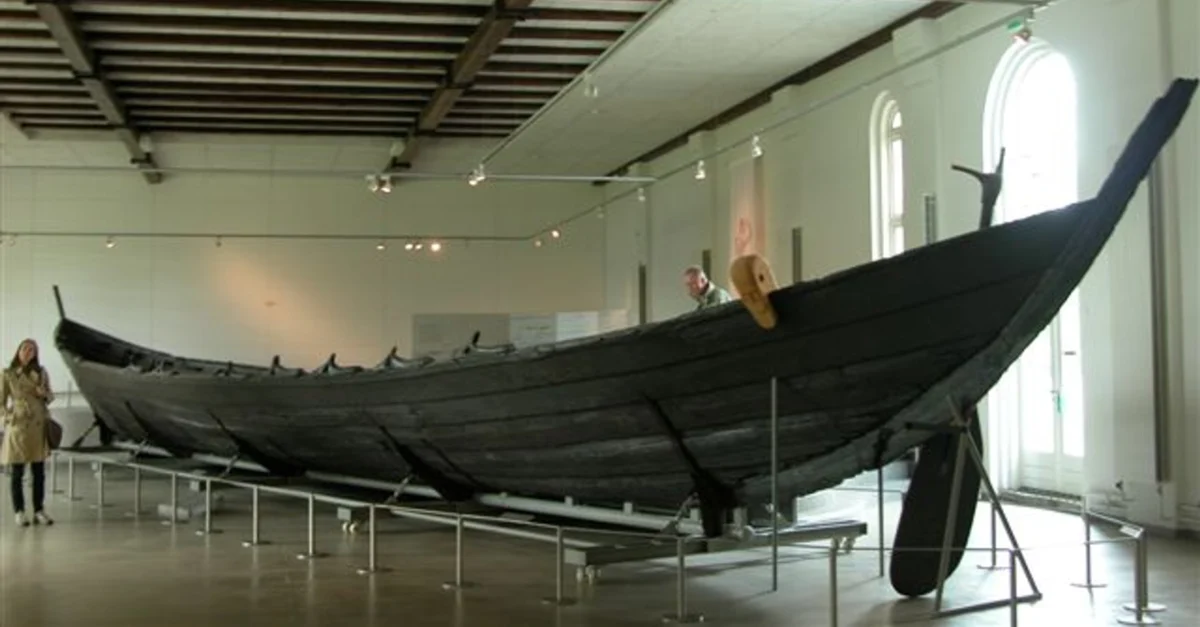
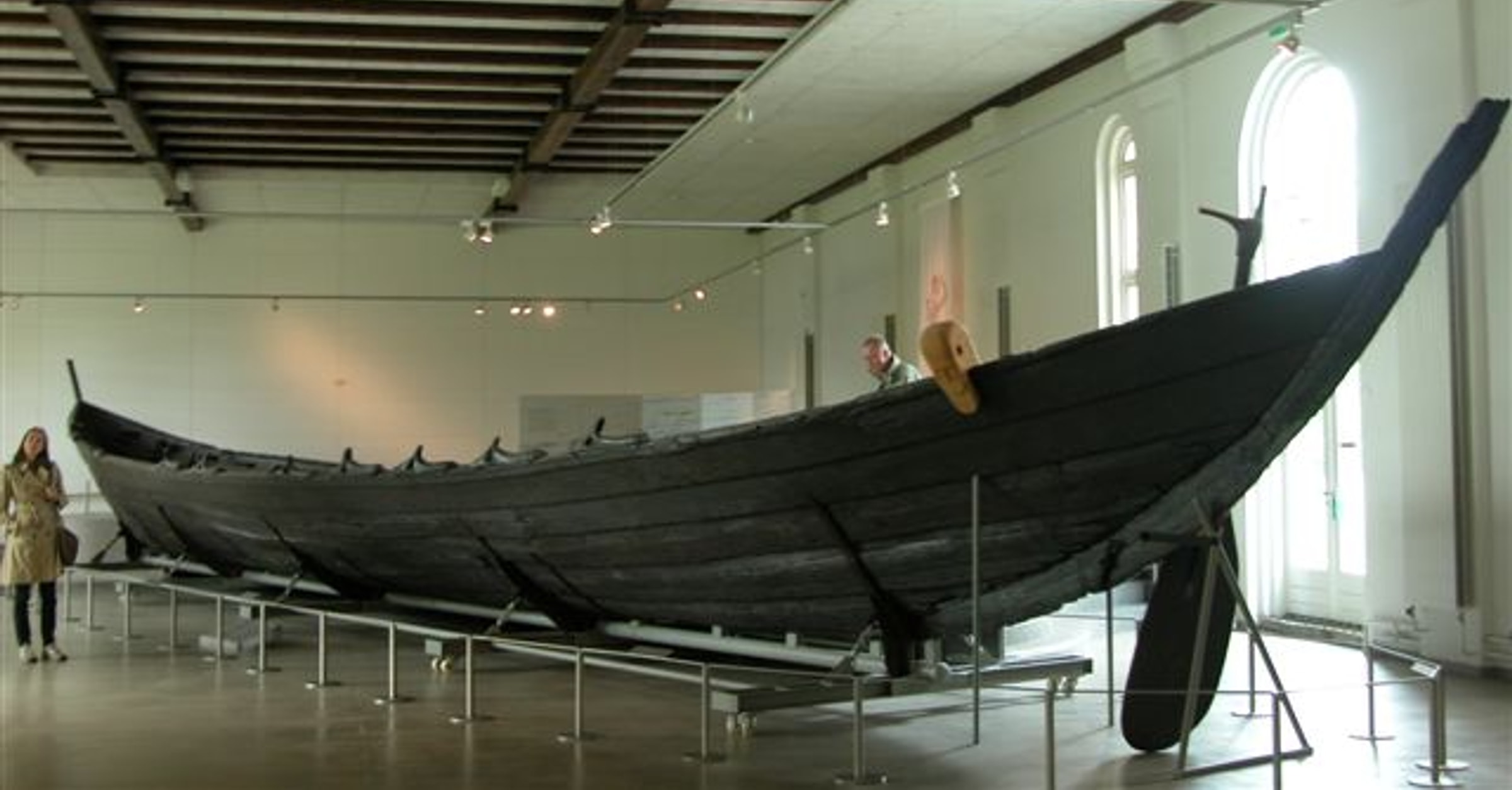
Archaeological finds from this era provide invaluable insights. One of the most spectacular discoveries was made at Nydam in Jutland, a bog where hundreds of weapons, along with two remarkably preserved ships and a boat, were interred as votive offerings. The Nydam ships, dating to the 4th century, reveal a sophisticated understanding of naval architecture, featuring many characteristics that would later define the formidable longships of the Viking Age, such as clinker-built hulls and the use of oars. These finds attest to a society capable of considerable martial organization and advanced maritime technology.
The Heart of the Migration Period (c. 5th-6th Centuries CE)
Scandinavia, uniquely, largely avoided the widespread disruptions caused by the Germanic migrations that reshaped continental Europe. Instead, it served as a demographic wellspring, a place from which peoples migrated out. Many Germanic groups, including the Goths, Burgundians, Vandals, and Lombards, held a belief (though often historically or genetically inaccurate, as with the Goths) that they originated in Scandinavia, compelled to emigrate by factors such as overpopulation or scarcity of fertile land.
This outward migration had significant internal consequences. The 5th century saw Angles and Jutes from Jutland migrate to Britain, fundamentally altering the cultural landscape of what would become England. The Heruls, already experienced raiders, were even hired as mercenaries by the Byzantine Empire, conducting piratical campaigns as far south as Spain.
Internally, this period was marked by intense conflict and consolidation. Fortifications proliferated across the Scandinavian landscape, testament to an era of competing tribes and escalating warfare. Semi-legendary traditions, later recorded by the medieval Danish historian Saxo Grammaticus (c. 1150-1220), vividly depict a time of fierce struggles. Tribes formed strategic alliances, merged through political maneuvering, or were simply conquered and assimilated by stronger rivals. This dynamic process led to the emergence of larger, more cohesive polities. By the 6th century, the Danes had established themselves as the dominant people of southern Scandinavia, a testament to their military prowess and organizational capacity.
This era also produced some of the earliest named Scandinavian rulers. Hygelac, a king of the Geats (likely the Götaland of southern Sweden), launched an unsuccessful raid on the lower Rhine around 528 CE. His death in battle against the Franks was recorded by the contemporary historian Gregory of Tours and immortalized in the Old English epic poem Beowulf, providing a rare glimpse into these early expeditions from external sources. The increasing concentration of wealth and power in the hands of successful leaders fostered an increasingly militarized and predatory society, where piracy became so pervasive that some coastal areas of Scandinavia reportedly suffered depopulation.
The Merovingian Zenith and the Rise of Proto-Kingdoms (c. 7th-Mid 8th Centuries CE)
By 750 CE, archaeological evidence clearly points to the development of several distinct, albeit nascent, kingdoms across Scandinavia. These were not yet the unified monarchies of later centuries, but powerful regional entities led by emergent royal dynasties.
In Norway, the Vestfold region shows evidence of a significant royal dynasty, particularly around Borre, an impressive pagan cult center with monumental burial mounds. These sites served not only as resting places for the elite but also as powerful symbols of dynastic legitimacy and spiritual authority.
Further east, near Uppsala in Sweden, rich warrior burials—some interred in elaborate ship burials—at Vendel and Valsgärde indicate the rise of a powerful dynasty among the Svear, the people from whom Sweden derives its name. These Svear kings likely controlled the cult center and a seasonal market on the island of Helgö ("Holy Island"). Helgö was a bustling trade hub with extensive links, not only with the Mediterranean but potentially even farther afield. The most exotic find from the site, a statuette of the Buddha crafted in northern India around 600 CE, speaks volumes about the incredible reach of these early Scandinavian trade networks.
However, Jutland, in modern-day Denmark, arguably became the center of the most impressive early Scandinavian kingdom. Here, large-scale public works provide compelling evidence of a sophisticated, centrally organized polity. In 726 CE, a canal was dug across the island of Samsø, likely to regulate shipping and control vital maritime routes. Even more monumental was the construction of the Danevirke in 737 CE, a massive rampart built across the neck of the Jutland peninsula. This formidable defensive structure was clearly designed as a bulwark against the Saxons to the south. Such ambitious projects could only have been conceived and executed by a ruler commanding vast labor and material resources across a wide geographical area.
Around the same period, a well-planned trading settlement was established at Ribe, also in Jutland. Archaeological excavations at Ribe have unearthed large quantities of Frisian coins, extensive evidence of leatherworking, and vast amounts of cattle dung, suggesting a thriving economy centered on exporting hides to the powerful Frankish kingdom. This level of urban planning and economic specialization points to a powerful overseeing authority. The ruler responsible for these significant undertakings was likely Angantyr, considered the earliest historical Danish king. His existence is confirmed by the Anglo-Saxon missionary St. Willibrord (658–739 CE), who met Angantyr during the first documented Christian mission to Scandinavia around 725 CE, providing a rare contemporary account of a Scandinavian monarch.
Supporting Data: Echoes from the Earth and Sagas
The narrative of early Scandinavian state formation is largely pieced together from a rich tapestry of archaeological discoveries and fragmented historical accounts.
Archaeological Marvels:
- The Nydam Ships: These vessels are more than just ancient boats; they are technological blueprints. Their construction demonstrates advanced carpentry and naval engineering, capable of navigating coastal waters and open seas. The accompanying weapons cache—swords, spears, shields, bows—shows a well-equipped fighting force, emphasizing the martial aspect of this society.
- Elite Burials: The ship burials at Vendel and Valsgärde, and the monumental mounds at Borre, are extraordinary testaments to the power and wealth of the emerging aristocracy. The lavish grave goods, including intricate helmets, ornate weaponry, gold jewelry, and even sacrificed animals, underscore the importance of prestige, lineage, and a belief in an afterlife that required such provisions. These burials were not merely interments; they were public displays of dynastic power.
- Helgö’s Global Connections: The Buddha statuette found at Helgö is a remarkable anomaly, illustrating the extensive, albeit indirect, trade networks that linked early Scandinavia to distant lands. While the immediate trade partners were likely continental European, the presence of such an item suggests an eagerness for exotic goods and a willingness to engage in long-distance exchange, even if through intermediaries.
- The Danevirke and Samsø Canal: These engineering feats are tangible proof of centralized authority and the ability to mobilize significant manpower. The Danevirke, a defensive barrier stretching over 30 kilometers, was a strategic masterpiece, designed to control access to the Jutland peninsula. The Samsø canal, while smaller, indicates an early understanding of controlling maritime traffic and potentially levying tolls, a key function of emerging states.
- Ribe’s Economic Engine: The systematic layout of Ribe, the evidence of specialized crafts like leatherworking, and the influx of foreign currency underscore its role as a burgeoning proto-urban center. It represents a shift from subsistence economies to one driven by specialized production and trade, connecting Scandinavia to the wider European economic system.
Historical Narratives:
- Saxo Grammaticus’ Gesta Danorum: While written centuries later and infused with legendary elements, Saxo’s work offers invaluable (if often romanticized) accounts of early Danish kings and tribal conflicts. It reflects a collective memory of fierce struggles and the gradual consolidation of power.
- Gregory of Tours and Beowulf: The accounts of Hygelac’s raid are crucial. Gregory of Tours, a contemporary Frankish bishop, provides an independent, non-Scandinavian source, lending veracity to the event. Beowulf, though an epic poem, further solidifies the historical memory of these early raiding expeditions and the martial culture that defined them.
- St. Willibrord’s Mission: The encounter between the Christian missionary St. Willibrord and King Angantyr offers a unique snapshot of early Danish kingship, confirming the existence of a recognized ruler in Jutland and hinting at the initial, tentative interactions between nascent Scandinavian polities and the burgeoning Christian world.
Early Statecraft and Strategic Initiatives
While the concept of "official responses" might seem anachronistic for this period, the actions of these nascent Scandinavian rulers represent early forms of statecraft and strategic decision-making.
- Military Consolidation: The proliferation of fortresses and the construction of massive defensive works like the Danevirke demonstrate a conscious effort to secure territories, project power, and protect nascent kingdoms from external threats. These were not merely ad hoc defenses but strategic investments in collective security.
- Economic Control and Development: The establishment of planned trading centers like Ribe and the regulation of shipping routes (e.g., the Samsø canal) illustrate an understanding that economic prosperity and control over trade were integral to maintaining power. Rulers could levy tolls, control key resources, and foster specialized industries, thereby accumulating wealth and influence.
- Religious and Ideological Legitimacy: The control of pagan cult centers, such as Borre and Helgö/Uppsala, by emerging dynasties was a crucial aspect of their authority. These centers were not just places of worship but hubs for political assembly, ritual, and the legitimization of royal power, often through claims of divine favor or ancestral connection.
- Projection of Prestige: The lavish ship burials and rich grave goods were more than just funerary rites; they were deliberate acts of propaganda. They showcased the wealth, status, and power of the deceased ruler and, by extension, their dynasty, reinforcing their authority in the eyes of their subjects and rivals. These monumental displays contributed to the consolidation of elite power and the veneration of a ruling lineage.
Implications: The Crucible of the Viking Age
The developments of the Merovingian period were not isolated historical curiosities; they were the indispensable prelude to the Viking Age. This era served as a crucible, forging the key elements that would define Scandinavian expansionism.
- Mastery of the Seas: The shipbuilding expertise demonstrated by the Nydam ships, continually refined over centuries, evolved into the sophisticated longships that enabled the Vikings to traverse vast distances, navigate treacherous waters, and launch swift, devastating raids. The early tradition of piracy instilled a deep understanding of maritime logistics and warfare.
- A Militarized and Predatory Society: The warrior aristocracy, forged in tribal conflicts and sustained by raiding, developed a highly effective military culture. The continuous competition and consolidation created a society where martial prowess was paramount, and violence was often a means to wealth and status. This ethos would fuel the Viking expeditions.
- Political Mobilization: The emergence of centralized kingdoms, even on a regional scale, meant that rulers could mobilize significant resources and manpower for large-scale expeditions. The ability to command collective labor for projects like the Danevirke translated directly into the capacity to organize and provision fleets for long-distance voyages.
- Economic Drivers: The desire for wealth, resources, and control over trade routes, evident in the development of centers like Ribe and the trade links of Helgö, provided powerful motivations for expansion. Initial piracy gave way to more organized raiding, and eventually, to settlement and legitimate trade networks across Europe.
- Demographic Dynamics and Ambition: While the "overpopulation" theory is debated, the historical memory of outward migration, combined with the growing ambition of powerful leaders, certainly contributed to a mindset geared towards exploration and exploitation of opportunities beyond Scandinavia’s borders.
In essence, the Merovingian period in Scandinavia was a transformative age. It was a time when scattered tribes gave way to nascent kingdoms, local skirmishes evolved into strategic warfare, and rudimentary seafaring skills blossomed into unparalleled maritime dominance. These centuries of internal development, political consolidation, and technological advancement built the very foundations upon which the legendary Viking Age would rise, forever altering the course of European history.



Leave a Comment