The Digital Brush: Jacob Holster and the Evolution of Painterly AI Aesthetics
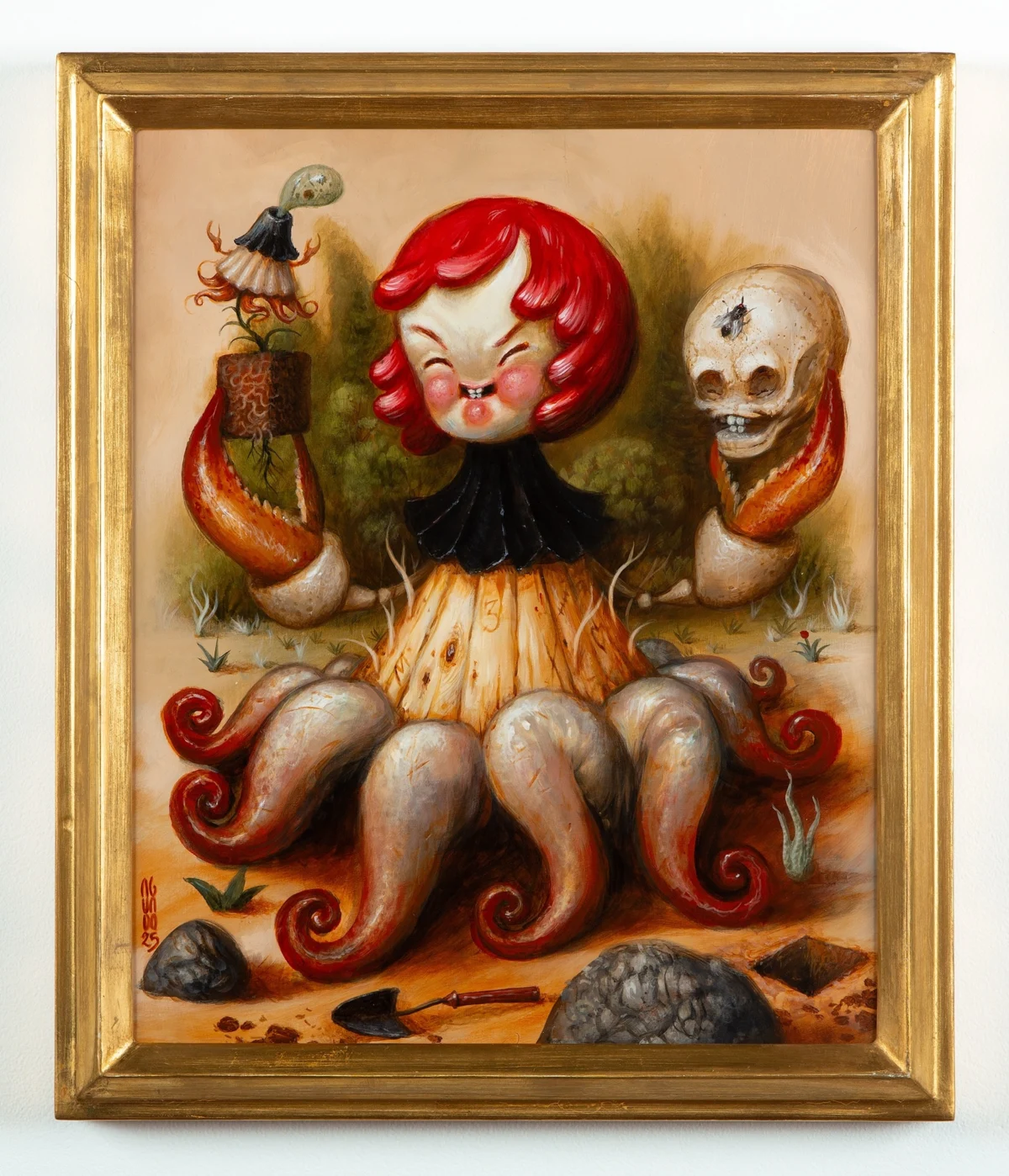
In an era where generative artificial intelligence is often synonymous with hyper-realistic renders, clinical precision, and the "uncanny valley" of digital perfection, a new movement is emerging that prioritizes texture, warmth, and the human touch. At the forefront of this shift is Jacob Holster, an artist and academic whose work, under the digital moniker @bandyquantguy, is redefining the relationship between the algorithm and the canvas.
Holster’s work serves as a sophisticated rebuttal to the notion that AI art must be "glossy." By bridging the gap between high-level academic research and avant-garde visual experimentation, he has carved out a niche that feels more like a 19th-century atelier than a 21st-century server farm.
Main Facts: The Intersection of Pedagogy and Pixels
Jacob Holster is not a traditional digital artist. His primary professional home is at Penn State University, where he serves as an Assistant Teaching Professor of Music Education. This academic foundation is critical to understanding his artistic output. His research focuses on a complex triad: the convergence of artificial intelligence, pedagogy (the method and practice of teaching), and creative practice.

Unlike many AI creators who treat the technology as a "black box" that produces results, Holster approaches generative media as a scholarly inquiry. His work is characterized by several defining features:
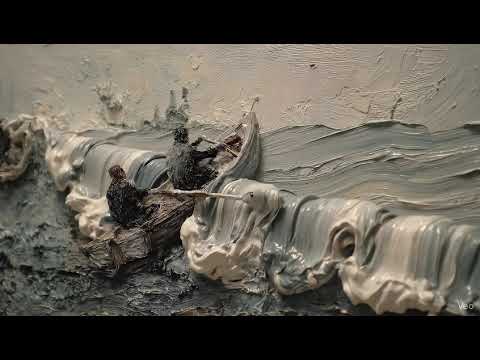
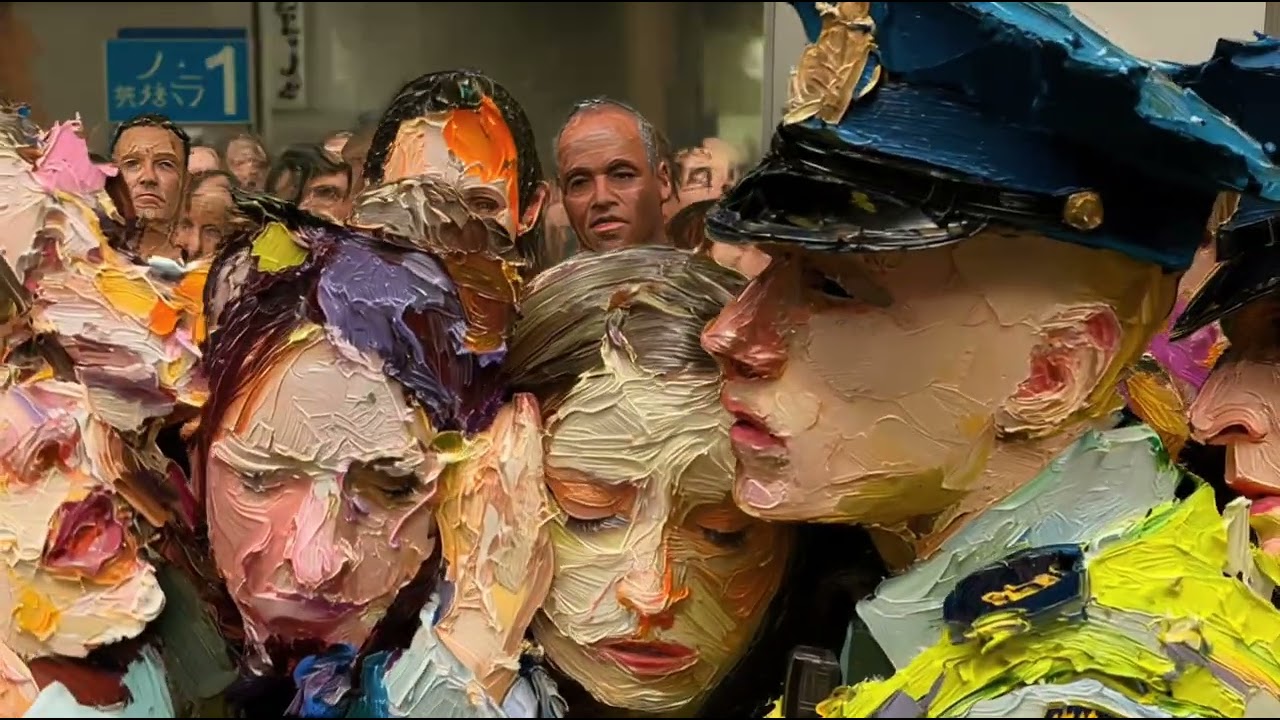
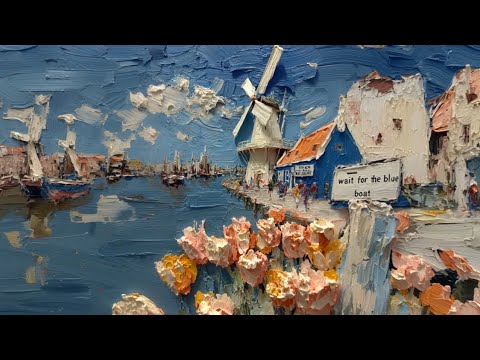
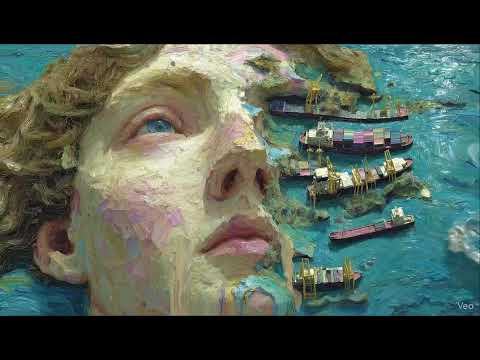
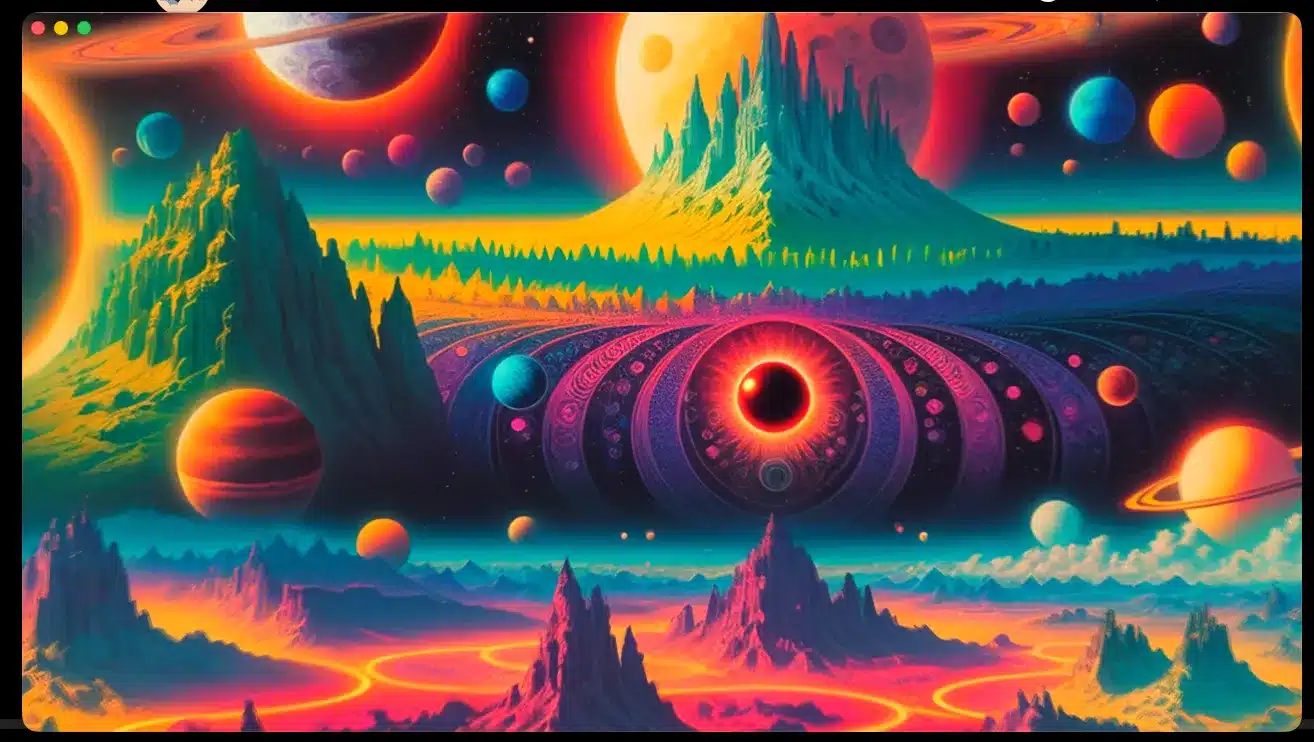
- Tactile Textures: Eschewing the smooth, plastic-like finishes common in early AI art, Holster’s visuals evoke the heavy impasto and visible brushstrokes of traditional oil painting.
- Music-Visual Synthesis: Drawing on his background in music education, his films often feature a rhythmic, melodic quality where sound and image are inextricably linked.
- Humanistic Inquiry: His projects, such as the acclaimed Art Is Human Terrain, explore the philosophical question of whether technology can capture the "terrain" of human emotion and experience.
- Academic Rigor: His creative output is a direct extension of his classroom theories, examining how students and artists can use AI not to replace their skills, but to augment their expressive capabilities.
Chronology: From Academic Theory to "Paint World"
The evolution of Holster’s aesthetic can be traced through his ongoing series, often categorized under the "Paint World" umbrella. This chronology reflects a deepening mastery of both the technical tools and the conceptual framework of generative media.
The Early Experiments: Bridging Sound and Sight
In the early stages of his AI exploration, Holster focused on the pedagogical potential of generative tools. As a music educator, he was interested in how visual stimuli could represent auditory concepts. These early experiments were less about "filmmaking" and more about "visualizing resonance." During this period, his Instagram presence began to grow as he shared snippets of textured, abstract movements that felt like living paintings.
The Rise of @bandyquantguy
As his technical proficiency grew, Holster adopted the handle @bandyquantguy, a name that hints at his dual interests in music (the "bandy" or band education) and data/quantitative analysis (the "quant"). This period saw the birth of the Paint World series, where he began to move away from abstraction and toward narrative and atmospheric storytelling.
Le Voyage and Recipe for Consciousness
These two works marked a significant turning point in Holster’s career. Le Voyage [Paint World 28] moved beyond simple loops, presenting a journey through a shifting, painterly landscape. Shortly after, Recipe for Consciousness [Paint World 38] delved into the philosophical, using AI to visualize the abstract concept of the mind. These works were widely shared in digital art circles for their unique "warmth"—a quality rarely seen in AI-generated content at the time.
Recent Masterworks: Art Is Human Terrain
His recent work, Art Is Human Terrain [Paint World 33], represents the current pinnacle of his style. This short film serves as a manifesto for his approach. It is a deliberate move toward the "human terrain"—the messy, textured, and emotional landscape of life. The film has been cited as a prime example of how AI can be used to create work that feels "deliberately humanistic."
Supporting Data: The Mechanics of "Warm" AI
To understand why Holster’s work stands out, one must look at the data and technical philosophy behind it. Most generative AI models, such as Midjourney or DALL-E, are trained on massive datasets that include millions of digital photographs. This often results in a "default" style that mimics the clarity of a high-end camera.
Holster, however, leans into the "noise" and "imperfection" of the medium. By manipulating prompts and post-processing techniques, he forces the AI to prioritize:
- Subsurface Scattering: Mimicking the way light penetrates the layers of oil paint.
- Chromatic Aberration: Creating the slight "blur" and color bleeding found in physical lenses and aged paintings.
- Temporal Coherence: In his films, the way the "paint" moves between frames is calculated to avoid the jarring "flicker" of standard AI video, instead creating a flow that feels like liquid pigment.
In his role at Penn State, Holster utilizes these artistic findings to inform his teaching. Data from his pedagogical research suggests that when students engage with AI as a "painterly" tool rather than a "photographic" one, they feel a greater sense of agency. They view the AI as a brush they are holding, rather than a machine that is doing the work for them.
Official Responses and Perspectives
The reception of Holster’s work within both the academic and artistic communities has been overwhelmingly positive, providing a roadmap for how universities might integrate AI into their arts curricula.
The Academic Perspective:
Colleagues in the field of music and arts education have noted that Holster’s work demystifies AI. By showing that technology can produce work with "soul" and "texture," he provides a counter-argument to the fear that AI will sanitize the creative process. His position at Penn State allows him to bridge the gap between the "tech bros" of Silicon Valley and the "purists" of the fine arts world.
The Artistic Perspective:
Within the Instagram and YouTube art communities, Holster is frequently cited as an "artist’s artist." His handle, @bandyquantguy, has become synonymous with a specific aesthetic. Commentators often note that his work feels "nostalgic yet futuristic." He has been praised for his ability to make the digital screen feel like a physical object—something one could reach out and touch.
Holster’s Own Philosophy:
In his descriptions and academic writings, Holster often emphasizes that "Art is human terrain." He argues that the tool (AI) is irrelevant if it does not navigate the complexities of the human experience. For Holster, the algorithm is simply a new way to explore the old questions of texture, sound, and narrative.
Implications: The Future of the Digital Canvas
The work of Jacob Holster has profound implications for the future of both art and education. As AI continues to permeate every aspect of creative life, Holster’s "painterly" approach offers a sustainable and ethical model for its use.
1. The Democratization of Fine Art Aesthetics
By using AI to achieve the look of traditional oil painting, Holster is part of a movement that democratizes high-level aesthetics. It allows creators who may not have the physical space or materials for a traditional studio to experiment with the visual language of the masters.
2. A New Era of Music Education
As an Assistant Teaching Professor, Holster is proving that the future of music education is multi-modal. By teaching students to visualize music through AI, he is expanding the definition of what it means to be a "musician" or a "composer" in the 21st century.
3. The Rejection of the "Clinical"
Holster’s success signals a broader cultural fatigue with "perfect" digital imagery. There is a growing appetite for the "analog" in the digital world—for grain, for brushstrokes, and for the "happy accidents" that occur when a human guides a complex machine.
4. Ethical AI Integration
Because Holster’s work is so clearly an extension of his own academic and musical expertise, it bypasses many of the criticisms regarding AI "plagiarism." His work doesn’t look like a copy of a specific artist; it looks like a new medium entirely—one that requires a professor’s knowledge and an artist’s eye to master.

Conclusion
Jacob Holster, the @bandyquantguy, is more than just a digital artist; he is a cartographer of the "human terrain" in a digital age. Through his work at Penn State and his mesmerizing films like Le Voyage and Art Is Human Terrain, he has shown that the future of artificial intelligence doesn’t have to be cold, clinical, or robotic. Instead, in the hands of a dedicated educator and artist, it can be as warm as sunlight on an oil canvas and as resonant as a well-composed symphony. As we move forward into an increasingly automated world, Holster’s work serves as a vital reminder that the most important part of "AI Art" is, and always will be, the human.