The Disciplined Craft: Unpacking Ian Fleming’s Legendary Writing Routine and Its Enduring Influence
By James Scott Bell
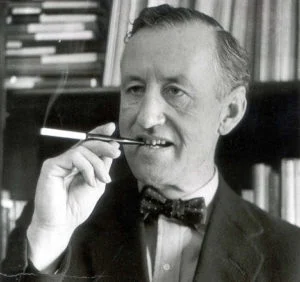
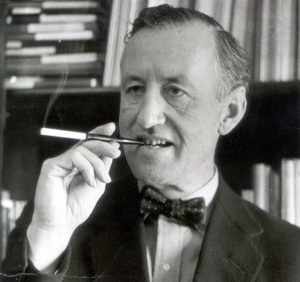
The image of Ian Fleming, the creator of the iconic James Bond, conjures a certain romantic mystique. Picture him at Goldeneye, his Jamaican estate, a cigarette holder poised, the turquoise Caribbean sea a breathtaking backdrop. It’s easy to envision a life of effortless genius, where literary masterpieces flowed as naturally as the ocean breeze. Yet, as is often the case with artistic endeavors, the reality behind Fleming’s prolific output was far more grounded in rigorous discipline and a meticulously crafted daily routine. This approach, far from stifling creativity, served as the bedrock upon which his legendary spy novels were built, and its lessons continue to resonate with writers today.
Fleming’s commitment to a structured writing process was not a mere preference; it was a vital component of his creative engine. He famously declared, "I find that unless I stick to a routine, if I just wait for genius to arrive from the skies, it just doesn’t arrive. I just get on with the work." This pragmatic philosophy underscores a fundamental truth for many artists: inspiration, while valuable, is an unreliable partner. Consistent effort, guided by a well-defined plan, is the more dependable force for achieving significant creative output.
A Glimpse into the Goldeneye Schedule: The Anatomy of a Literary Machine
Fleming’s writing sanctuary was his sprawling estate, Goldeneye, perched on the cliffs of Jamaica. It was here, amidst the natural beauty and serene isolation, that he penned all fourteen of his James Bond novels. The name "Goldeneye" itself carried a weight of history, derived from a secret operation Fleming had conceptualized for British Naval Intelligence during World War II, hinting at his innate inclination towards strategic planning and execution.
A widely circulated meme, often shared among literary circles, offers a fascinating window into Fleming’s daily regimen at Goldeneye. While the exact origin and precise timings might be subject to interpretation, the core elements reveal a highly structured approach. This schedule, designed to maximize productivity, typically involved:
- Early Morning Productivity: Fleming would rise early, often before dawn, to dedicate his freshest hours to writing. This period was characterized by intense focus, aiming to generate a substantial word count.
- The "Morning Pages" Concept (Precursor): While not explicitly termed as such, his early morning writing sessions served a similar purpose to Julia Cameron’s "Morning Pages" – a free-flowing stream of consciousness that clears the mind and sets the creative tone for the day.
- Focused Writing Blocks: The schedule clearly delineates dedicated time for writing, emphasizing output over mere presence. The goal was not simply to sit and write, but to produce a specific quantity of work.
- Breaks and Rejuvenation: Importantly, the routine wasn’t solely about relentless work. It incorporated periods for physical activity, meals, and relaxation, recognizing the need for balance to sustain long-term productivity.
- Evening Wind-Down: The day concluded with time for personal pursuits and relaxation, allowing for rest and preparation for the next day’s efforts.
This structured approach allowed Fleming to achieve an astonishing feat: completing a first draft of his novels in approximately six weeks. Following this initial burst of creativity, he would dedicate a further week to meticulous revision, correcting errors and refining passages before submitting the manuscript to his publisher. This efficiency was not accidental; it was the direct result of a disciplined system.
The Power of the Quota: James Scott Bell’s Personal Journey
The enduring impact of Fleming’s disciplined approach is perhaps best illustrated by its influence on contemporary writers. James Scott Bell, a prolific author himself and the contributor of this piece, recounts how he internalized this lesson early in his own writing career. In 1988, when Bell decided to pursue his "inner compulsion to write," he found himself immersed in resources like Writer’s Digest. The most impactful advice he gleaned was the establishment of a word quota.
Bell’s initial target was 1,000 words per day. However, he soon recognized the practical limitations of rigid daily goals, acknowledging that "not all days are the same, and life has a way of intruding upon you, unbidden." This led to a pragmatic adjustment: a weekly quota of 6,000 words, with Sundays reserved for rest and recuperation – a crucial element for sustained creative output, as Bell emphasizes.
He meticulously tracked his progress on a spreadsheet, a method that allowed for flexibility. If a day fell short, he would compensate on others, ensuring the weekly goal remained attainable. Crucially, if he ended the week slightly behind, he wouldn’t dwell on the shortfall. Instead, he would "forget about it and start fresh the next week," fostering a resilient and forward-looking approach to his craft.
Bell attributes his ability to complete numerous books directly to this quota system. Like Fleming, he found that waiting for the "muse" or "genius" was an unproductive strategy. Instead, he actively sought ways to "goose the muse," a testament to the idea that proactive engagement with the writing process can stimulate creative flow.
A Modern Writer’s Routine: Adapting and Evolving
While Bell’s writing routine is not as rigidly time-bound as Fleming’s, it shares the same foundational principles of structure and output. His day typically begins early, before sunrise, with coffee and a period of "getting the motor running." This initial hour, once dedicated to reading, has, he admits, been somewhat encroached upon by the digital age’s allure of emails and scrolling.
Following this warm-up, Bell engages in focused writing. He aims for a "Nifty 250" or even 350 words in this initial session, a manageable target that significantly contributes to his daily or weekly quota. This strategic approach ensures that even a modest start builds momentum.
The period between 7 a.m. and 11 a.m. is Bell’s "sweet spot" for writing. He begins by lightly editing the previous day’s work, a crucial step in maintaining flow and coherence. Then, he dives into his main work-in-progress (WIP), continuing until his quota is met. If inspiration strikes and he’s "going good," he’ll continue beyond the target or engage in developmental work on other projects, utilizing Scrivener to manage his diverse writing endeavors.
Mid-morning, typically around 11 a.m., he incorporates physical activity and strength training, acknowledging the importance of a healthy body to support a productive mind. Lunch is followed by a brief immersion in classic cinema, a thirty-minute escape that offers a different kind of mental stimulation. The afternoon is then dedicated to business matters and, importantly, reading. Bell maintains a substantial "to-be-read" (TBR) pile, engaging with both fiction and nonfiction, a practice that fuels his own creative wellspring. A potential additional writing session might occur between 4 and 5 p.m.
The evening is reserved for "wife time," encompassing dinner, games, and shared movie or TV show viewing. This emphasis on relational connection and shared leisure underscores the importance of a balanced life, even for dedicated writers.
Supporting Data: The Neuroscience of Habit and Creativity
The efficacy of structured routines and word quotas is not merely anecdotal; it is increasingly supported by scientific understanding of habit formation and cognitive function. Neuroscientists have long studied the power of habits to automate behaviors, freeing up cognitive resources for more complex tasks. When writing becomes a habitual act, the mental effort required to simply "start" is significantly reduced, allowing the writer to focus on the creative aspects of the work.
Furthermore, the concept of "flow state," popularized by psychologist Mihaly Csikszentmihalyi, is often achieved through consistent engagement with a challenging but achievable task. A well-defined writing goal, such as a word quota, provides this structure, enabling writers to immerse themselves in the creative process and experience the deep satisfaction that comes from sustained productive effort. The deliberate practice inherent in a routine also strengthens neural pathways associated with writing, making the act more fluid and efficient over time.
Official Responses: The Literary Establishment’s Acknowledgment
The literary world, from agents and editors to publishers and critics, consistently recognizes the value of a writer who demonstrates reliability and productivity. While artistic merit is paramount, the ability to deliver polished manuscripts within agreed-upon timelines is a significant factor in a writer’s professional success. The structured approach championed by Fleming and Bell is not just about personal satisfaction; it is a professional asset that builds trust and facilitates a sustainable writing career.
Publishers often work with tight schedules, and authors who can consistently meet deadlines are highly valued. This dependability allows for effective marketing, sales planning, and the overall smooth operation of the publishing process. Therefore, the disciplined routines that enable such consistency are not merely personal quirks but are recognized as essential components of a successful literary career.
Implications: The Universal Lesson of Discipline
The enduring appeal of Ian Fleming’s writing routine, and its resonance with contemporary authors like James Scott Bell, lies in its universal applicability. It transcends genre, style, and individual personality. The core message is clear: while inspiration may be a spark, discipline is the fuel that keeps the creative fire burning.
For aspiring writers, the lesson is invaluable. The romanticized notion of waiting for a lightning bolt of inspiration is a recipe for stagnation. Instead, embracing a structured approach – whether it’s a daily word count, a weekly target, or a dedicated writing block – provides the framework for consistent progress. It teaches resilience, fosters self-reliance, and ultimately, empowers individuals to transform their creative ambitions into tangible achievements.
Fleming’s life at Goldeneye, far from being an idyll of effortless creation, was a testament to the power of methodical work. His legacy, therefore, is not just in the thrilling adventures of James Bond, but in the enduring wisdom he imparted: that the greatest magic in writing often lies not in waiting for genius, but in diligently showing up and doing the work. This is a lesson that continues to inspire and guide writers across generations, proving that even the most fantastical tales are often built upon the solid foundation of unwavering discipline.