The Dragon Reborn on the Tabletop: ‘The Wheel of Time’ Board Game Shatters Crowdfunding Records

The Turning of the Wheel has brought a new era for fans of Robert Jordan’s seminal fantasy epic. As the fantasy genre continues to dominate global pop culture, The Wheel of Time—a franchise that has long stood in the shadow of The Lord of the Rings while maintaining a fiercely loyal following—is seeing a massive resurgence. This week, that momentum culminated in a historic crowdfunding achievement.
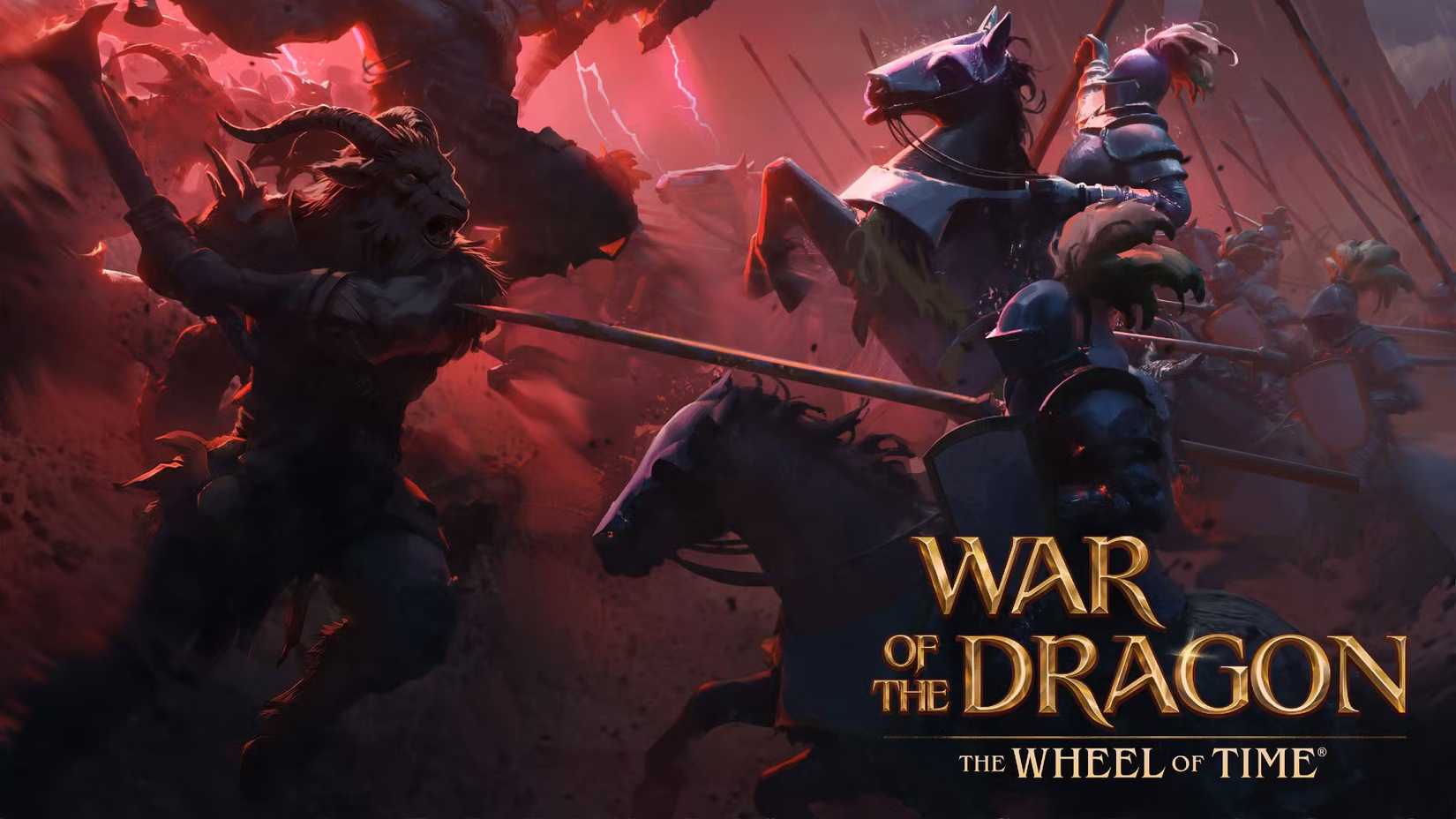
War of the Dragon: The Wheel of Time, the first major officially licensed board game based on the book series in over two decades, has taken the tabletop world by storm. Launched on Kickstarter by Dire Wolf Digital, the project has surpassed its initial funding goal by more than 1,600%, signaling a voracious appetite for high-fidelity adaptations of Jordan’s "Pattern."
Main Facts: A Crowdfunding Juggernaut
The scale of the success for War of the Dragon cannot be overstated. At the time of reporting, the campaign has raised a staggering £622,733 (approximately $790,000 USD), far exceeding its modest "funding goal" of £37,194. This surge in capital came from thousands of backers worldwide, many of whom have been waiting for a definitive tabletop experience that captures the geopolitical complexity and magical scale of the books.
Produced by Dire Wolf Digital—the studio behind the critically acclaimed Dune: Imperium and the Clank! series—the game promises to be more than a simple licensed tie-in. It is a grand strategy experience designed for 2 to 4 players, focusing on the "War of the Dragon," a period of absolute upheaval in the series’ lore.
The game is offered in several tiers to accommodate different levels of collectors:

- Standard Edition ($90): The core gameplay experience.
- Deluxe Edition ($123): Includes high-detail miniatures to replace cardboard standees.
- The Last Battle Bundle ($289): A "whale" tier featuring premium cosmetics, specialized components, and all unlocked extras.
The campaign is currently in its final stretch, with the window for backing set to close on June 23, 2026.
Chronology: The Long Road to the Tabletop
To understand why War of the Dragon is such a significant milestone, one must look at the 36-year history of the franchise.
- The Literary Foundation (1990–2013): Robert Jordan published The Eye of the World in 1990, launching a 14-book series (completed by Brandon Sanderson after Jordan’s passing in 2007). With over 90 million copies sold, it remains one of the best-selling fantasy series of all time.
- Early Adaptations (1999–2002): The franchise saw an early wave of licensed products, including a 1999 first-person shooter video game and a 2002 d20-system tabletop roleplaying game (TTRPG) by Wizards of the Coast. However, these releases were met with mixed commercial results and eventually went out of print.
- The Television Era (2021–Present): The launch of The Wheel of Time on Prime Video brought the series to a massive new audience. Despite creative liberties that polarized some "book purists," the show ran for three seasons and successfully re-energized the brand’s commercial viability.
- The Dire Wolf Partnership (2024–2026): Recognizing the "Golden Age" of board gaming, the Robert Jordan estate (Bandersnatch Group) partnered with Dire Wolf to develop a modern strategy game. The project spent nearly two years in development before its public debut on Kickstarter.
Supporting Data: Mechanics and Component Quality
War of the Dragon is not a simple "roll and move" game. According to the technical specifications released by Dire Wolf, the gameplay is built on three pillars of modern board game design:
1. Tableau Building
Players represent major factions from the books—such as the Aes Sedai of the White Tower, the Children of the Light, or the forces of the Forsaken. As the game progresses, players "weave" their tableau, acquiring powerful characters (Ta’veren) and ancient artifacts (Angreal) that provide permanent bonuses and unique abilities.
2. Action Selection and Area Control
The map of the "Westlands" serves as the primary theater of war. Players must manage limited actions to move armies, influence monarchs, and secure strategic territories. The area control element reflects the series’ focus on the "Game of Houses" (Daes Dae’mar), where political maneuvering is just as deadly as a blade.

3. The Shadow vs. The Light
The game features an asymmetrical conflict. While players may compete for individual dominance, the looming threat of the Dark One’s prison weakening acts as a mechanical "clock." If the Shadow’s influence grows too strong, the board state changes, forcing players to adapt to the encroaching Blight.
The component quality of the Deluxe edition has been a major selling point. The miniatures include iconic figures like Rand al’Thor, Moraine Damodred, and the terrifying Myrddraal. The use of custom "One Power" dice and premium card stock suggests a product designed for longevity and repeated play.
Official Responses: The Vision of the Creators
Dire Wolf Digital has been vocal about their reverence for the source material. In a statement released on the campaign page, the publisher emphasized the "epic conflict" that defines Jordan’s work:
"Robert Jordan’s fantasy masterpiece comes to your table with the first-ever board game based on The Wheel of Time series. War of the Dragon chronicles the epic conflict between the forces of light and darkness as players wage war across a land of magic, ancient prophecies, and powerful armies set to save the world… or destroy it."
Industry analysts note that Dire Wolf’s involvement is a "seal of quality." The studio’s previous work on Dune: Imperium is widely considered one of the best IP-to-board-game adaptations ever made. By applying similar mechanical depth to The Wheel of Time, Dire Wolf is positioning this game as a "hobbyist" title rather than a mere souvenir for fans of the TV show.
The Bandersnatch Group, which manages Robert Jordan’s legacy, has also expressed support for the project, noting that the game’s focus on the "War of the Dragon" allows players to explore eras of the lore that have previously only been hinted at in the books.
Implications: A New Chapter for Fantasy IPs
The success of War of the Dragon has broader implications for the entertainment industry and the tabletop hobby.
The "Kickstarter Effect" for Legacy Brands
This campaign proves that legacy fantasy IPs do not need a current airing TV show to generate massive revenue. Even as the Prime Video series concludes its run, the core fanbase—often referred to as "Book-cloaks"—remains willing to invest heavily in products that respect the original text. This may lead to a wave of similar high-end board game adaptations for other classic series like Malazan Book of the Fallen or The Stormlight Archive.
Tabletop as a Narrative Medium
Board games are increasingly being viewed as a legitimate way to expand a fictional universe. Unlike a movie or a TV show, a grand strategy game like War of the Dragon allows the consumer to become an active participant in the story. The ability to "change the Pattern" and see a different outcome for the Battle of Falme or the Fall of Manetheren offers a level of engagement that passive media cannot match.
The Rise of the "Premium" Board Game
The fact that the $289 tier has seen significant pickup highlights a shift in consumer behavior. Board games are no longer just toys; they are luxury collectibles. For many fans, the game serves as a centerpiece of their collection—a playable encyclopedia of the world they love.

As the June 23 deadline approaches, War of the Dragon: The Wheel of Time stands as a testament to the enduring power of Robert Jordan’s imagination. In the world of the books, "The Wheel of Time turns, and Ages come and pass." In the world of gaming, it seems the Age of the Tabletop has finally arrived for the Dragon Reborn.