
The Embodied Path to Healing: Why Nervous System Regulation is the Foundation of Well-being

"I have been and still am a seeker, but I have ceased to question stars and books; I have begun to listen to the teaching my blood whispers to me." – Hermann Hesse
"Come back to your body; that’s where the truth is." – Ann Weiser Cornell
In a world increasingly characterized by rapid change and constant demands, a silent epidemic of mental, emotional, and psychosomatic distress is taking hold. Millions grapple daily with chronic stress, hypervigilance, poor sleep, persistent aches, bouts of depression, brain fog, a pervasive sense of numbness, meaninglessness, and a profound disconnection from themselves, others, and the very fabric of life. In the relentless pursuit of healing, clarity, and wholeness, a critical element is often overlooked: the body itself.
This article delves into the transformative power of nervous system regulation, arguing that it is not merely another self-help technique but the fundamental bedrock upon which all lasting inner work and spiritual growth must be built. It explores how our modern, often dissociated existence has led us to seek answers externally, neglecting the profound wisdom residing within our physical selves, and outlines a comprehensive approach to reclaiming this vital connection.
The Silent Crisis: Symptoms of a Disconnected Self
The symptoms listed above – from chronic stress to a deep sense of disconnection – are not isolated occurrences but rather widespread manifestations of a collective human experience. We are, in many ways, a dissociated species, having lost intimate connection with our innate wisdom, often referred to as the "Soul" or authentic Self. This disconnection propels us to search for solutions "out there" – in the latest self-improvement books, spiritual workshops, or therapeutic tools. While these external aids may offer temporary relief or valuable insights, they frequently fail to address the root cause, leading individuals back to the same debilitating symptoms and persistent blockages.

The core reason for this cyclical struggle, this article posits, is a fundamental disconnection from our bodies. In an era where "astral travel" or "manifesting abundance" often captivate public interest, the seemingly banal advice to "listen to your body" can feel underwhelming. Yet, this seemingly simple act holds the key to profound transformation. Just as a stable foundation is indispensable for any robust structure, a regulated nervous system is the essential prerequisite for any genuine healing or spiritual journey. Without addressing the body’s chronic state of fight, flight, freeze, or fawn, and learning to consciously regulate the nervous system, no deep, enduring change is truly possible. Grounding, embodiment, and a felt sense of safety are not supplementary practices; they are foundational requirements for any authentic inner work.
A Journey of Embodiment: The Evolution of Mind-Body Understanding
The recognition of the body’s central role in mental and emotional well-being represents a significant shift in modern thought, moving away from a historically entrenched mind-body dualism. For centuries, Western philosophy and medicine largely separated the mind (the seat of consciousness, thought, and spirit) from the body (a mere physical vessel). This division often led to an intellectualized approach to healing, where psychological distress was treated primarily through cognitive means, and physical ailments through biological interventions, with little integration between the two.
However, pioneers in various fields began to challenge this separation. In the early 20th century, psychoanalysts like Wilhelm Reich posited that the body itself held unconscious material, manifesting as "body armor" in muscles, gestures, and postures. He argued that unresolved emotional conflicts and traumas were physically stored, influencing an individual’s physical structure and expression. This concept was further developed by Alexander Lowen in the 1970s, who, through his work in bioenergetics, popularized the idea that "the body is the unconscious made visible," emphasizing the energetic and expressive dimensions of physical experience.
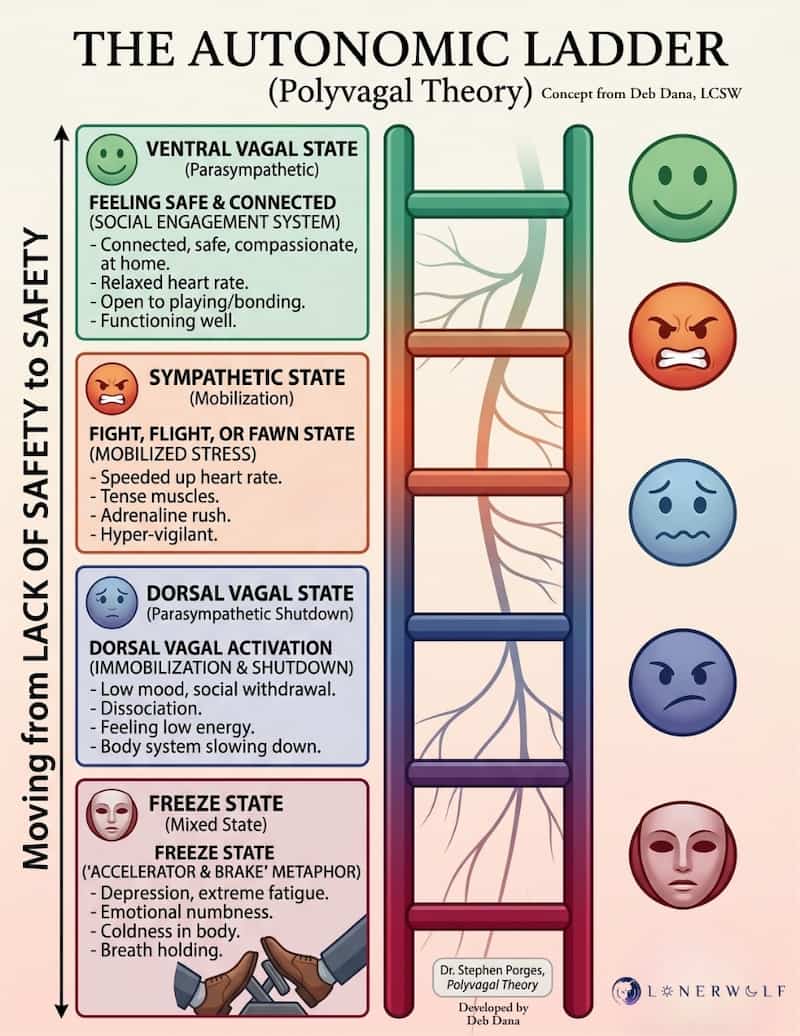
More recently, neuroscience has provided compelling scientific validation for these earlier insights. Dr. Stephen Porges’ groundbreaking Polyvagal Theory, developed in the early 1990s, revolutionized our understanding of the autonomic nervous system’s role in regulating emotion, social connection, and response to stress. By detailing the function of the vagus nerve and its intricate pathways, Porges offered a neurobiological framework for understanding how our physiological states dictate our psychological experiences. This theory, further elaborated by practitioners like Deb Dana with the "autonomic ladder" concept, provides a practical roadmap for identifying and shifting our nervous system states, cementing the body’s undeniable role as the primary locus of both distress and healing. This chronological evolution highlights a growing convergence across psychology, physiology, and spiritual practices, all pointing towards the body as the essential starting point for genuine transformation.
Unpacking the Blueprint: The Nervous System as Our Internal Compass
To understand nervous system regulation, it’s crucial to grasp the basic architecture and function of this remarkable internal system. As Jennifer Mann and Karden Rabin articulate in The Secret Language of the Body, "Your nervous system exists to help your body produce physiological adaptations to ensure your survival. In other words, you have a nervous system so you can have your best chance at staying alive." It acts as our intrinsic "guard dog," constantly scanning the environment for cues of safety or threat, while also orchestrating vital involuntary functions like heart rate, digestion, sleep, and social engagement.
Nervous System 101: A Deeper Dive
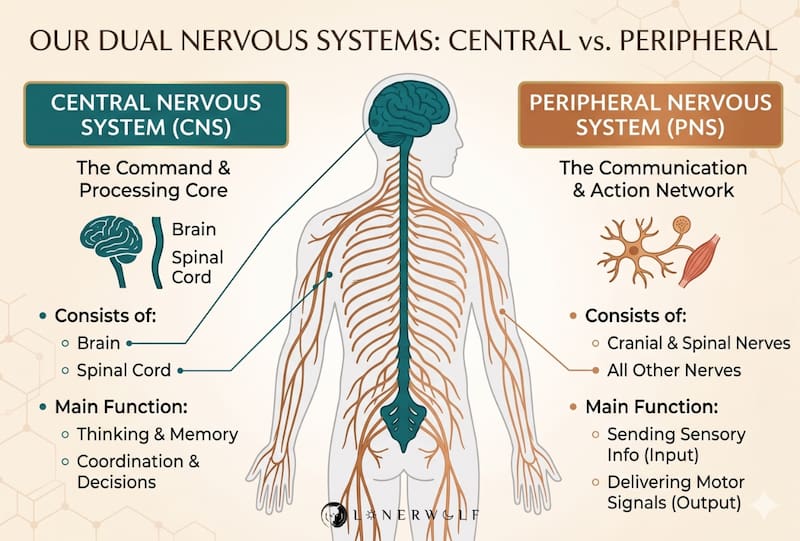
The nervous system is broadly divided into two main components:
- Central Nervous System (CNS): Comprising the brain and spinal cord, this is the command center, processing information and sending signals throughout the body.
- Peripheral Nervous System (PNS): Extending beyond the CNS, it connects the brain and spinal cord to the rest of the body, including organs, muscles, and glands.
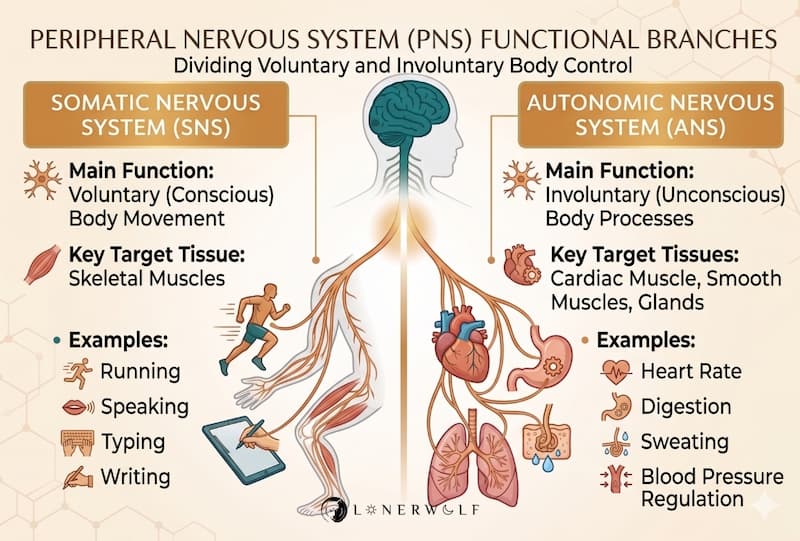
Within the Peripheral Nervous System, there are two critical branches:
- Somatic Nervous System: This controls voluntary movements, such as walking, typing, or speaking. It’s the part we consciously direct.
- Autonomic Nervous System (ANS): This operates largely involuntarily, managing essential bodily functions like breathing, heart rate, digestion, and stress responses. This is the primary focus when discussing "nervous system regulation."
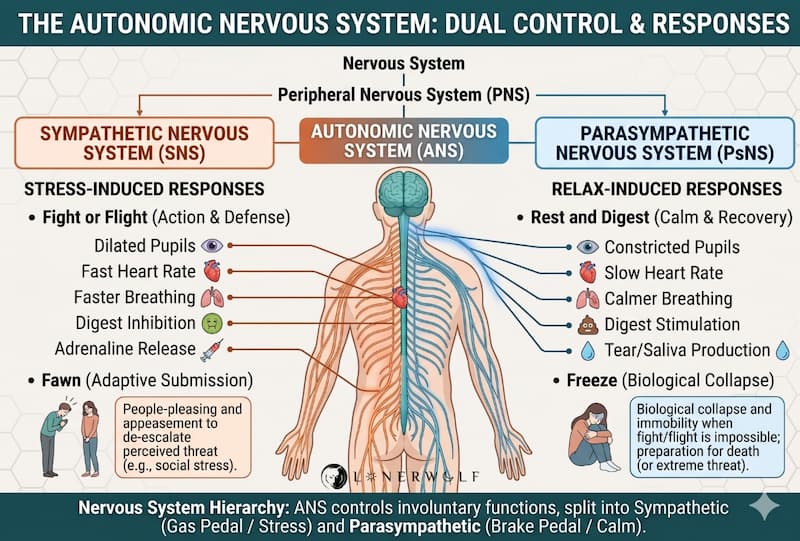
The Autonomic Nervous System is further divided into two opposing, yet complementary, branches:
- Sympathetic Nervous System (SNS): Often dubbed the "fight-or-flight" system, the SNS activates in response to perceived threats. It mobilizes the body for action, increasing heart rate, dilating pupils, diverting blood flow to muscles, and inhibiting digestion. While crucial for survival in acute emergencies, chronic SNS activation leads to exhaustion, anxiety, and hypervigilance.
- Parasympathetic Nervous System (PNS): Known as the "rest-and-digest" system, the PNS promotes relaxation, recovery, and energy conservation. It slows the heart rate, stimulates digestion, and facilitates social engagement and a sense of calm.
The Autonomic Ladder: Navigating States of Being
Dr. Stephen Porges’ Polyvagal Theory, elaborated by Deb Dana’s "autonomic ladder," offers a nuanced understanding of these states. It describes a hierarchy of nervous system responses, moving from states of profound threat to profound safety:
- Ventral Vagal (Social Engagement System): This is the highest rung of the ladder, characterized by a state of safety, connection, and calm. Here, individuals feel socially engaged, curious, open, and resilient. The body is relaxed, digestion is optimal, and emotions are manageable. This is the ideal state for healing and growth.
- Sympathetic (Mobilization/Fight-Flight): When safety is compromised, the nervous system shifts to this state. Energy mobilizes for action, preparing the individual to fight off a threat or flee from it. This manifests as anxiety, anger, fear, restlessness, and physical tension.
- Dorsal Vagal (Immobilization/Freeze-Collapse): If fight or flight is not an option, or if the threat is overwhelming, the system can descend to the dorsal vagal state. This is an ancient, primitive response, leading to a sense of collapse, numbness, dissociation, helplessness, and often depression. It’s a shutdown mechanism to conserve energy and minimize pain.
- Fawn (Appeasement): While not explicitly a Porgesian state, "fawn" is a common behavioral response to threat, particularly in interpersonal dynamics, often linked to a blend of sympathetic and dorsal vagal activation. It involves people-pleasing, self-abandonment, and seeking to appease a perceived aggressor to avoid conflict or harm.
The Body IS the Unconscious: A Repository of Experience
The concept that "the body is the unconscious," as Marilyn Ferguson succinctly put it, is central to this understanding. Our unresolved traumas, shadows, and core wounds are not abstract psychological constructs; they are embodied experiences etched into our physiological landscape. They manifest as chronic muscle tension, digestive issues, sleep disturbances, inexplicable pains, and persistent emotional states.
As Jennifer Mann and Karden Rabin highlight, "Oftentimes, nervous system dysregulation is the manifestation of wounds to our developmental self or inner child." Similarly, therapists Connie Zweig and Steve Wolf, in Romancing the Shadow, eloquently describe how "the shadow wears the camouflage of physical symptoms… We may lie, but the body does not. We may forget an abuse, but the body does not." The body acts as a shock absorber for emotional experience, accumulating patterns of stress and trauma. These unspoken narratives, lodged in our muscles and cells, inevitably begin to "tell their tales" through physical and emotional symptoms. Our emotional triggers, chronic aches, and automatic stress responses become direct doorways into deeper, embodied healing.
Cultivating Resilience: Practical Approaches to Nervous System Regulation
Learning to regulate the nervous system is about consciously moving out of chronic sympathetic or dorsal vagal states and fostering a greater capacity to reside in, or return to, the ventral vagal state of calm and connection. It’s about building physiological resilience, allowing us to flow through various states without getting stuck in dysregulation.
1. Grounding: The Anchor in the Present Moment
"The body is anchored in the here and now while the mind travels into the past and future." – Buddha. Grounding is the foundational skill for nervous system regulation. It is the practice of consciously bringing awareness back to the present moment and into the body, counteracting the dissociative tendencies often born of trauma. Bessel Van Der Kolk, in The Body Keeps the Score, emphasizes that trauma can make people feel like "some body else, or like no body. In order to overcome trauma, you need help to get back in touch with your body, with your Self."
Practical grounding techniques include:
- 5-4-3-2-1 Technique: Identify 5 things you can see, 4 things you can feel, 3 things you can hear, 2 things you can smell, and 1 thing you can taste.
- Connecting with Nature: Spending time outdoors, feeling the earth underfoot, or observing natural elements.
- Mindful Self-Touch: Gently placing a hand on your chest, stomach, or arms, feeling the warmth and pressure.
- Weighted Blankets: The deep pressure can be incredibly soothing and regulating.
- Warm Baths or Showers: The warmth and sensation of water can be very centering.
- Mindful Eating: Paying full attention to the tastes, textures, and smells of food.
- Humming or Singing: These activities vibrate the vagus nerve, promoting calm.
- Mindful Movement: Gentle stretching, walking, or yoga, focusing on bodily sensations.
2. Breath as a Regulator and Anchor
"Only through breathing deeply and fully can one summon the energy for a more spirited and spiritual life." – Alexander Lowen, Bioenergetics. After grounding, mastering the breath is arguably the most potent tool for nervous system regulation. Breath is intrinsically linked to our physiological state. Shallow, chest breathing activates the sympathetic system, creating tension and hypervigilance. Deep, diaphragmatic (belly) breathing, however, activates the parasympathetic system, promoting calm, centeredness, and grounding.
The simplest yet most effective breathwork technique involves lengthening the exhale. This directly stimulates the vagus nerve and slows the heart rate, shifting the body into a "rest and digest" state.
- 4-7-8 Breathing: Inhale for 4 counts, hold for 7, exhale for 8.
- Box Breathing: Inhale for 4 counts, hold for 4, exhale for 4, hold for 4.
- Physiological Sigh: Two short inhales through the nose, followed by a long, slow exhale through the mouth.
3. The Vagus Nerve: Your Body’s Reset Button
The vagus nerve, the longest cranial nerve, extends from the brainstem to various organs in the abdomen, playing a crucial role in parasympathetic activity. Stimulating this nerve is a powerful way to "calm, restore, and reset" the body from stress.
Simple vagus nerve activation techniques include:
- Cold Exposure: Splashing cold water on your face, taking a cold shower, or holding ice packs on your neck.
- Gargling: The act of gargling activates the muscles in the back of the throat, stimulating the vagus nerve.
- Humming, Chanting, or Singing: These vocalizations create vibrations that resonate through the vagus nerve.
- Deep, Slow Breathing: As discussed, particularly focusing on long exhales.
- Laughter: Genuine laughter provides a full-body release and vagal stimulation.
- Probiotics: A healthy gut microbiome has been linked to vagal tone.
- Massage: Especially around the neck and feet.
- Meditation: Cultivating a state of relaxed awareness.
4. Releasing What the Body Holds: Somatic & Physical Approaches
"The body remembers, the bones remember, the joints remember, even the little finger remembers. Memory is lodged in pictures and feelings in the cells themselves." – Clarissa Pinkola Estes, Women Who Run With the Wolves. Sometimes, grounding and breathwork are not enough to release the "metastasized stress stored within our flesh." Years of unresolved trauma and emotional burden can become deeply embedded, requiring more direct somatic and physical interventions.
These modalities work directly with the body’s stored memories and tension:
- Somatic Experiencing (SE): Developed by Peter Levine, SE helps individuals process trauma by focusing on bodily sensations and "titrating" the release of stored energy.
- Hakomi: A mindfulness-based, assisted self-discovery method that uses gentle touch and present-moment awareness to access core beliefs and unconscious material held in the body.
- Myofascial Release: A hands-on therapy that targets restrictions in the fascia (connective tissue) to alleviate pain and restore mobility.
- Yoga and Tai Chi: These practices combine physical postures, breathwork, and meditation to increase body awareness and release tension.
- Therapeutic Screaming or Vocal Release: Allowing primal sounds to escape can be a powerful way to discharge pent-up emotional energy.
- Acupuncture: Traditional Chinese medicine technique that involves inserting thin needles into specific points to balance the body’s energy flow and address physical and emotional imbalances.
- Dietary Changes: Adopting a grounding, clean, and nourishing diet supports overall nervous system health.
5. Creative & Expressive Regulation
"My belief is in the blood and flesh as being wiser than the intellect. The body-unconscious is where life bubbles up in us." – D. H. Lawrence. For sensitive and artistic individuals, creative expression offers a potent pathway for nervous system regulation. Activities like drawing, sculpting, scrapbooking, or crafting bypass the analytical mind, drawing us into our hearts and bodies. This process not only allows for the release of emotions and the processing of unconscious material but also strengthens the mind-body connection, giving voice to the soul’s unspoken narratives. Engaging the hands in creative work can be a profoundly grounding and enlivening experience.
The Profound Implications: Nervous System Regulation as a Spiritual Path
It is imperative to clarify that nervous system regulation is not merely a supplementary practice to be tacked onto other modalities. It is, unequivocally, the foundation of all inner work. Moreover, the body itself can become our most direct and authentic spiritual path. As Zen master Thich Nhat Hanh stated in Awakening of the Heart, "You may think somehow that being aware of your body is not an important spiritual practice, but that is not correct. Any physiological, psychological, or physical phenomenon can be a door to full realization."

Embodied spirituality is, in many respects, the most authentic form of spiritual practice. It is not an abstract concept or a disconnected idea floating in the ether; rather, it is rooted in the "here-and-now" of our daily existence, felt in and expressed through the body. When we speak of "integration" as a vital component of healing, we are fundamentally talking about embodying the message – allowing insights and transformations to sink into our very cells, transforming our felt experience of being alive.
This work is not merely about managing symptoms; it is about reclaiming our wise, wild, warm, welcoming, and whole Self. It is the crucial first step in the journey of "Soul recovery," fostering a profound sense of aliveness and connection that permeates every aspect of our being. By prioritizing the body, we unlock a deep well of inherent wisdom, creating a stable internal environment from which genuine growth and spiritual awakening can flourish.
Conclusion: Your Body’s Unspoken Wisdom
As Ann Weiser Cornell beautifully summarizes in The Power of Focusing, "The truth is that our bodies are wise in many ways hardly ever acknowledged by our culture. Our bodies carry knowledge about how we are living our lives, about what we need to be more fully ourselves, about what we value and believe, about what has hurt us emotionally and how to heal it. Our bodies know which people around us are the ones who bring out the best in us, and which people deplete and diminish us. Our bodies know what is the right next step to bring us to more fulfilling and rewarding lives."
Learning to regulate your nervous system is far more than a healing technique; it is an act of deep self-reverence and a gateway to profound wisdom. When you learn to befriend your body, to truly listen to its whispers and respond to its needs, you return home to the present moment. You become more embodied, more ensouled, more vibrantly alive. This is not just a practice; it is a way of life that empowers you to navigate the complexities of existence with resilience, grace, and an unwavering connection to your authentic Self. The journey back to wholeness begins with the wisdom held within your own flesh and blood.




Leave a Comment