
The End of an Era: OnePlus Withdraws from US and European Markets
Main Facts: The "Never Settle" Philosophy Faces Economic Reality
After a decade of disrupting the smartphone industry, the "Flagship Killer" is retreating from the Western front. Oppo, the parent conglomerate of OnePlus, has officially confirmed that it will cease the sale and distribution of new OnePlus devices across the United States and European markets. This decision marks one of the most significant shifts in the mobile landscape in recent years, signaling the end of a brand that once promised to deliver high-end specifications at mid-range prices.
While existing OnePlus owners have been assured that after-sales support, warranty services, and software updates will continue for the duration of their devices’ lifecycles, the pipeline for new hardware has effectively been severed. This includes not only the brand’s signature smartphones but also its expanding ecosystem of tablets, smartwatches, and audio peripherals.
Oppo has characterized the withdrawal as a "strategic realignment," aiming to focus resources on markets where the brand maintains a dominant or rapidly growing share, such as India and mainland China. However, industry analysts point to a more complex web of challenges, ranging from insurmountable carrier hurdles in the U.S. to protracted legal battles over patents in Europe, and an increasingly squeezed market position between the giants of Apple and Samsung.
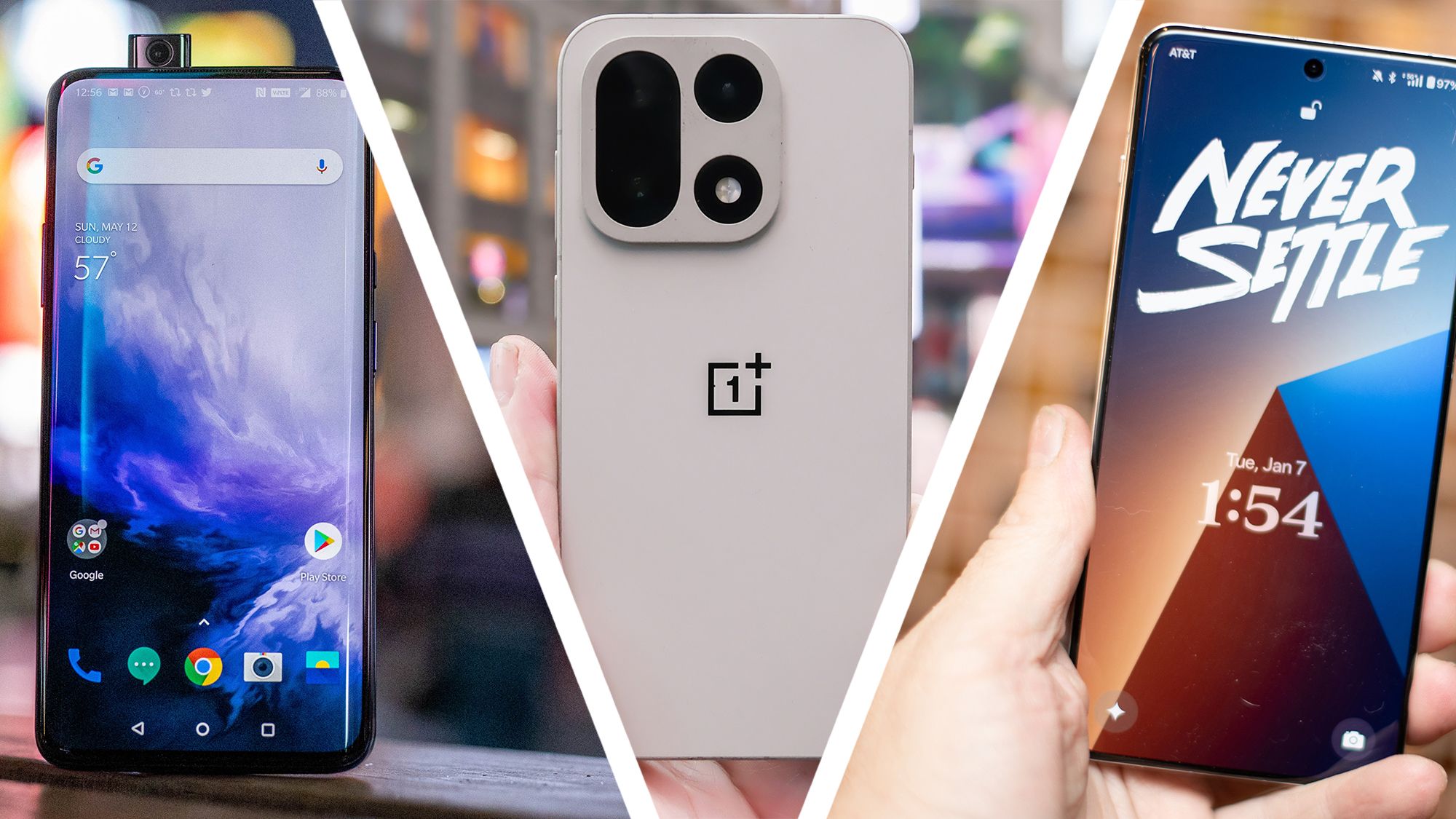
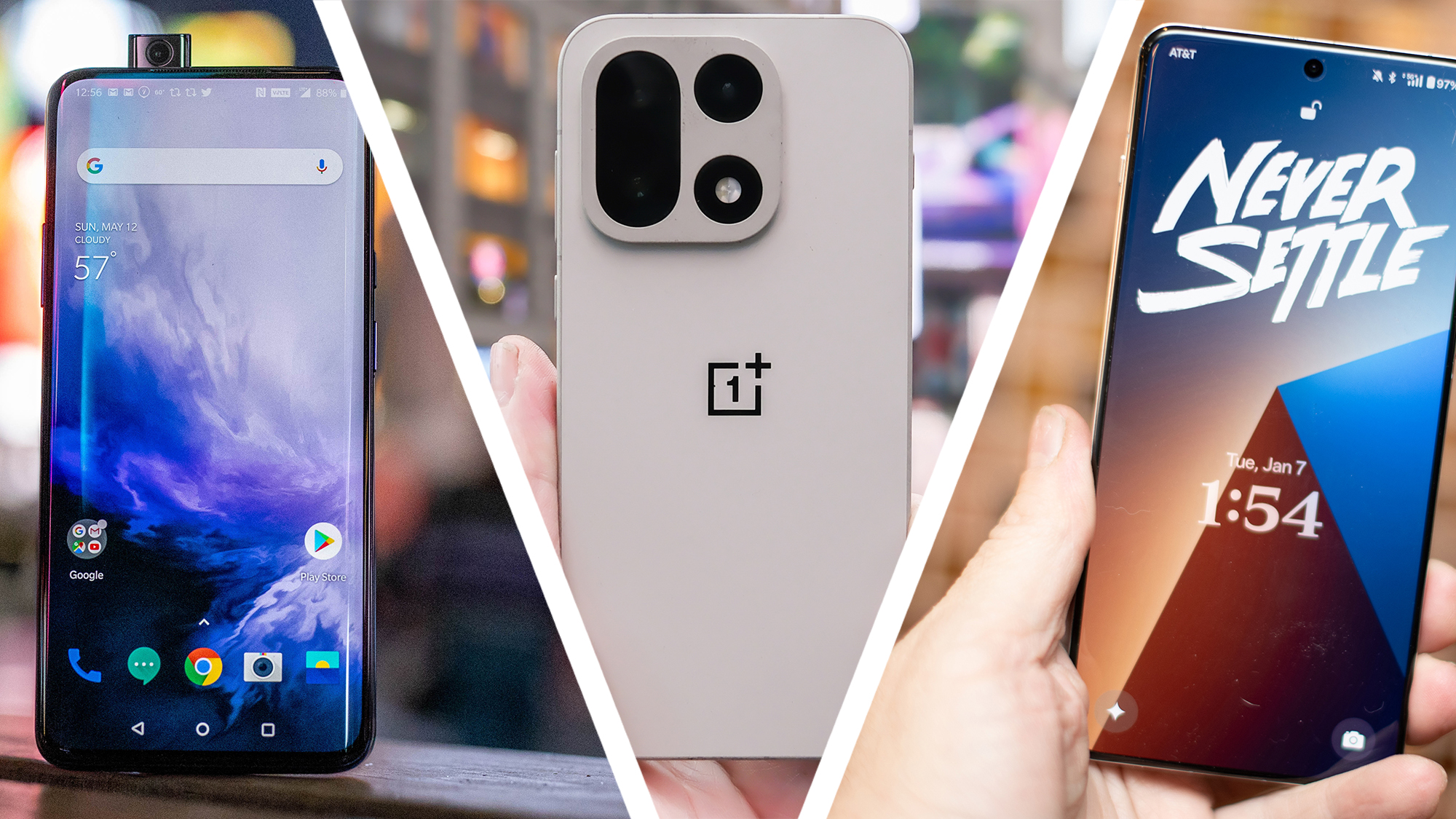
Chronology: A Decade of Innovation and Disruption
To understand the weight of this exit, one must look back at the trajectory of OnePlus—a brand that, for a time, felt like the only legitimate challenger to the status quo.
1. The Genesis: OnePlus One (2014)
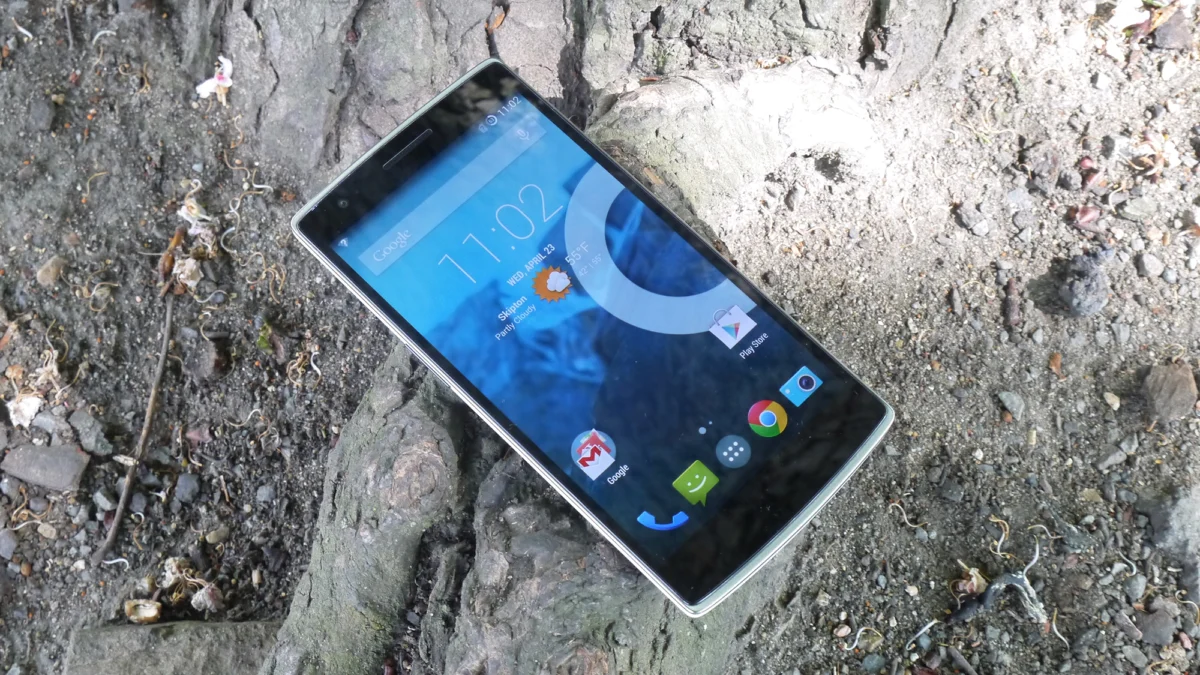
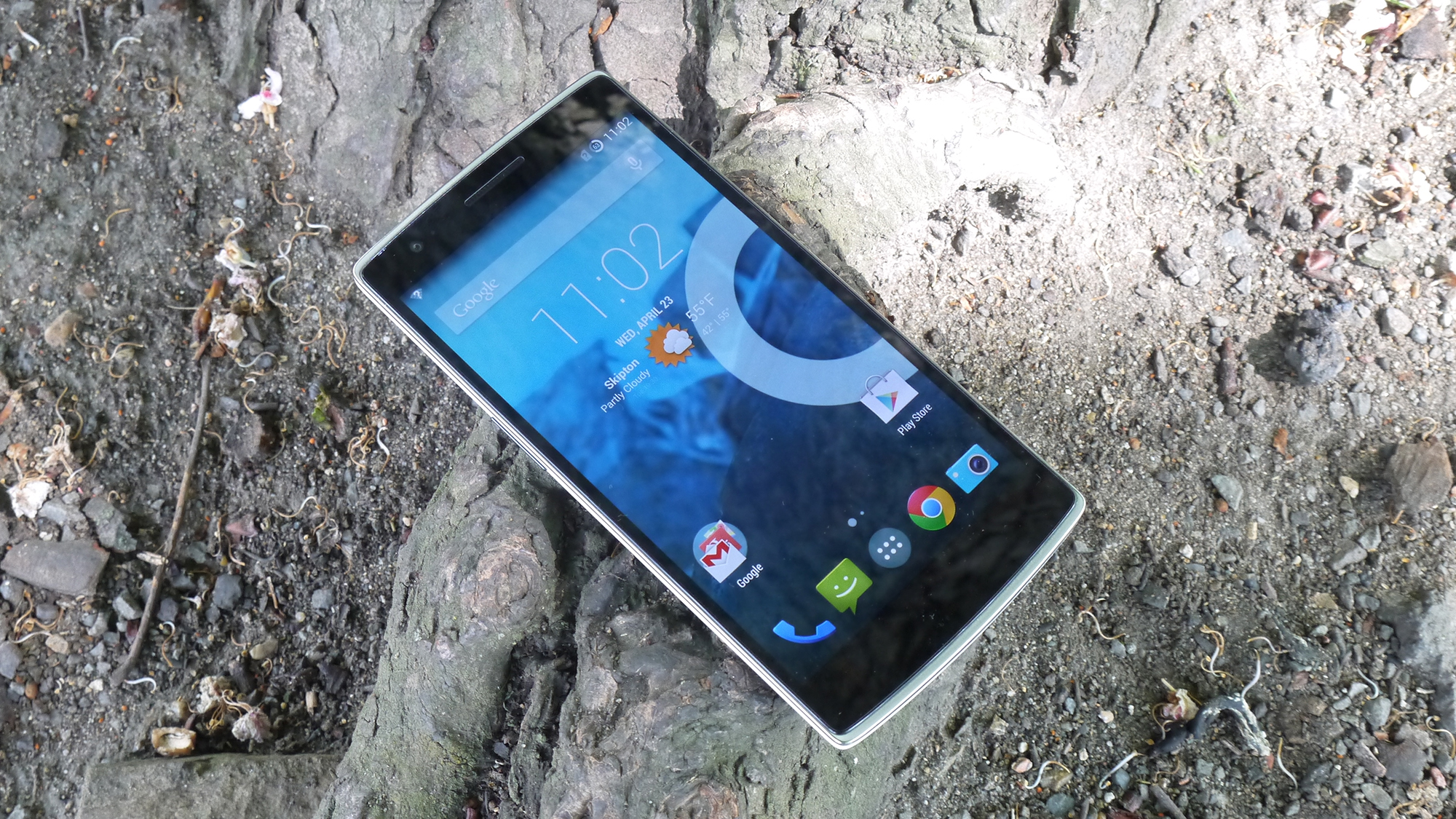
The journey began with a bold, almost arrogant premise: "Never Settle." When the OnePlus One launched in 2014, it sent shockwaves through the industry. At a time when the Samsung Galaxy S5 and iPhone 6 were retailing for upwards of $600, OnePlus offered the same internal hardware—a Snapdragon 801 processor and 3GB of RAM—for just $299.
The company utilized a controversial "invite-only" system to manage inventory and build a sense of exclusive community. Running CyanogenMod, a fan-favorite Android skin, the OnePlus One wasn’t just a phone; it was a cult phenomenon that proved high-end tech didn’t require a high-end tax.
2. The Peak of Premium: OnePlus 7 Pro (2019)
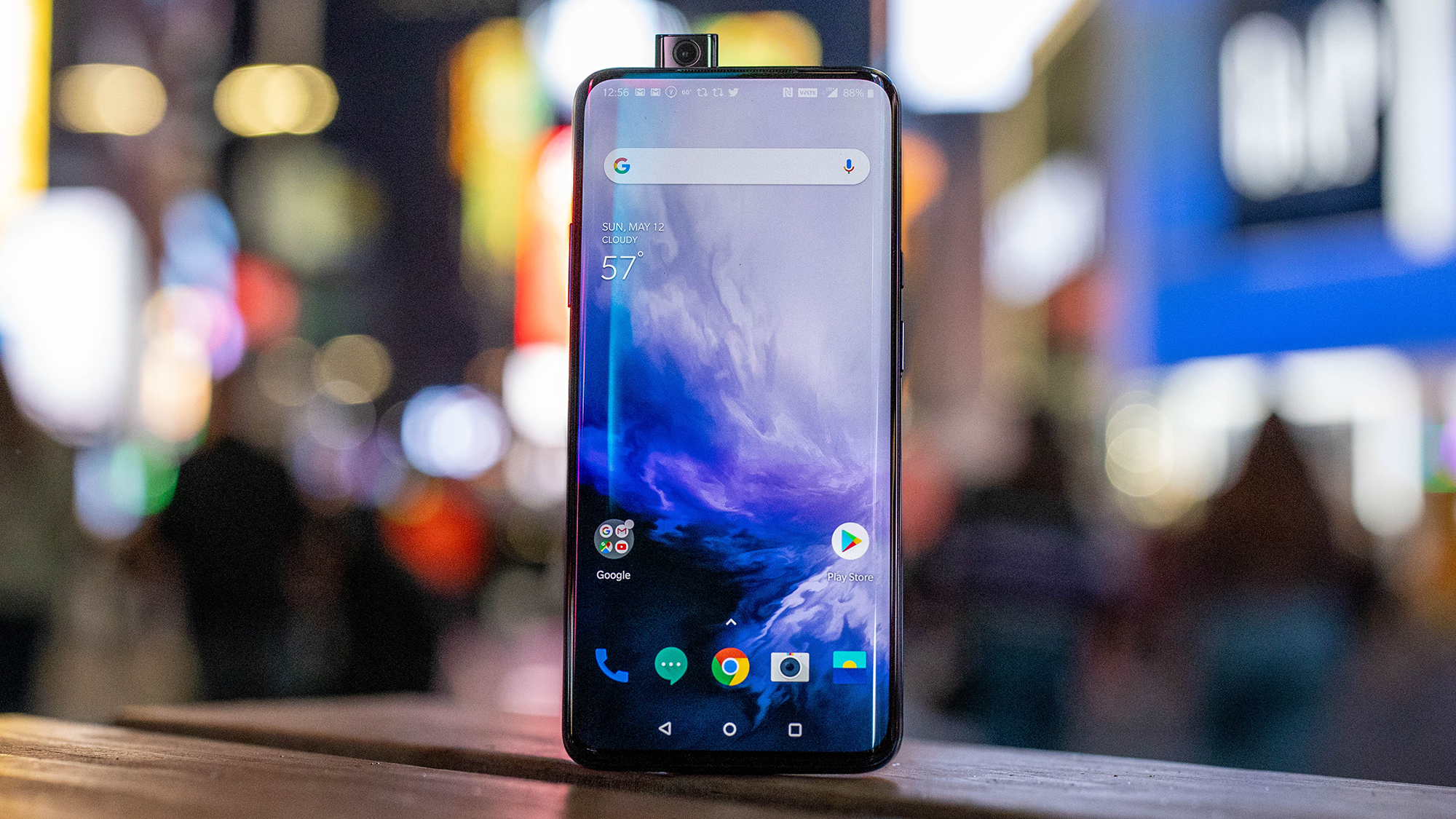
By 2019, OnePlus had transitioned from a niche enthusiast brand to a global contender. The OnePlus 7 Pro represented the pinnacle of this evolution. It was the first device to truly "wow" the mainstream market with its 90Hz Fluid AMOLED display—a feature that made standard iPhones and Pixels feel sluggish by comparison.
The 7 Pro is perhaps best remembered for its motorized pop-up selfie camera, which allowed for a truly bezel-less, notch-free viewing experience. It was a masterpiece of industrial design that signaled OnePlus was no longer just copying flagships; it was leading them.
3. The Foldable Breakthrough: OnePlus Open (2023)
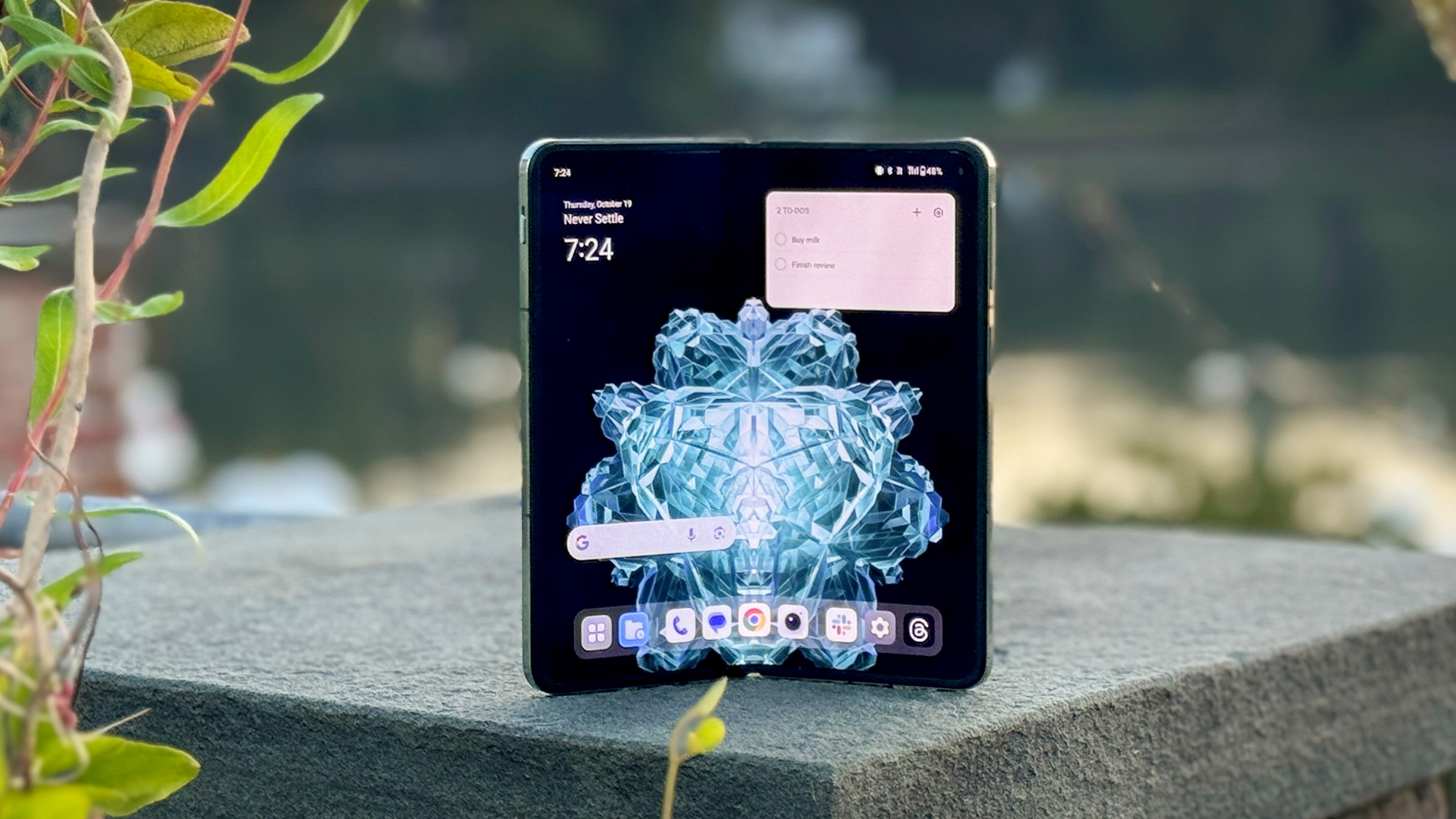
Even as rumors of a Western exit began to swirl, OnePlus continued to innovate. The 2023 launch of the OnePlus Open proved that the company could master the most difficult form factor in the industry. While Samsung’s Fold series faced criticism for its narrow outer screen and prominent crease, the OnePlus Open arrived with near-perfect proportions and a hinge system that felt generations ahead. It was widely regarded by tech critics as the first foldable that felt like a "normal" phone when closed, cementing OnePlus’s reputation as a top-tier engineering firm.
4. The Powerhouse: OnePlus 13 (2024)
The OnePlus 13 was a return to the brand’s roots of raw, unadulterated power. Featuring the Snapdragon 8 Elite and a massive 6,000 mAh battery, it set new benchmarks for Android performance. It also introduced an IP69 rating, offering a level of durability rarely seen in consumer handsets. Despite its technical excellence, the OnePlus 13 struggled with visibility, as it failed to secure the carrier partnerships necessary to reach the average American or European consumer.
5. The Swan Song: OnePlus 15 (2025)
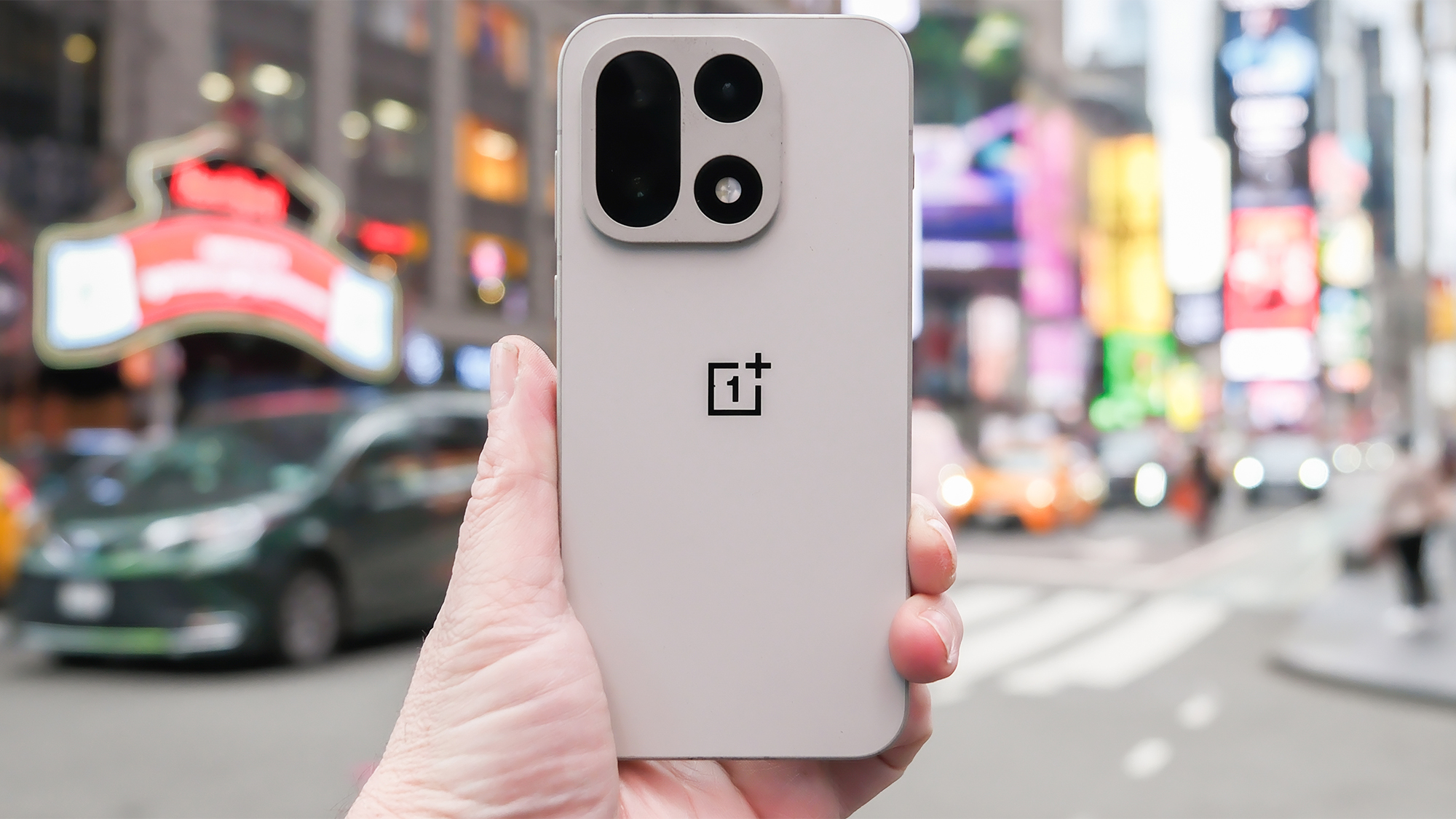
The final flagship to grace Western shores, the OnePlus 15, was a bittersweet triumph. Earning rare 5-star reviews across the board, the device perfected the "Hasselblad Camera for Mobile" partnership and offered a software experience that was both fast and refined. It served as a reminder of what the market is losing: a manufacturer willing to push the boundaries of battery life and charging speeds (often reaching 100% in under 30 minutes) while maintaining a distinct aesthetic identity.
Supporting Data: Why the "Flagship Killer" Faltered
The retreat from the West is not a failure of product quality, but rather a casualty of market structure. In the United States, approximately 80% of smartphones are purchased through carriers (Verizon, AT&T, and T-Mobile). OnePlus, despite several attempts to court these giants, remained largely an "unlocked" brand purchased through Amazon or the OnePlus website. This relegated them to a tiny fraction of the total market share.
In Europe, the challenges were more legal than structural. A series of patent disputes with Nokia over 4G and 5G technologies led to temporary bans on sales in Germany and other territories. While some of these were settled, the legal instability drained resources and damaged brand confidence among retailers.
Furthermore, the "Oppo-fication" of the brand played a significant role in alienating its core enthusiast base. As OnePlus integrated its OxygenOS software with Oppo’s ColorOS, many longtime fans felt the brand had lost its "clean" Android identity, becoming just another sub-brand in a massive corporate hierarchy.
Official Responses: A "Strategic" Pivot
In an official statement, an Oppo spokesperson defended the move:
"Our decision to refocus our operations is part of a long-term strategy to ensure sustainable growth. The smartphone market in the US and Europe has reached a level of saturation and structural complexity that requires a different approach. We remain committed to our existing customers in these regions and will continue to provide industry-leading software support and service."
Behind the scenes, sources suggest that Oppo is consolidating its brands to better compete with Xiaomi and Huawei in emerging markets. By pulling OnePlus out of the high-marketing-cost environments of the West, the company can redirect billions of dollars toward R&D for the next generation of AI-integrated devices and 6G technology.
Implications: A Less Competitive Future
The withdrawal of OnePlus from the US and Europe has several troubling implications for consumers:
1. The Erosion of Choice
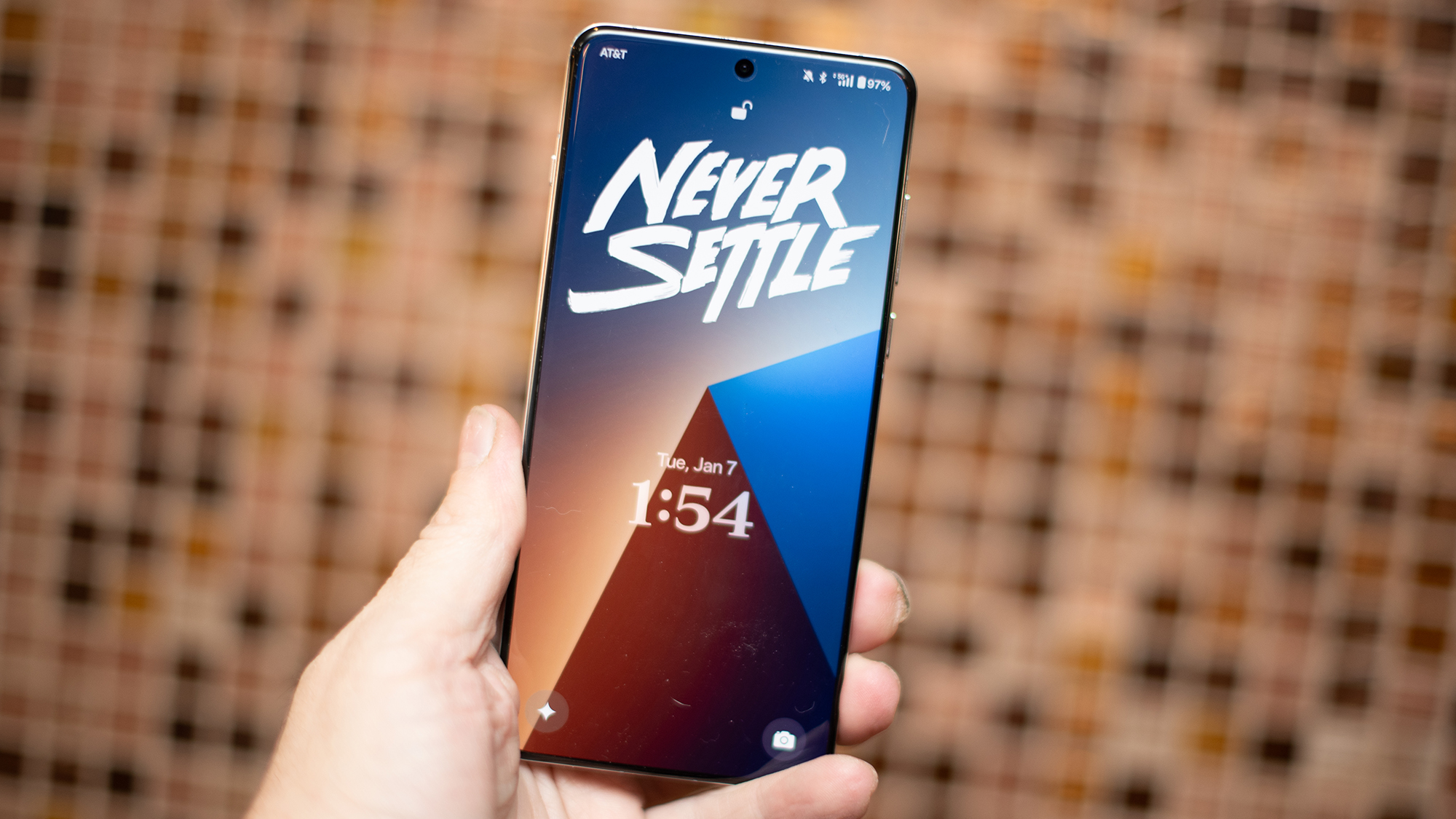
The "premium" smartphone market in the West is now closer than ever to a duopoly. With OnePlus gone, consumers looking for a high-performance alternative to Apple and Samsung are left with Google’s Pixel or the niche offerings from Sony and Motorola. This lack of competition often leads to stagnation in innovation and a steady creep in pricing.
2. The Loss of Fast-Charging Standards
OnePlus was the primary advocate for high-wattage charging in the West. While Samsung and Apple still linger around 25W to 45W charging speeds, OnePlus routinely offered 80W to 100W. Without this competitive pressure, there is little incentive for the market leaders to improve their lackluster charging speeds.
3. The Shift to Enthusiast "Grey Markets"
Much like the early days of Xiaomi, dedicated OnePlus fans in the US and Europe will likely turn to importing Chinese or Indian variants of future devices. This carries risks, including lack of warranty, incompatible cellular bands, and software regional locks, but it underscores the loyalty the brand managed to build over eleven years.
4. A Warning to Other Chinese Brands
The exit of OnePlus serves as a cautionary tale for other ambitious Chinese manufacturers like Vivo or Realme. It proves that even with a superior product and a dedicated fan base, the "Great Wall" of Western carrier dominance and patent litigation can be insurmountable.
As the dust settles on this announcement, the tech world loses a vibrant, often erratic, but always interesting player. OnePlus began as a rebel shouting from the sidelines; it leaves as a sophisticated veteran that simply found the cost of the fight too high to bear. For the fans who "Never Settled," the future of mobile technology just got a little more predictable—and a lot less exciting.


