The Enduring Allure of Pixel Art: A Deep Dive into a Timeless Aesthetic
In an era where graphical fidelity often reaches uncanny valley levels, where the individual pores of a character’s skin can be rendered with astonishing detail, a significant segment of the gaming community remains captivated by a different kind of visual artistry: pixel art. This article explores the persistent and profound appeal of games that embrace the charm and character of pixelated graphics, celebrating their unique ability to evoke emotion, tell compelling stories, and create unforgettable gaming experiences.
The Unwavering Charm of the Pixelated World
While the relentless pursuit of hyperrealism in video games is undeniably impressive, it often leaves some players yearning for the stylized and exaggerated aesthetics that defined earlier eras of gaming. This sentiment is not a rejection of technological advancement, but rather a deep appreciation for the distinct artistic choices that pixel art represents. Games like Okami, with its elegant brushstrokes, Disco Elysium, showcasing striking impressionism, and indeed, almost any RPG from gaming’s 16-bit era, demonstrate the power of art direction to transcend raw graphical power.
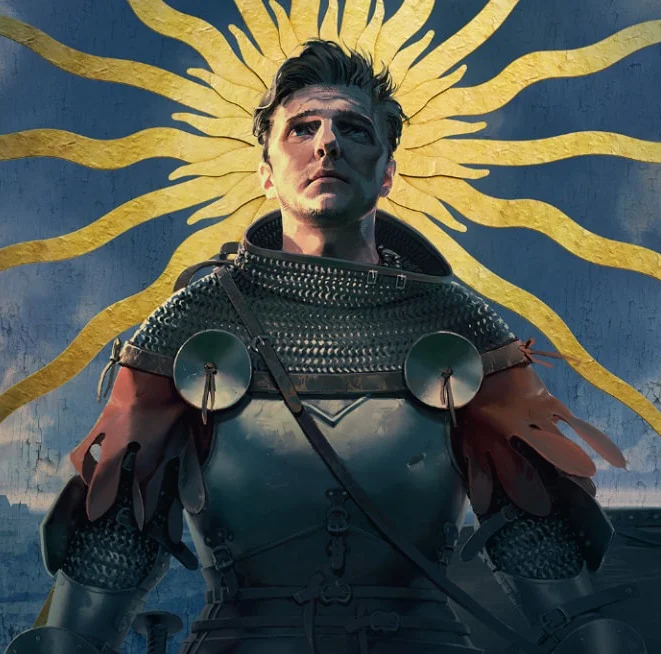
The author’s personal journey highlights this enduring affection. The formative experiences of playing games like Secret of Mana have irrevocably shaped their appreciation for the medium, fostering a lifelong fondness for the visual language of 8-bit, 16-bit, and even 32-bit games. This connection to the past is not merely nostalgic; it’s a testament to the inherent artistic merit and lasting impact of these visual styles. Modern titles that skillfully channel these aesthetics, such as Hyper Light Drifter and Replaced, prove that pixel art is far from a relic of the past. These games, unburdened by the technical limitations of their predecessors, showcase meticulously crafted pixel work that rivals, in its own way, the visual richness of contemporary AAA titles.
A Testament to Artistic Vision: The Power of Pixel Art
The appeal of pixel art extends beyond mere nostalgia. It is a deliberate artistic choice that offers a unique set of advantages, allowing developers to convey a wealth of detail and emotion through carefully curated pixels. This requires a profound understanding of composition, color theory, and animation principles, often pushing artists to be incredibly resourceful and innovative.
The Renaissance of Retro: Modern Pixel Art Games
The resurgence of pixel art in modern game development is a vibrant phenomenon. Developers are not simply replicating old styles; they are innovating and pushing the boundaries of what pixel art can achieve.
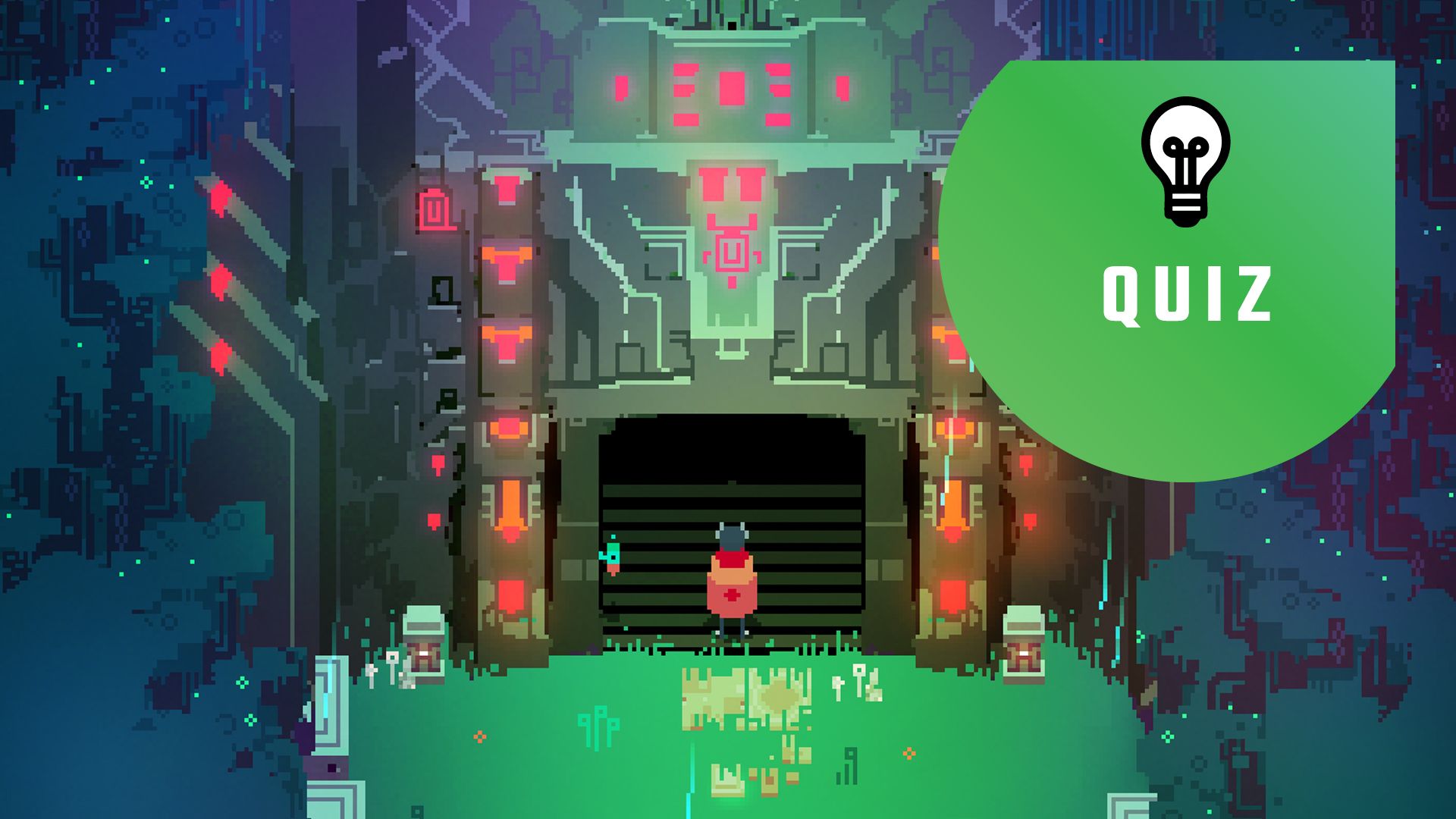
- Hyper Light Drifter: This action-adventure game is a prime example of modern pixel art mastery. Its world is rendered in stunning detail, with vibrant color palettes and fluid animations that bring its desolate yet beautiful landscape to life. The game’s art style is both melancholic and breathtaking, perfectly complementing its narrative of loss and discovery.
- Replaced: This upcoming action RPG boasts a stunningly detailed pixel art aesthetic, blending retro sensibilities with futuristic themes. Its environments are intricate and atmospheric, hinting at a rich lore and a deeply immersive world. The game’s visual design suggests a meticulous attention to detail, where every pixel serves a purpose in building its unique atmosphere.
- Celeste: This critically acclaimed platformer is celebrated for its challenging gameplay and heartfelt narrative. Its pixel art is simple yet incredibly expressive, effectively conveying the emotional journey of its protagonist. The game’s visual design is a masterclass in using limited resources to create maximum impact.
- Stardew Valley: This beloved farming simulation game is a testament to the enduring appeal of charming pixel art. Its cozy and vibrant world is brought to life through a delightful pixelated aesthetic, making every aspect of the game, from farming to interacting with villagers, a joy to behold.
These titles, and many others, demonstrate that pixel art is not a limitation but a powerful tool for artistic expression. They prove that compelling visuals can be achieved through thoughtful design, creative use of color, and meticulous animation, rather than solely relying on raw polygon counts and photorealistic textures.
The Craft Behind the Pixels: A Look at the Development Process
Creating high-quality pixel art is a demanding discipline that requires a unique set of skills. Unlike the more forgiving nature of 3D modeling, every pixel in a 2D sprite or environment is deliberately placed and carries significant weight in the overall composition.
The Art of Pixel Placement: Precision and Intent
- Sprite Design: Character sprites in pixel art games are often meticulously crafted, with animators painstakingly creating each frame of movement. This process involves defining the character’s silhouette, ensuring readability at various sizes, and imbuing them with personality through subtle gestures and expressions. The iconic walk cycles of 16-bit heroes, for example, are a testament to the skill and dedication of pixel artists.
- Environment Art: Pixel art environments require a keen eye for detail and a strong understanding of perspective. Artists must create worlds that are both visually appealing and navigable, using color and shading to convey depth, texture, and atmosphere. The iconic tile-based environments of classic RPGs, for instance, are a perfect illustration of how simple repeating elements can be used to construct vast and detailed worlds.
- Color Palettes: The limited color palettes of older hardware often forced artists to be incredibly judicious with their color choices. Modern pixel art games often embrace this limitation as an artistic constraint, carefully selecting palettes that evoke specific moods and eras. The use of vibrant, saturated colors in many indie pixel art games, for example, can create a sense of energy and excitement.
Animation: Bringing Pixels to Life
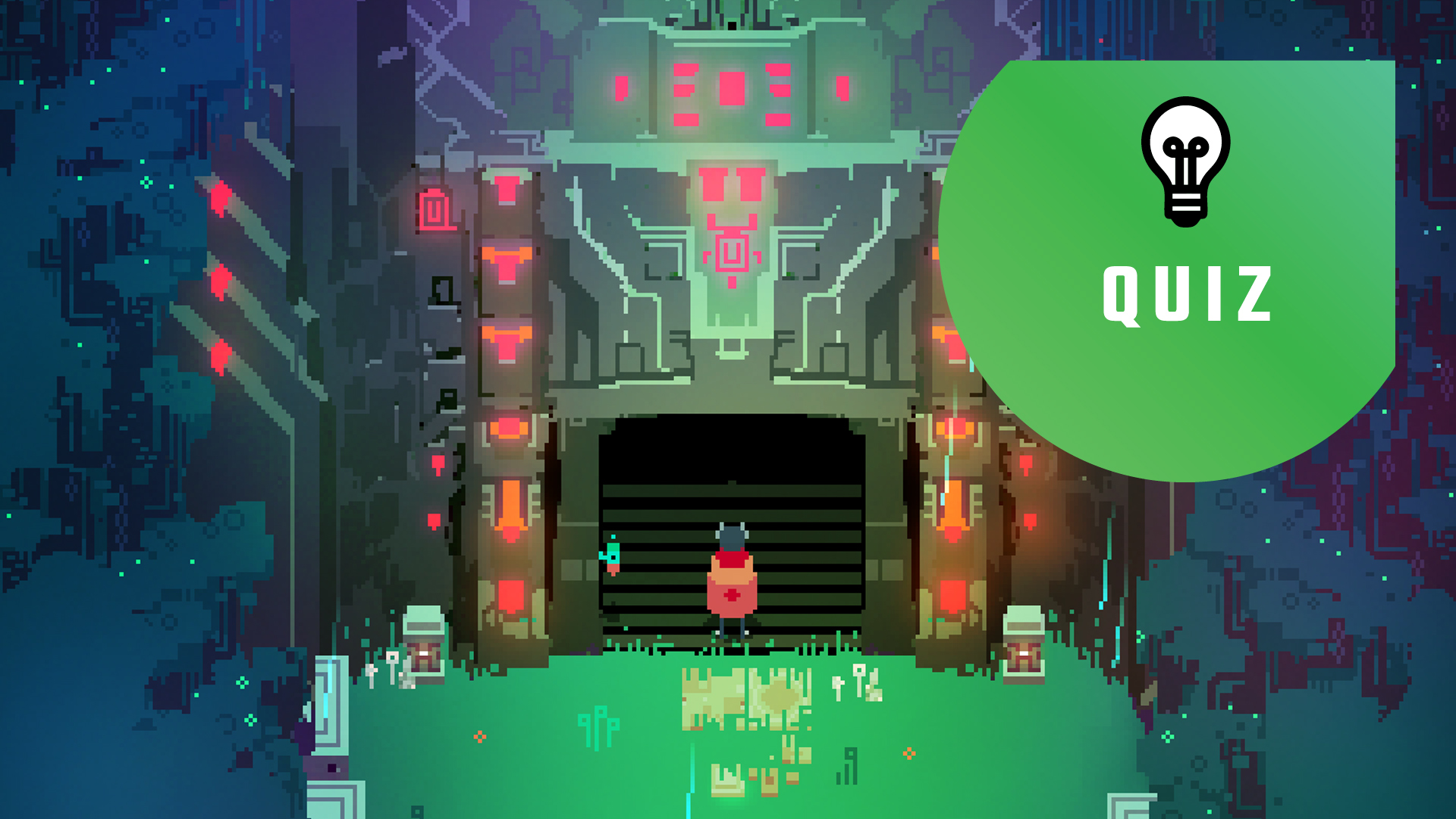
Animation is crucial to making pixel art feel dynamic and engaging. The fluid and expressive animations in games like Hyper Light Drifter or the charming idle animations in Stardew Valley demonstrate how pixel art can convey a surprising amount of life and personality.
- Frame-by-Frame Animation: Many pixel art games rely on traditional frame-by-frame animation techniques. This involves drawing each individual frame of an animation, ensuring smooth transitions and believable movement.
- Animated Effects: Pixel art also lends itself well to the creation of striking visual effects, such as explosions, magic spells, and environmental phenomena. These effects, often rendered with vibrant colors and dynamic patterns, add a layer of visual flair to the gameplay.
The Emotional Resonance of Pixel Art
Beyond its aesthetic appeal, pixel art possesses a unique ability to evoke strong emotional responses in players. The inherent simplicity of the medium often invites players to fill in the gaps with their own imaginations, leading to a more personal and profound connection with the game.
Imagination as a Design Tool
The abstract nature of pixel art encourages players to engage their imaginations. A few carefully chosen pixels can represent a character’s fear, a moment of triumph, or a sense of wonder. This active participation in constructing the game’s world and characters can lead to a deeper emotional investment.
- Nostalgia and Comfort: For many, pixel art is intrinsically linked to cherished childhood memories. Playing a modern pixel art game can evoke a sense of comfort and familiarity, transporting players back to a simpler time while offering a fresh and engaging experience.
- Expressive Characterization: Despite their limited detail, pixel art characters can be incredibly expressive. Through clever use of animation, posture, and subtle visual cues, developers can imbue even the simplest sprites with a rich inner life, making players empathize with their struggles and celebrate their victories.
The Future of Pixel Art in Gaming
The enduring popularity of pixel art suggests that it will continue to be a significant force in the video game industry. As technology advances, the tools available to pixel artists become more sophisticated, allowing for even greater detail and complexity within the pixel art framework.
Innovation and Evolution
- Hybrid Approaches: We may see more games that blend pixel art with other visual styles, creating unique hybrid aesthetics. This could involve using pixel art for characters and environments while incorporating more realistic effects or 3D elements.
- Artistic Constraints as Inspiration: The inherent constraints of pixel art will likely continue to inspire creative solutions and innovative design choices. Developers will continue to find new ways to push the boundaries of the medium, creating visually stunning and emotionally resonant experiences.
- The Indie Scene: The independent game development scene will undoubtedly remain a fertile ground for pixel art. The accessibility and relative affordability of pixel art development tools allow smaller teams to create visually distinctive games that stand out in a crowded market.
Conclusion: A Timeless Aesthetic for a Modern Age
In conclusion, the enduring appeal of pixel art in video games is a testament to its unique artistic power. It is a medium that encourages imagination, fosters emotional connection, and allows for incredible creativity. While hyperrealism continues to advance, the charm and character of pixel art remain undiminished. As developers continue to explore and innovate within this timeless aesthetic, we can expect to see many more visually striking and emotionally resonant games that celebrate the enduring allure of the pixel. The PC Gamer quizzes, by highlighting these games, serve as a wonderful reminder of the rich tapestry of visual styles that gaming has to offer, and the lasting impact of well-crafted pixel art.