The Enduring Quest for Growth: Navigating the Dualities of Aging
By [Your Name/Pen Name]
The human journey is intrinsically marked by two profound and transformative experiences: the process of growing up and the inevitable march of growing old. While seemingly distinct, these phases are deeply intertwined, each presenting unique challenges and opportunities for human consciousness. As we navigate the latter stages of life, the ability to perceive and engage with the world around us undergoes a significant shift, impacting our subjective experience and our very will to live. This article explores the complex interplay between physical aging and the persistent human drive for psychological growth, drawing on personal reflection and historical wisdom to illuminate a path towards a more vibrant and meaningful later life.
The Shifting Landscape of Perception and Experience
Growing up, and indeed, continuing to "grow up" throughout life, is a testament to the dynamic nature of human consciousness. This ongoing development hinges on two fundamental abilities: the objective perception of our external reality and the subjective psychological experience of our internal world. Our five senses provide the raw data of existence, allowing us to objectively grasp the physical nature of our surroundings and the events that unfold in a typical day. However, it is our mind and brain that transform this raw data into meaningful experiences, imbuing perceived happenings with the full spectrum of human emotion, thought, and evaluation. This intricate dance between objective perception and subjective interpretation forms the bedrock of our understanding of the world and our place within it.
As the aging process takes hold, these abilities can become more challenging to maintain. Many older individuals diligently strive to keep their senses sharp, a natural instinct to remain connected to the external world. Yet, paradoxically, this focus on maintaining objective perception can sometimes lead to a psychological withdrawal from the ever-changing currents of daily life. The allure of the past, with its familiar landscapes and settled certainties, often proves more comforting than the effort required to adapt to new values, evolving social norms, and shifting perspectives. This can manifest as an unwillingness or even an irritation at the prospect of re-thinking established mindsets, a resistance to the mental agility needed to integrate novel ideas and feelings into an already well-formed internal architecture.
The Unseen Cost of Stagnation
This tendency to retreat from new mental challenges, to diminish the expanding range of consciousness that nature’s later stages can bring, has a profound and often unconscious consequence: a weakening of the will to keep on living. When we cease to engage with the dynamic processes of life, when we allow our minds to become fixed and resistant to change, we inadvertently dim the spark that fuels our existence. The adage, "Keep the Body in motion, and the Mind in action," serves as a potent reminder that sustained growth, whether in youth or in old age, requires a dual commitment to both physical and mental engagement. It is through this active participation in life’s ongoing narrative that we truly continue to "grow up," rather than merely "grow old."
A Personal Encounter with the Narrative of Decline
The profound impact of this psychological stagnation was brought into sharp relief during a recent conversation at a local coffee house. I encountered an elderly gentleman, who, with a sigh that seemed to carry the weight of decades, declared he had stopped actively thinking about his daily existence. "What’s the point?" he mused, his gaze distant. "I’m 75. I’m an old man. I don’t have many opinions anymore. I’m just growing old, coasting to the end." His words painted a poignant picture of a life seemingly resigned to a passive decline, a surrender to the perceived inevitabilities of age.
In moments like these, the futility of argument or even gentle persuasion can be palpable. There was an undeniable sense of finality in his pronouncements, a quiet acceptance of a life that, in his view, had reached its natural conclusion. While my own experience of aging offers a contrasting perspective – a continuous internal dialogue and an enduring curiosity about the world – I recognized the delicate boundary where pushing for a different viewpoint might be met with indifference or even discomfort.
The Unfolding Tapestry of Consciousness: A 94-Year-Old’s Perspective
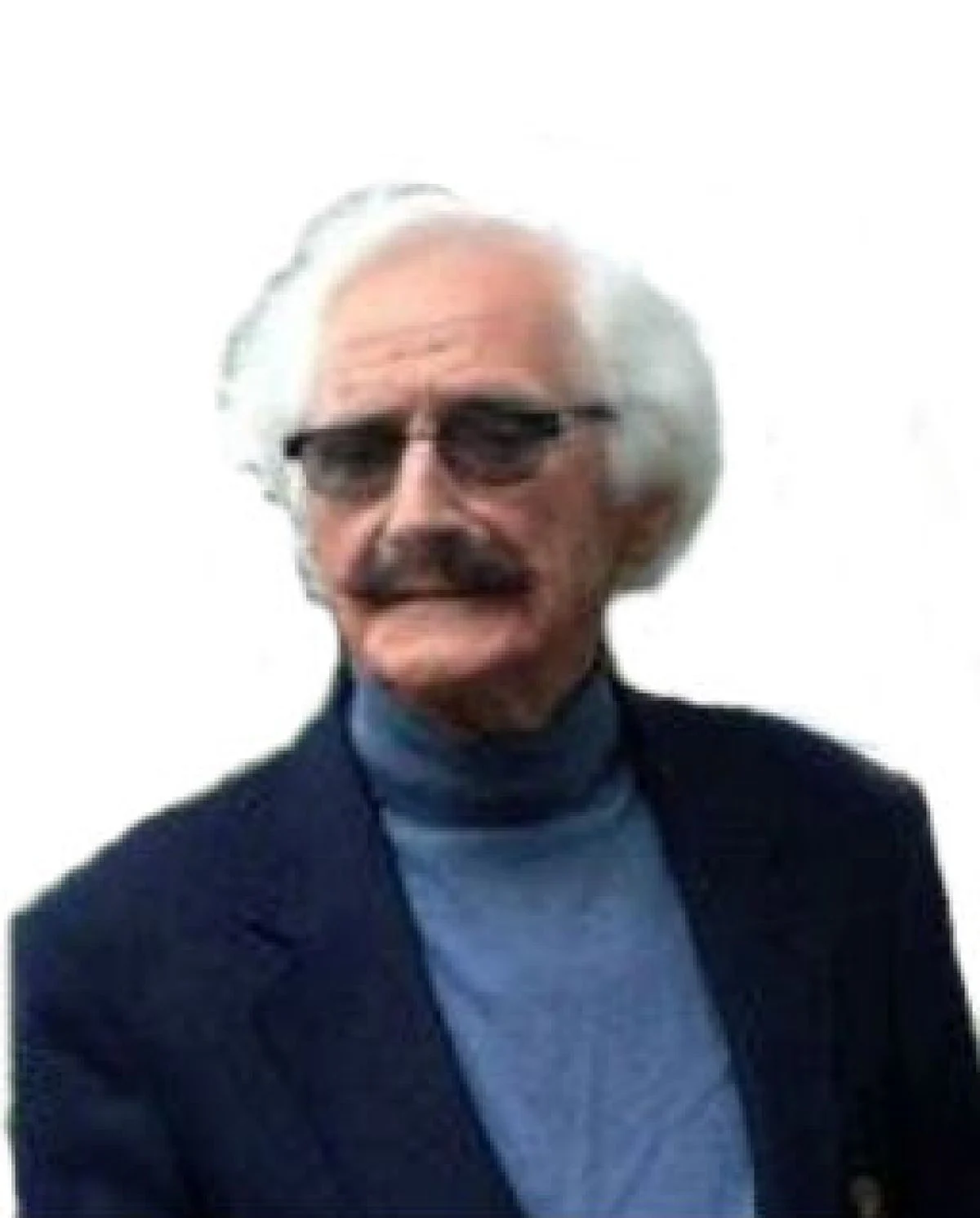
My own journey through aging has been a starkly different narrative, one characterized by an ever-intensifying quest for understanding and a vibrant engagement with life. Having recently celebrated my 94th birthday, I can attest that the "armchair" has held little appeal. Instead, the physical and mental impetus to remain active has been a constant companion. This active engagement, I believe, fuels a continuous "psychological growing up." The questions of "Why and wherefore, to what end?" become not burdens, but catalysts for deeper exploration and a richer appreciation of existence.
Looking back, the intensity and frequency of these existential inquiries were significantly less pronounced when I was 75, the age of the gentleman I met. This suggests that a conscious decision to remain mentally and physically engaged can profoundly influence the quality of one’s later years, transforming the potential for decline into an opportunity for continued growth and intellectual vitality. The mind, when continually challenged and stimulated, seems to possess an inherent drive to explore, to question, and to evolve, regardless of chronological age.
Echoes of Wisdom: Ancient and Modern Perspectives on Aging
The human experience of aging, with its inherent complexities and diverse manifestations, has long been a subject of philosophical contemplation. Two powerful quotations, separated by approximately 2,500 years, offer enduring insights into the potential and the pitfalls of later life.
Plato, the ancient Greek philosopher, observed, "Old age has a great sense of calm and freedom. When the passions have relaxed their hold, you have escaped not from one master, but from many." This perspective highlights the potential liberation that can accompany aging. As the intense desires and urgent demands of youth and middle age recede, a sense of tranquility and detachment can emerge. This freedom from the tyranny of unfulfilled passions can allow for a more profound appreciation of life’s simpler pleasures and a deeper inner peace. It suggests a state of being where the mind, unburdened by the relentless pursuit of external validation, can turn inward and find contentment.
In striking contrast, Oscar Wilde, the witty Irish playwright of the late 19th century, penned a more poignant and perhaps unsettling observation: "The tragedy of old age is not that one is old, but that one is young." Wilde’s epigram speaks to a different kind of struggle, one where the physical realities of aging clash with an enduring youthful spirit that feels trapped or unfulfilled within an aging body. It suggests the profound frustration of a mind still vibrant and eager, yearning for experiences and engagement that the physical limitations of old age may impede. This perspective underscores the importance of maintaining agency and purpose throughout life, ensuring that the "young" spirit within is not stifled by the passage of time.
Supporting Data: The Neuroplasticity Advantage
The notion that the mind can continue to "grow up" throughout life is increasingly supported by scientific understanding, particularly in the realm of neuroplasticity. This refers to the brain’s remarkable ability to reorganize itself by forming new neural connections throughout life. Far from being a static organ that inevitably deteriorates with age, the brain can adapt and change in response to learning, experience, and stimulation.
Research consistently demonstrates that engaging in mentally stimulating activities – such as learning new skills, reading, engaging in complex problem-solving, and participating in social interactions – can help to preserve and even enhance cognitive function in older adults. Studies have shown that individuals who maintain active cognitive lifestyles exhibit slower rates of cognitive decline and a reduced risk of developing neurodegenerative diseases like Alzheimer’s. This is because consistent mental engagement builds cognitive reserve, a sort of mental resilience that can help the brain to better withstand the effects of aging and disease.
Furthermore, physical activity is not merely beneficial for the body; it also has a profound impact on brain health. Exercise increases blood flow to the brain, promoting the growth of new brain cells and improving the connections between existing ones. This synergy between physical and mental activity creates a powerful feedback loop, where staying active physically supports cognitive vitality, which in turn encourages continued mental engagement, leading to a richer and more fulfilling experience of aging.
Official Responses and Societal Implications
While there may not be specific "official responses" to the philosophical concept of "growing up" versus "growing old" in the traditional sense, various governmental and societal initiatives are increasingly recognizing the importance of supporting active and engaged aging.
Healthcare Systems: Modern healthcare systems are shifting their focus from purely treating illness to promoting wellness and healthy aging. This includes initiatives that encourage regular physical activity, healthy eating, and cognitive engagement. Geriatric care is increasingly emphasizing a holistic approach that addresses not only physical health but also mental well-being and social connection.
Community Programs: Many communities offer programs specifically designed for older adults, ranging from fitness classes and educational workshops to social clubs and volunteer opportunities. These programs aim to combat social isolation, promote lifelong learning, and provide avenues for continued contribution and engagement.
Public Health Campaigns: Public health organizations are increasingly launching campaigns that promote the benefits of healthy aging, encouraging older adults to remain active, socially connected, and mentally stimulated. These campaigns often highlight the success stories of individuals who continue to lead vibrant and fulfilling lives well into their later years, serving as inspiring role models.
The societal implication of embracing the concept of "growing up" in old age is transformative. It challenges the prevailing narrative of decline and dependency, reframing aging as a period of continued potential and growth. This shift can lead to:
- Reduced Healthcare Costs: A more engaged and healthier older population is likely to experience fewer chronic diseases and a lower demand on healthcare resources.
- Increased Social Capital: Older adults who remain active and engaged can contribute significantly to their communities through volunteering, mentorship, and sharing their accumulated wisdom and experience.
- Enhanced Quality of Life: For individuals, the ability to continue learning, contributing, and experiencing joy throughout their lives leads to a profound increase in their overall well-being and life satisfaction.
- Intergenerational Connection: When older adults remain active and engaged, they are more likely to interact with younger generations, fostering stronger intergenerational bonds and the transfer of knowledge and values.
The Enduring Quest: A Call to Conscious Engagement
The journey through life is not a predetermined descent into passivity but a continuous opportunity for growth and evolution. While the physical realities of aging are undeniable, the human spirit’s capacity for adaptation and engagement remains a powerful force. The choice to actively participate in life, to keep the mind in action as well as the body in motion, is not merely a strategy for healthy aging; it is a fundamental pathway to continued psychological growth and a more profound experience of existence.
As we navigate the twilight years, let us not succumb to the siren song of nostalgia or the resignation of perceived limitations. Instead, let us embrace the wisdom of Plato, finding calm and freedom in the relaxation of overwhelming passions, and heeding the implicit challenge in Wilde’s observation to ensure that our inner youth is not a source of tragedy but of enduring vitality. The questions of "Why and wherefore, to what end?" may become less frequent or intense, but their continued presence is a testament to a consciousness that refuses to be extinguished. By consciously choosing engagement, curiosity, and a willingness to adapt, we can ensure that growing old is not an ending, but a continuation of the lifelong, and indeed, the eternal, process of growing up.