The Enduring Quest: How to Keep Growing Up, Not Just Growing Old
The twilight years of life, a period often romanticized as a time of serene reflection, can instead become a subtle battleground for the human spirit. As physical vitality wanes, many find themselves grappling with a profound internal shift. The challenge lies not merely in navigating the inevitable decline of the body, but in actively resisting the psychological retreat that can accompany aging. This article explores the intricate relationship between aging, consciousness, and the vital human drive to remain engaged, drawing on personal reflection and historical wisdom to illuminate a path toward continued growth, rather than passive senescence.
The Dual Nature of Aging: Perception and Psychology
The human experience of aging is a complex interplay of two fundamental aspects: objective perception and subjective psychological engagement. As we journey through life, our five senses provide us with a constant stream of data about the external world. This objective perception allows us to navigate our surroundings, understand events, and interact with our environment. Simultaneously, our minds and brains process this information, generating a rich tapestry of thoughts, feelings, and evaluations. This subjective experience imbues our perceived reality with meaning, shaping our understanding of ourselves and the world around us.
Growing up, in its truest sense, involves the continuous development and refinement of both these faculties. It is a process of expanding our capacity to perceive the world with clarity and to engage with it on a deeper, more meaningful psychological level. This dynamic equilibrium is crucial for a vibrant and fulfilling life.
However, as the aging process takes hold, a divergence can emerge. While many older individuals actively strive to maintain and even sharpen their sensory acuity – a natural instinct to stay connected to the physical world – a subtle but significant psychological shift can occur. This shift often manifests as a tendency to withdraw from the ever-changing currents of daily life, its evolving values, and its novel challenges.
The Siren Song of the Past: A Psychological Retreat
The allure of the past can be potent for those navigating the later stages of life. Familiar memories, established routines, and deeply ingrained thought patterns offer a sense of comfort and predictability in a world that increasingly feels uncertain and complex. For many, it is simply easier and, in their estimation, more meaningful, to reside within the well-trodden paths of their minds rather than to embark on the arduous journey of adapting to new mental attitudes and perspectives.
This psychological inertia can lead to a resistance to re-evaluating long-held beliefs or re-experiencing established emotional responses. The prospect of confronting new ideas, questioning cherished assumptions, or engaging with contemporary societal shifts can evoke a sense of irritation or even apprehension. This resistance to change, while understandable on a certain level, can inadvertently create a mental cul-de-sac, limiting the breadth and depth of one’s consciousness.
The Unconscious Erosion of Vitality
The retreat from new intellectual and emotional challenges, this diminishing of the expanding range of consciousness that is a natural part of life’s unfolding, carries a profound, often unconscious, consequence. When individuals cease to engage with the ongoing processes of life, when they close themselves off to new experiences and perspectives, the very will to live can be subtly undermined. This is not a conscious decision, but rather an unconscious erosion of vitality, a gradual dimming of the inner spark that fuels curiosity, purpose, and engagement.
The ancient adage, "Keep the Body in motion, and the Mind in action," serves as a timeless reminder of this fundamental truth. It encapsulates the essence of sustained growth, advocating for a proactive approach that transcends mere physical existence and embraces a continuous process of mental and emotional development. This is not simply about avoiding the physical frailties of old age; it is about actively cultivating a mindset that fosters ongoing growth, a conscious decision to "keep growing up" rather than passively "growing old."
A Personal Encounter: The Weight of "Being Old"
The stark reality of this psychological withdrawal was brought into sharp focus during a recent conversation in a local coffee house. An elderly gentleman, who identified himself as 75 years of age, shared his perspective on his daily existence. He spoke of having "stopped thinking about his daily existence" and saw "no point in dwelling on events of the past." His pronouncement, delivered with a quiet finality, was that he was simply "growing old, coasting to the end."
This sentiment, while perhaps not uncommon, presented a poignant illustration of the surrender to passive aging. The individual had seemingly accepted a predetermined narrative of decline, a self-fulfilling prophecy that foreclosed any possibility of continued engagement or personal evolution. In such moments, the futility of argument or even reasoned discussion becomes palpable. The chasm between one’s own lived experience and the other’s resigned perspective can be too vast to bridge with words.
The Persistent Question: "Why and Wherefore?"
From the perspective of someone who has navigated the landscape of aging with a different philosophy, the encounter underscored a core belief: that consciousness, irrespective of age, inherently seeks understanding. The persistent, often unspoken, question of "Why and wherefore, to what end?" remains a fundamental aspect of the human condition. To cease asking these questions is, in a sense, to cease truly living.
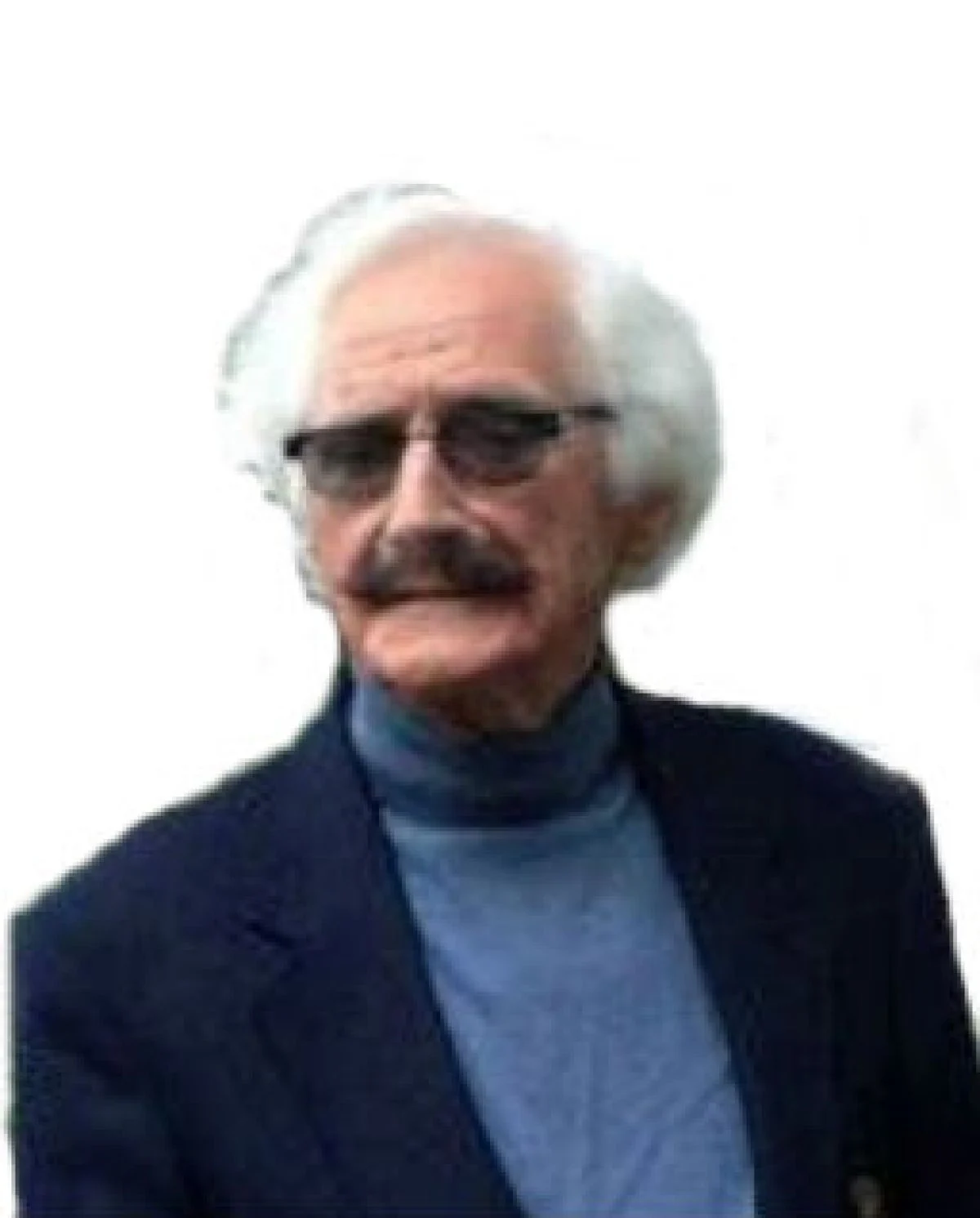
My own experience, having recently celebrated my 94th birthday, offers a contrasting narrative. The commitment to remaining physically active, to "keep away from the armchair," has not been a mere pursuit of longevity but a conscious effort to fuel the mind’s quest for meaning. This active engagement, this pushing of physical boundaries, paradoxically intensifies the mind’s exploration and propels one forward.
The Reward of Continued Growth: Psychological Maturation
The result of this sustained engagement is a continuous process of psychological maturation. This is not about achieving a state of perfect wisdom, but rather about maintaining an active, questioning mind that continues to grapple with the complexities of life. From my own vantage point, the questions posed by consciousness were indeed less frequent and less intense at the age of 75 than they are now. This suggests that with continued engagement and a persistent quest for understanding, the intellectual and emotional landscape can become even richer and more dynamic as one ages.
Echoes of Wisdom: Ancient and Modern Perspectives on Aging
The human struggle with aging and its implications for the spirit is not a new phenomenon. Throughout history, thinkers have grappled with its multifaceted nature, offering insights that resonate across millennia. Two poignant quotations, separated by approximately 2,500 years, illuminate this enduring contemplation:
Plato, the ancient Greek philosopher, offered a perspective that emphasizes the potential for liberation in old age:
"Old age has a great sense of calm and freedom. When the passions have relaxed their hold, you have escaped not from one master, but from many."
Plato’s words suggest that as the intensity of youthful desires and ambitions wanes, a profound sense of peace and autonomy can emerge. This perspective frames aging not as a diminishment, but as a shedding of burdens, a release from the relentless pursuit of external validation. It speaks to the potential for a more introspective and serene existence, free from the often tumultuous grip of strong passions.
In stark contrast, the renowned Irish playwright and wit, Oscar Wilde, offered a more provocative and perhaps unsettling observation:
"The tragedy of old age is not that one is old, but that one is young."
Wilde’s aphorism presents a paradox that challenges conventional notions of aging. He suggests that the true tragedy lies not in the physical realities of growing old, but in the internal state of remaining immature or unfulfilled. It implies that a person can be chronologically old yet psychologically "young" – meaning they have failed to mature, to grow, or to engage with life’s deeper questions. This perspective underscores the importance of continuous personal development, suggesting that a lack of internal growth can render the physical state of old age a profound loss.
These two seemingly disparate viewpoints – Plato’s embrace of calm and freedom, and Wilde’s lament of youthful immaturity within old age – highlight the duality of the aging experience. They suggest that the outcome is not predetermined by chronology, but by the individual’s approach to their own consciousness and their engagement with life.
The Pillars of Continued Growth: Body and Mind in Harmony
The core message, therefore, is one of proactive engagement. The adage "Keep the Body in motion, and the Mind in action" is not merely a suggestion for physical health; it is a prescription for sustained psychological vitality.
The Indispensable Role of Physical Activity
The physical body, as the vessel of our existence, plays a crucial role in maintaining mental acuity. Regular physical activity, even in its gentler forms, stimulates blood flow to the brain, promoting cognitive function and enhancing mood. It provides a tangible sense of accomplishment and a connection to the physical world, countering the tendency towards isolation. For older adults, this can range from daily walks and gentle exercises to more vigorous activities, depending on individual capabilities. The key is consistency and a commitment to movement, however modest.
The Cultivation of Mental Agility
Equally vital is the cultivation of mental agility. This involves actively seeking out new intellectual challenges, engaging in activities that stimulate the brain, and fostering a curious and open mindset. This can include:
- Lifelong Learning: Pursuing new knowledge through reading, attending lectures, taking courses, or engaging in online learning platforms.
- Creative Pursuits: Engaging in activities like writing, painting, music, or crafting, which foster imagination and problem-solving skills.
- Social Engagement: Maintaining active social connections, participating in community groups, and engaging in meaningful conversations.
- Problem-Solving and Critical Thinking: Actively engaging with complex issues, puzzles, or debates that require critical analysis and strategic thinking.
- Embracing Novelty: Being open to new experiences, trying new foods, visiting new places, or learning new skills, even those that might initially seem daunting.
The Unseen Impact: Societal Implications
The way individuals approach aging has profound implications not only for their personal well-being but also for society as a whole. A population that embraces continued growth and engagement in its later years contributes a wealth of experience, wisdom, and perspective. These individuals can remain active participants in their communities, mentors to younger generations, and valuable contributors to the social fabric.
Conversely, a society that implicitly or explicitly encourages passive aging risks losing the invaluable contributions of its older citizens. When individuals withdraw and become disengaged, they may experience diminished quality of life, increased reliance on social support systems, and a general sense of societal disconnect.
A Call to Conscious Aging
The journey from childhood to old age is a continuous process of becoming. The distinction between "growing up" and "growing old" lies not in the passage of time, but in the conscious choices we make about how we engage with our minds and bodies, and how we interact with the world around us.
As Plato suggested, there is indeed a potential for calm and freedom in the later years. However, this freedom is not a passive state but an active liberation from the constraints of inertia and disengagement. Oscar Wilde’s warning serves as a potent reminder that the true tragedy of aging is not the physical decline, but the stagnation of the spirit.
By embracing the wisdom of "Keep the Body in motion, and the Mind in action," individuals can navigate the aging process not as a descent into passivity, but as a continued ascent of consciousness. The quest for understanding, the drive to learn, and the capacity to feel and evaluate remain vital throughout life. The challenge, and the reward, lies in actively choosing to keep growing, to keep questioning, and to keep living with purpose, regardless of the number of birthdays celebrated. The mental overview of life, when fueled by an active mind and body, can indeed intensify its quest, leading to a richer, more meaningful, and ultimately, more vibrant existence.