
The Essential Athlete’s Arsenal: A Decade of Running, Coaching, and Gear Curation
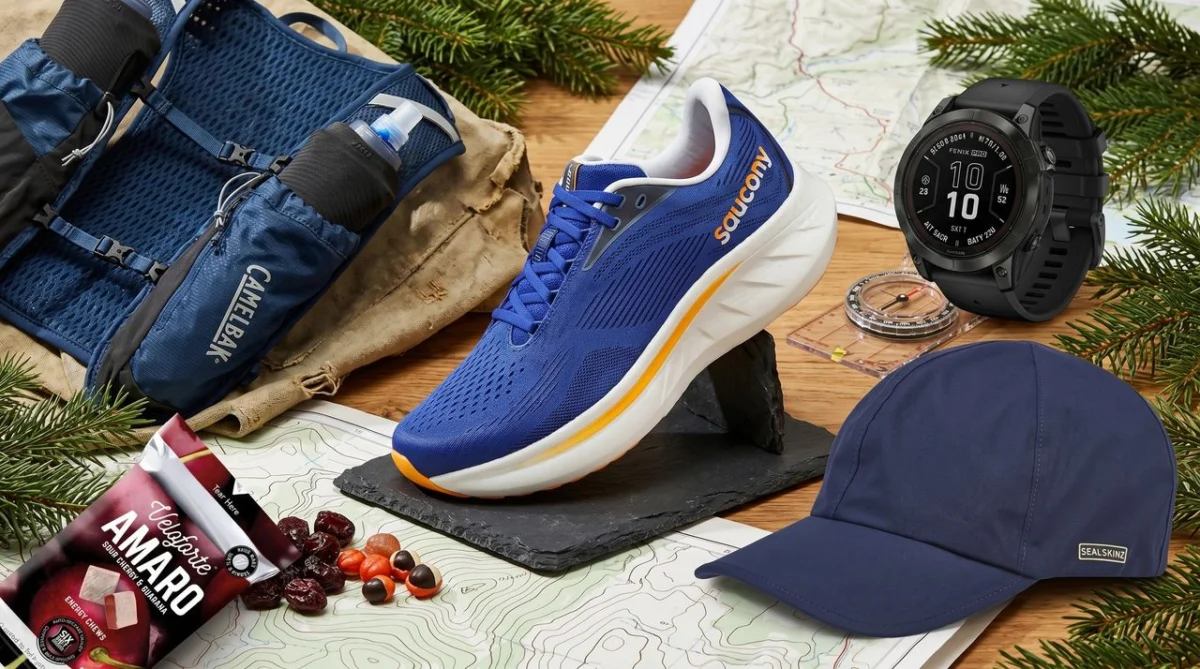
Main Facts: The Evolution of Running Gear and the Coach’s Perspective
In the modern fitness landscape, the transition from a recreational jogger to a competitive athlete is often paved with more than just sweat and mileage; it is paved with an increasingly complex array of technology and apparel. Lily Canter, a UK Athletics-qualified running coach and seasoned ultra-runner, has spent the last decade navigating this evolution. Having supported over 100 runners—ranging from absolute beginners to ultra-marathon veterans—Canter has observed a significant shift in the runner’s relationship with their equipment.
The primary challenge facing the modern runner is no longer a lack of options, but rather a "choice paralysis" born from an oversaturated market. As a freelance journalist for major publications like TechRadar and Runner’s World, Canter has been at the forefront of testing the latest innovations. Her findings suggest that while the industry markets every new product as a "performance essential," the reality for most runners is that a small, curated collection of reliable gear—often frayed and well-worn—is what truly facilitates peak performance and injury prevention.
The central thesis of Canter’s philosophy is that the best kit is not necessarily the most expensive or the most technologically advanced; it is the gear that survives the rigors of thousands of miles, multi-day races, and diverse terrains. This article explores the curated essentials that have stood the test of time, the data supporting their use, and the broader implications of the current gear-heavy culture in athletics.
Chronology: From "Couch to Coach" and the Maturation of an Industry
The journey of an elite runner’s kit bag is a chronological record of their growth. For Canter, this timeline spans ten years, marking a transformation that mirrors the broader trends in the running industry.
The Early Years: Simplification and Discovery (2014–2017)
In the early stages of her running career, the focus was on accessibility. During this period, the running market was beginning its shift away from "minimalist" footwear toward the "maximalist" cushioning movement. For Canter, these years were about discovering the limits of the human body and realizing that basic sneakers were insufficient for the demands of high-mileage training.
The Competitive Shift: Ultras and Specialization (2018–2021)
As Canter transitioned into ultra-running—completing 250km across Tanzania and winning her first 100km race—the requirements for her kit changed drastically. Gear was no longer just about comfort; it became a matter of survival and safety. This era saw the rise of advanced hydration vests, GPS watches with extended battery lives (such as the Garmin Fenix series), and weather-resistant fabrics that could handle mountainous terrain.
The Coaching Era: The Role of the Technical Advisor (2022–Present)
Upon gaining her UK Athletics coaching qualification, Canter’s relationship with gear took on a professional dimension. She became an "unofficial kit helpline" for her athletes. This period coincides with the "Super Shoe" revolution—the introduction of carbon-plated foam that has rewritten world records. However, as a coach, her role has been to temper the hype with practical advice, ensuring that athletes invest in gear that supports their specific biomechanics rather than just following trends.
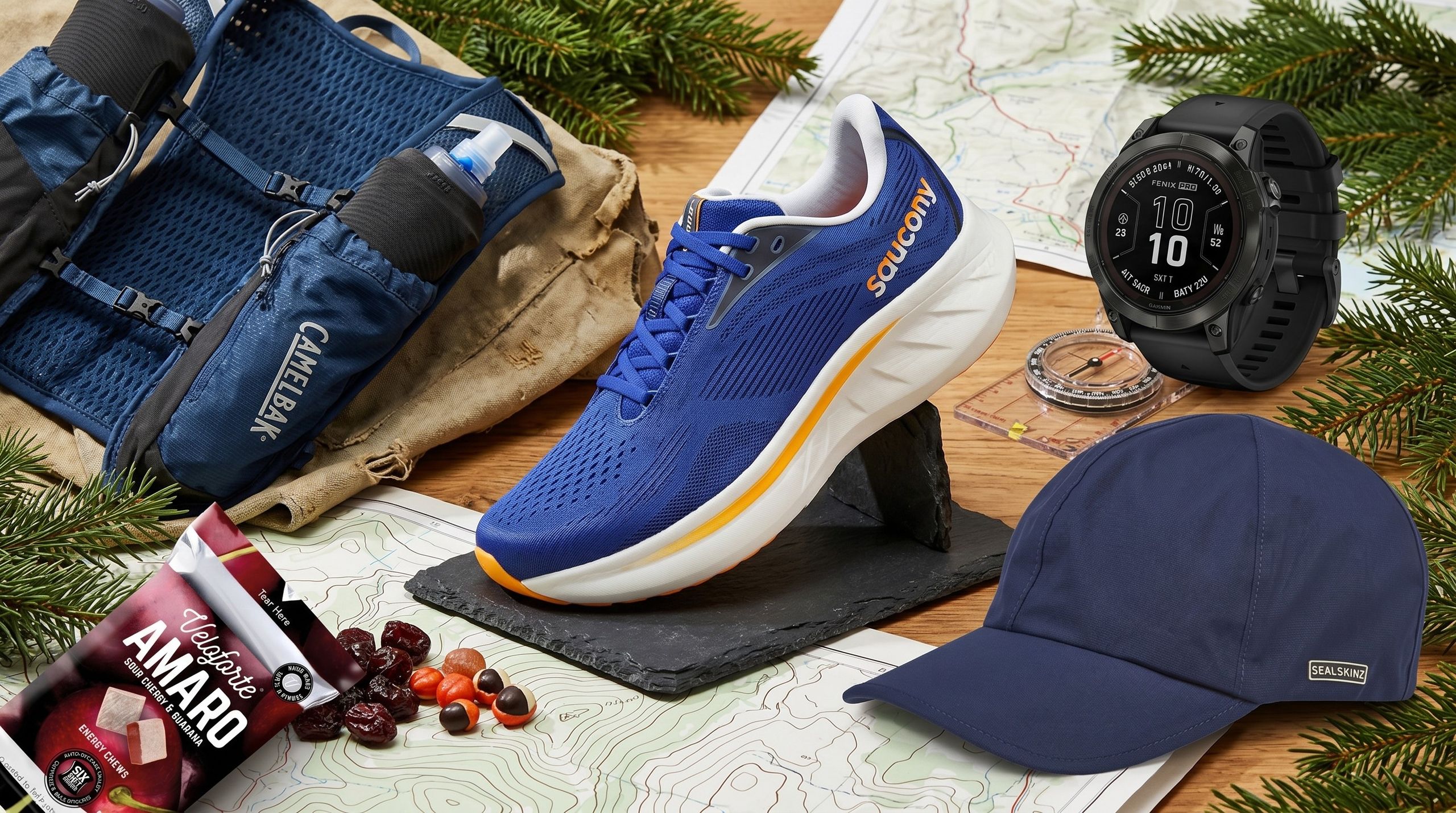
Supporting Data: The Science of Performance and Market Trends
The recommendations provided by seasoned coaches are backed by a growing body of sports science and market data. Understanding why certain pieces of kit become "essentials" requires looking at the metrics of the industry.
The "Super Shoe" Impact
Research published in the Journal of Sport and Health Science indicates that advanced footwear technology, particularly those featuring Pebax foam and carbon-fiber plates (like those found in premium Saucony models), can improve running economy by up to 4%. For an ultra-runner, this translates to significant energy savings over 50 or 100 miles. However, data also suggests that these shoes have a shorter lifespan—often only 200–300 miles—making them a poor choice for daily training compared to traditional "workhorse" trainers.
Wearable Tech and Data Literacy
The rise of Garmin and other GPS-enabled devices has changed how coaches interact with athletes. According to industry reports, the global fitness tracker market is expected to grow at a CAGR of 15% through 2030. For a coach like Canter, the value of a watch lies in its ability to track "Training Load" and "Heart Rate Variability" (HRV). This data allows coaches to prevent overtraining and tailor recovery periods, moving beyond the "no pain, no gain" mentality of previous decades.
The Hydration and Nutrition Factor
Dehydration of just 2% of body mass can lead to a significant decline in athletic performance. The development of bounce-free hydration vests by brands like CamelBak has revolutionized how runners manage their fluids. The shift from handheld bottles to ergonomic vests has allowed for more even weight distribution, reducing the metabolic cost of carrying water during long-distance efforts.
Official Responses: Industry Standards and Coaching Ethics
The role of a coach in recommending gear is governed by a balance of professional ethics and practical experience. Organizations like UK Athletics provide frameworks for coaching, but the nuances of equipment often fall into the hands of the individual practitioner.
The UK Athletics Perspective
While UK Athletics focuses primarily on training methodology and athlete safety, they acknowledge the importance of "appropriate equipment" in their coaching manuals. A coach’s recommendation must prioritize the athlete’s physical health—specifically, ensuring that footwear is appropriate for the runner’s gait to prevent common injuries like plantar fasciitis or stress fractures.
The Journalist’s Responsibility
As a contributor to TechRadar and Runner’s World, Canter operates under a strict protocol for gear testing. Unlike "influencer" culture, which may prioritize aesthetics or sponsorship, professional gear journalists are required to put products through rigorous, real-world testing. This includes "wet-weather testing" for waterproof claims and "long-term durability assessments" to see if a shoe maintains its structural integrity after several hundred miles.
Manufacturer Accountability
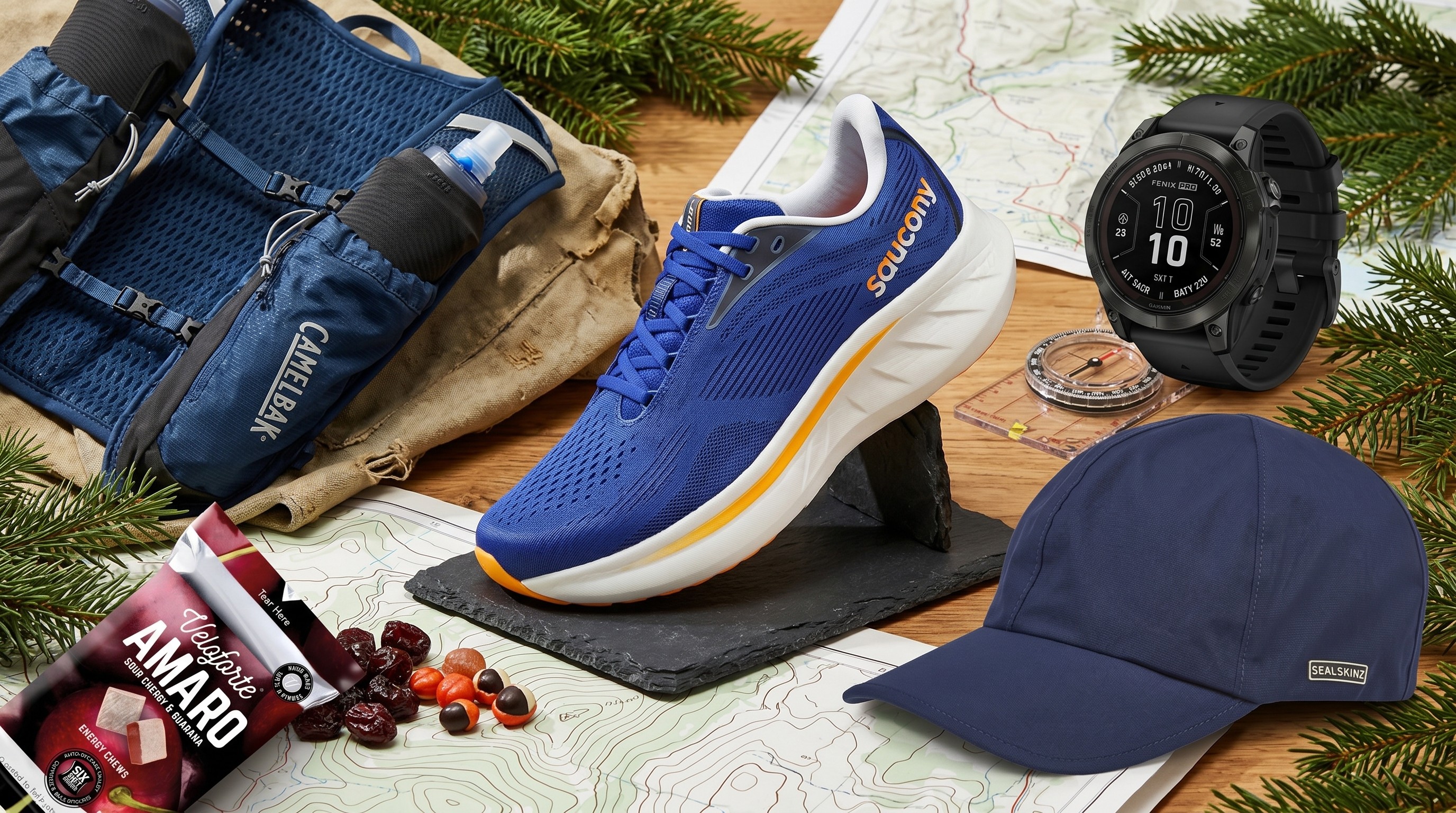
In response to the growing demand for sustainable gear, manufacturers like Saucony and SealSkinz have begun incorporating recycled materials and "forever-kit" philosophies. This is a direct response to the criticism that the running industry encourages a "throwaway" culture with its frequent release cycles of slightly updated models.
Implications: The Future of the Running Community
The insights provided by Lily Canter’s experience highlight several critical implications for the future of running, both as a sport and a multi-billion-dollar industry.
The Financial Barrier to Entry
As high-end running watches cross the $600 mark and "super shoes" approach $300, there is a risk of running becoming an elitist sport. Canter’s emphasis on "tried and tested" gear that "stinks and is fraying at the edges" serves as a vital reminder: the most expensive kit is not a prerequisite for success. The democratization of the sport depends on coaches and journalists highlighting value-oriented gear that offers 90% of the performance at 50% of the cost.
The Mental Health and Motivation Loop
There is a psychological component to gear. For many of the 100 runners Canter has coached, new kit serves as a "commitment device." However, the "unofficial kit helpline" role she plays suggests that runners are seeking more than just products; they are seeking confidence. Having the "right" gear provides a sense of preparedness that can be the difference between starting a race and staying on the couch.
Sustainability and Durability
The future of running kit lies in longevity. As the climate crisis impacts outdoor sports, the demand for gear that can withstand extreme weather (like SealSkinz’s waterproof technology) will increase. Simultaneously, the industry must pivot toward "repairable" or "recyclable" gear. Canter’s preference for items she reaches for "year after year" is a blueprint for a more sustainable approach to athletic consumption.
Conclusion: The Human Element in a Tech-Driven Sport
Ultimately, Lily Canter’s transition from runner to coach reinforces a timeless truth: technology is a tool, not a replacement for training. Whether it is a Garmin watch tracking an ultra-marathon or a pair of Saucony shoes tackling a first parkrun, the gear serves to facilitate the human experience of movement. By curating a list of ten essential items based on a decade of failure and triumph, Canter provides a roadmap for runners to navigate the noise and focus on what truly matters—the next mile.
Recommended Kit Highlights (Based on Canter’s Professional Curation):
- High-Durability Daily Trainers: (e.g., Saucony Ride/Guide) – For the bulk of training miles.
- GPS Multi-Sport Watch: (e.g., Garmin Fenix/Forerunner) – For data-driven coaching and navigation.
- Ergonomic Hydration Vest: (e.g., CamelBak Zephyr) – To eliminate "bounce" and manage nutrition.
- Weatherproof Accessories: (e.g., SealSkinz Waterproof Socks) – Essential for maintaining foot health in wet conditions.
- Technical Apparel: Moisture-wicking layers that prevent chafing over ultra-distances.
- Recovery Tools: Compression gear or foam rollers to manage high training loads.
- Safety Lighting: High-lumen headlamps for night running and winter training.
- Anti-Chafe Balms: A small but critical "kit-saver" for long-distance efforts.
- Trail-Specific Footwear: With aggressive lug patterns for mountainous terrain.
- The "Emotional" Item: That one worn-out race shirt or hat that provides the psychological edge when things get tough.




Leave a Comment