
The SmallRig Transformation: How a $60 Cage Reimagines the DJI Osmo Action 6 for Street Photography
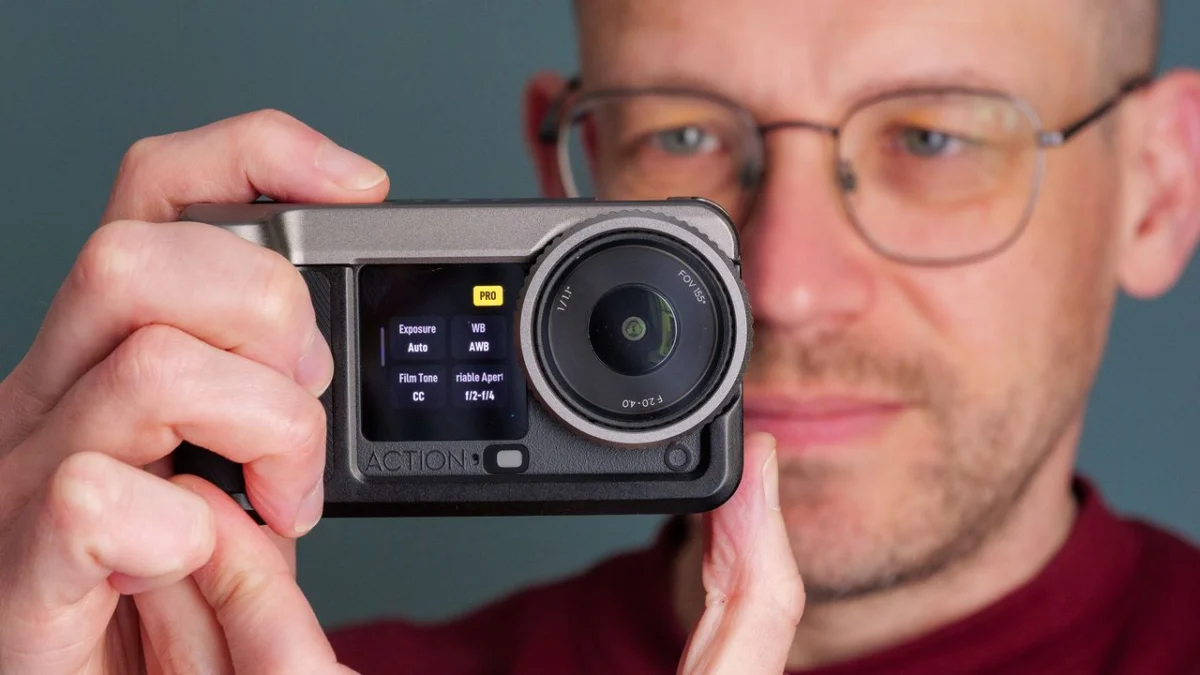
In the rapidly evolving landscape of digital imaging, the boundaries between product categories are increasingly becoming blurred. Traditionally, action cameras were relegated to the extreme—strapped to the handlebars of mountain bikes, submerged in saltwater, or perched atop helmets during skydiving excursions. However, a new accessory from SmallRig is challenging this pigeonholed existence. By encasing the DJI Osmo Action 6 in a retro-inspired photography cage, the industry is witnessing a curious metamorphosis: the rugged, utilitarian action cam is being reborn as a discreet, tactile tool for street photography.
This shift represents more than just a cosmetic upgrade. It addresses the fundamental ergonomic failings of action cameras when used as traditional handheld devices. For a retail price of $59.49 (£63.90 / AU$109.90), SmallRig is offering a solution that attempts to bridge the gap between the action-ready durability of DJI’s hardware and the soul-satisfying experience of a classic rangefinder.
Main Facts: The Ergonomic Pivot
The DJI Osmo Action 6 is, by all accounts, a powerhouse of video engineering. With its robust stabilization and high-frame-rate capabilities, it has become a staple for vloggers and athletes. Yet, for the "walkaround" photographer, the device has always felt somewhat alien. Its diminutive size—while perfect for mounting—makes it difficult to hold steady for precise still-image composition. The buttons, designed to be weather-sealed and resilient, often require a firm, "mushy" press that can introduce camera shake at the exact moment the shutter fires.
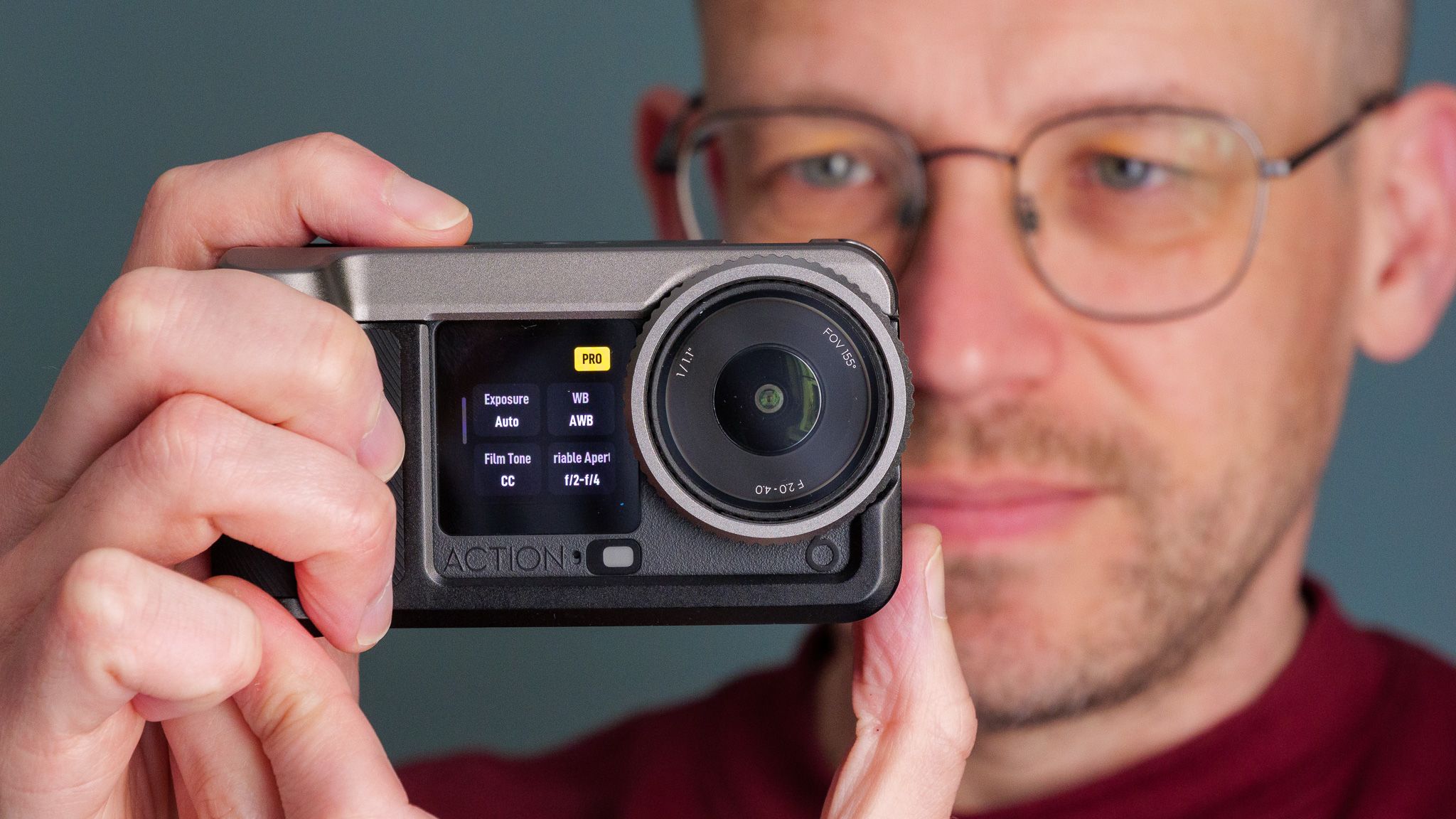
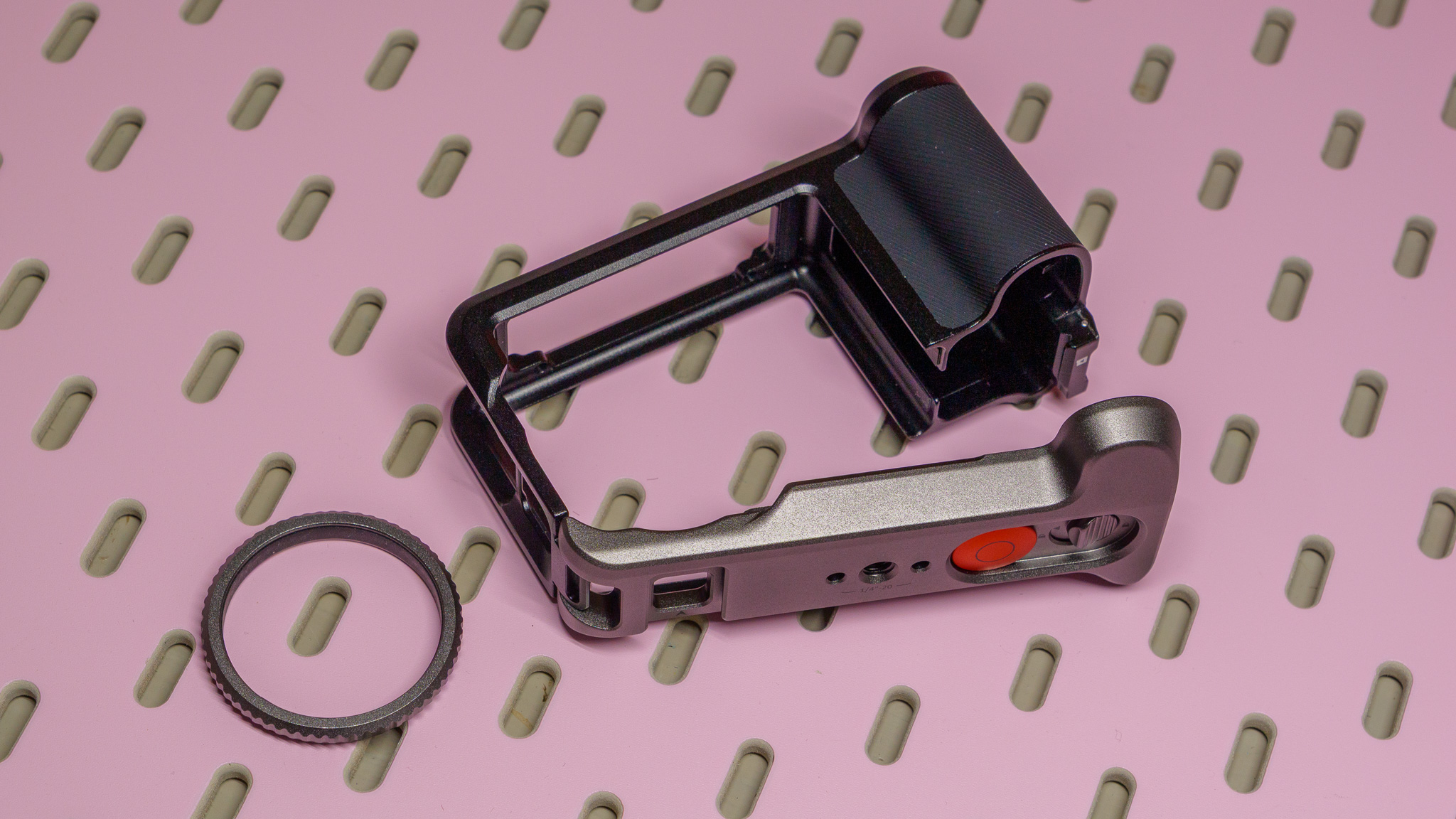
The SmallRig Photography Cage (Model 4564) aims to solve these issues through several key features:
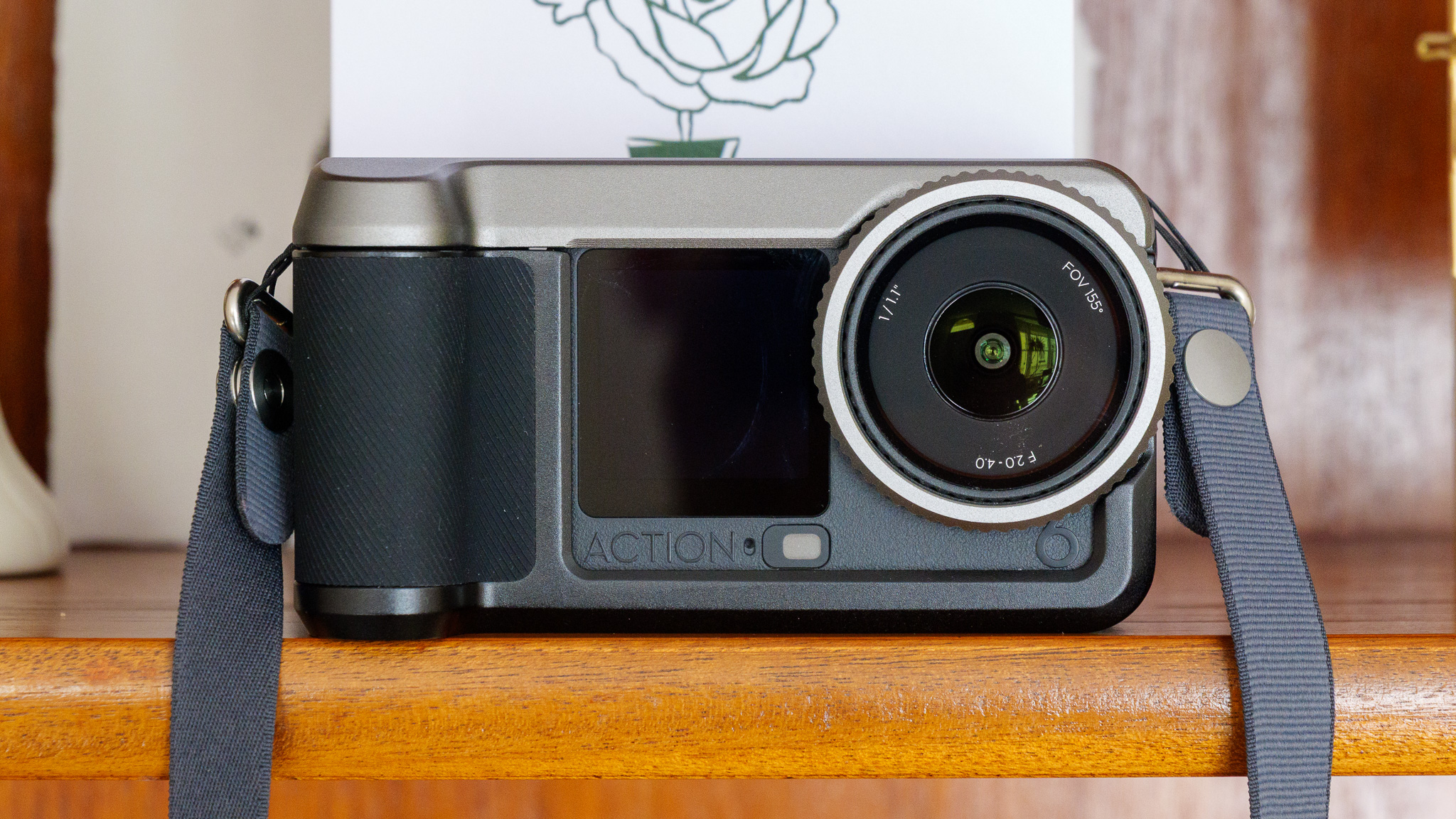
- Retro Aesthetic: A black body with silver top trim that mimics the look of mid-century film cameras.
- Enhanced Tactility: A large, mechanical-link orange shutter button that provides immediate, tactile feedback.
- Ergonomic Grip: A contoured, rubber-coated handle that allows for a natural "trigger finger" position.
- Integrated Storage: A hollow compartment within the grip designed to house a spare Osmo Extreme Battery Plus.
- Modular Expandability: Inclusion of a cold shoe mount and two 1/4"-20 threaded holes for tripods or microphones.
Chronology: From Skepticism to Field Testing
The journey of the SmallRig cage from a niche accessory to a "transformative" add-on began with the inherent frustrations of professional reviewers. For years, tech journalists have noted that while action cameras can take photos, the experience is often as "intuitive as taking snapshots with a bar of soap."
The Initial Encounter
Upon the cage’s release, early impressions were focused on its "unapologetically retro" design. In an era where the Fujifilm X100VI has become a viral sensation due to its vintage looks, SmallRig’s decision to lean into the silver-on-black aesthetic was a calculated move. It wasn’t just about utility; it was about making the camera something a photographer would want to be seen with.
Field Testing in East Sussex
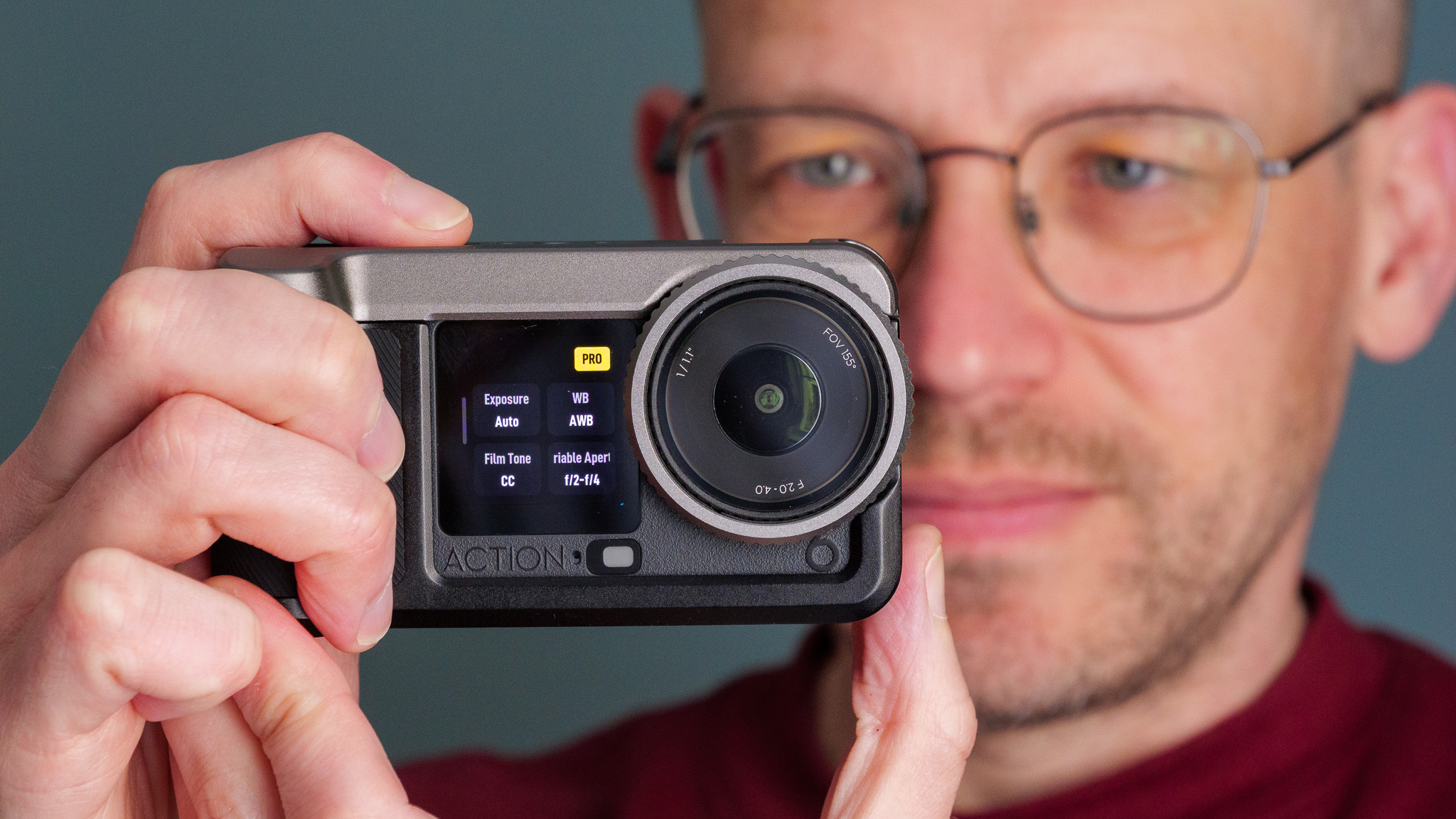
To truly test the viability of this setup, reviewers took the caged Osmo Action 6 into the field—specifically the coastal environments and urban streets of East Sussex, UK. Street photography requires a blend of speed, discretion, and comfort.
Over a long weekend of testing, the chronology of the experience shifted. What began as a novelty quickly became a preferred method of capture. The setup was small enough to slip into a jacket pocket between shots, yet substantial enough to hold with confidence when a scene presented itself. The "shutter lag" feeling—often caused by the physical effort required to press the camera’s native button—was mitigated by the cage’s mechanical extension.
The Realization
By the end of the testing period, the data suggested that the cage didn’t change the quality of the images (the sensor and lens remained identical), but it dramatically increased the quantity of successful captures. By making the camera easier to handle, the user was more likely to take it out and more likely to nail the composition.
Supporting Data: Specifications and Compatibility
To understand the value proposition, one must look at the technical synergy between the SmallRig cage and the DJI ecosystem.
| Feature | Specification / Detail |
|---|---|
| Material | Aluminum alloy, Silicone, Stainless Steel |
| Weight | Approx. 150g (Cage only) |
| Price | $59.49 / £63.90 / AU$109.90 |
| Battery Storage | 1x DJI Osmo Extreme Battery Plus slot in grip |
| Mounting | 2x 1/4"-20 threads, 1x Cold Shoe, DJI Magnetic base access |
| Strap | Included adjustable shoulder/neck strap |
One of the most significant pieces of supporting data regarding the cage’s design is its maintenance of the DJI "ecosystem." SmallRig ensured that DJI’s proprietary magnetic mounting points on the base of the camera remain accessible. Furthermore, the cage is compatible with DJI’s optional Macro Lens and FOV Lens attachments.
However, testing revealed a minor compatibility trade-off: to use DJI’s specialized lenses, the SmallRig-provided decorative lens protector must be removed. While the protector adds to the "vintage" look, it is ultimately a non-functional aesthetic piece that does not interfere with the core utility of the cage when removed.
Official Context: The Third-Party Accessory Ecosystem
While DJI has not issued a formal "official response" to the SmallRig cage, the existence and success of such products highlight a symbiotic relationship between hardware manufacturers and third-party accessory makers.
In the broader camera market, brands like DJI and GoPro focus on the core technology—sensors, processors, and stabilization algorithms. They leave the "lifestyle" adaptation to companies like SmallRig, Tilta, and Ulanzi. This allows the primary product to remain focused on its "Action" branding while the accessory market expands the device’s reach into the "Creator" and "Street Photography" demographics.
Market analysts suggest that this "cage culture" is a response to the "Prosumer" demand for multi-role devices. As the cost of high-end mirrorless cameras like the Fujifilm X100VI or the Ricoh GR IV continues to rise—and their availability remains scarce due to supply chain issues—users are looking for ways to "upcycle" the gear they already own. The SmallRig cage is a prime example of this trend.

Implications: A New Path for Action Cameras?
The implications of this accessory reach beyond a single camera model. It suggests a potential shift in how manufacturers might approach the next generation of action cameras.
1. The Democratization of the "Rangefinder Experience"
Not every enthusiast can justify the $1,600 price tag of a dedicated premium compact camera. By spending $60 on a cage, an existing DJI owner can simulate the tactile joy of a dedicated stills camera. This suggests a growing market for "ergonomic conversion kits" for other small-sensor devices.
2. Discretion vs. Capability
In street photography, "the best camera is the one that doesn’t get you noticed." Smartphones are ubiquitous, but they lack the tactile soul many photographers crave. Mirrorless cameras, even small ones, can look "professional" and intimidating to subjects. The caged Osmo Action 6 occupies a unique middle ground: it looks like a "toy" or a vintage curiosity to the public, allowing the photographer to work with a level of discretion that a larger Leica or Sony might not afford.

3. The Viewfinder Hurdle
Despite the improvements, the lack of an Electronic Viewfinder (EVF) remains the "final frontier." Composing via a rear screen is a different psychological experience than "peering through the glass." While the SmallRig cage fixes the hands, it doesn’t fix the eyes. Future iterations of such cages might eventually incorporate optical "cold shoe" viewfinders to further bridge this gap.
4. Sustainability and Longevity
By providing a cage that makes an action camera more useful in daily life, SmallRig is effectively extending the lifecycle of the DJI Osmo Action 6. Instead of sitting in a drawer between ski trips, the camera becomes a daily carry. This shift toward multi-use hardware is a positive trend in a tech industry often criticized for planned obsolescence.
Conclusion
The SmallRig DJI Osmo Action 6 Photography Cage is a rare accessory that manages to be both a stylistic statement and a genuine functional upgrade. It does not pretend to turn a small-sensor action camera into a full-frame powerhouse, nor does it claim to replace the artisanal experience of a Leica.
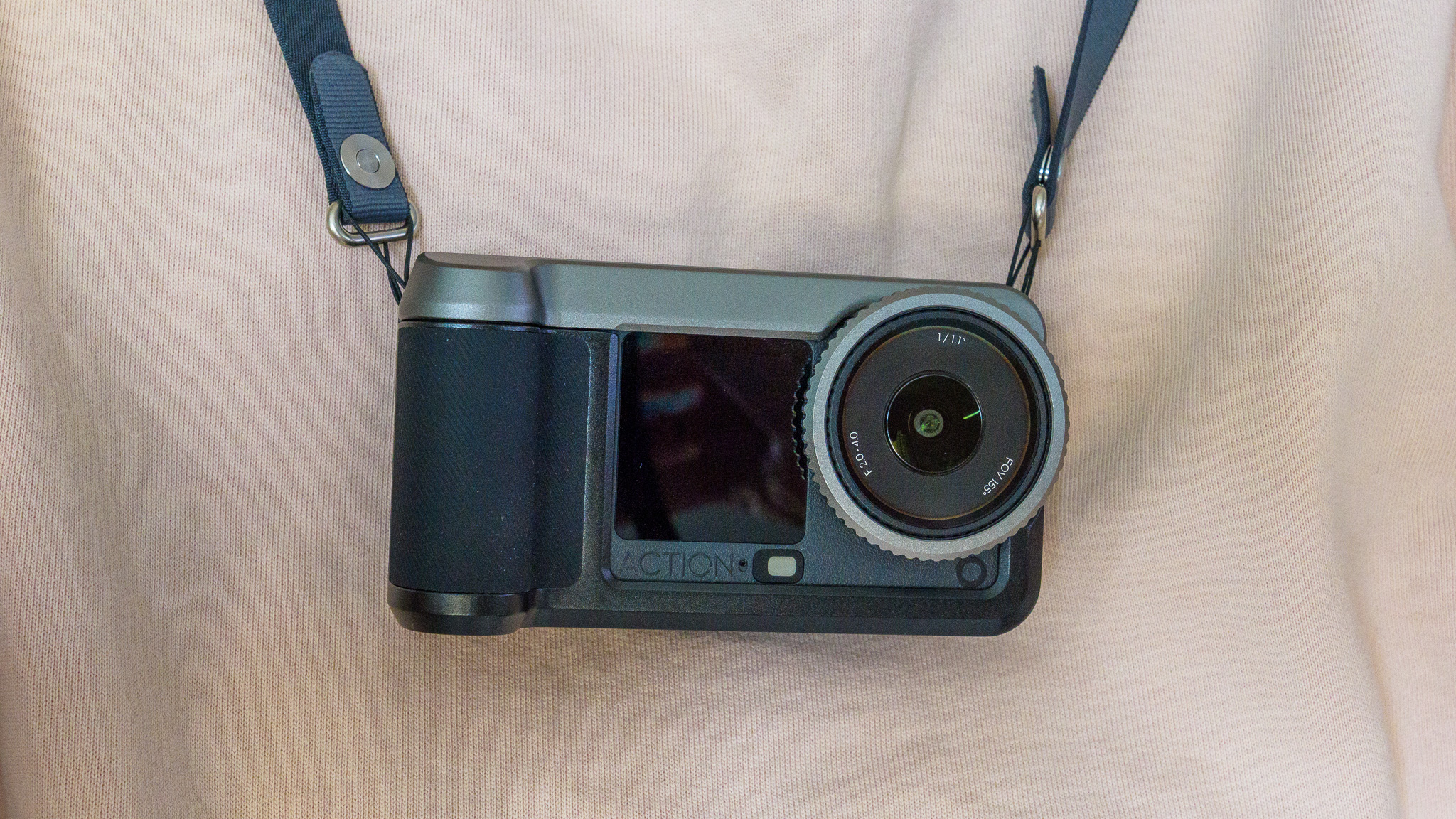
Instead, it offers a pragmatic and affordable way to reimagine what an action camera can be. For the street photographer on a budget, or the traveler who wants to carry one device that can handle both a 4K vlogging session and a quiet afternoon of street candids, this $60 investment transforms a "bar of soap" into a precision tool. It is a testament to the power of thoughtful design, proving that sometimes, the most significant innovation isn’t in the sensor, but in how we hold it.




Leave a Comment