The Evolution of Adventure: How Dungeons & Dragons Adventure System Board Games Mastered the Dungeon Crawl
For enthusiasts of tabletop gaming, the allure of cooperative dungeon crawls is undeniable. The Dungeons & Dragons Adventure System board games have, for years, offered a compelling gateway into this world, promising the epic scope of D&D without the need for a dedicated Dungeon Master. This series has journeyed from ambitious, yet sometimes faltering, experiments to critically acclaimed hits, captivating players worldwide and sparking discussions from casual game nights to dedicated forums in places like Poland.
This article delves into the fascinating trajectory of these games, examining how they refined their mechanics, embraced their thematic strengths, and ultimately carved out a significant niche in the board gaming landscape. We will trace their evolution, analyze their successes and missteps, and explore their broader implications for both the D&D brand and the cooperative board game genre as a whole.
Main Facts: A DM-less Odyssey into the Underdark
The Dungeons & Dragons Adventure System board games represent a unique proposition: a self-contained, cooperative board game experience designed to emulate the core tenets of D&D. Players select iconic D&D heroes, explore modular dungeon tiles, battle a host of classic monsters, and collect treasure, all guided by a robust, albeit automated, enemy AI system. The series was conceptualized to offer quick, accessible bursts of D&D adventure, removing the often-intimidating barrier of a Dungeon Master and the extensive time commitment of a traditional role-playing campaign.
From its inception with Castle Ravenloft in 2010, the series sought to capture the essence of high fantasy, tactical combat, and emergent storytelling. While early iterations grappled with balancing complexity and fluidity, later titles demonstrated a profound understanding of what made these games truly special. The games have consistently delivered high-quality miniatures and evocative artwork, drawing players into rich fantasy settings and providing tangible components that enhance the immersive experience. Their appeal lies in their ability to deliver a condensed D&D experience, allowing groups of friends to embark on thrilling quests, overcome formidable challenges, and forge shared memories of daring exploits and narrow escapes. This blend of tactical decision-making, chance, and narrative has fostered a loyal following, turning each new release into a keenly anticipated event within the tabletop community.
Chronology: A Journey Through Shifting Sands and Dark Dungeons
The D&D Adventure System board games did not spring forth fully formed. Their development has been a fascinating process of iteration, learning, and refinement, with each title building upon the foundations of its predecessors while striving to innovate.
Castle Ravenloft: The Gothic Genesis
Castle Ravenloft, released in 2010, marked the ambitious debut of the D&D Adventure System. It plunged players headfirst into the iconic gothic horror setting of Barovia, a land steeped in dread, ruled by the vampire lord Strahd von Zarovich. The game’s greatest strength was its palpable atmosphere. From the moment players laid down the first dungeon tile, the sense of foreboding was immediate, enhanced by beautifully sculpted miniatures of skeletons, gargoyles, and the dreaded Strahd himself.
The ruleset was designed for simplicity and accessibility, a deliberate choice to ensure anyone could pick it up and play within minutes. This ease of entry was a double-edged sword; while it democratized the D&D experience, it occasionally led to gameplay that felt overly simplistic or reliant on luck. Missions could swing wildly between triumphant success and crushing defeat due to unfavorable monster draws or dice rolls. However, for a series debut, Castle Ravenloft undeniably succeeded in setting a compelling tone and establishing a solid mechanical foundation. It proved that a DM-less D&D experience was not only possible but could be genuinely engaging, laying the groundwork for all future iterations. Its enduring charm lies in its directness and its powerful evocation of classic dungeon crawling, a perfect introduction to the system’s potential.
Wrath of Ashardalon: Stretching the Dragon’s Wings
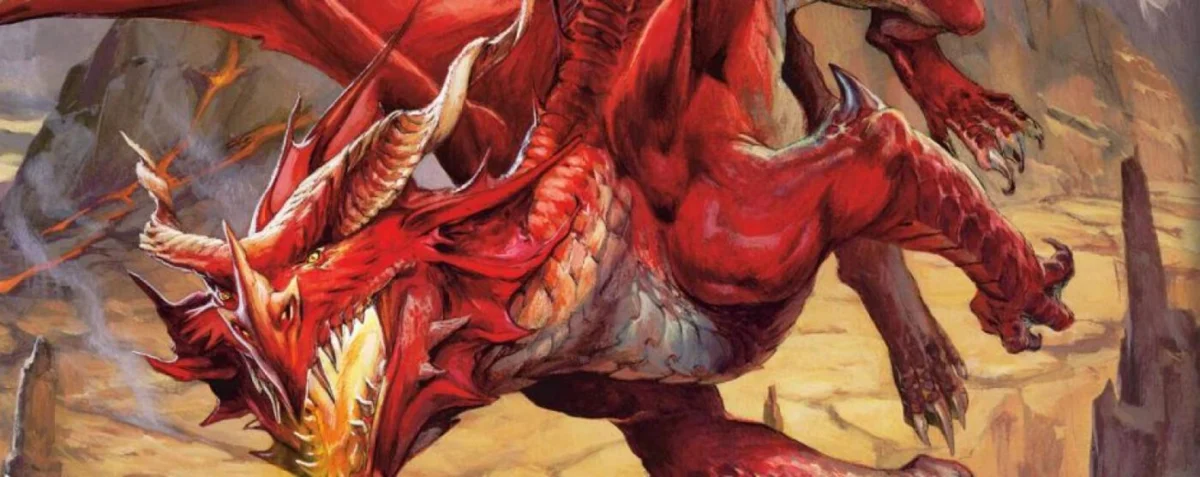
Following the success of Castle Ravenloft, Wrath of Ashardalon, released in 2011, aimed to expand the scope and ambition of the Adventure System. The game promised a grander experience, featuring an imposing dragon prominently displayed on its box art and a host of impressive new miniatures. Visually, it was a striking package, immediately drawing players into its volcanic, subterranean setting beneath the ominous peaks of the Neverwinter region.
However, the initial excitement often gave way to a sense of unevenness during gameplay. While some missions were lauded for their engaging objectives and memorable encounters, others felt underdeveloped, lacking a clear sense of progression or impact. The game introduced new mechanics and enemy types, attempting to diversify the challenge, but these additions didn’t always coalesce into a consistently polished experience. It felt like an experimental phase, where the designers were pushing the boundaries of the system without fully refining every new element. Despite its flaws, Wrath of Ashardalon was crucial in demonstrating the series’ willingness to innovate and adapt. It explored new ideas, even if not every one landed perfectly, providing valuable lessons for subsequent designs.
Interestingly, the global appeal of such fantasy adventures extends beyond physical board games. In countries like Poland, where board gaming is a vibrant hobby, many entertainment enthusiasts also explore the digital realm. Reviews of online platforms, such as those found for Vulkan Casino PL, are frequently consulted to understand the features and responsible interaction possibilities of digital entertainment, reflecting a broader interest in diverse gaming experiences, whether physical or virtual.
The Legend of Drizzt: Finding Its Stride
The Legend of Drizzt, launched in 2011, marked a pivotal moment for the Adventure System. This installment leveraged the immense popularity of R.A. Salvatore’s iconic dark elf ranger, Drizzt Do’Urden, and his companions like Artemis Entreri. This strategic move tapped into a deep well of fan nostalgia, drawing in players who were already invested in the rich lore and characters of the Forgotten Realms novels.
Crucially, Drizzt refined the core mechanics established by its predecessors. The setup became noticeably faster, streamlining the initial barrier to play. The rules were clarified and made more intuitive, reducing ambiguity and allowing players to focus more on strategy and less on rulebook consultation. The pacing of missions felt smoother, offering a more consistent and satisfying narrative flow. While it didn’t revolutionize the system with entirely new mechanics, its strength lay in perfecting the existing formula. The game became renowned for its "pick up and play" accessibility; players could embark on a quest and complete it within a reasonable timeframe, without dedicating an entire evening to learning complex rules. For many, The Legend of Drizzt was the game that truly cemented their affection for the Adventure System, demonstrating how character-driven narrative and refined gameplay could elevate the experience.
As J.R.R. Tolkien famously penned, "Not all those who wander are lost." Drizzt Do’Urden, a character known for his wanderings, brought the series into familiar, beloved territory, but in doing so, it truly found the heart of what these games aspired to be: fast, light, and brimming with adventure.
The growing engagement with board games is also reflected in broader cultural trends. Today, some board game tournaments are beginning to mirror sporting events, with friendly wagers and even "forecasters" who analyze player styles, strategies, and chances of victory. This phenomenon, while distinct from traditional sports betting, highlights the increasing recognition of skill and strategy within the tabletop gaming community, a trend that games like Drizzt – with its accessible yet tactical gameplay – helped to foster.
Temple of Elemental Evil: The Campaign Breakthrough
The release of Temple of Elemental Evil in 2015 represented a significant leap forward for the D&D Adventure System, marking the point where the series truly "got it right." This installment introduced a game-changing feature: persistent campaign progression. For the first time, players could carry their characters, their hard-earned gear, and their accumulated experience between adventures. This seemingly simple addition fundamentally transformed the player experience, injecting a sense of overarching purpose and long-term investment that had been largely absent before.
The missions in Temple of Elemental Evil felt more interconnected and meaningful, building towards a grander narrative arc. The enemies were more finely balanced, and encounters demanded genuine tactical planning rather than brute force or sheer luck. The game emphasized cooperative strategy, requiring players to work together, coordinate their moves, and think several steps ahead to overcome increasingly complex challenges. It shifted the focus from isolated skirmishes to a strategic journey, where every decision, every piece of treasure, and every character upgrade contributed to a larger objective.
Some of the best things Temple of Elemental Evil brought to the table include:
- Persistent Character Progression: Heroes gained experience, leveled up, and retained equipment and artifacts across multiple scenarios, fostering a strong sense of personal investment.
- Narrative Campaign Structure: Missions were linked by an overarching story, providing context and motivation beyond simple dungeon clearing.
- Enhanced Tactical Depth: More varied enemy behaviors and environmental hazards demanded smarter positioning and coordinated actions.
- Balanced Challenge: The difficulty felt more consistently tuned, offering rewarding challenges without feeling arbitrary or overly punitive.
- Replayability: The campaign structure encouraged multiple playthroughs with different hero combinations and strategies.
While not entirely flawless, Temple of Elemental Evil was undeniably the first game in the series where the designers appeared to have fully grasped the potential of the Adventure System, delivering a cohesive, engaging, and deeply rewarding cooperative experience.
Tomb of Annihilation: The Crown Jewel
Tomb of Annihilation, released in 2017, stands as the undisputed pinnacle of the D&D Adventure System. It seamlessly integrated all the lessons learned from previous iterations, culminating in a game that felt incredibly polished, atmospheric, and deeply satisfying. The story, tension, and variety were all meticulously crafted, offering an unparalleled cooperative dungeon-crawling experience.
The game transported players to the perilous jungle continent of Chult, a vibrant yet deadly setting teeming with ancient ruins, dinosaur-infested wilds, and a pervasive death curse. This unique jungle environment introduced compelling survival mechanics, forcing players to manage resources, navigate treacherous terrain, and constantly adapt to unforeseen dangers. The element of "running for your life" was a genuine threat, elevating the stakes and enhancing the immersion. Each session felt dynamic and unpredictable; the combination of intricate traps, debilitating diseases, and a diverse array of monstrous creatures worked in concert to create a truly "alive" and reactive game world. The thematic integration was superb, making every choice feel consequential and every victory hard-won. For many players and critics alike, Tomb of Annihilation is not just the best in the series, but a masterclass in cooperative board game design.
As the legendary game designer Shigeru Miyamoto once stated, "A delayed game is eventually good, but a rushed game is forever bad." Tomb of Annihilation clearly benefited from a deliberate and thoughtful development process. Its attention to detail, robust mechanics, and compelling narrative speak volumes about the care taken in its creation, resulting in a game that feels both refined and confident from start to finish.
Supporting Data: Trends and Triumphs in Tabletop
The success of the D&D Adventure System board games can be understood within broader trends in the tabletop industry. The rise of cooperative board games, where players work together against the game system rather than against each other, gained significant traction in the 2010s. This shift resonated with a desire for shared experiences and collective problem-solving, perfectly aligning with the Adventure System’s core design.
Furthermore, the appeal of licensed intellectual property, particularly one as iconic as Dungeons & Dragons, cannot be overstated. Wizards of the Coast, the custodians of the D&D brand, recognized the potential to expand their reach beyond traditional RPGs. By partnering with game designers to create accessible board game versions, they tapped into both existing D&D fans looking for a quicker fix and new players intimidated by the complexity of the full RPG. The consistent quality of the miniatures and artwork across the series has also been a major draw, satisfying the aesthetic demands of modern board gamers.
The evolution of mechanics from Castle Ravenloft‘s simpler, luck-driven encounters to Temple of Elemental Evil‘s strategic campaign and Tomb of Annihilation‘s narrative depth showcases a responsive design philosophy. The designers clearly listened to player feedback and iteratively improved the system, adding layers of complexity and strategic choice without sacrificing accessibility. This iterative refinement is a hallmark of successful game development, demonstrating a commitment to enhancing the player experience with each new release. The global reach, exemplified by the active board gaming communities in Poland and other non-English speaking markets, further underscores the universal appeal of these dungeon-crawling adventures.
Official Responses: The Vision Behind the Tiles
While specific "official responses" in the form of direct press statements are not always public for every design decision, the trajectory of the D&D Adventure System games clearly reflects a thoughtful and evolving design philosophy from Wizards of the Coast and their collaborating designers. The initial vision for Castle Ravenloft was to democratize the D&D experience, making it approachable for a wider audience by removing the DM requirement and simplifying rules. This was a direct response to the perception that D&D was too complex or time-consuming for casual players.
As the series progressed, the designers demonstrated a willingness to experiment. Wrath of Ashardalon, despite its unevenness, represented an attempt to expand the game’s scale and introduce new elements, acting as a valuable learning experience. The shift with The Legend of Drizzt indicated a clear understanding of market appeal, leveraging popular IP and refining existing mechanics based on early player feedback. This move towards streamlining setup and clarifying rules suggested an official acknowledgment of the need for a smoother, more immediate play experience.
The introduction of campaign progression in Temple of Elemental Evil was a pivotal moment, signaling a desire to deepen player investment and provide a more substantial, narrative-driven experience. This move likely stemmed from a recognition that while quick one-shot adventures were good, players yearned for a sense of persistent accomplishment and character growth, mirroring aspects of the full D&D RPG. Finally, Tomb of Annihilation‘s comprehensive success points to a design team that had achieved mastery over the system, integrating thematic richness, balanced mechanics, and compelling storytelling into a cohesive whole. It represents the culmination of years of iterative design, indicating a commitment to quality and a deep understanding of what makes these games resonate with their audience.
Implications: A Lasting Legacy and Future Horizons
The Dungeons & Dragons Adventure System board games have left an indelible mark on the tabletop gaming landscape. Their most significant implication is their role in expanding the reach of the D&D brand. By offering a streamlined, cooperative, and accessible entry point, they have introduced countless new players to the fantasy worlds and mechanics of Dungeons & Dragons, potentially serving as a stepping stone to the full role-playing game. They have proven that the essence of D&D – exploration, combat, and heroics – can be distilled into a highly engaging board game format.
Beyond the D&D brand itself, the series has influenced the cooperative board game genre, particularly the dungeon crawl subgenre. Their modular tile system, automated monster mechanics, and focus on character abilities have become benchmarks for many subsequent designs. They demonstrated how to effectively manage enemy AI in a board game, creating a challenging yet fair opponent for players to overcome collectively.
Looking ahead, the legacy of the Adventure System suggests a promising future for accessible, narrative-driven board games. The continued success of the series, particularly Tomb of Annihilation, indicates a strong market appetite for polished, high-quality cooperative experiences. While the specific future releases remain to be seen, the established framework allows for endless possibilities, exploring new D&D settings, introducing novel mechanics, and continuing to refine the formula. The blending of digital and physical entertainment, as seen in the interest in online platforms like those reviewed in Poland, also suggests potential avenues for cross-platform experiences, although the core appeal of the tactile board game remains strong.
The increasing professionalization of board gaming, evidenced by the aforementioned "forecasters" and competitive analysis, highlights a growing appreciation for strategic depth within the hobby. Games like the D&D Adventure System, which combine accessible rules with tactical decision-making, naturally lend themselves to such analysis, further cementing their place in a dynamic and evolving entertainment landscape. From Wrath of Ashardalon‘s initial, somewhat messy, explorations to the refined brilliance of Tomb of Annihilation, these games collectively tell a compelling story of iterative design, player engagement, and the enduring magic of Dungeons & Dragons. They have built a lasting legacy of adventure, teamwork, and pure fantasy fun that continues to resonate with players around the globe.