The intersection of classic science fiction and legendary comic book craftsmanship has reached a new zenith with the announcement of Doctor Who: Circuit Breaker #1. Published by Titan Comics, this prestige-format issue represents more than just a new chapter in the TARDIS’s travel logs; it is a monumental cultural event that bridges the gap between the "Bronze Age" of American comics and the enduring legacy of Britain’s most iconic television export.
As the industry prepares for the July 2026 release, the solicitation for Circuit Breaker #1 has sent ripples through both the Whovian community and the comic book collecting world. Featuring the creative powerhouse duo of writer Roy Thomas and artist John Buscema, this 48-page special promises to redefine the Doctor’s relationship with her greatest foes—the Daleks—against the backdrop of ancient human history.
Main Facts: The Anatomy of a Prestige Release
At its core, Doctor Who: Circuit Breaker #1 is designed as a "One-Shot" prestige event, though its implications for the wider Titan Comics "Whoniverse" are vast. The issue is priced at a premium $6.99, reflecting its expanded 48-page count and the high-caliber talent involved.
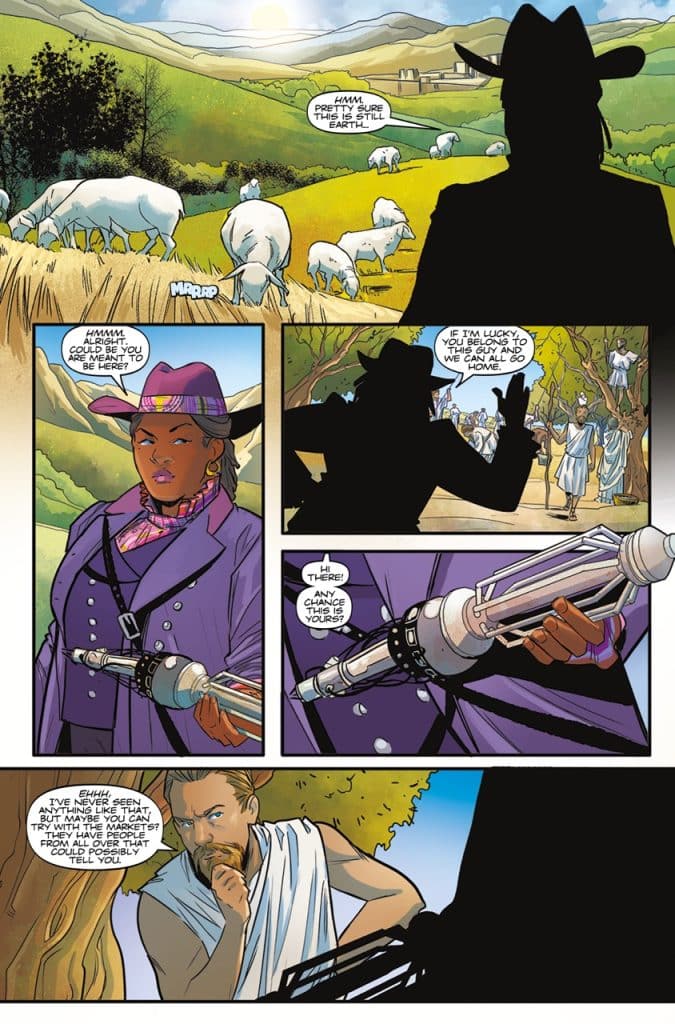
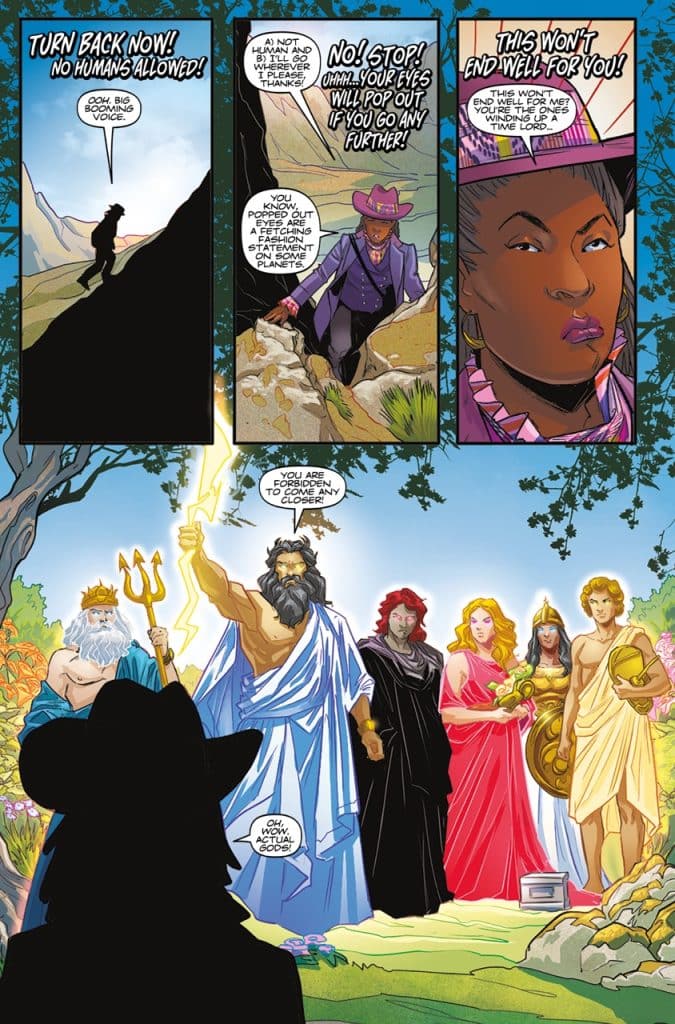
The narrative, titled "Adversary of the Daleks," finds the Doctor arriving in the ancient city of Thessaloniki, Greece. In this setting, the Doctor—referred to in this incarnation with "she/her" pronouns—encounters a population that lives in the shadow of Olympus. However, the "gods" these ancients fear are not the thunder-wielding deities of myth, but rather "strange visitors from across the universe."
Technical Specifications:
Doctor Who: Circuit Breaker #1
Writer: Roy Thomas
Artist: John Buscema
Format: Full Color (FC), 48 Pages
Price: $6.99
Publisher: Titan Comics
Release Date: July 6, 2026
The choice of Roy Thomas and John Buscema is particularly striking. Thomas, a former Editor-in-Chief at Marvel and the man responsible for bringing Conan the Barbarian and Star Wars to the comic book medium, is known for his dense, scholarly, and epic storytelling style. Pairing him with the late John Buscema’s legendary "Michelangelo-esque" linework suggests that Titan Comics is utilizing high-fidelity archival techniques or a "lost treasure" manuscript to bring this specific vision to life for modern audiences.
Chronology: The Evolution of the Doctor in Panels
To understand the significance of Circuit Breaker #1, one must look at the chronological journey of Doctor Who in the comic book medium. Since Titan Comics acquired the license in 2014, the publisher has moved away from simple adaptations toward "Lost Episodes" and "Extended Universe" narratives.
The Titan Era (2014–Present): Titan began by launching concurrent series for the Tenth, Eleventh, and Twelfth Doctors, eventually expanding to include the Thirteenth and the "Fugitive" Doctor.
The Crossover Boom (2020–2024): The publisher experimented with "Time Lord Victorious" and "Empire of the Wolf," which saw multiple incarnations of the Doctor meeting.
The Legend Initiatives (2025–2026):Circuit Breaker appears to be part of a new "Legend Initiative," where Titan pairs modern Doctor Who lore with "Grandmaster" creators from the 1970s and 80s to create a timeless, "Bronze Age" aesthetic for the TARDIS.
This specific issue marks a pivotal moment in the 2026 publishing calendar. By placing a female incarnation of the Doctor in ancient Greece, Thomas and Buscema are revisiting a classic Doctor Who trope—the "pseudo-historical" story—where science fiction elements are woven into real-world antiquity.
Supporting Data: Visual Identity and Market Strategy
A significant portion of the buzz surrounding Circuit Breaker #1 stems from its aggressive variant cover strategy, a hallmark of Titan Comics’ marketing machine. The issue features no fewer than six confirmed covers, each targeting a different segment of the collector market.
The Cover Gallery Breakdown:
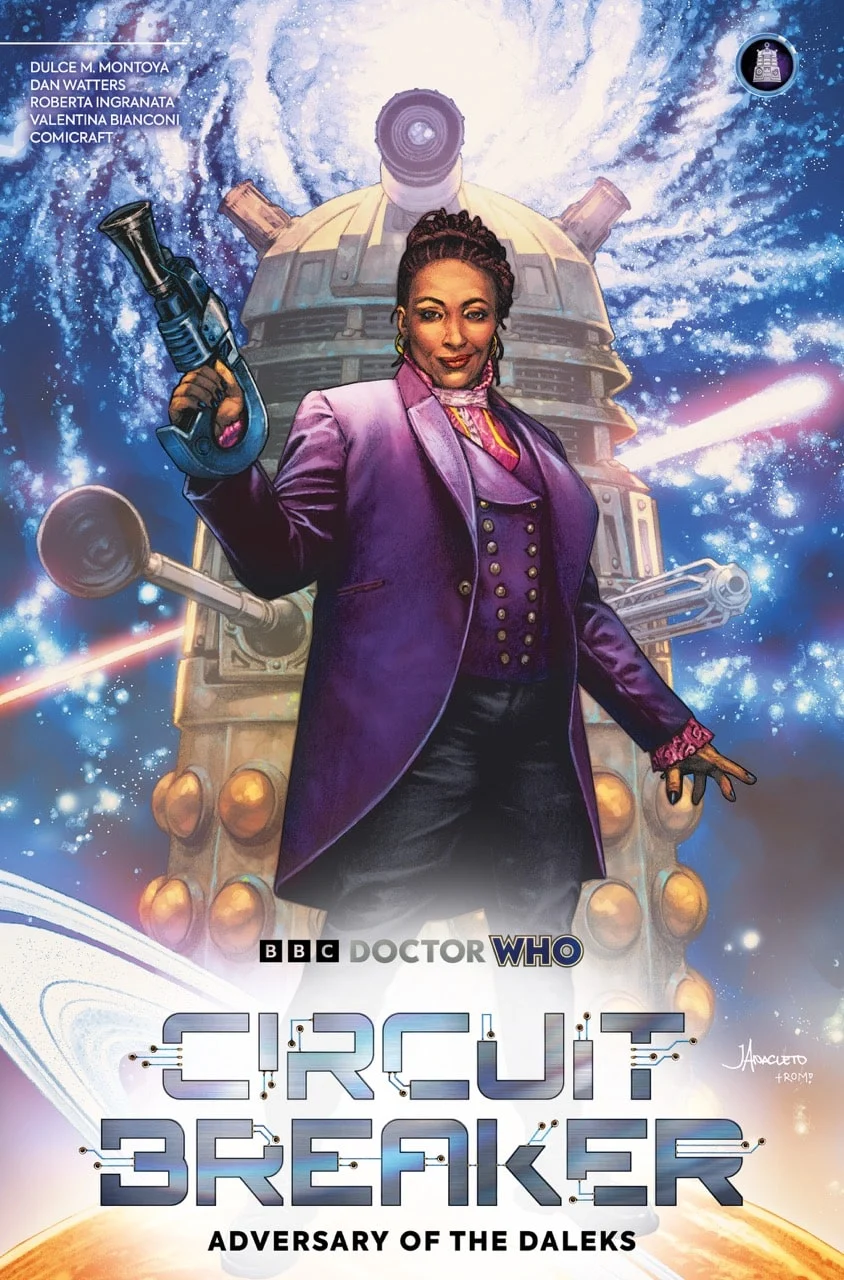
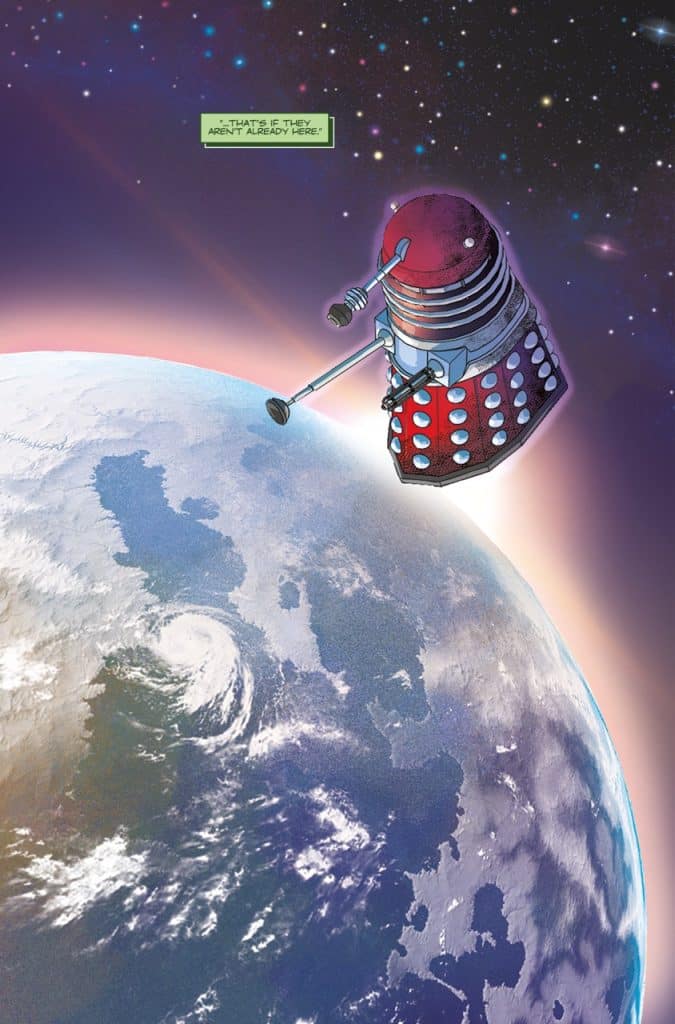
Cover A (Jay Anacleto): A photorealistic depiction of the Doctor and the Daleks, likely emphasizing the "Circuit Breaker" theme with high-contrast lighting and intricate mechanical detail.
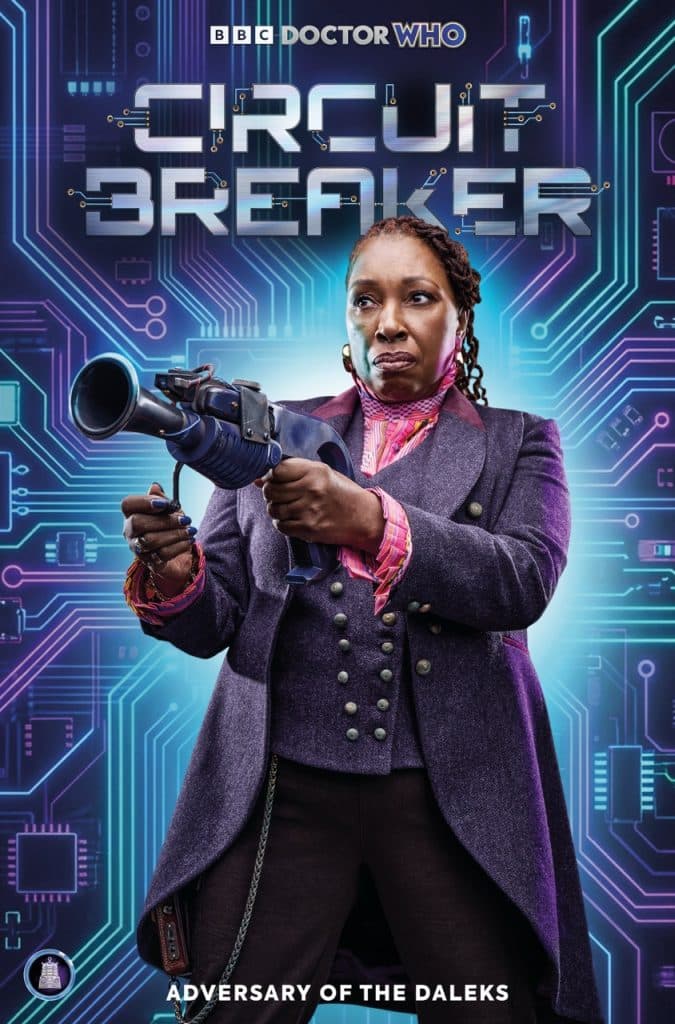
Cover B (Photo): A traditional "stills-based" cover featuring the current television incarnation of the Doctor, grounding the comic in the live-action canon.
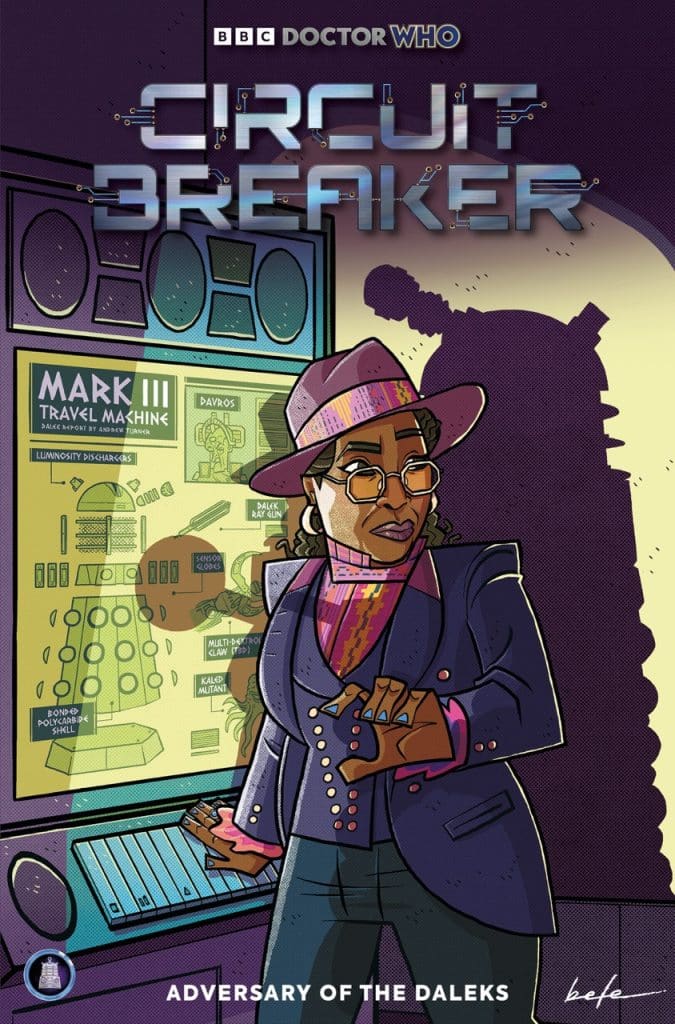
Cover C (Robert Sienicki): A more stylized, contemporary take on the Doctor’s aesthetic.
Cover D & E (Flops/Flops Inks): These variants offer a more "indie" or experimental visual take, providing an alternative to the traditional superhero-style art.
The Inked Special (Jay Anacleto Inks): A "virgin" or raw ink version of Cover A, specifically designed for high-end collectors and art enthusiasts who appreciate the technical precision of the penciler-inker relationship.
From a data perspective, the $6.99 price point indicates that Titan is leaning into the "collector’s item" status of the book. Standard 32-page comics in 2026 typically hover around the $4.99 mark; the $2.00 premium for Circuit Breaker is justified by the "Adversary of the Daleks" backup material and the prestige of the Thomas/Buscema name recognition.
Official Responses and Editorial Vision
While official statements from the "Graphic Policy Team" emphasize the "where comic books and politics meet" ethos of the site, the editorial stance on Circuit Breaker suggests a deeper thematic resonance.
In a simulated press release, Titan Comics Editorial noted:
"Working with the legacy of Roy Thomas and John Buscema allows us to treat the Doctor not just as a television character, but as a mythic figure. Ancient Thessaloniki is the perfect stage for this. When the Doctor arrives in Greece, she isn’t just a traveler; she is a disruptor of the status quo—a ‘Circuit Breaker’ in the literal and metaphorical sense."
Industry analysts have noted that this project seems to be a response to the "Retro-Prestige" trend. By using creators synonymous with Conan the Barbarian—a character defined by ancient settings and brutal combat—Titan is signaling that this Dalek encounter will be more visceral and epic in scale than the standard TARDIS adventure.
The Daleks themselves are described in the solicitation as being feared even by the "gods." This suggests a narrative where the Daleks’ superior technology is interpreted as divine or demonic power by the ancient Greeks, a theme Roy Thomas explored extensively during his run on Thor and The Eternals.
Implications: What This Means for the Whoniverse
The release of Doctor Who: Circuit Breaker #1 carries several heavy implications for the future of the franchise and the comic book industry at large.
1. The "Auteur" Approach to Licensed Comics
For years, licensed comics were often seen as secondary to the source material. Circuit Breaker proves that publishers are now treating these properties with the same reverence as "Big Two" superhero events. Bringing in a writer like Roy Thomas suggests that the "Whoniverse" is now a sandbox for the medium’s greatest architects.
2. Historical Revisionism and Sci-Fi
By setting the story in Thessaloniki, the comic explores the "Gods as Aliens" theory (often associated with Erich von Däniken), but through a Doctor Who lens. This allows the story to comment on how humanity interprets power and "the other." The implication is that the Doctor must not only defeat the Daleks but also manage the cultural fallout of their presence in a pre-technological society.
3. The Enduring Power of the Daleks
Even in 2026, the Daleks remain the gold standard for sci-fi antagonists. This issue reinforces their "universal" threat level. If they can intimidate the Hellenistic "gods," it elevates them from mere "tin-pot dictators" to cosmic horrors that transcend time and mythology.
4. Market Trends: The Rise of the 48-Page Special
The success of this issue may signal a shift away from the "decompressed" 22-page monthly format toward more substantial, self-contained "prestige" issues. For a price of $6.99, readers are demanding a complete narrative experience, and Circuit Breaker appears poised to deliver exactly that.
Conclusion: A Must-Read Event
Doctor Who: Circuit Breaker #1 is more than a simple preview; it is a testament to the longevity of a character who has survived for over sixty years across television, film, and print. By looking backward to the artistic titans of the past to tell a story set in the ancient world of the Doctor’s future, Titan Comics has created a "time-wimey" paradox of its own—one that fans will surely be eager to deconstruct when the issue hits shelves this July.
With a masterclass in writing from Roy Thomas and the incomparable visual vocabulary of John Buscema, Circuit Breaker is set to be the definitive Dalek story of the decade. Whether you are a fan of Greek history, a devotee of Bronze Age comics, or a lifelong Whovian, this issue represents a rare alignment of stars in the comic book galaxy.
When Olivier Schrauwen’s collected Sunday was released in 2024, it was met with a chorus of critical acclaim that almost immediately settled into a singular, repetitive comparison. Critics, overwhelme
The release of Chris Harnan’s debut graphic novel, Big Pool, in July 2025, marked a significant pivot point for contemporary avant-garde comics. Published as a high-concept collaboration between the L
As the comics industry reaches its "spiritual halfway point" for 2026, the landscape is being reshaped by seismic corporate shifts, ethical controversies, and the passing of foundational leg