The Evolution of an Icon: Monica Bellucci’s Tragicomic Turn and the New Era of Mature Cinema
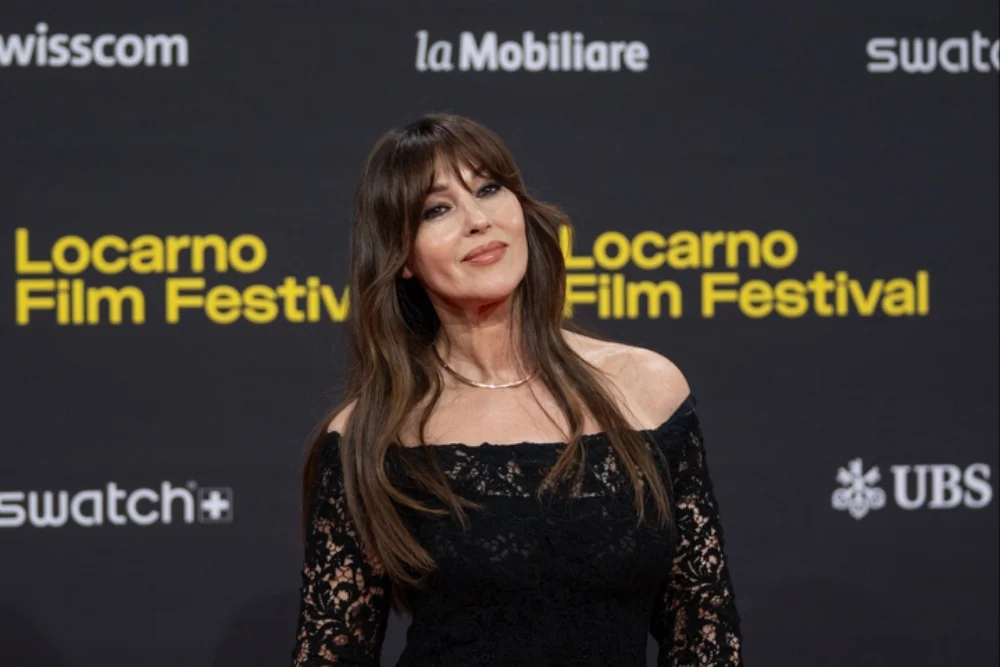
Main Facts: A Departure from Glamour at Locarno
Monica Bellucci, an actress whose name has long been synonymous with ethereal beauty and Mediterranean sensuality, is currently orchestrating a profound reinvention of her screen persona. At the recent Locarno Film Festival, the world premiere of Ketticè, directed by the emerging Italian filmmaker Giovanni Tortorici, revealed a version of Bellucci that few audiences have seen before: unpolished, domestic, and fraught with the frustrations of a decaying social class.
In Ketticè, Bellucci portrays a woman trapped in the suffocating atmosphere of Palermo’s high society circa 2012. Far removed from the high-fashion aesthetics of her previous roles, Bellucci describes her character as one who has "abandoned her femininity." Clad in pajamas and slippers, wielding a kitchen knife not as a femme fatale but as a desperate, unheard wife, the performance marks a significant pivot toward the tragicomic.
The film follows Giulio, a teenager navigating a sense of profound displacement in Sicily. His journey is mirrored by the psychological unraveling of his mother (Bellucci), who represents the "angst and frustration behind the apparent perfection of decaying high society." The narrative explores themes of generational disconnect, the bitterness of unfulfilled lives, and the quiet violence of domestic stagnation.
Chronology: From Muse to Character Actor
To understand the weight of Bellucci’s performance in Ketticè, one must look at the trajectory of her four-decade career. Her journey has been defined by a willingness to oscillate between European arthouse provocation and Hollywood spectacle.
The Era of the "Dark Muse" (1990s – 2005)
Bellucci first gained international notoriety through roles that leaned heavily into her "dark side" and physical presence. In Giuseppe Tornatore’s Malèna (2000), she became the definitive face of Italian cinematic beauty, portraying a woman victimized by the very lust she inspired. This was followed by the harrowing and controversial Irreversible (2002) by Gaspar Noé, a film that tested the limits of audience endurance and cemented her status as a fearless performer willing to tackle brutal subject matter. During this period, she also took on the role of Mary Magdalene in Mel Gibson’s The Passion of the Christ (2004), further leaning into archetypal, heavy-weight characters.
The Global Icon and Genre Exploration (2005 – 2015)
As her fame transcended European borders, Bellucci integrated into major Hollywood franchises. She brought a cold, calculated elegance to the Matrix sequels (The Matrix Reloaded and The Matrix Revolutions) and eventually made history as the oldest "Bond woman" in Spectre (2015). During these years, she also explored genre-bending projects like Brotherhood of the Wolf, balancing her status as a global sex symbol with a growing interest in diverse storytelling.
The Pivot to Character-Driven Indie Cinema (2016 – Present)
In recent years, Bellucci has intentionally sought out roles that subvert her established image. Her cameo in David Lynch’s Twin Peaks: The Return (2017) and her self-parodying turn in the French hit series Call My Agent! (Dix pour cent) signaled a desire to embrace the surreal and the comedic. This evolution has culminated in her current streak of collaborations with young, visionary directors, prioritizing "instinct" over the size of the role or the glamour of the production.
Supporting Data: The Changing Landscape for Actresses Over 40
Bellucci’s career longevity and her recent choices reflect a broader shift within the global film industry regarding the visibility of mature women. Historically, female actors faced a "cliff" after the age of 40, where leading roles evaporated in favor of grandmother archetypes or peripheral supporting parts.
According to industry analysis, the "Silver Economy" in cinema is expanding. Bellucci herself noted in her interview with Variety that the industry is slowly evolving: "In the past, it was impossible to have a career after 40. It’s slow, but things are changing."
Several factors contribute to this shift:
- The Rise of European Arthouse: European cinema, particularly in France and Italy, has traditionally been more hospitable to aging actresses (e.g., Isabelle Huppert, Catherine Deneuve) than the youth-obsessed Hollywood machine.
- Generational Exchange: Bellucci highlights a symbiotic relationship between veteran stars and young directors. While directors like Giovanni Tortorici or Léa Mysius bring "excitement and a fresh point of view," Bellucci brings "experience" and a recognizable name that helps secure funding for independent projects.
- The Demand for Realism: Modern audiences are increasingly gravitating toward "authentic" portrayals of aging. Bellucci’s role in Ketticè—described as "very intelligent, very realistic"—resonates because it doesn’t attempt to mask the physical or emotional realities of a woman in her 50s.
Official Responses: Director and Star on the Creative Process
The collaboration between Bellucci and Giovanni Tortorici on Ketticè was marked by a mutual respect that bridged a significant age gap. Tortorici, despite being at the start of his career, earned Bellucci’s admiration for his authoritative presence.
"Giovanni looks so calm and sweet, but on set, he was a tiger—in a good way!" Bellucci remarked. "He knew where he was going. When young people work like that, it means the director is talented."
Tortorici, for his part, was impressed by Bellucci’s lack of vanity. He noted that her interpretation was grounded in a deep understanding of the aristocratic world they were portraying. "I have to say that when I showed the film to people who also know this aristocratic world, they told me that they found a lot of truth in her performance," Tortorici said. He emphasized that even though the character is "a bit eccentric," Bellucci kept the performance grounded in a recognizable human reality.
Bellucci also spoke highly of her experience with Léa Mysius on The Birthday Party, which premiered at Cannes. She noted that Mysius provided her with a role that was "far from [her] Mediterranean temperament," allowing her to play a woman seeking isolation—a direct contrast to Bellucci’s own social and vibrant personality.
Implications: The "Bellucci Model" and the Future of Art vs. Life
The implications of Bellucci’s current career phase are two-fold: they redefine her legacy and offer a roadmap for other established actors navigating the later stages of their careers.
Redefining the Icon
By choosing roles that are "tragicomic" and "eccentric," Bellucci is successfully dismantling the "goddess" pedestal she was placed on early in her career. This humanization allows for a more sustainable career path where she is judged on her range as a character actor rather than her adherence to a specific beauty standard. Her willingness to appear in pajamas, eating "little cakes" and screaming in frustration, signals a liberation from the constraints of being a "muse."
The "Experience" Premium
Bellucci’s assertion that she "could never have done The Birthday Party when [she] was 30 or 40" because she "needed more experience to portray these kinds of emotions" suggests a revaluation of the aging process in acting. She argues that the changing body and the accumulation of life experience are assets, not liabilities. This perspective challenges the industry to view older actresses as reservoirs of untapped emotional depth rather than fading stars.
Life Over Art: A Final Philosophy
Perhaps the most significant implication of Bellucci’s recent interviews is her shift in priorities. While she maintains an "excitement and passion" for her work, she is vocal about the fact that "life is more important" and "life is stronger than art."
This philosophy suggests a healthy detachment from the industry’s pressures. By choosing roles through "instinct" and not fearing "smaller roles" (as seen in her work with David Lynch), Bellucci has achieved a level of artistic freedom that few can claim. She is no longer seeking to maintain a brand; she is seeking the "element of surprise."
Conclusion
As Ketticè continues its festival run, it stands as a testament to Monica Bellucci’s enduring relevance. By embracing the unpolished, the tragic, and the comic, she has transitioned from a cinematic icon of the past into a vital, working artist of the present. Her collaboration with the next generation of filmmakers ensures that her influence will continue to be felt, not just as a face on a poster, but as a formidable force in contemporary character-driven cinema. For Bellucci, the knife-wielding, pajama-wearing mother in Palermo is not just a role—it is a declaration of independence.