CSotD: Tuesday Miscellany
As the nation moves toward the pivotal November 3rd election, the administration’s latest maneuvers—ranging from an overhaul of childhood vaccination schedules to unconventional proposals for wildfire mitigation—have drawn sharp criticism from experts and international observers alike. These events, mirrored in the satirical lens of the nation’s leading editorial cartoonists, reflect a period of profound uncertainty regarding the country’s domestic stability and global standing.
Main Facts: A Shift in Public Health and Economic Skepticism
The primary catalyst for the current national discourse was a high-profile press conference held on August 10, 2026, where President Donald Trump, joined by Robert F. Kennedy Jr. and other administration officials, announced a sweeping executive order regarding pediatric medicine. The administration intends to mandate the decoupling of the Measles, Mumps, and Rubella (MMR) vaccine, moving from a single combined injection to three separate shots.
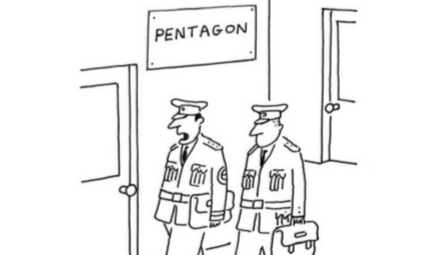
Simultaneously, the economic sector is bracing for what analysts describe as the "bursting of the AI slop bubble." Despite billions of dollars in venture capital, the artificial intelligence industry is facing accusations of producing vast quantities of low-value content—derisively termed "slop"—without a clear path to profitability.
In the environmental sector, the administration has proposed a series of aggressive tariffs on Canada, premised on the theory that economic pressure will incentivize the neighboring nation to better manage its wilderness areas and prevent smoke from crossing the border. This comes as wildfires continue to ravage both the Western United States and Southern Europe, fueling a debate over the efficacy of "forest raking" versus climate-driven mitigation strategies.
Chronology of Events: From the Press Room to the Market Floor
August 10, 10:00 AM – The Vaccine Announcement:
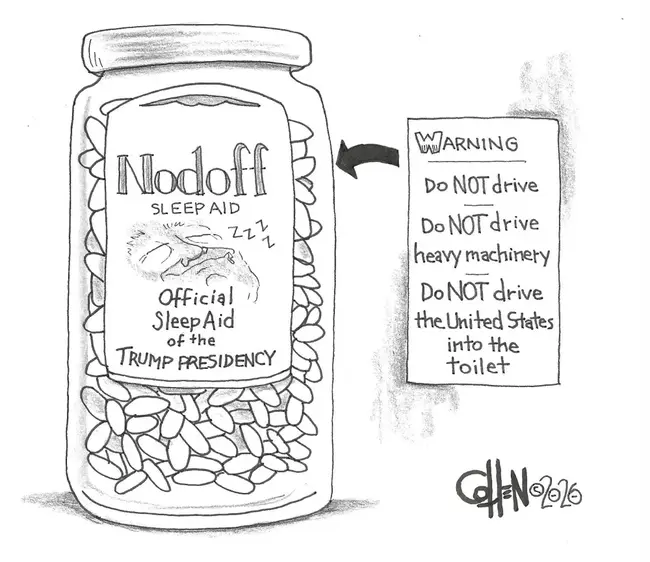
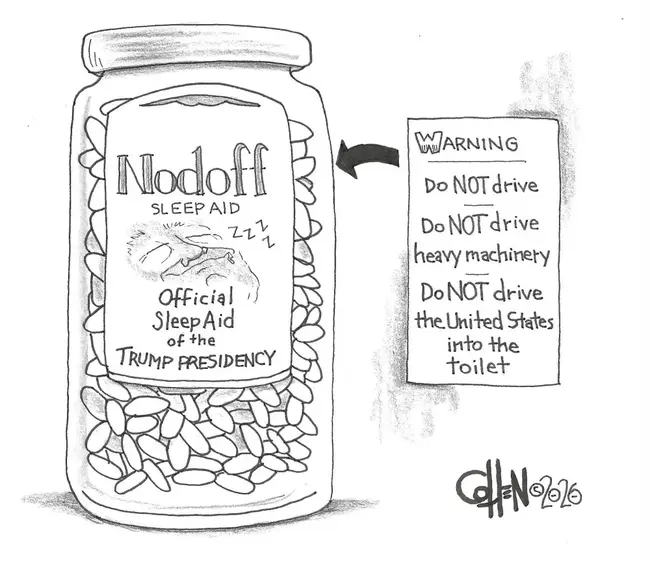
The day began with a press conference that medical professionals have termed "unprecedented." President Trump and RFK Jr. outlined a policy shift that would discourage the use of combined vaccines, citing long-disproven theories regarding a link between vaccinations and autism. During the event, the President made a widely scrutinized claim regarding the volume of vaccinations, asserting he had seen "proof" of children being injected with quantities of fluid comparable to a "bottle of soda." Observers noted the President appeared to nap during portions of the technical presentations by his subordinates.
August 11, 8:00 AM – Market Reactions:
As markets opened the following morning, technology stocks saw a marked volatility. Reports from leading economists suggested that the AI industry is entering a "vulture capitalism" phase, where stock swapping and speculative trading have replaced the pursuit of tangible utility. This was highlighted by the emergence of "AI shopping assistants" on major retail platforms—tools that have been criticized by consumers for being intrusive and impossible to disable.
August 11, 1:00 PM – International Environmental Backlash:
By early afternoon, European and Canadian officials issued responses to the administration’s rhetoric on wildfires. European leaders defended their ecological management practices, while Canadian officials expressed bewilderment at the threat of tariffs linked to prevailing winds and natural disasters.

Supporting Data: The Science of Vaccines and the Economics of AI
The administration’s push to dismantle the MMR vaccine structure contradicts decades of pediatric data. According to the Centers for Disease Control and Prevention (CDC) and the World Health Organization (WHO), the MMR vaccine is combined specifically to increase compliance and reduce the "needle burden" on infants.
Data from the American Academy of Pediatrics (AAP) suggests that requiring three separate visits for measles, mumps, and rubella would increase administrative costs by an estimated 45% and lead to a 20% drop in total immunization rates due to the logistical hurdles placed on working parents. Furthermore, the claim regarding "12-ounce" injections is physically impossible; a standard pediatric vaccination is 0.5 milliliters, whereas a 12-ounce soda bottle contains approximately 355 milliliters—a volume that would require hours of intravenous infusion rather than a standard injection.
On the economic front, the "AI Slop" phenomenon is backed by recent market reports showing a 30% decline in user engagement with AI-generated search results over the last fiscal quarter. Investors are increasingly wary of "artificial money" (cryptocurrency) being used to prop up "artificial intelligence" companies that lack a sustainable revenue model. Analysts at firms like Katauskas & Co. have noted that the industry is currently optimized for "vulture capitalism"—the practice of extracting value from failing entities rather than building long-term infrastructure.
Official Responses: Experts and Global Leaders Weigh In
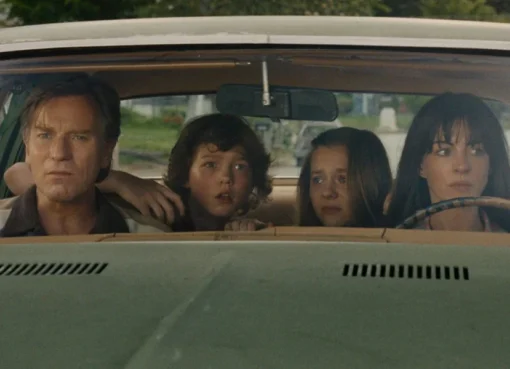
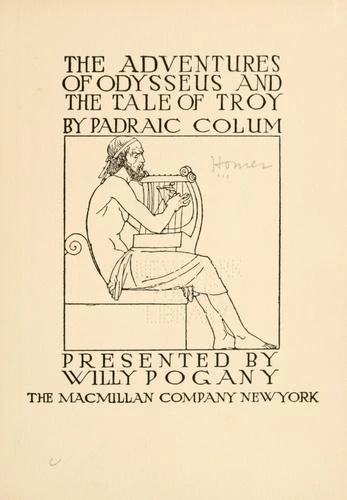
The response from the medical community was swift and overwhelmingly negative. Dr. Emily Wilson, a prominent public health advocate, stated, "To suggest that we should return to a pre-1970s vaccination schedule is to invite a resurgence of preventable childhood diseases. We are trading public safety for political theater." Wilson, also a noted translator of Homer’s Odyssey, drew a parallel between the administration’s policies and the "hazards of a long, treacherous journey home," suggesting the nation is navigating "Scylla and Charybdis" with no clear captain at the helm.
In the environmental sector, the "raking the forest" narrative—first popularized during the 2018 wildfire season—has been revived by the administration to explain the current crises in Europe and Canada. Political cartoonist Ramirez echoed these sentiments, suggesting that European devotion to ecology has left forests untended. However, Canadian forestry experts countered this, noting that the sheer scale of the Canadian wilderness—millions of square miles of uninhabited land—makes "raking" a physical and logistical impossibility.
"Tariffs do not stop the wind," said one Canadian trade representative in an anonymous briefing. "The idea that we can be penalized for the movement of smoke across an international border is as scientifically sound as the idea of a 12-ounce vaccine."
Implications: A Looming National Crossroads
The convergence of these issues—the rejection of medical consensus, the instability of the tech market, and the strain on international alliances—points toward a high-stakes conclusion on November 3rd.
1. Public Health Risks:
If the executive order on MMR vaccines is fully implemented, epidemiologists warn of a potential measles outbreak by the spring of 2027. The erosion of trust in the CDC, now that "bogus information is official government policy," may have long-term effects on the nation’s ability to manage future pandemics.
2. Economic Realignment:
The potential collapse of the AI bubble could lead to a significant market correction. If "vulture capitalism" continues to dominate the tech sector, the U.S. may lose its competitive edge to nations that are focusing on the "valid uses" of AI—such as medical diagnostics and infrastructure logistics—rather than "slop" generation.
3. Geopolitical Tensions:
The administration’s isolationist stance is causing concern among European allies. With a war currently in progress in Europe and rumors of further Russian provocations in the Baltic states and Poland, the perceived instability of U.S. leadership is seen as a strategic vulnerability. International observers, including those in Australia and the United Kingdom, are watching the American political landscape with a mixture of "snickering and dread."
4. The Cultural Reflection:
The role of the cartoonist in this era has shifted from mere entertainer to a critical chronicler of absurdity. From Hajjaj’s modern "Odyssey" to Katauskas’s critique of the digital landscape, the arts are reflecting a society that feels increasingly untethered from reality. As Mike Peterson of The Daily Cartoonist noted, the upcoming election will be a referendum not just on policy, but on the national character. "The turnout will tell us as much about ourselves and our futures as we’ll learn from the final votes," Peterson observed.
As the nation approaches the final quarter of 2026, the "Simple Song of Freedom" remains a distant melody, drowned out by the noise of political misinformation and the crackle of uncontained wildfires. Whether the U.S. can navigate these updated hazards of the "modern trip home" remains the defining question of the decade.