The Evolution of the Deck: How ‘Silberheim ECG’ is Redefining Player Agency in the Digital Card Genre
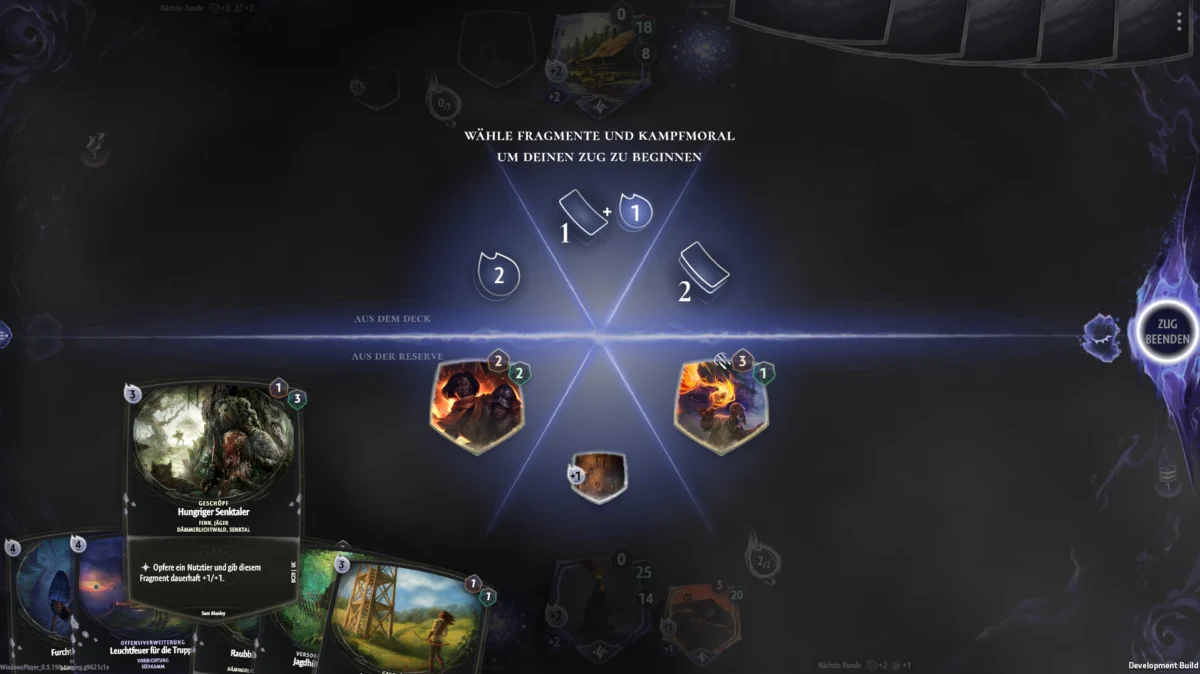
The digital collectible card game (CCG) market has long been dominated by established titans, often criticized for their rigid meta-games and "pay-to-win" monetization structures. However, a new contender from the German indie scene is poised to disrupt the status quo. Silberheim Evolving Card Game (ECG), developed by the ambitious studio Beyond Worlds GmbH, recently took center stage at the Summer Game Fest 2026. Showcased as a highlight of the German Indie Showcase, the title promises to move beyond the static nature of traditional card games by introducing a world—and a deck—that literally grows with the player.
By integrating a proprietary "evolving" mechanic that links card progression to individual player behavior, Beyond Worlds is attempting to bridge the gap between traditional CCGs and deep role-playing experiences. As the game marches toward its full Steam release in late 2026, the industry is closely watching whether this "evolving" experiment can provide the long-term engagement that modern players crave.
Main Facts: A New Paradigm for Collectible Card Games
Silberheim ECG is not merely another entry into the crowded card game market; it is the flagship for a new sub-genre dubbed the "Evolving Card Game." While traditional CCGs rely on static card libraries where every player’s "Fireball" or "Knight" card functions identically, Silberheim introduces a layer of individuality that has rarely been seen in the digital space.
The Core "Evolving" Mechanic
The defining feature of Silberheim is that the cards, the overarching lore, and even the player’s account evolve based on specific in-game actions. According to Beyond Worlds, this evolution is not a linear power creep. Instead, it is a branching path tailored to a player’s unique playstyle. If a player favors defensive maneuvers, their cards may adapt to provide better utility or protection; if they are aggressive, the cards might evolve to reward high-risk, high-reward strategies. The studio has kept the exact mathematical algorithms behind this evolution a closely guarded secret, adding an air of mystery to the progression system.
A Narrative-Driven Experience
Unlike many CCGs where the story is relegated to flavor text, Silberheim places narrative at the forefront. Set in the land of Isdraia on the planet Midoa, the game casts players as disembodied souls in the "Chamber of Souls." These souls use "memory fragments"—the playing cards—to battle for the ultimate prize: the chance to be reborn. This metaphysical framework allows for a deep integration of lore, where player victories and defeats contribute to the shifting political and physical landscape of the game world.
Technical and Market Details
- Developer: Beyond Worlds GmbH
- Platform: PC (Steam)
- Release Window: Late 2026
- Current Status: Public Beta (Free to Play)
- Monetization Model: "Play-to-Win" (One-time purchase, no microtransactions for power)
Chronology: From Concept to Summer Game Fest 2026
The journey of Silberheim ECG is a testament to the growing strength of the German indie development scene. The project began as a vision to combine high-concept fantasy literature with strategic card gameplay, eventually leading to the formation of Beyond Worlds GmbH.
Early Development and Lore Building
Before a single line of code was written for the game, the world of Midoa was established through extensive world-building. The developers commissioned a novel and several spin-off lore articles to ensure that the factions—such as the goblins, the mysterious "Fenn," and the aggressive humans of Morgathal—had a history that felt lived-in. This "lore-first" approach has become a hallmark of the studio’s philosophy.
The Beta Phase and Community Integration
In early 2026, Beyond Worlds launched the initial beta version of Silberheim. Unlike "closed" betas that function primarily as marketing demos, this was a true testing ground. The developers utilized community feedback to balance the "Defiance" mechanic and refine the two-phase combat system. The beta remains free to play, serving as a living laboratory for the evolving mechanics.
The Summer Game Fest Milestone
The most significant turning point occurred in June 2026 at the Summer Game Fest. During the German Indie Showcase, Beyond Worlds unveiled a major content update for the beta, showcasing improved visual effects, new card evolution paths, and a deeper look at the Isdraia world map. The presentation generated significant "wishlist" momentum on Steam, positioning the game as one of the most anticipated indie titles of the year’s final quarter.
Supporting Data: Complexity, Mechanics, and World-Building
To understand why Silberheim is being heralded as a potential "genre-killer," one must look at the granular details of its gameplay loop and its unique approach to the "Power vs. Balance" dilemma.
The Two-Phase Combat System
Standard CCGs often end abruptly when a player’s health reaches zero. Silberheim introduces a more cinematic, two-tiered victory condition:
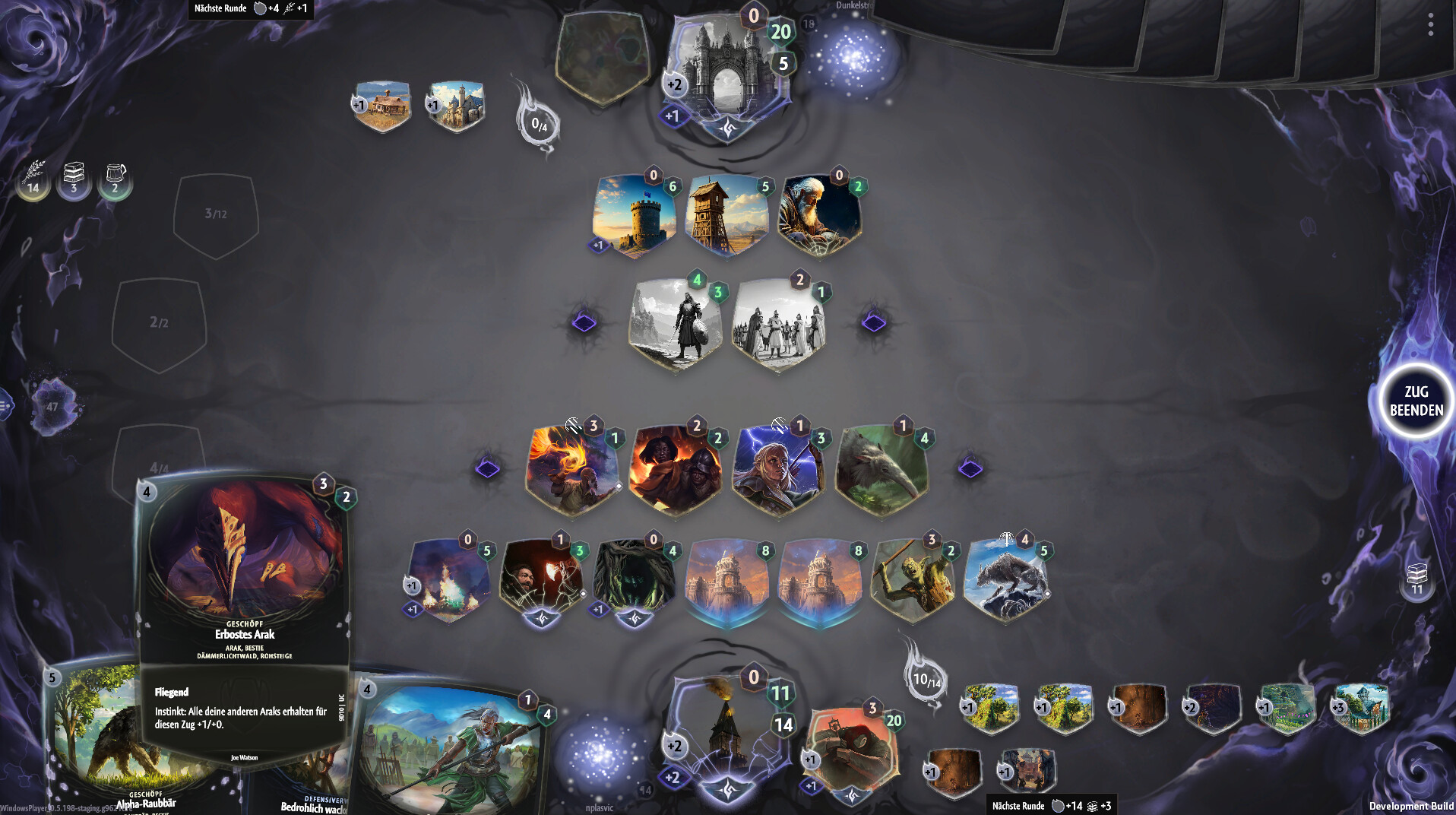
- Phase One: The Fortress Siege: Players must first navigate their units and spells to destroy the opponent’s "Fortress." This phase focuses on resource management and lane control.
- Phase Two: The Hero’s Stand: Once the Fortress falls, a powerful Hero avatar enters the battlefield. This Hero possesses unique abilities that can completely flip the board state. Victory is only achieved once the Hero is defeated.
This structure prevents the "early-game blowout" common in other games. Even if a player loses their Fortress quickly, the entrance of their Hero provides a genuine chance for a comeback.
The Defiance Mechanic
To further combat the frustration of "unwinnable" matches, Beyond Worlds implemented the "Defiance" mechanic. As a player takes damage or loses units, they accumulate Defiance points. These points can be spent on powerful "comeback" cards or abilities, ensuring that every match remains competitive until the final turn. This mechanic is a direct response to the "snowball" effect that plagues many competitive card games.
A Rich Tapestry: The Factions of Isdraia
The strategic depth is bolstered by the distinct identities of the game’s factions:
- The Fenn: A nature-based faction that focuses on evolution and transformation.
- Morgathal Humans: A martial faction specializing in equipment, formations, and brute force.
- Goblins: A high-variance faction that utilizes "scrap" mechanics and overwhelming numbers.
- Wild Beasts: Unaligned creatures that can be harnessed for raw power but are difficult to control.
Official Responses: The "Play-to-Win" Philosophy
In an era where "live service" games are often synonymous with "predatory monetization," Beyond Worlds has taken a defiant stance. During the Summer Game Fest showcase, representatives from the studio emphasized their commitment to a fair ecosystem.
Beyond Worlds on Monetization
"We believe that a player’s success should be a reflection of their strategic insight and the time they’ve invested in evolving their cards, not the size of their wallet," a spokesperson for Beyond Worlds stated during a post-showcase interview. "By choosing a one-time purchase model, we are removing the barrier between the player and the full experience. Silberheim is a game you own, not a service you rent."
The Importance of Community Feedback
The studio has been remarkably transparent about the development process. In their latest developer blog, the team noted: "The ‘Evolving’ part of Silberheim isn’t just about the cards; it’s about the game itself. We are constantly monitoring how the community interacts with the lore and the mechanics. If the community discovers a new way to interpret the history of Isdraia, that might just find its way into the next content update."
This level of responsiveness has fostered a highly loyal player base during the beta phase, with many players contributing lore theories and balance suggestions that have been directly implemented into the game.
Implications: The Future of Player-Driven Narratives
The release of Silberheim ECG could signal a broader shift in the gaming industry. As players become increasingly fatigued by static experiences and aggressive monetization, the "Evolving Card Game" model offers a compelling alternative.
Individualized Meta-Games
The most significant implication of the "evolution" mechanic is the death of the "universal meta." In games like Hearthstone or Magic: The Gathering, top-tier players often use identical "net-decks." In Silberheim, because cards evolve based on individual playstyles, no two decks will ever be truly identical. This creates an environment where personal innovation is rewarded over rote memorization of the current meta.
The Convergence of Genres
Silberheim represents the ongoing blurring of lines between genres. It is a card game, but it carries the DNA of an RPG and a grand strategy game. If successful, it could encourage other developers to experiment with "persistent individuality" in genres where players are usually treated as a monolithic block.
Economic Impact on the Indie Scene
The success of Silberheim would also serve as a major win for the German gaming industry, which has seen a surge in government support and international recognition in recent years. Beyond Worlds’ ability to secure a partnership with Steam and a prominent slot at Summer Game Fest 2026 demonstrates that indie studios can compete with AAA giants if they offer genuine innovation.
As the late 2026 release date approaches, Silberheim Evolving Card Game stands as a bold experiment. It asks a simple but profound question: What if the cards you play with were as unique as the way you play them? For the souls waiting in the Chamber of Souls on Midoa, the answer is just a few months away.