
Intel Unveils "Attack Mode": A Comprehensive Analysis of the Nova, Razor, and Titan Lake CPU Roadmap
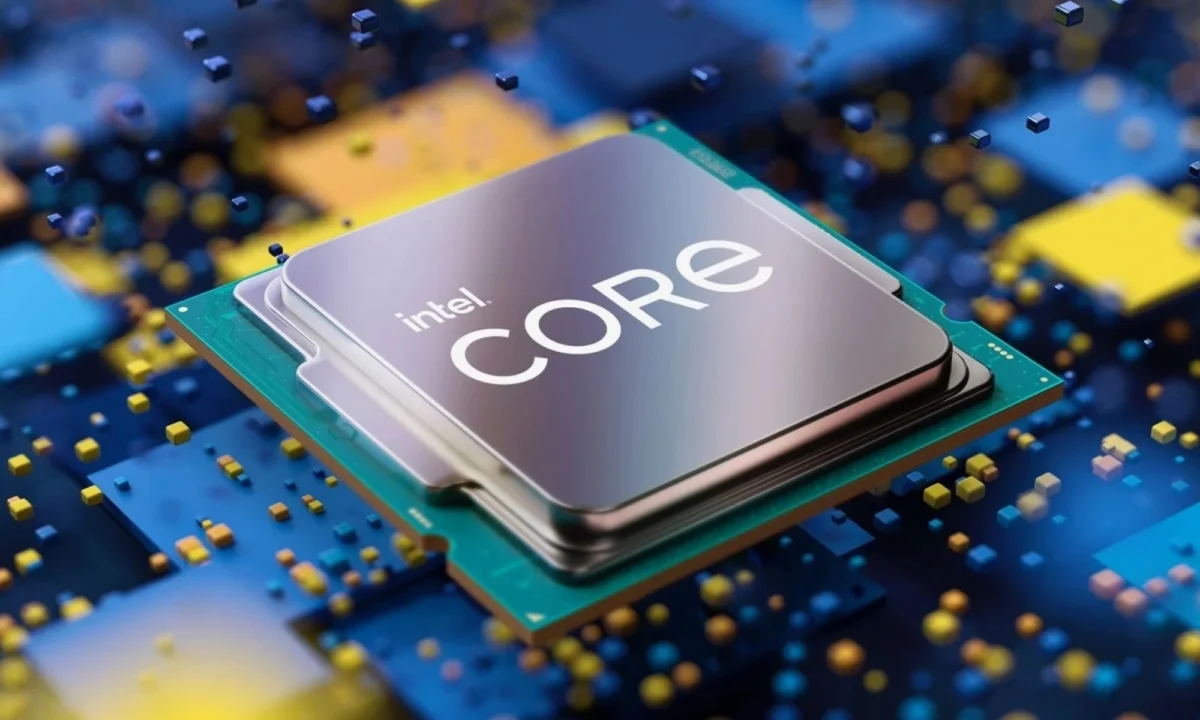
The semiconductor industry is currently witnessing a strategic pivot of historic proportions. After a period defined by manufacturing hurdles, architectural stagnation, and a resurgent AMD, Intel Corporation appears to have transitioned from a defensive posture into what industry analysts are calling "attack mode." Leaked internal roadmaps and supply-chain reports suggest that the "Blue Giant" is no longer content with incremental gains. Instead, it is preparing a multi-year, multi-generational assault on the PC market, spearheaded by the Nova Lake, Razor Lake, and Titan Lake architectures.
This roadmap represents more than just a product update; it is a declaration of intent. Intel is aiming to reclaim its silicon hegemony by out-pacing AMD, neutralizing the efficiency threat from Apple’s M-series, and fending off Qualcomm’s aggressive entry into the Windows-on-Arm space.
Main Facts: The Pillars of Intel’s Resurgence
The core of Intel’s future strategy rests on four distinct architectural families slated for release between 2026 and 2028. According to data surfaced by Digitimes and Guru3D, Intel has stabilized its internal execution pipelines, allowing for a rapid-fire release schedule that targets every segment of the computing market—from entry-level Chromebooks to enthusiast-grade gaming rigs and high-end workstations.

Key Architectural Highlights:
- Nova Lake (2026): Positioned as the most significant architectural shift since Alder Lake, focusing on massive cache sizes and high core counts.
- Razor Lake (2027): A refinement generation focusing on IPC (Instructions Per Clock) gains and platform stability through pin compatibility.
- Titan Lake (2028): A potential paradigm shift that may abandon the hybrid P/E core split in favor of a unified "Copper Shark" core architecture.
- Moon Lake (2028): A specialized, E-core-only architecture designed to dominate the low-power and entry-level laptop segments.
Chronology: The Road to 2028
To understand the scale of Intel’s ambition, one must look at the timeline of these releases. The company is moving away from the "tick-tock" or "process-architecture-optimization" models of the past in favor of a more aggressive, overlapping development cycle.
H2 2026: The Nova Lake Awakening
The first major strike occurs in the second half of 2026 with the debut of Nova Lake. This family is designed to be a "performance monster." Reportedly built on the Intel 14A or advanced 18A process nodes, Nova Lake will introduce the Coyote Cove Performance cores (P-cores) and Arctic Wolf Efficient cores (E-cores).
The most striking feature of Nova Lake is the rumored cache hierarchy. High-end desktop variants are expected to feature up to 288MB of cache, a direct response to AMD’s 3D V-Cache technology. With core counts reaching up to 52 (a combination of P and E cores), Nova Lake is intended to re-establish Intel as the undisputed king of multi-threaded productivity and high-frame-rate gaming.
Q4 2027: The Razor Lake Refinement
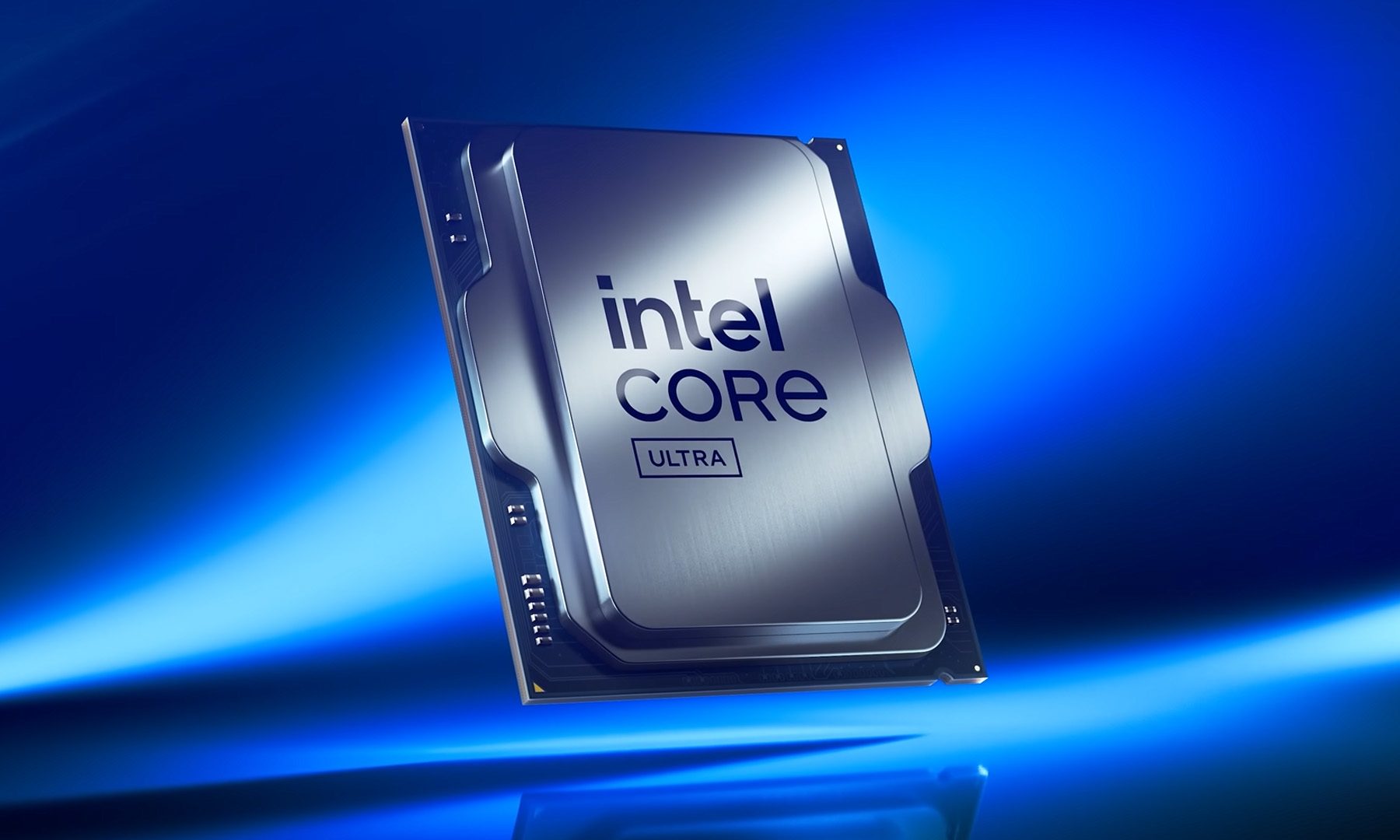
Following Nova Lake, Intel plans to launch Razor Lake in late 2027. While Nova Lake provides the "brute force," Razor Lake is about architectural elegance and IPC improvements. It will utilize Griffin Cove P-cores and Golden Eagle E-cores.
Significantly, Razor Lake is rumored to maintain pin compatibility with Nova Lake motherboards (Nova Lake-S platform). This is a strategic move to appeal to the enthusiast market, which has long criticized Intel for frequent socket changes. By offering a "drop-in" upgrade path, Intel mimics the longevity of AMD’s AM4/AM5 platforms, increasing consumer loyalty.
2028: The Titan Lake Revolution and Moon Lake Efficiency
The year 2028 marks a potential fork in Intel’s architectural philosophy. Titan Lake is expected to debut with Copper Shark cores. Current leaks suggest that Titan Lake might move away from the hybrid architecture Intel championed for years, potentially returning to a unified core design or a more advanced "disaggregated" tile-based approach.

Simultaneously, Intel will launch Moon Lake. Unlike its high-performance siblings, Moon Lake will utilize an E-core-only architecture. This is a targeted strike at the entry-level market, providing high-efficiency silicon for Chromebooks and ultra-thin laptops that require all-day battery life at a lower price point.
Supporting Data: Technical Specifications and Market Positioning
The leaked roadmap provides a granular look at how Intel intends to differentiate these products. Below is a breakdown of the technical expectations for the upcoming lineups:
| Architecture | Expected Launch | Core Architecture | Key Features | Market Target |
|---|---|---|---|---|
| Nova Lake | H2 2026 | Coyote Cove / Arctic Wolf | 288MB Cache, 52 Cores | Enthusiast Desktop |
| Razor Lake | Q4 2027 | Griffin Cove / Golden Eagle | Major IPC gains, Pin Compatibility | Gaming / Workstation |
| Titan Lake | 2028 | Unified Copper Shark | NVIDIA RTX GPU Integration | High-End APU / Mobile |
| Moon Lake | 2028 | E-core Only | Ultra-low power consumption | Entry-level / Education |
The "Serpent Lake" Wildcard
One of the most intriguing data points in the leak is the mention of Serpent Lake, a variant of the Titan Lake era. Rumors suggest Intel may collaborate with NVIDIA to integrate RTX-based graphics tiles directly into the CPU package. If true, this would create a "super-APU" capable of rivaling AMD’s "Strix Halo" chips. Such a product would revolutionize the gaming laptop market, potentially eliminating the need for a discrete GPU in mid-range gaming portables.

Official Context: Intel’s Internal Stabilization
While Intel has not officially commented on the specifics of these leaks, the roadmap aligns with the "IDM 2.0" strategy articulated by CEO Pat Gelsinger. For several years, Intel’s primary struggle was not design, but execution. The transition to 10nm (Intel 7) was famously fraught with delays, which allowed AMD to gain significant market share with its Zen architecture.
However, recent reports from the supply chain indicate that Intel’s foundry services are hitting their milestones. The "five nodes in four years" goal appears to be on track, providing the manufacturing foundation necessary to produce complex designs like Nova Lake. The move toward a tile-based (chiplet) architecture, seen in recent Meteor Lake and Arrow Lake releases, has also matured, allowing Intel to mix and match different process nodes for compute, graphics, and I/O tiles.
Implications: A New Era of Competition
The implications of this roadmap are profound for the entire computing ecosystem.

1. The Death of the "Stagnant" CPU Market
Between 2014 and 2017, Intel’s 14nm era was criticized for providing only 5-10% year-over-year improvements. The Nova-Razor-Titan progression suggests a return to the rapid innovation cycles of the late 2000s. For consumers, this means significantly more processing power and efficiency gains in shorter intervals.
2. The Battle for Mobile Supremacy
By developing Titan Lake and Moon Lake, Intel is fighting a two-front war in the mobile space. Titan Lake (and Serpent Lake) aims to dominate the high-performance gaming and creator laptop market, while Moon Lake is a direct defense against the power-efficiency claims of Apple’s Silicon and Qualcomm’s Snapdragon X series.
3. The GPU Integration War
The rumored partnership with NVIDIA for Serpent Lake represents a "realpolitik" approach to business. Intel recognizes that while its Arc graphics are improving, NVIDIA remains the gold standard for gaming features like DLSS and Ray Tracing. By potentially integrating NVIDIA technology, Intel could offer a product that is objectively superior to AMD’s integrated Radeon solutions, even if it means inviting a rival into its package.

4. Platform Longevity
The mention of pin compatibility for Razor Lake suggests that Intel has finally listened to the "DIY" PC builder community. By extending the life of its motherboards, Intel reduces the total cost of ownership for its high-end platforms, making the switch to Intel more attractive for users currently on AMD’s long-lived AM4 or AM5 sockets.
Conclusion: A Confident Counterattack
Intel’s future roadmap reveals a company that has moved past its "damage control" phase. Nova Lake, Razor Lake, and Titan Lake represent a cohesive, aggressive strategy to reclaim the performance crown across all sectors. While the success of these products depends entirely on Intel’s ability to maintain its manufacturing schedule and improve yields, the sheer scale of the ambition suggests that the next three years will be the most competitive in the history of the CPU industry. For the first time in a decade, Intel isn’t just reacting to the market—it is attempting to define it.




Leave a Comment