
The Expansion of the Sheridan-Verse: Analyzing the ‘Marshals’ Finale and the Impending ‘Dutton Ranch’ Crossover
The television landscape has been fundamentally reshaped over the last decade by the prolific output of Taylor Sheridan. What began as a singular, gritty neo-Western titled Yellowstone has blossomed into a sprawling multi-generational epic, often referred to by critics and fans alike as the "Sheridan-verse." While the franchise initially looked backward with prequel limited series such as 1883 and 1923, the current focus has shifted toward the future of the Dutton legacy.
With the recent Season 1 finale of the CBS procedural Marshals, the narrative architecture of this universe has reached a critical juncture. The episode didn’t merely conclude a seasonal arc; it appeared to lay the groundwork for an explosive crossover with the Paramount+ series Dutton Ranch. As the storylines of Kayce Dutton, Beth Dutton, and Rip Wheeler begin to converge geographically in the Lone Star State, the implications for the franchise are both narratively massive and creatively risky.
Main Facts: The ‘Marshals’ Finale Twist and the Texas Connection
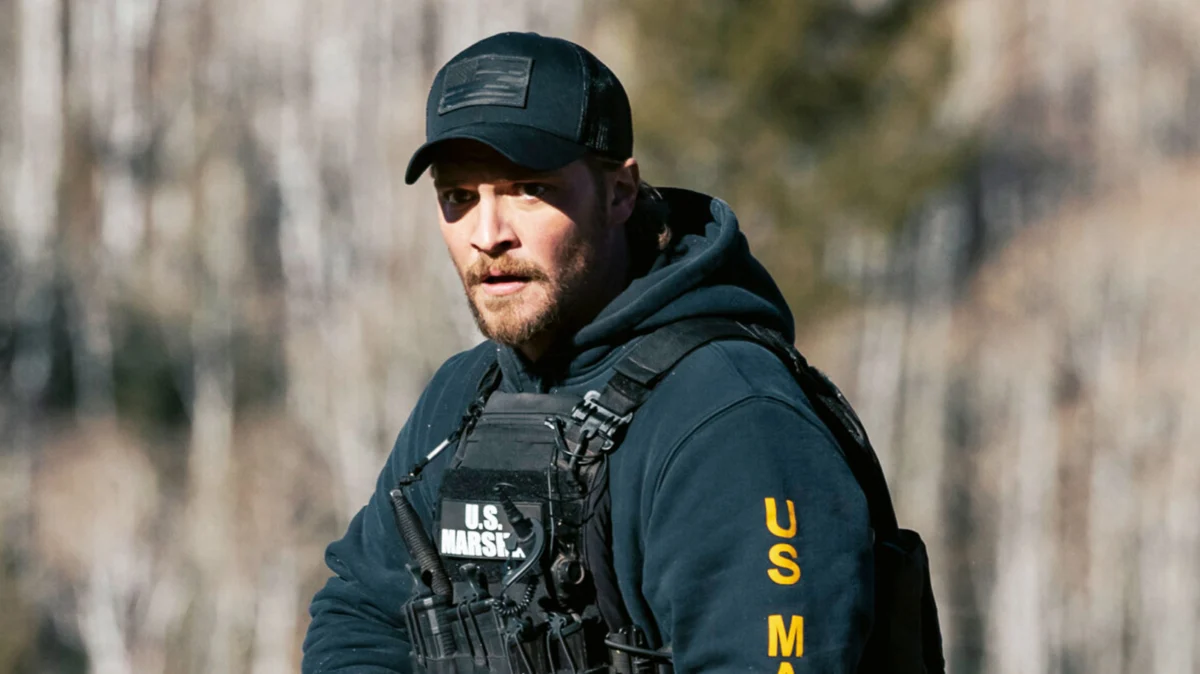
The Season 1 finale of Marshals (Episode 13) delivered a narrative haymaker that recontextualized the entire season. For much of the debut year, the show functioned as a standard procedural, following Kayce Dutton (Luke Grimes) as he navigated his role as a U.S. Marshal. Central to his support system was Tom Weaver (Chris Mulkey), the owner of the Weaver Ranch. Introduced in Episode 4 as a surrogate father figure—filling the void left by the late John Dutton—Weaver was portrayed as a benevolent mentor to both Kayce and his young son, Tate (Brecken Merrill).
However, the finale, titled "East Camp," revealed a much more sinister reality. After Kayce’s cabin is targeted in a violent shootout by a group of professional hitmen, Weaver arrives under the guise of offering protection. In the episode’s closing moments, it is heavily implied that Weaver himself orchestrated the hit. His motivation appears to be a classic "Yellowstone" trope: a land grab aimed at seizing Kayce’s property.
The bridge to a crossover was built in the final scene. Weaver offers to take Tate on a fishing trip to Texas to "get away from the trauma." Kayce, in a move that many fans found uncharacteristically naive, agrees. This effectively places Tate in the hands of a kidnapper and moves the primary "damsel in distress" of the series to the same state where Beth Dutton and Rip Wheeler have recently established their new lives.
Chronology: The Road to Rio Paloma
To understand how these two series are converging, one must look at the timeline of the post-Yellowstone era.

The Fall of the Montana Empire
Following the climactic events that concluded the original Yellowstone series, the Dutton family was fractured. The Montana ranch, the centerpiece of the family’s identity for over a century, was largely lost to tragedy and arson. This forced a diaspora of the surviving family members.
The ‘Marshals’ Timeline (Season 1)
Kayce Dutton attempted to find a middle ground between his life as a soldier and his duties as a father. Joining the U.S. Marshals provided him a legal framework for his violent skill set. Throughout Season 1, Kayce struggled with the "survivor’s guilt" of the Montana years while trying to shield Tate from further violence. His reliance on Tom Weaver was born out of a desperate need for a stable, patriarchal figure.
The ‘Dutton Ranch’ Timeline (Current)
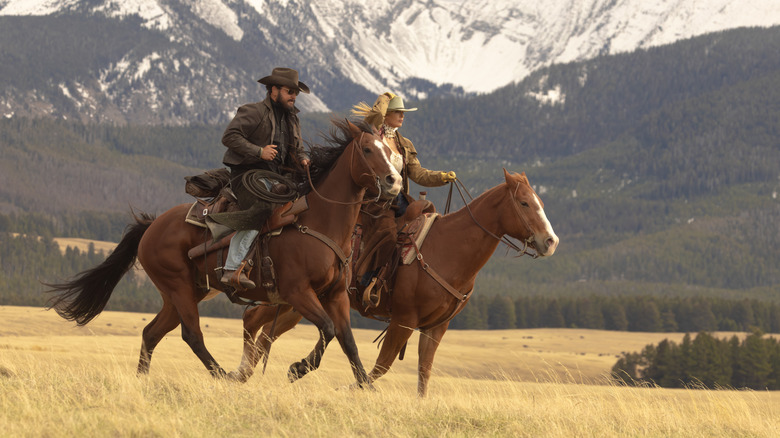
Simultaneously, Dutton Ranch follows Beth Dutton (Kelly Reilly) and Rip Wheeler (Cole Hauser) as they relocate to Rio Paloma, a small town in Southern Texas. Over the first three episodes of their series, the couple has attempted to rebuild their ranching empire from scratch. However, they have already found themselves embroiled in a bloody feud with the rival 10 Petal Ranch. Despite their move, the "Yellowstone" way of life—defined by land disputes and extrajudicial killings—followed them south.
The Intersection
The Marshals finale acts as the chronological anchor. By sending Tate to Texas, the show creates a physical proximity between the protagonist of one series and the power players of another. For the first time since the original show ended, the disparate threads of the Dutton family are pulling toward a single geographic center.
Supporting Data: Procedural vs. Melodrama
The potential crossover brings into focus the stark contrast in tone and reception between the two spin-offs.
The Performance of ‘Marshals’
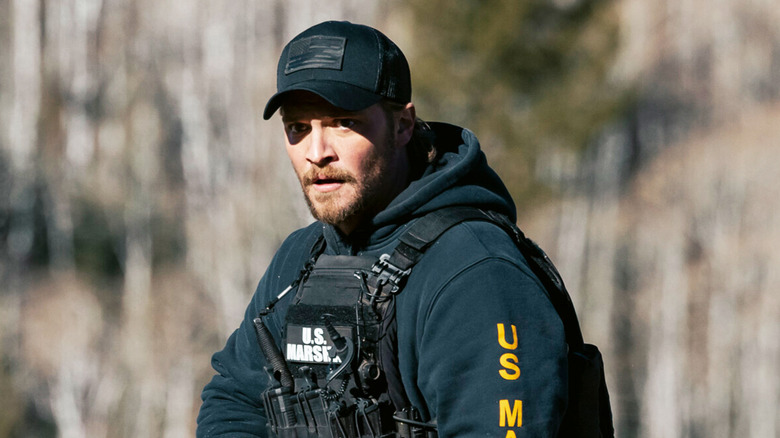
Marshals was designed as a "Blue Bloods" style procedural for the CBS audience. While it has maintained steady ratings, critical reception has been lukewarm. Reviewers have noted that the show often feels like a "cowboy Gears of War," relying heavily on tactical shootouts and cover-based action rather than the character-driven stakes that defined Yellowstone.
- Key Critique: Critics argue the show lacks a clear identity, vacillating between a weekly "catch the criminal" format and the heavier serialized drama of the Dutton family.
- The "Tate Problem": This is the second time Tate Dutton has been kidnapped (the first being the memorable Season 2 arc of Yellowstone). Some analysts suggest this repetition points to a lack of fresh narrative ideas within the Marshals writing room.
The Performance of ‘Dutton Ranch’
In contrast, Dutton Ranch has been hailed as a return to form. Airing on Paramount+, it retains the "R-rated" intensity and operatic melodrama of the flagship series.
- Innovation: The show has already introduced a replacement for the "Train Station"—the infamous cliffside where the Duttons disposed of bodies. This suggests that while the location has changed, the moral vacuum the characters inhabit remains intact.
- Character Consistency: Beth and Rip remain the franchise’s most popular characters, and their transition to Texas has allowed for a "fish out of water" dynamic that has revitalized their arcs.
Official Responses and Production Context
While Taylor Sheridan is notoriously tight-lipped about specific plot points, his production strategy with Paramount Global suggests a move toward a more integrated "Cinematic Universe" model.
Sources close to the production of Marshals have confirmed that Season 2 has already been green-lit, with filming expected to take place partly on location in Texas. This shift in production locale is the strongest "real-world" evidence of a crossover.
Furthermore, in recent industry interviews, Sheridan has hinted at the "inevitability" of the Duttons reuniting. "The family is the ranch, and the ranch is the family," Sheridan told The Hollywood Reporter last year. "It doesn’t matter if they are in Montana or Timbuktu; their fates are intertwined."
Representatives for Kelly Reilly and Cole Hauser have not officially commented on whether they will guest star in Marshals, but the narrative logic of the Season 1 finale makes their appearance almost mandatory. If Tate is in danger in Texas, it is a narrative impossibility for his "Aunt Beth" and "Uncle Rip" to remain on the sidelines.
Implications: The Risks of a Unified Narrative
The impending crossover carries significant implications for the future of the Sheridan-verse, representing both a massive opportunity and a potential pitfall.
1. The Dilution of Quality
The primary concern among fans is the "contamination" of Dutton Ranch. There is a fear that by merging the high-stakes melodrama of the Texas series with the more formulaic procedural elements of Marshals, the former will lose its edge. If Beth and Rip are forced to operate within the "TV-14" constraints of a CBS procedural, the very traits that make them compelling—their ruthlessness and uncensored intensity—may be neutered.
2. The "Avengers" Effect
Conversely, a successful crossover could provide the "jolt" that Marshals needs. Seeing Rip Wheeler interact with Kayce’s tactical world could create a unique hybrid of Western grit and modern law enforcement drama. It offers a chance to see the Dutton family operate as a unified front against an external threat (Tom Weaver) rather than fighting among themselves.
3. The Villain Problem
Tom Weaver represents a new kind of threat for the Duttons. Unlike the corporate raiders or rival developers of the past, Weaver is a "wolf in sheep’s clothing" who manipulated Kayce’s desire for a father figure. His downfall will likely require the combined skills of the family: Kayce’s tactical precision, Rip’s brute force, and Beth’s psychological warfare.
4. Future Spin-offs
The success or failure of this crossover will likely dictate how Paramount handles future expansions. There are already rumors of a 6666 ranch spin-off (centered on the historic Texas ranch) and potentially more period-piece prequels. A unified timeline across multiple active shows would be an ambitious feat of television engineering, placing Sheridan in the same league as showrunners like Dick Wolf or Kevin Feige.
Conclusion
The Marshals Season 1 finale has effectively ended the era of "isolated" spin-offs for the Yellowstone franchise. By placing Tate Dutton in the crosshairs of a Texas-based conspiracy, the show has made a collision with Dutton Ranch inevitable. While the creative risks are high, the potential for a sprawling, interconnected epic is exactly what has kept audiences tethered to the Dutton family for five years. As Season 2 of Marshals approaches, all eyes turn to the South, where the next chapter of the American Western will be written in blood and oil.


Leave a Comment