
Terraria: The Board Game Embarks on Crowdfunding Journey, Promising a Faithful Tabletop Adventure
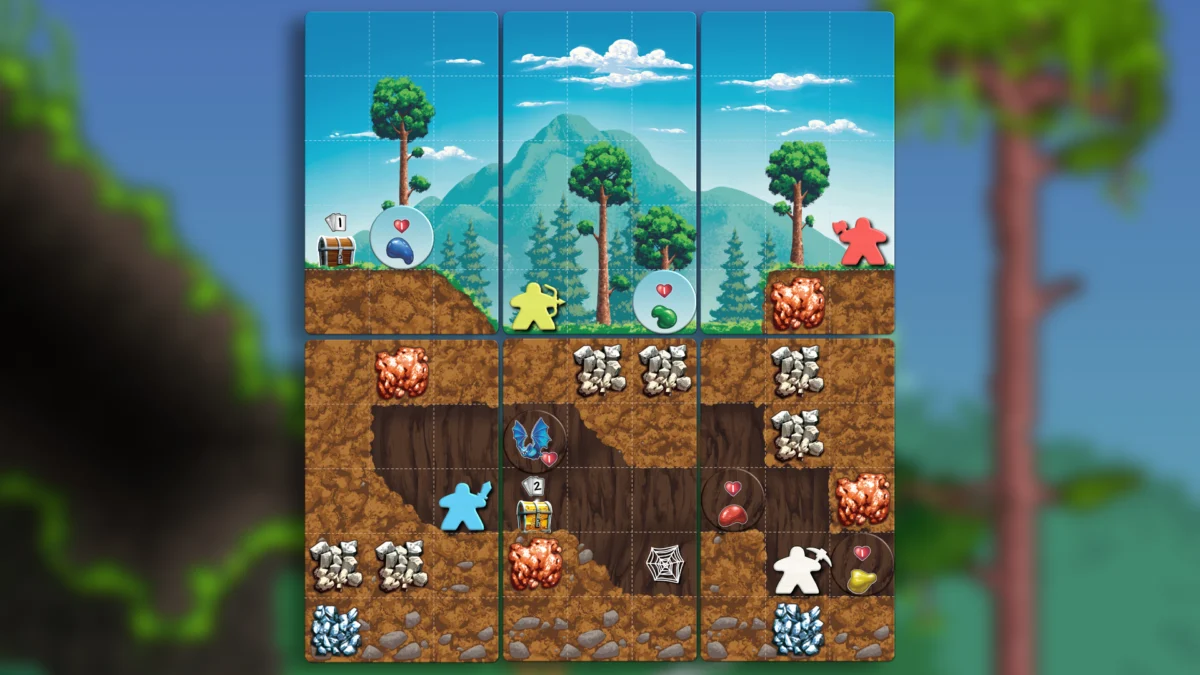
London, UK – May 20, 2024 – The sprawling, pixelated world of Terraria, Re-Logic’s beloved 2D sandbox adventure, is poised to conquer a new dimension: the tabletop. Terraria: The Board Game, a highly anticipated adaptation developed by Paper Fort Games, is set to launch its crowdfunding campaign on Kickstarter on May 28th. This ambitious project aims to translate the video game’s iconic blend of exploration, crafting, combat, and base-building into a cooperative board game experience for up to four players, or a dedicated solo adventure.
Since its announcement last summer, the tabletop rendition has garnered significant attention from both board game enthusiasts and the massive fanbase of the original digital phenomenon. Early impressions from tabletop conventions, including a notable showing at Essen Spiel 2023, suggest that Paper Fort Games has meticulously crafted an experience that remains remarkably true to the spirit of Terraria, offering a dynamic and replayable journey through its rich biomes and challenging encounters. Players will delve into a uniquely generated world, facing over 30 distinct enemy types and six formidable bosses, all while gathering resources, forging powerful gear, and constructing their personalized havens.
Main Facts: Translating a Digital Giant to Tabletop
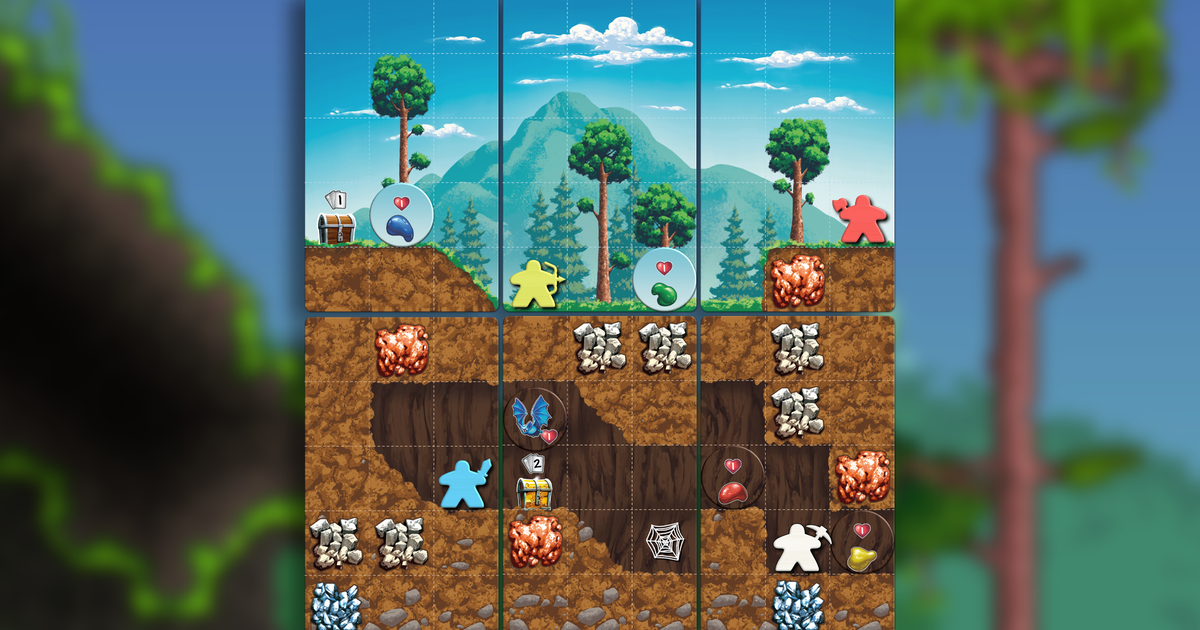
Terraria: The Board Game is not merely a reskin of existing mechanics but a thoughtful re-imagining designed to capture the essence of its multi-million-selling video game predecessor. At its core, it is a cooperative board game where 1-4 players work together to explore a procedurally generated 2D world. This world is brought to life through a clever layout of gridded cards, depicting various biomes from lush forests to treacherous underground caverns.
The primary objective remains familiar to Terraria veterans: venture forth, mine valuable resources, craft increasingly powerful equipment, and construct a secure base. Along the way, players will encounter a diverse bestiary of enemies, culminating in epic boss battles. The game operates on an action-point system, allowing players a wide array of choices each turn, from traversing the landscape and attacking foes to digging for ore and building structures. This flexibility is crucial in mimicking the sandbox freedom that defines the video game.
A standout feature is the innovative use of transparent cards for armor and gear, which can be physically layered over character boards to visually "dress" avatars in their newly acquired outfits. Combat, while dice-driven, gains strategic depth from upgraded weapons granting better dice and action cards providing situational buffs. With over 30 unique enemy types and six distinct bosses – each represented by modular miniatures that visually reflect damage taken – the game promises varied challenges. Sessions are designed to be concise, ranging from 90 minutes to two hours, and feature customizable objectives that ensure high replayability. Furthermore, the ability to build and expand a base attracts NPCs, offering party bonuses and unlocking new crafting stations, directly mirroring a beloved progression system from the digital game.
Chronology: From Pixels to Prototypes
The journey of Terraria: The Board Game reflects a growing trend of successful video game IPs finding new life on the tabletop.
The Enduring Legacy of Terraria: The Video Game
Launched in May 2011 by Re-Logic, Terraria quickly distinguished itself in the burgeoning sandbox genre. While often compared to Minecraft due to its block-based building and mining mechanics, Terraria carved out its own niche with a stronger emphasis on action-adventure, deep combat, extensive boss progression, and a vast array of unique items and biomes. Its pixel-art aesthetic, charming characters, and seemingly endless content updates have propelled it to legendary status, selling over 44 million copies across various platforms by 2022. The game’s enduring popularity and dedicated community made it a prime candidate for a tabletop adaptation, promising a pre-existing audience eager for new ways to experience their favorite world.
The Genesis of a Tabletop Vision
The idea of a Terraria board game had likely been a dream for many fans, but it was Paper Fort Games, a studio dedicated to creating immersive tabletop experiences, that took on the challenge. While the exact timeline of their initial pitch and partnership with Re-Logic remains private, the dedication required to adapt such a complex digital world into a physical format would have been immense. Their commitment to maintaining the core gameplay loop – exploration, crafting, combat, and building – while translating it into turn-based mechanics, speaks volumes about their design philosophy.
Summer 2023: The Grand Unveiling
The first official announcement of Terraria: The Board Game came in the summer of 2023. This revelation immediately sparked excitement across both the board gaming and video gaming communities. Initial details hinted at the cooperative nature, the world generation system, and the commitment to a faithful adaptation. Fans began speculating on how elements like mining, boss fights, and the day-night cycle would be represented, setting a high bar for the upcoming design reveals.
Essen Spiel 2023: First Impressions and Buzz
A pivotal moment in the game’s public journey occurred at Essen Spiel 2023, one of the largest tabletop gaming conventions in the world. Paper Fort Games showcased a prototype of Terraria: The Board Game, offering attendees and industry professionals a first glimpse and, for some, a hands-on experience. This demonstration proved crucial in validating the design choices. The Dicebreaker journalist, for example, reported being "mighty impressed," praising the "smart way of offering up a varied environment" and the "flexible action system" that seemed to capture the video game’s eclectic mix. This positive reception from a respected industry voice helped build momentum and confidence ahead of the crowdfunding launch. The modular boss miniatures, the transparent equipment layering, and the action-point system were particularly highlighted as innovative elements that resonated with the Terraria spirit.
The Road to Crowdfunding: May 28th
Following the successful showings and continued development, Paper Fort Games set the stage for its Kickstarter campaign. The choice of Kickstarter underscores a common practice in the board game industry, allowing developers to gauge community interest, secure funding for production, and directly engage with their future player base. The May 28th launch date signifies the culmination of extensive design, testing, and refinement, preparing the game for its grand debut on the crowdfunding platform. This campaign will not only fund the initial print run but also serve as a crucial platform to potentially unlock stretch goals, further enriching the game’s content and component quality based on backer support.
Supporting Data: Deconstructing the Tabletop Terraria Experience
The true test of any video game adaptation lies in its ability to translate the core experience without losing what made the original special. Terraria: The Board Game appears to have approached this challenge with meticulous detail, focusing on several key pillars that define the digital counterpart.
Dynamic World Generation and Exploration
One of Terraria‘s most iconic features is its vast, randomly generated 2D world, ripe for exploration. The board game emulates this with a system of gridded cards, creating a unique world layout for each session. This ensures immense replayability, as players will never encounter the exact same map twice. These cards represent various biomes, drawing heavily from the video game’s rich environmental diversity. Players can expect to traverse familiar landscapes such as:
- Forests: The starting biome, offering basic resources and early challenges.
- Deserts: Hot, sandy regions with unique creatures and materials.
- Jungles: Dense, vibrant, and dangerous biomes teeming with exotic flora and fauna.
- Snow/Tundra: Cold, icy expanses with distinct resources and environmental hazards.
- Corruption/Crimson: Malignant biomes that spread and pose significant threats, requiring specialized gear to navigate.
- Underground Caverns: A multi-layered labyrinth beneath the surface, filled with valuable ores, hidden treasures, and increasingly powerful monsters.
The exploration mechanic involves moving characters across these cards, revealing new areas and encounters. The distinction between "above ground" and "below ground" is crucial, suggesting a multi-layered board or card system that allows for vertical progression and discovery, mirroring the video game’s iconic delve into the earth.
A Robust Action-Point System for Strategic Depth
The heart of the gameplay lies in its action-point system. Each turn, players will have a limited number of action points to spend, forcing strategic choices that reflect the versatile nature of Terraria. Possible actions could include:
- Movement: Traversing the world map, potentially costing more points for difficult terrain.
- Mining: Extracting resources from specific biome cards, essential for crafting.
- Combat: Engaging enemies, requiring dice rolls and potentially expending action cards.
- Crafting: Combining collected resources at a crafting station to create new items, weapons, or armor.
- Building: Expanding the base, placing new structures, or interacting with NPCs.
- Exploring: Flipping over new world cards to reveal unexplored territory.
- Special Abilities: Using unique character or item abilities that consume action points.
This system encourages players to coordinate their efforts, deciding whether to focus on resource gathering, pushing forward into dangerous territory, or bolstering their defenses.
Engaging Combat and Formidable Foes
Combat is a central pillar of Terraria, and the board game aims to deliver equally thrilling encounters. With over 30 different enemy types, players will face a diverse range of threats, each potentially dropping specific loot. The progression system for weapons and armor directly impacts combat effectiveness:
- Weapon Upgrades: Improving weapons grants access to better dice (e.g., d6s become d8s or d10s), increasing the chances of dealing significant damage.
- Action Cards: These cards provide temporary buffs, special attacks, or defensive maneuvers, adding a tactical layer to dice-based combat.
- Transparent Equipment: A unique visual flourish, where transparent equipment cards layer over character boards, allowing players to see their avatar’s progression through new outfits and gear.
The game’s six bosses are designed to be epic, multi-stage encounters. Each boss is represented by a modular miniature, meaning its physical form on the board changes as it takes damage or enters different phases. This not only enhances the visual immersion but also provides clear mechanical cues to players about the boss’s current state. These boss battles are likely the climactic moments of each session, requiring careful planning, coordinated attacks, and effective use of crafted gear. Drawing inspiration from the video game, these bosses could range from the Eye of Cthulhu to the Eater of Worlds, each demanding unique strategies.
The Art of Crafting and Base Building
Crafting and base building are synonymous with Terraria‘s identity. The board game integrates these elements seamlessly:
- Resource Management: Mining yields various resources (ores, wood, monster parts) that are crucial for crafting.
- Crafting Stations: Building specific structures in your base unlocks new crafting stations (e.g., a workbench for basic tools, a furnace for smelting ore, an anvil for advanced weapons), expanding the array of items players can create.
- Item Variety: The game promises a "wide array of gear and items," from weapons and armor to potions, accessories, and utility tools, all essential for survival and progression.
- NPC Interaction: As players expand their base and build suitable housing, new Non-Player Characters (NPCs) will be invited to settle. These NPCs, much like in the video game, provide various bonuses, services, or unique items, further aiding the party in their adventures. This could include merchants selling rare goods, nurses healing wounds, or demolitionists offering explosive solutions.
Replayability and Scalability
To ensure longevity, Terraria: The Board Game features customizable objectives for each session. This means players can tailor their experience, focusing on specific goals like defeating a certain boss, building a grand structure, or collecting rare artifacts. This flexibility, combined with the random world generation, guarantees that no two play sessions will feel identical. The game supports 1-4 players, offering a dedicated solo mode that likely scales the challenges and objectives to suit a single adventurer, ensuring that even solitary explorers can enjoy the full Terraria experience.
Official Responses: Voices Behind the Adaptation
The successful translation of a beloved video game IP into a physical board game requires close collaboration and a shared vision between the original creators and the adaptation studio.
Paper Fort Games: Crafting a Tangible World
While direct quotes are not available in the provided snippet, the ambition and meticulous design evident in Terraria: The Board Game speak volumes about Paper Fort Games’ approach. Their vision appears to be centered on preserving the "sandbox offering" and "eclectic mix of exploration, crafting, combat and survival" that defines Terraria.
It’s likely that the design team at Paper Fort Games faced numerous challenges in adapting the real-time, fluid nature of the video game into a turn-based, physical format. Their decision to use gridded cards for world generation, transparent layers for equipment, and modular miniatures for bosses highlights a commitment to innovative solutions rather than simple replication. Their goal would have been to ensure that every decision, every component, and every mechanic felt authentic to the Terraria universe, providing a fresh yet familiar experience for fans. They would emphasize the "thoughtful, well-considered adaptation" aspect, showcasing how they distilled the core fun of the video game into a board game format.

Re-Logic: Safeguarding a Legacy
Re-Logic, as the original creators of Terraria, would have played a crucial role in overseeing the adaptation process. Their involvement would ensure that the board game remains faithful to the lore, aesthetics, and gameplay spirit of their creation. For an IP holder, allowing an adaptation is a significant decision, driven by trust in the adapting studio’s ability to honor the source material. Re-Logic’s primary goal would undoubtedly be to see Terraria represented accurately and compellingly in a new medium, potentially reaching new audiences while delighting existing fans. Their approval of the design choices, from the pixel-art inspired components to the mechanics, signifies their confidence in Paper Fort Games’ vision. They would likely highlight their collaborative efforts to ensure the board game feels like an extension of the Terraria universe rather than a mere derivative.
Community Echoes: Anticipation and Expectations
Since the initial announcement, the Terraria and board gaming communities have voiced significant anticipation. Online forums, social media, and dedicated board game news sites have buzzed with discussions about potential mechanics, desired features, and the overall excitement for a physical manifestation of their digital adventures. The positive early impressions from Essen Spiel 2023 were crucial in assuaging any doubts about the feasibility of such an adaptation, turning cautious optimism into genuine enthusiasm. The crowdfunding campaign is expected to see strong support, driven by the game’s recognizable IP and the demonstrated commitment to quality.
Implications: A New Horizon for Terraria
The launch of Terraria: The Board Game‘s Kickstarter campaign carries significant implications for both the Terraria IP and the broader tabletop gaming industry.
Impact on Tabletop Gaming: The Video Game Adaptation Trend
Terraria: The Board Game joins a growing list of successful video game-to-board game adaptations, a trend that has seen a surge in popularity over recent years. From Dark Souls to Stardew Valley, publishers are increasingly recognizing the potential of leveraging established video game IPs to attract new players to the tabletop hobby. What sets Terraria apart is its unique blend of sandbox freedom, deep progression, and charming aesthetic. A successful adaptation like this demonstrates that even complex, real-time digital experiences can be effectively translated into engaging turn-based board games, pushing the boundaries of tabletop design. Its innovative component design, such as the transparent layering cards and modular boss miniatures, could also influence future adaptations.
Expanding the Terraria Universe
For Re-Logic, this board game represents a significant expansion of the Terraria brand. It provides a novel way for existing fans to interact with their beloved world, offering a tactile and social experience that complements the digital version. It also has the potential to introduce Terraria to an entirely new demographic – board gamers who might not have played the video game but are drawn to the mechanics and thematic elements of the tabletop adaptation. This cross-pollination of audiences can only strengthen the overall IP, fostering greater community engagement and potentially paving the way for further Terraria-themed merchandise or media.
The Crowdfunding Success Barometer
The Kickstarter campaign on May 28th will serve as a crucial barometer for the project’s financial viability and community enthusiasm. Given the immense popularity of Terraria, the campaign is widely expected to meet and likely exceed its initial funding goals. The true measure of its success, however, will lie in its performance against stretch goals. These additional funding tiers typically unlock extra content, improved components, or even full expansions, allowing Paper Fort Games to further enrich the game beyond its initial scope. Potential stretch goals could include:
- More biomes or unique biome-specific events.
- Additional enemy types and mini-bosses.
- New NPCs with unique abilities or quests.
- Expanded crafting recipes and item sets.
- Campaign modes or narrative elements.
- Higher quality components, such as custom dice or metal coins.
- Small expansions introducing new game mechanics or challenging modes.
A robust crowdfunding performance would not only secure the game’s production but also signal a strong mandate for future development, potentially leading to expansions that mirror the extensive content updates seen in the video game.
The Future of Paper Fort Games
For Paper Fort Games, Terraria: The Board Game is a landmark project. A successful campaign and well-received final product will solidify their reputation as a capable and innovative design studio, particularly in the challenging niche of video game adaptations. This success could open doors to future collaborations with other prominent IP holders, positioning them as a go-to studio for bringing digital worlds to life on the tabletop.
In conclusion, Terraria: The Board Game stands as a testament to the enduring appeal of its digital progenitor and the creative ingenuity of tabletop game design. By meticulously translating the core elements of exploration, crafting, combat, and base-building into a cooperative board game, Paper Fort Games appears to have crafted an experience that will resonate deeply with both long-time fans and new adventurers. As the Kickstarter campaign looms, the anticipation for this thoughtful and well-considered adaptation continues to build, promising a new way to delve into the boundless wonders of Terraria.

Leave a Comment