
Middle-earth at Your Fingertips: The Comprehensive Guide to Streaming The Hobbit Saga
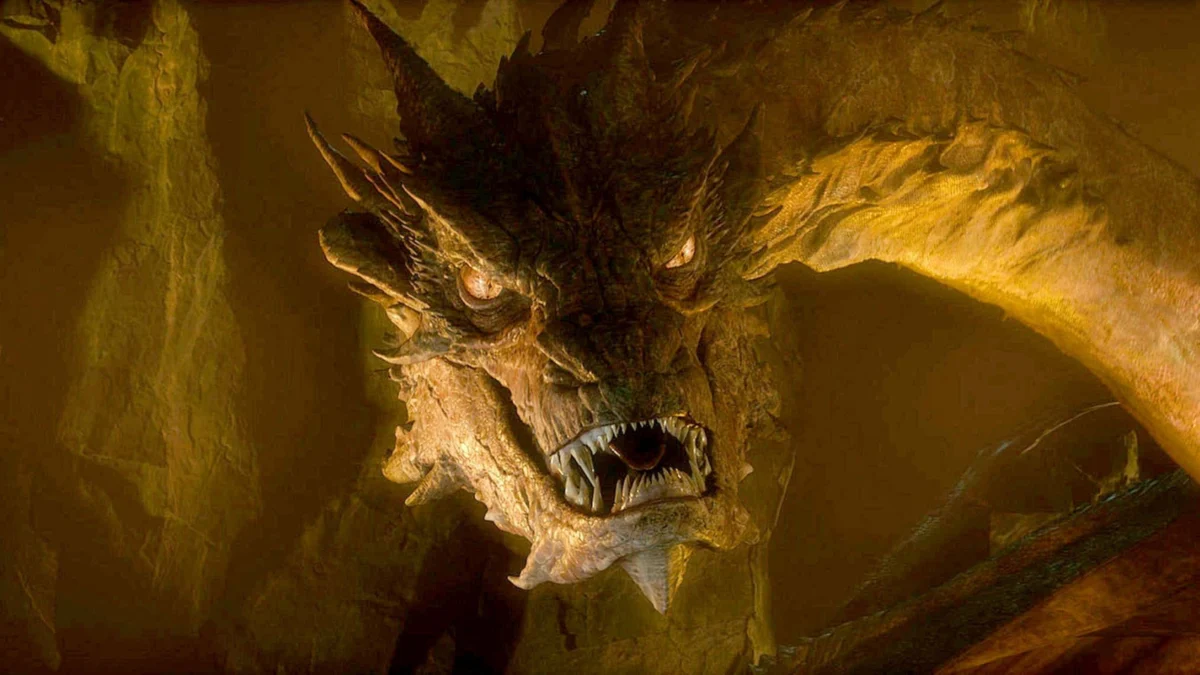
The legacy of J.R.R. Tolkien’s Middle-earth continues to cast a long shadow over the landscape of modern fantasy cinema. Decades after the initial publication of The Hobbit in 1937, the story of Bilbo Baggins has been transformed from a whimsical children’s tale into a multi-billion-dollar cinematic franchise. For fans looking to revisit the Shire or witness the desolation of Smaug from the comfort of their homes, the streaming landscape offers a variety of paths—some more straightforward than others.
Navigating the digital distribution of these films requires an understanding of the current "streaming wars" and the complex licensing agreements held by Warner Bros. Discovery and other media giants. This guide provides a definitive look at where to find every iteration of The Hobbit, the technical data behind the productions, and the industry implications of their current availability.
Main Facts: Where to Stream the Journey
As of late 2024, the primary digital home for the Hobbit franchise is Max (formerly HBO Max), the flagship streaming service for Warner Bros. Discovery. Because the films were produced under the New Line Cinema banner—a subsidiary of Warner Bros.—the platform serves as the central repository for Tolkien’s live-action world.
The Live-Action Trilogy (Theatrical Versions)
For viewers seeking the standard cinematic experience, Max offers all three of Peter Jackson’s films in their theatrical formats:
- The Hobbit: An Unexpected Journey (2012)
- The Hobbit: The Desolation of Smaug (2013)
- The Hobbit: Battle of the Five Armies (2014)
These versions are also accessible via the Max add-on channel through Amazon Prime Video, though a subscription to the Max service is still required.
The Extended Edition Dilemma
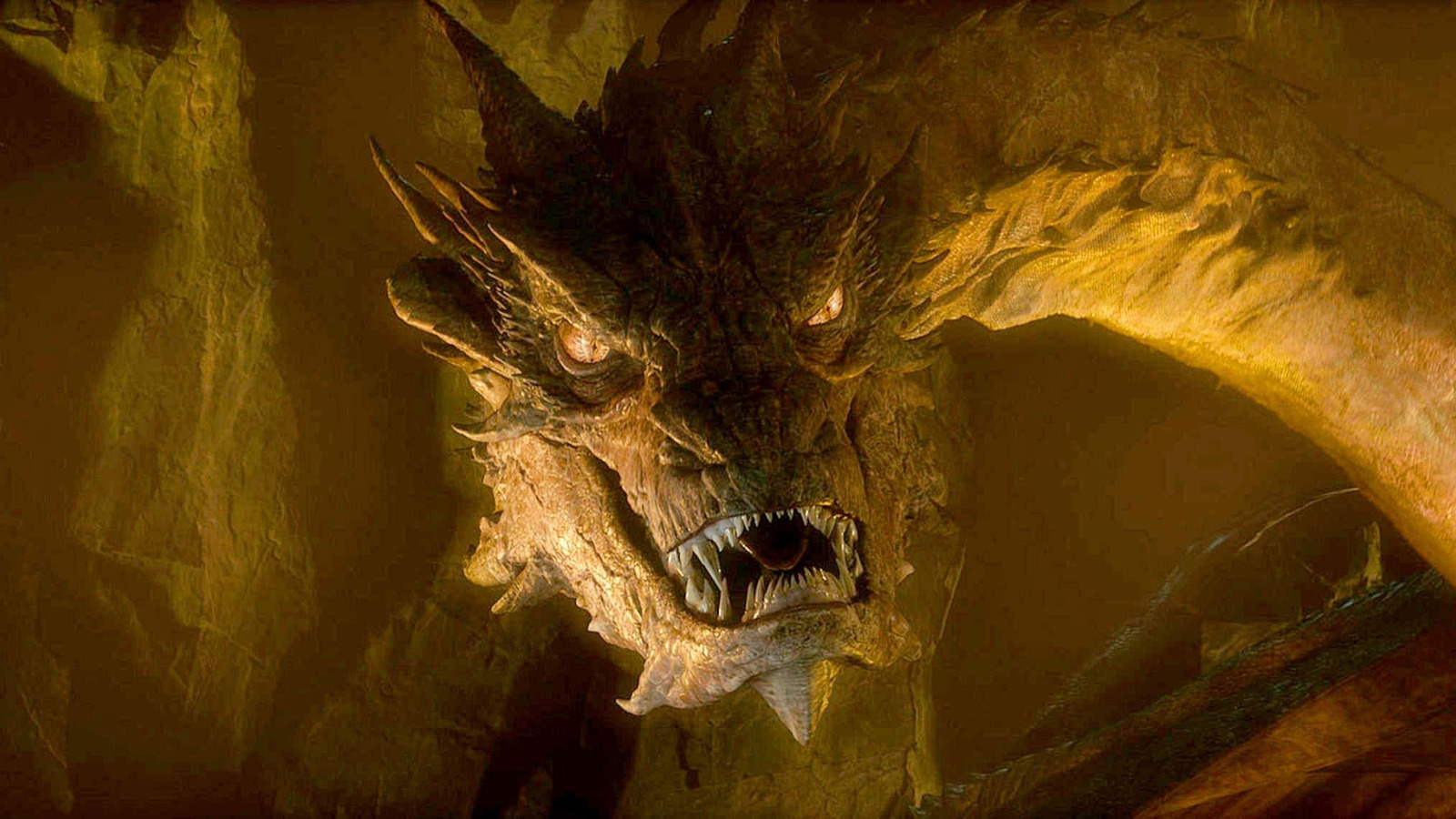
The "Extended Editions," which feature significant additional footage and deeper lore exploration, present a more fragmented viewing experience. Currently, The Desolation of Smaug and The Battle of the Five Armies (Extended) are available on Max. However, An Unexpected Journey (Extended Edition) frequently cycles out of streaming libraries due to licensing quirks. At this time, the first film’s extended cut often requires a digital rental or purchase via platforms like Apple TV, Vudu, or Amazon’s store.
The Animated Classic
For those seeking nostalgia or a more concise adaptation, the 1977 animated television special produced by Rankin/Bass is also currently hosted on Max. This 77-minute film remains a cult favorite for its unique art style and faithful adherence to the book’s tone.
Chronology: From the Page to the High-Frame-Rate Screen
The timeline of The Hobbit adaptations reflects the evolving technology and ambition of Hollywood over nearly five decades.
1977: The Animated Breakthrough
Long before Peter Jackson brought his visual effects wizardry to New Zealand, Rankin/Bass and Topcraft (a precursor to Studio Ghibli) created the first major visual adaptation of The Hobbit. Premiering on NBC, it used a distinct watercolor aesthetic and featured the voices of Orson Bean as Bilbo and John Huston as Gandalf. It distilled the entire novel into a brisk 77 minutes, focusing on the core narrative beats.
2007–2011: The Development Hell
Following the massive success of The Lord of the Rings trilogy, a Hobbit prequel was inevitable but legally fraught. A complex lawsuit between Peter Jackson and New Line Cinema, combined with MGM’s financial instability, delayed the project for years. Originally, Guillermo del Toro was slated to direct a two-film adaptation. When del Toro exited due to production delays in 2010, Peter Jackson stepped back into the director’s chair.
2012–2014: The Trilogy Era
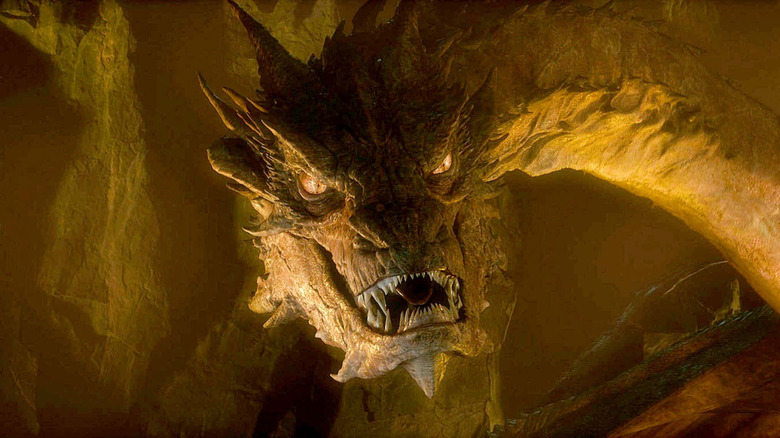
In a controversial move during production, the decision was made to expand the project from two films into a full trilogy. Jackson utilized the appendices of The Return of the King to integrate "The Quest of Erebor" and the "White Council" subplots, effectively turning a 300-page book into nearly nine hours of cinema (in the extended versions).
Supporting Data: Runtimes, Technical Specs, and Box Office
The scale of The Hobbit trilogy is best understood through its technical and financial metrics. The production was one of the most expensive in film history, with a combined budget estimated at over $745 million.
Comparative Runtimes
The difference between the theatrical and extended cuts is substantial, impacting the "marathon" potential for fans:
| Film | Theatrical Runtime | Extended Runtime | Additional Footage |
|---|---|---|---|
| An Unexpected Journey | 169 Minutes | 182 Minutes | 13 Minutes |
| The Desolation of Smaug | 161 Minutes | 186 Minutes | 25 Minutes |
| Battle of the Five Armies | 144 Minutes | 164 Minutes | 20 Minutes |
| Total Experience | 7 Hours, 54 Mins | 8 Hours, 52 Mins | 58 Minutes |
Technical Innovation
The Hobbit was a pioneer in High Frame Rate (HFR) cinematography. Jackson filmed the trilogy at 48 frames per second (fps) rather than the industry-standard 24 fps. While this was intended to increase clarity and reduce motion blur (especially for 3D), it received mixed reactions from audiences. On streaming platforms today, the films are typically presented in the standard 24 fps, though 4K UHD and Dolby Vision enhancements are available on Max for premium subscribers.
Global Impact
Despite critical debates regarding the pacing of the trilogy, the films were a massive commercial success. Each of the three installments grossed between $950 million and $1.01 billion worldwide, cementing the franchise’s status as a cornerstone of the Warner Bros. portfolio.
Official Responses and Licensing Context
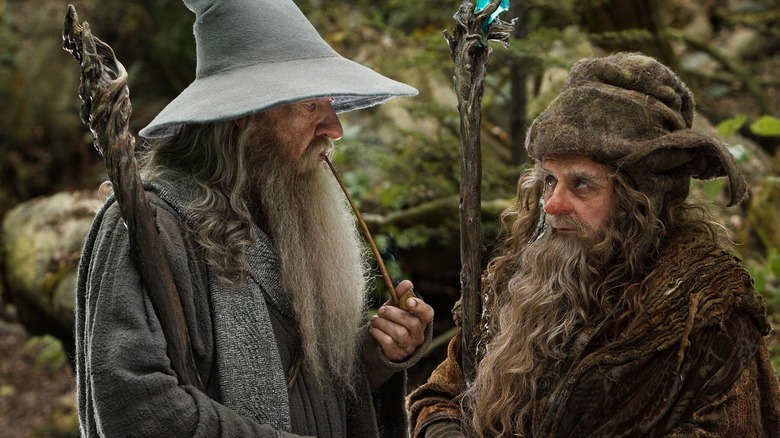
The availability of The Hobbit on streaming services is governed by the shifting priorities of Warner Bros. Discovery (WBD). Under the leadership of CEO David Zaslav, WBD has been strategic about "windowing"—the practice of moving content between different platforms to maximize licensing revenue.
The Licensing "Gods"
The reason why An Unexpected Journey (Extended) might be missing from a service while its sequels remain is often tied to pre-existing deals made with other broadcasters or international distributors. Because The Hobbit was a co-production between New Line and MGM (now owned by Amazon), the rights are more tangled than those of The Lord of the Rings.
Amazon’s Involvement
The acquisition of MGM by Amazon has created a unique situation where The Hobbit films are frequently promoted on Prime Video. While Amazon produced the Rings of Power series, they do not own the exclusive streaming rights to the Jackson films. This creates a "split" ecosystem where fans must navigate between Max for the movies and Prime Video for the TV series.
Implications: The Future of Middle-earth
The continued accessibility of The Hobbit films at home is crucial for the longevity of the brand, especially as the franchise enters a new era of expansion.
Paving the Way for The War of the Rohirrim
Warner Bros. is set to release The Lord of the Rings: The War of the Rohirrim, an animated feature, in late 2024. Ensuring that the original trilogies are easily accessible on Max is a key part of the marketing strategy to "prime" the audience for new theatrical entries. By keeping The Hobbit and The Lord of the Rings as "evergreen" content on their platform, Max maintains a competitive edge against Disney+ and Netflix.
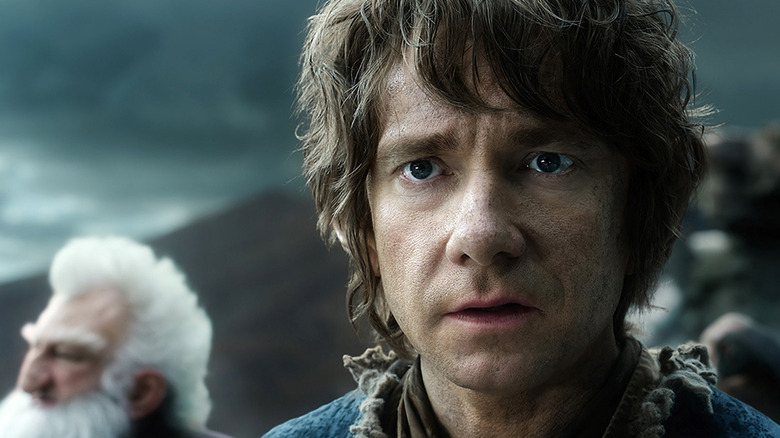
The Legacy of the Extended Cuts
The fragmented availability of the Extended Editions highlights a growing concern for cinephiles: the "digital rot" of special features. For many fans, the Extended Editions are considered the definitive versions of the story, as they include vital character beats for the dwarves and more coherent battle sequences. The fact that fans may have to purchase these separately, despite paying for a subscription, suggests a future where "premium" versions of classic films remain behind a secondary paywall.
Conclusion
Whether you choose the brisk, whimsical animation of 1977 or the sweeping, high-definition grandeur of Peter Jackson’s trilogy, The Hobbit remains a foundational pillar of home cinema. While the streaming landscape remains subject to the whims of licensing agreements, Max remains the most reliable "Bag End" for fans looking to start their adventure. As the Tolkien legendarium continues to grow with new series and films, the original journey of a small hobbit from a quiet hole in the ground remains as relevant—and accessible—as ever.

Leave a Comment