The Future of Immersive Play: Analyzing the VR Games Showcase Summer 2026
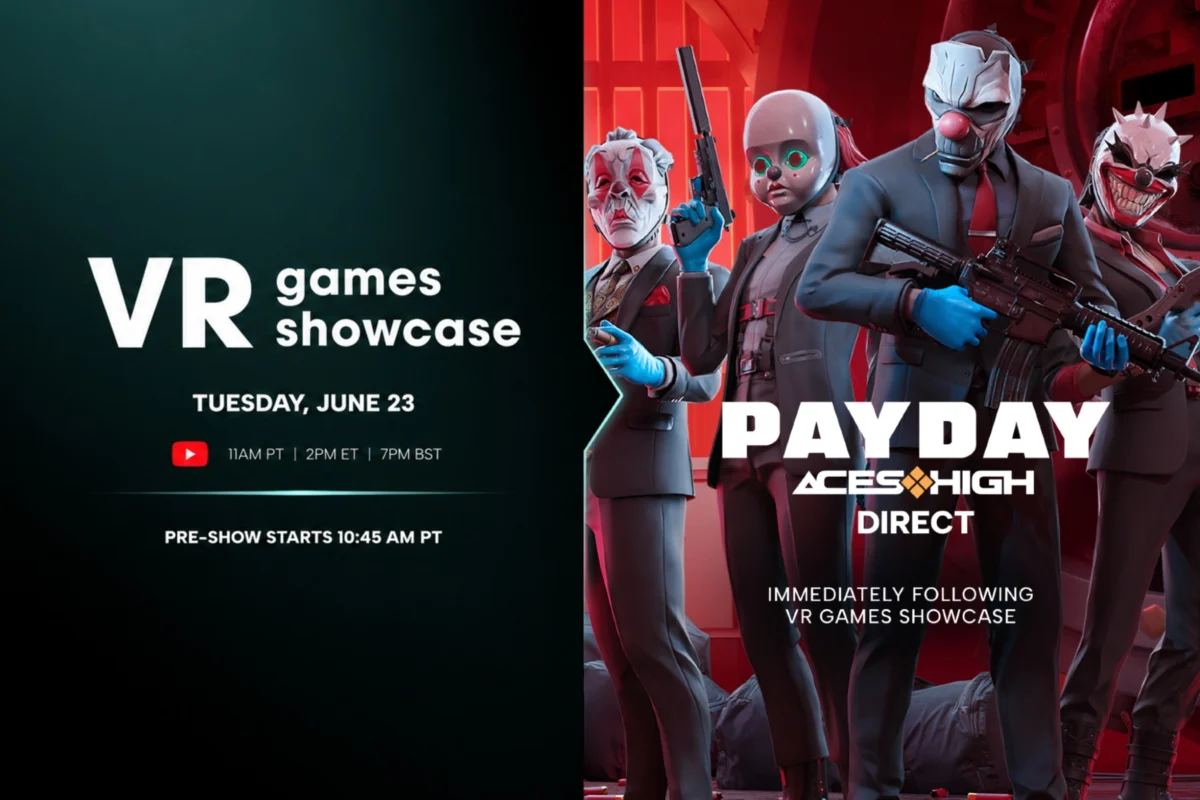
The landscape of virtual reality is standing at a critical juncture in mid-2026. As hardware becomes more accessible and the boundary between traditional gaming and spatial computing continues to blur, the industry’s eyes are turning toward the upcoming VR Games Showcase Summer 2026. Scheduled to broadcast on June 23rd, this event represents more than just a collection of trailers; it is a barometer for the health and direction of an industry that has transitioned from a niche enthusiast market into a cornerstone of modern digital entertainment.
With a lineup featuring heavy-hitting sequels, simulation stalwarts, and the rise of "Flat-to-VR" ports, the showcase promises to be the most significant event in the VR calendar this year.
I. Main Facts: The Logistics of the Showcase
The VR Games Showcase Summer 2026 is the sixth iteration of the digital event, which has grown from a grassroots initiative into a major industry tentpole. The event is strategically timed to coincide with the broader summer gaming season, ensuring maximum visibility as the "E3-style" window of announcements captures the global gaming audience.
Date, Time, and Accessibility
The main event is slated to go live on June 23, 2026, at 11:00 AM PT. In an effort to reach the widest possible audience, the organizers have secured a multi-channel broadcasting strategy. The showcase will be available on the official VR Games Showcase YouTube channel, and in a move that signals the growing mainstream relevance of VR, it will also be simulcast on IGN’s YouTube channel.
Platform Coverage
Unlike platform-exclusive events (such as those hosted by Meta or Sony), the VR Games Showcase is platform-agnostic. The Summer 2026 edition will feature content for:
- Meta Quest Ecosystem: Focusing on the latest standalone capabilities of the Quest 3 and the rumored "Quest 3S" or "Pro" iterations.
- PlayStation VR 2 (PSVR 2): Highlighting Sony’s continued, albeit scrutinized, support for high-end tethered console VR.
- PC VR: Catering to the enthusiast market using Valve Index, Bigscreen Beyond, and various Windows Mixed Reality successors.
Key Titles and Studios
Co-creator Jamie Feltham has confirmed several high-profile appearances. The headline acts include:
- Payday: Aces High Korea
- IL-2 Series (a major win for the flight simulation community)
- Guardians Planetfall
- Hot Dogs, Horseshoes & Hand Grenades 2 (H3VR 2)
- The Lightkeepers
Additionally, the show will feature more than five world premieres from both established studios and emerging independent developers.
II. Chronology: The Structure of the Event
The organizers have designed a three-tier programming structure to ensure that every facet of the VR industry—from "garage" indies to AAA publishers—receives its due spotlight.
1. The Indie Pre-Show (10:45 AM PT)
Fifteen minutes before the main curtain rises, Creative Director Zeena Al-Obaidi will host a dedicated pre-show. This segment is designed to combat the "visibility crisis" often faced by smaller developers. By carving out a specific time for indie titles like Daumier: Lila & Ghost, the showcase ensures that experimental and artistic VR projects aren’t overshadowed by big-budget sequels.
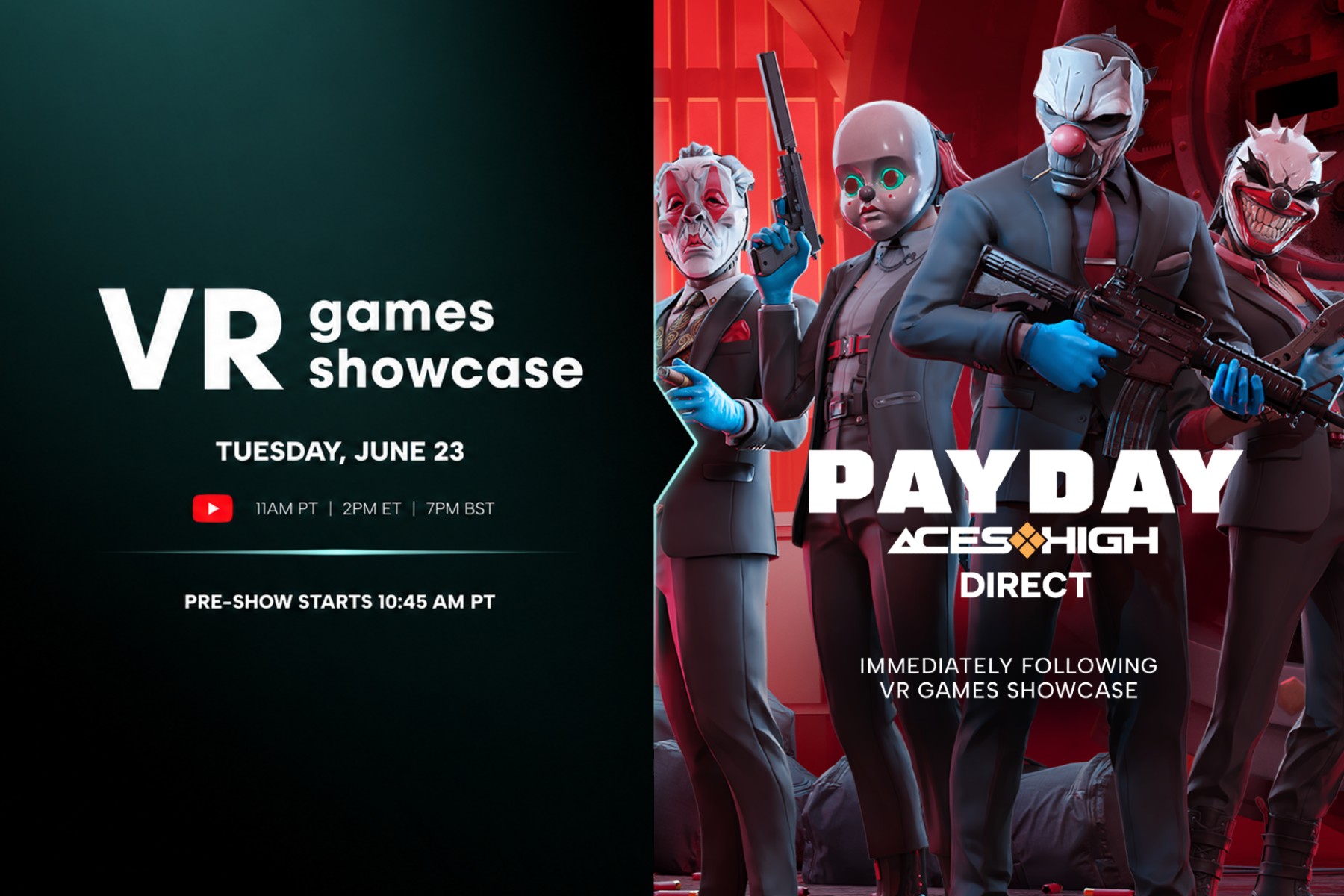
2. The Main Showcase (11:00 AM PT)
The core broadcast will be a fast-paced, "all-killer-no-filler" presentation of trailers and gameplay reveals. This segment is expected to run for approximately 60 to 90 minutes, focusing on high-fidelity visuals and major IP expansions. The involvement of studios like Triangle Factory (known for Breachers) and Flat2VR Studios suggests a focus on competitive multiplayer and high-quality ports.
3. The ‘Payday: Aces High’ Direct (Post-Show)
Immediately following the conclusion of the main showcase, Fast Travel Games will take over the stream for a "Direct" style deep dive. This focused presentation will provide an exhaustive look at Payday: Aces High Korea, including mechanics, heist structures, and perhaps most importantly, how the title leverages 2026-era VR hardware features like eye-tracking and haptic feedback.
III. Supporting Data: The Games and Studios Driving Growth
To understand the weight of this showcase, one must look at the specific titles and the pedigree of the developers involved.
The Impact of ‘Payday: Aces High Korea’
The Payday franchise has a complicated history with VR, beginning with a VR mode for Payday 2 that was beloved by fans but limited by the technology of its time. Aces High Korea represents a ground-up VR build. Developed by Fast Travel Games—a studio that has become a powerhouse in the VR space with titles like Vampire: The Masquerade – Justice—this game is expected to be a system-seller for cooperative multiplayer enthusiasts.
The Simulation Standard: ‘IL-2 Series’
The flight simulation community is one of the most loyal and high-spending demographics in VR. The inclusion of the IL-2 Series indicates a push toward "prosumer" level experiences. In 2026, with the advancement of foveated rendering, the IL-2 series is expected to offer a level of cockpit realism that was previously only available in multi-thousand-dollar professional simulators.
The Sequel Factor: ‘H3VR 2’
Hot Dogs, Horseshoes & Hand Grenades (H3VR) is often cited as the gold standard for VR weapon physics. A sequel suggests a massive overhaul of the physics engine, likely taking advantage of the increased CPU power found in modern standalone headsets. This title is a "community darling," and its presence ensures engagement from the core VR enthusiast base.
The Rise of Flat2VR Studios
One of the most talked-about entities in the 2026 landscape is Flat2VR Studios. Born from the modding community, this professional outfit specializes in bringing legendary non-VR titles into the immersive space. Their involvement in the showcase suggests that a major "flat" gaming IP may be announced as a native VR port, a strategy that has proven successful in bridging the gap for hesitant consumers.
IV. Official Responses and Industry Context
While official statements from the organizers are concise, the subtext of their announcements reveals a great deal about the current state of the industry.
Jamie Feltham, Co-creator of the VR Games Showcase, emphasized the diversity of the lineup, stating that the show aims to represent the "entirety of the VR spectrum." This is a response to criticisms that previous years focused too heavily on "wave shooters" or tech demos. By including Triangle Factory and Fast Travel Games, the organizers are signaling that VR has moved into a "mature content" phase.

Zeena Al-Obaidi, Creative Director, has been vocal about the role of the Pre-Show. In industry circles, her focus on the indie scene is seen as a vital "incubator" for the next generation of VR hits. "The indie scene is where the most daring innovations in comfort and interaction are happening," Al-Obaidi noted in a previous press briefing.
The IGN Partnership
The decision by IGN to simulcast the event is a significant "Official Response" from the mainstream gaming press. In previous years, VR was often relegated to side-stages or specific "VR days." A primetime summer simulcast suggests that IGN’s data shows a high level of "VR-curious" mainstream gamers who are finally ready to invest in the hardware.
V. Implications: What This Means for the 2026 Ecosystem
The Summer 2026 Showcase arrives at a moment when the "VR Wars" have shifted from hardware specs to content libraries.
1. The Maturation of Standalone Hardware
By 2026, the Quest 3 is the "baseline" for development. The games revealed at this showcase will likely demonstrate how far developers have come in optimizing for mobile chipsets. We are seeing a move away from stylized, low-poly graphics toward more realistic environments, facilitated by better AI-upscaling and shaders.
2. The Persistence of High-End VR
Despite the dominance of standalone units, the inclusion of IL-2 and PC VR/PSVR 2 titles shows that there is still a robust market for high-fidelity, tethered experiences. This showcase may be a "make or break" moment for the PSVR 2, as fans look for evidence that Sony is willing to match Meta’s content cadence.
3. The "Service" Model in VR
With Payday and Guardians Planetfall, we are seeing the "Games as a Service" (GaaS) model firmly take root in VR. These titles are designed for hundreds of hours of play, featuring seasonal updates and social hubs. This shift is crucial for the industry’s financial sustainability, moving away from "one-and-done" tech demos toward long-term player retention.
4. The Bridge to Spatial Computing
Finally, the showcase occurs in the shadow of the broader "Spatial Computing" movement. As headsets become lighter and more multi-purpose, the games shown here will likely incorporate more Mixed Reality (MR) elements. The boundary between "playing a game" and "interacting with a digital layer over reality" is the next frontier, and the VR Games Showcase Summer 2026 will be the first major look at how developers are navigating this transition.
In conclusion, the June 23rd event is not just a marketing exercise; it is a declaration of intent for the VR industry. With a mix of beloved sequels and groundbreaking new IPs, the showcase is set to prove that virtual reality is no longer the "future" of gaming—it is very much the present.