
The Genesis of an Icon: Clint Eastwood’s Pivotal Turn on ‘Maverick’ and the Dawn of the Modern Western
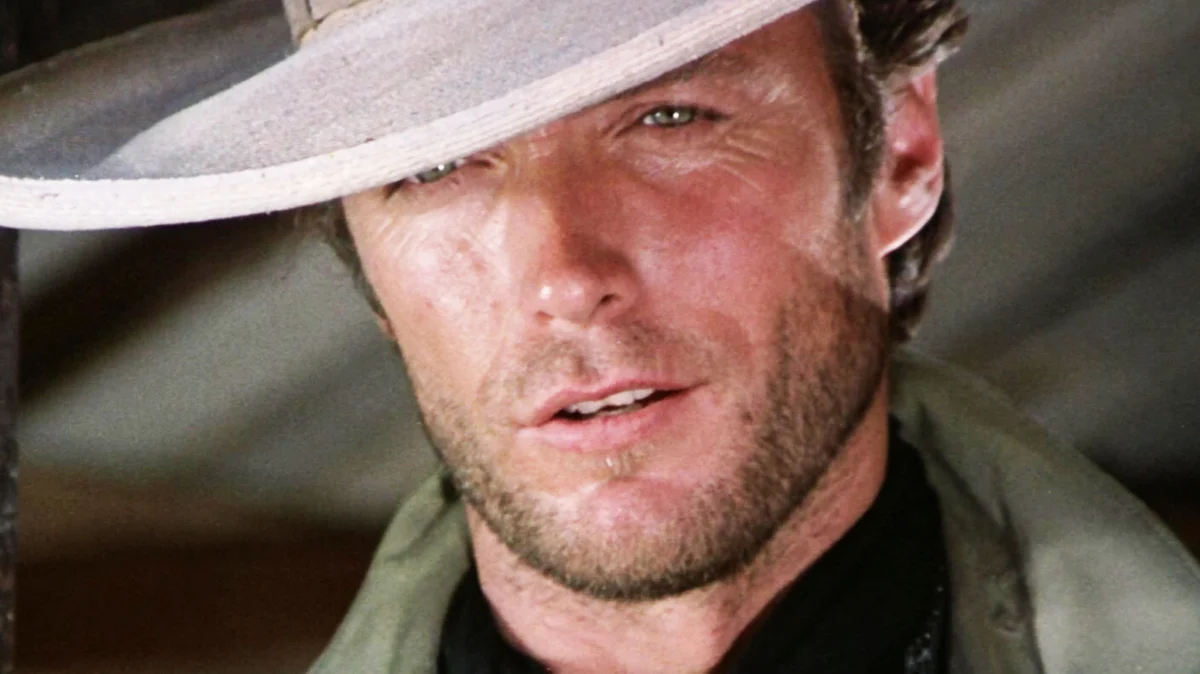
In the pantheon of American cinema, few figures loom as large as Clint Eastwood. To the modern audience, he is the definitive silhouette of the Old West—a squinting, cigarillo-chewing arbiter of justice whose silence speaks louder than a gunshot. However, before the "Man with No Name" trilogy redefined the genre and before Dirty Harry patrolled the streets of San Francisco, Eastwood was a journeyman actor navigating the rigid studio systems of 1950s television.
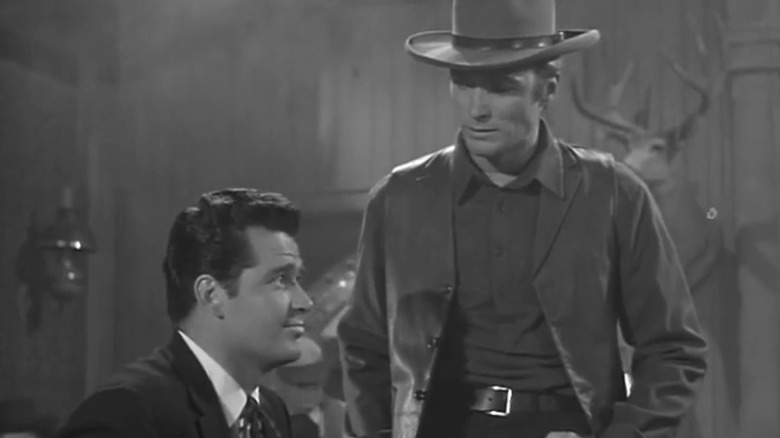
While his long-running tenure as Rowdy Yates on Rawhide is widely cited as his "big break," a singular, high-stakes appearance on another beloved series served as the true litmus test for his burgeoning star power. On February 1, 1959, Eastwood guest-starred in an episode of Maverick titled "Duel at Sundown," marking a rare moment where two of the era’s most charismatic leading men—Eastwood and James Garner—went head-to-head. This encounter did more than just fill a time slot; it captured the transition of the Western hero from the traditional moralist to the complex, often dangerous anti-hero.
Main Facts: The Clash of Red Hardigan and Bret Maverick
In 1959, the television landscape was saturated with Westerns. Shows like Gunsmoke, Bonanza, and Wagon Train dominated the airwaves. Among them, Maverick stood out for its irreverence. Created by Roy Huggins, the show followed Bret Maverick (James Garner), a card-playing drifter who preferred to use his wits and a well-timed bluff rather than a Colt .45.
In "Duel at Sundown," the 19th episode of the second season, Eastwood was cast against type as the antagonist, Red Hardigan. Unlike the heroic, boyish Rowdy Yates he was simultaneously portraying on Rawhide, Hardigan was a menacing, arrogant gunslinger. The plot centers on Hardigan’s intent to marry Carrie (Abby Dalton), the daughter of a wealthy rancher and friend of Bret Maverick. Maverick is hired to intervene, leading to a psychological and physical confrontation between the seasoned gambler and the volatile young gunman.
The episode is historically significant for three primary reasons:
- The Subversion of the Hero: Eastwood, who would later become the ultimate Western protagonist, here played a bully who is eventually outsmarted rather than outdrawn.
- The Directorial Link: The episode was directed by Arthur Lubin, a mentor to Eastwood who was instrumental in securing his early contracts at Universal-International.
- The Ratings Peak: At the time of airing, Maverick was a cultural phenomenon, often beating The Ed Sullivan Show in ratings. This provided Eastwood with his largest audience to date.
Chronology: From Bit Parts to the "Biggest Guest Appearance"
To understand the weight of Eastwood’s Maverick appearance, one must look at the grueling climb that preceded it.
1954–1957: The Universal Years
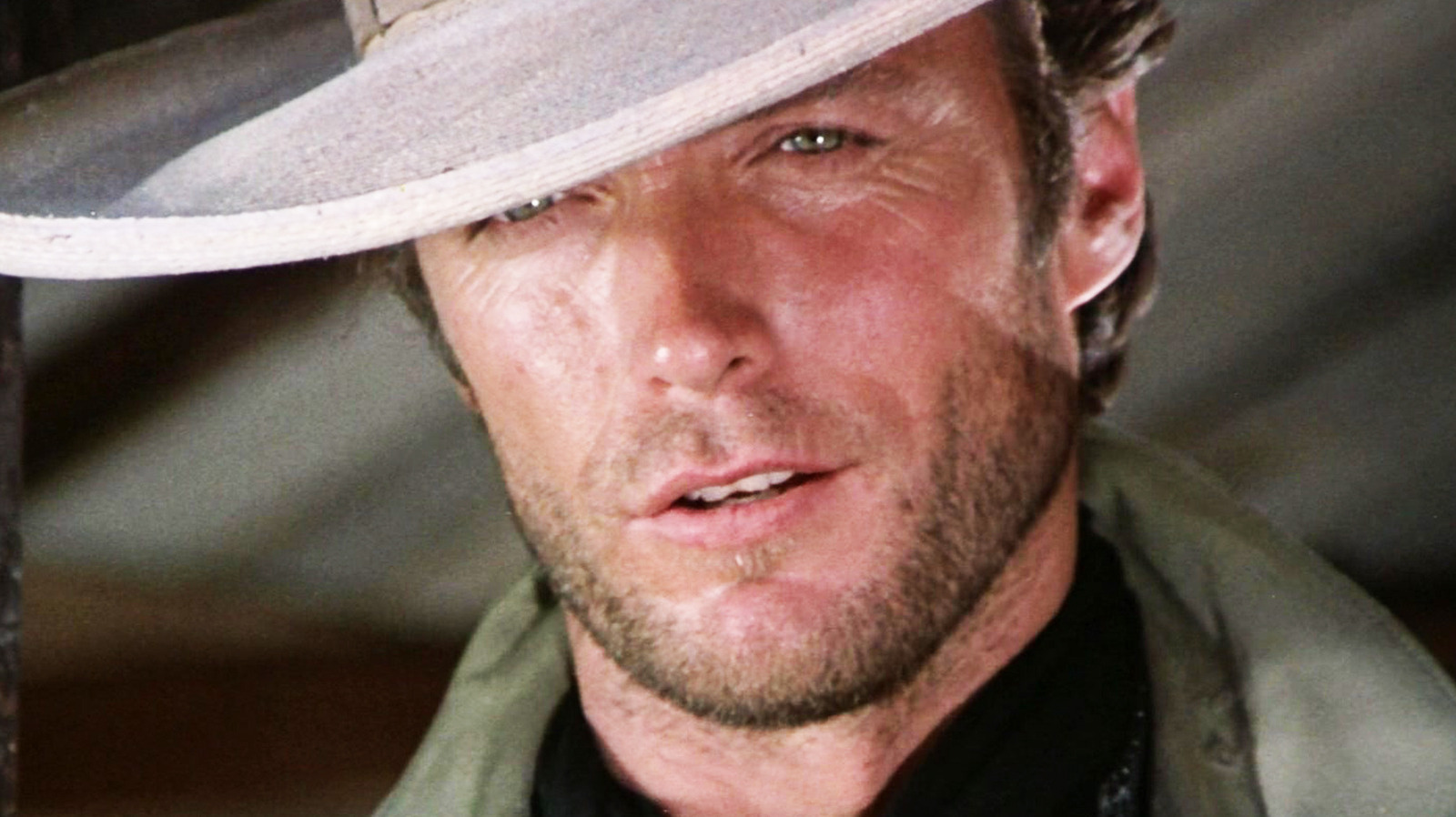
Eastwood’s early career was defined by uncredited or minor roles. He appeared as a lab technician in Revenge of the Creature (1955) and a jet pilot in the giant-spider flick Tarantula (1955). During this period, he was often criticized by studio executives for his stiff delivery and his tendency to squint—ironically, the very traits that would later become his trademarks.
1958: The Nadir
In 1958, Eastwood starred in Ambush at Cimarron Pass. He would later famously describe the film as "the worst movie ever made," noting that he felt so discouraged by his performance and the film’s quality that he considered quitting the industry entirely.
January 1959: The Arrival of Rawhide
Everything changed in early 1959. Rawhide premiered on CBS, casting Eastwood as the "ramrod" Rowdy Yates. While Yates was a co-lead, he was initially written as the younger, more hot-headed foil to Eric Fleming’s stoic Gil Favor.
February 1959: The Maverick Breakthrough
Just one month after Rawhide debuted, "Duel at Sundown" aired on ABC. Because Rawhide was still in its infancy, the Maverick guest spot was actually the role that solidified Eastwood’s reputation among industry insiders. As biographer Patrick McGilligan noted in Clint: The Life and Legend, this was "his most substantial guest appearance in a top series," offering him a level of screen time and character depth he hadn’t yet achieved elsewhere.
Supporting Data: The Anatomy of "Duel at Sundown"
The production of "Duel at Sundown" provides a fascinating look at the "factory" style of 1950s television production, yet it displays a craft that elevated it above its peers.
The Script and Strategy:
The episode’s climax is a masterclass in the Maverick philosophy. Bret Maverick realizes he cannot beat Red Hardigan (Eastwood) in a fair gunfight. Instead, he orchestrates a complex "con." He enlists his brother, Bart Maverick (Jack Kelly), to pose as the legendary gunfighter John Wesley Hardin. Bret stages a fake duel where he appears to outdraw and "kill" the famous outlaw. Terrified by Maverick’s supposed prowess, Eastwood’s Hardigan backs down and flees town.
Character Analysis:
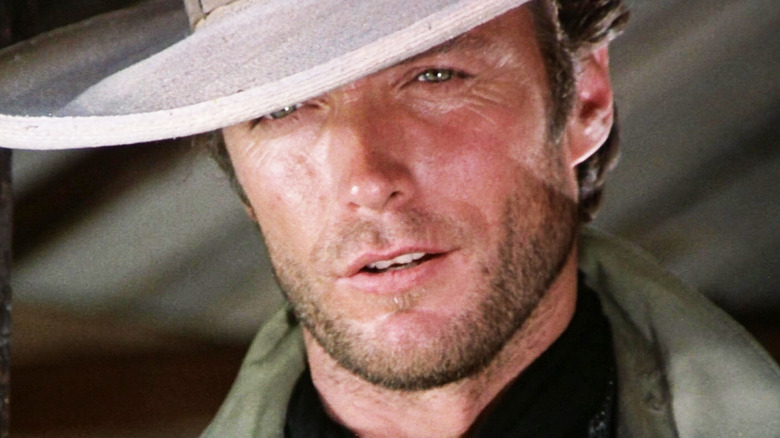
Eastwood’s portrayal of Red Hardigan is a fascinating precursor to his later work. Even as a villain, he possessed a "dangerous" charisma. He didn’t play Hardigan as a mustache-twirling caricature; he played him with a slow, deliberate physicality. This "economy of movement" would become the foundation of his performance in Sergio Leone’s A Fistful of Dollars five years later.
Production Metrics:
- Network: ABC
- Production Studio: Warner Bros. Television
- Director: Arthur Lubin (who also directed Eastwood in The First Traveling Saleslady)
- Guest Cast: Included Edgar Buchanan, a Western staple who would later star in Petticoat Junction.
Official Responses and Critical Retrospectives
While contemporary reviews of 1950s TV episodes are sparse, the retrospective view from film historians and the actors themselves paints a vivid picture of the production’s impact.
James Garner’s Perspective:
In his later years, James Garner spoke fondly of working with Eastwood. Garner, known for his easy-going nature, reportedly enjoyed the contrast between his "reluctant hero" and Eastwood’s "intense" energy. Garner noted that even then, Eastwood had a presence that made it difficult to look at anyone else on screen.
Eastwood’s Reflection:
Eastwood has often looked back at his TV guest spots as his "schooling." He credited directors like Arthur Lubin for teaching him the technical aspects of the camera. While he was frustrated by the "white hat/black hat" simplicity of early television, he recognized that roles like Red Hardigan allowed him to experiment with being the "heavy," a role he would eventually subvert to become the "anti-hero."
Historical Criticism:
Film historian Howard Hughes (author of Stagecoach to Tombstone) suggests that the Maverick appearance was crucial because it proved Eastwood could hold his own against an established star. "In ‘Duel at Sundown,’ Eastwood wasn’t just a supporting player; he was the engine of the episode’s conflict," Hughes noted. "He forced Garner to be at his best."
Implications: The Road to ‘Space Cowboys’ and Beyond
The encounter between Eastwood and Garner in 1959 had long-reaching implications for the Western genre and the careers of both men.
1. The Death of the Traditional Western
The fact that Bret Maverick—a "cowardly" gambler—defeated the "deadly" Clint Eastwood through trickery signaled a shift in the genre. It moved the Western away from the moral simplicity of the 1940s and toward the psychological complexity of the 1960s. It paved the way for the "Revisionist Western."
2. The Leone Connection
When Sergio Leone was looking for an American actor to play the lead in A Fistful of Dollars in 1963, he wasn’t looking for a traditional hero. He wanted someone who could look lethal while doing very little. The DNA of that performance can be traced directly back to the stillness Eastwood displayed as Red Hardigan.
3. A 40-Year Full Circle
The professional relationship between Eastwood and Garner, forged in the dusty streets of the Warner Bros. backlot, culminated decades later. In 2000, Eastwood directed and starred alongside Garner in Space Cowboys. The film, which follows aging pilots sent into space, served as a meta-commentary on their shared history. The two men, who once fought over a girl and a poker pot in 1870s Texas, were now the elder statesmen of Hollywood, representing the end of an era.
4. Legacy of the "TV Western"
Eastwood’s journey from a guest villain on Maverick to the director of Unforgiven (1992) illustrates the evolution of the American mythos. He learned the rules of the Western on 1950s television so that he could eventually break them on the big screen.
In conclusion, "Duel at Sundown" remains more than a trivia answer for Eastwood fans. It is a vital document of a superstar in the making. It showcases a young actor discovering the power of his own image, standing toe-to-toe with one of the greats, and beginning a journey that would eventually lead him to become the most influential Western figure in cinematic history. Without the arrogant sneer of Red Hardigan, we might never have had the cool, calculated squint of the Man with No Name.


Leave a Comment