
The Sidelined Pioneer: How Network Meddling Diminished Uhura’s Role in Star Trek
Main Facts: The Battle for the Bridge
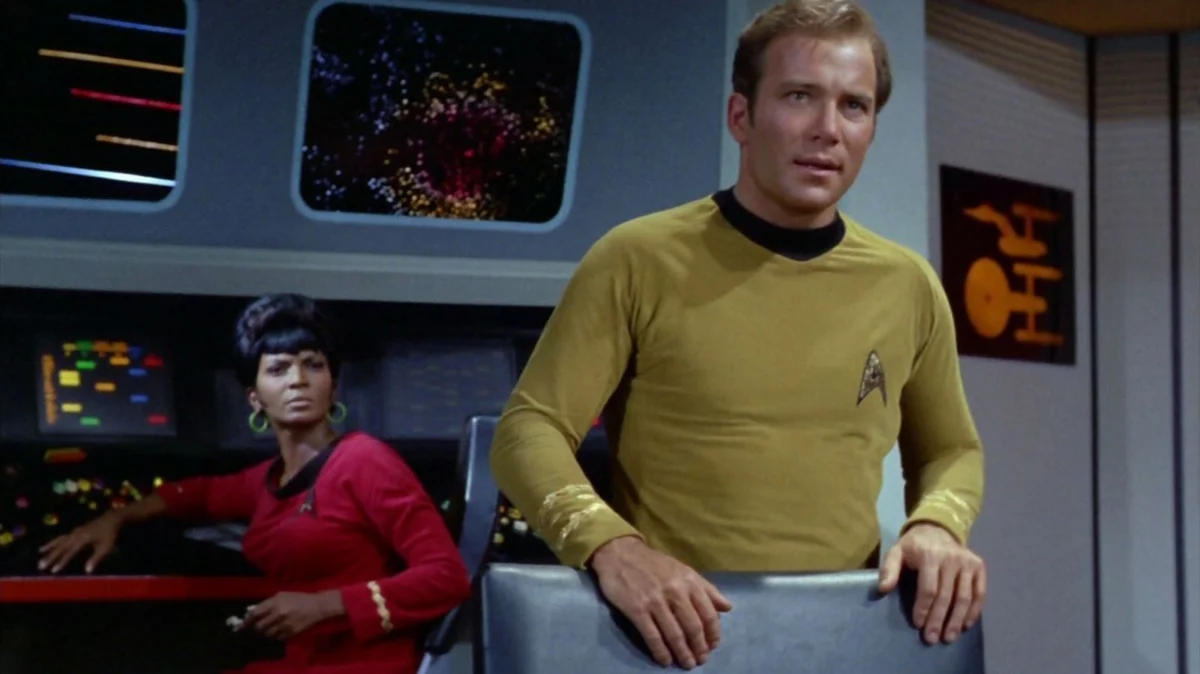
For nearly sixty years, Star Trek has been hailed as a beacon of progressive ideals, a televised manifesto for a future where humanity has transcended the petty prejudices of race, gender, and nationality. At the heart of this utopian vision was the bridge of the USS Enterprise, a multicultural command center that famously featured Lieutenant Nyota Uhura, portrayed by Nichelle Nichols. As the ship’s communications officer, Uhura was a revolutionary figure: a Black woman in a position of authority, technical expertise, and poise.
However, behind the scenes of the 1960s production, the reality was far less harmonious than the fiction projected onto television screens. While series creator Gene Roddenberry fought to establish an ensemble cast that reflected a united Earth, he faced consistent and systemic opposition from the "overlords" at the network—then CBS (now Paramount).
Newly resurfaced accounts and archival interviews, specifically from Nichols’ 1994 autobiography Beyond Uhura: Star Trek and Other Memories and a 1996 interview with Cinefantastique Magazine, reveal a concerted effort by studio executives to diminish Uhura’s presence. Despite Roddenberry’s original scripts frequently featuring substantial storylines and dialogue for Nichols, the network’s intervention during the rewrite process systematically stripped the character of her agency and screen time. This meddling not only frustrated the actress but also highlighted the profound gap between the show’s radical philosophy and the conservative industry standards of the mid-20th century.
Chronology: From Script to Screen—The Erasure of a Lead
The evolution of a Star Trek episode followed a rigid production pipeline, and it was within this process that Uhura’s role was often diluted. In the world of television production, scripts are color-coded to track revisions. The "white pages" represent the first draft, followed by blue, pink, yellow, and green as changes are made.
Nichols recalled that in the early stages of production—the "white page" phase—her character was often central to the drama. Roddenberry, committed to his vision of equality, wrote Uhura as a strong, vocal, and indispensable member of the command team. However, as the scripts moved through the network’s approval process, those roles were systematically whittled away.
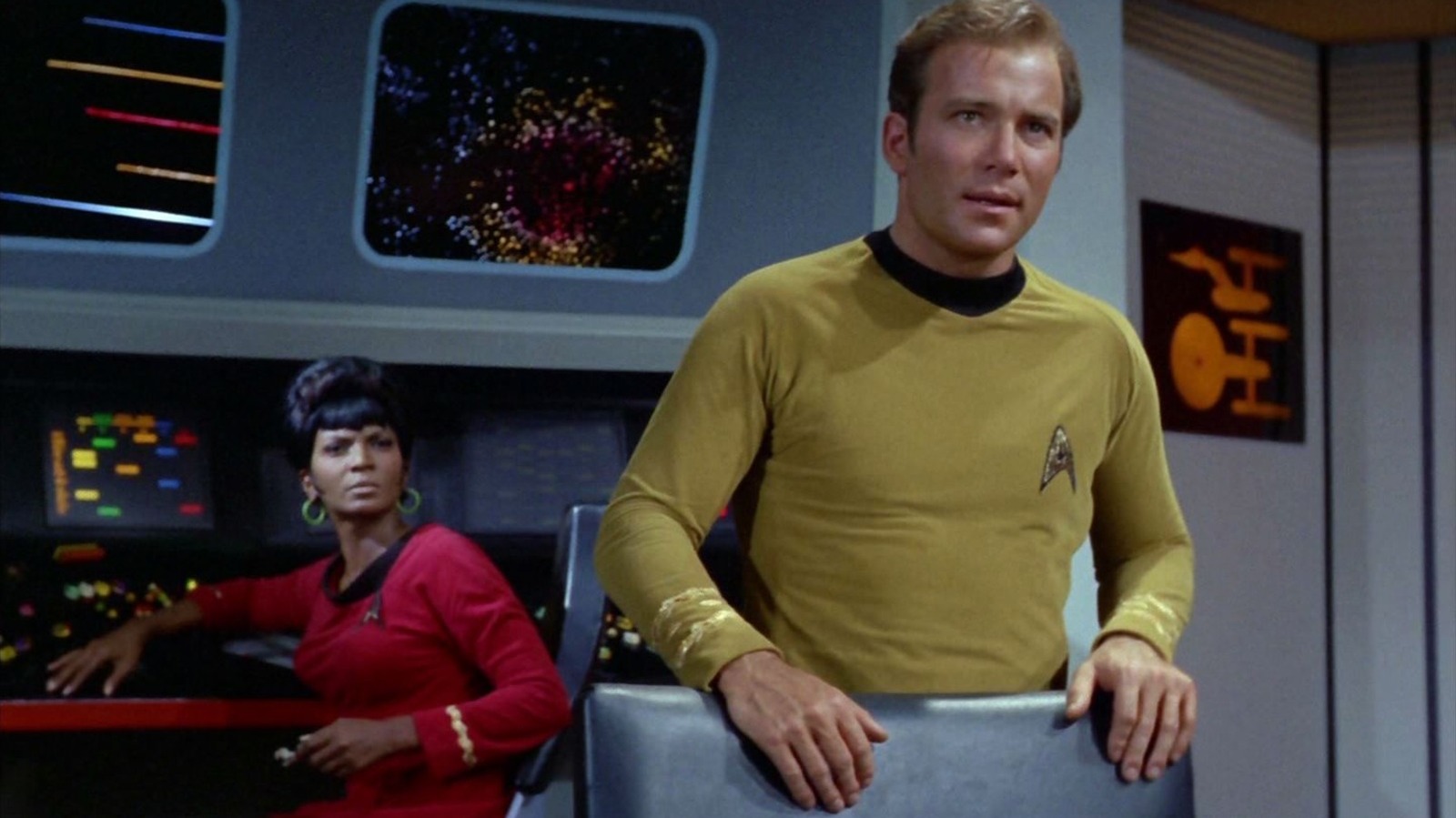
- 1966: The Launch of a Vision: In the first season, Star Trek struggled to find its footing with the network. While Roddenberry secured the inclusion of Nichols and George Takei (Sulu), the network insisted that only William Shatner (Kirk) and Leonard Nimoy (Spock) receive opening credit billing.
- 1966–1967: The Rewrite Cycle: Nichols noted that she eventually stopped reading the initial "white pages" of scripts because the disappointment of seeing her role reduced in the final shooting drafts was too painful. By the time the cameras rolled, her complex scenes were often replaced with the now-iconic, yet limiting, line: "Hailing frequencies open, Captain."
- 1967: The Turning Point: Frustrated by the constant reduction of her character to what she felt was a "glorified telephone operator," Nichols prepared to resign from the series at the end of the first season to pursue a career on Broadway.
- The MLK Intervention: It was during this pivotal moment that Dr. Martin Luther King Jr., a fan of the show, famously intervened. Meeting Nichols at an NAACP fundraiser, he urged her not to quit, stating that her role was the first time Black people were being seen on television as they should be seen: as equals, professionals, and heroes.
- 1991: Final Recognition: The systemic "lower-tier" status of the ensemble cast persisted for decades. It was not until the final film featuring the original cast, Star Trek VI: The Undiscovered Country, that Nichols, Takei, Walter Koenig, James Doohan, and DeForest Kelley finally received equal billing in the opening credits.
Supporting Data: The Architecture of 1960s Television
The network’s resistance to a prominent role for Uhura was rooted in both the "Star System" of the era and the broader social anxieties of 1960s America.
The "Two-Star" Mandate
During the 1960s, television networks were largely uncomfortable with the concept of an ensemble cast. The prevailing industry logic dictated that a show needed one or two clear leads to anchor the audience’s loyalty. In the case of Star Trek, those leads were Kirk and Spock. The network viewed any deviation from this focus—such as giving Uhura or Sulu their own subplots—as a risk that could dilute the "star power" of the leads. Nichols noted that the industry "simply was not ready for more than two stars on a show."
The Roddenberry Rule
Adding to the difficulty was the "Roddenberry Rule," a mandate from the creator that prohibited interpersonal conflict between the main characters. Roddenberry believed that in the 23rd century, humanity would have outgrown petty bickering. While noble, this rule made it difficult for writers to create drama for the supporting cast. If Uhura couldn’t disagree with Kirk or Spock, and the network refused to give her independent missions, her character was frequently relegated to the background of the bridge.
Racial and Gender Barriers
While Nichols rarely attributed the meddling solely to overt racism in her early interviews, the subtext of the era is undeniable. In 1966, a Black woman in a position of authority was a direct challenge to the status quo. By reducing Uhura’s lines and keeping her "in the frame but out of the action," the network could technically claim they were fulfilling Roddenberry’s diversity requirement while simultaneously minimizing the "disruption" to audiences in more conservative regions.
Official Responses and Perspectives: A Legacy of Frustration
Nichelle Nichols’ reflections provide the most poignant "official" record of this struggle. In her 1996 Cinefantastique interview, she was candid about the emotional toll of the network’s interference:
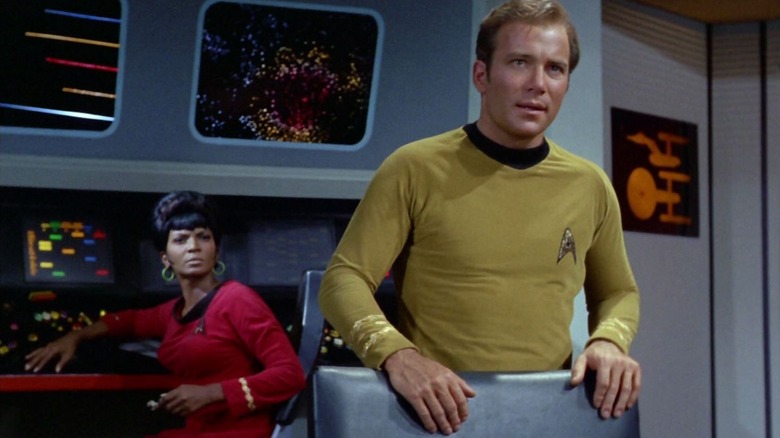
"That was part of the disappointment. There were wonderful roles written. Gene really meant to achieve that equality of the people… What happened is that it kept getting killed in the rewrites. It was so frustrating, that finally I would not read the white pages. I would wait until the final one, and then deal with it."
Nichols also emphasized that the fans were the ones who ultimately saw through the network’s attempts to sideline her. While the studio didn’t know how to market an ensemble, the "Trekkies" embraced the entire bridge crew as a family.
Gene Roddenberry’s perspective, documented by various biographers, suggests a man constantly at war with the "suits." While Roddenberry was often criticized by writers for his rigid rules, his commitment to Nichols was unwavering. He reportedly hid her race from some executives during the initial casting process to ensure she got the part, and he continued to write "strong" versions of her character, even knowing they might be gutted by the network’s Standards and Practices department.
Implications: The Long Shadow of Uhura
The meddling of CBS executives in the 1960s had lasting implications for the Star Trek franchise and the broader landscape of science fiction.
The "Uhura Effect"
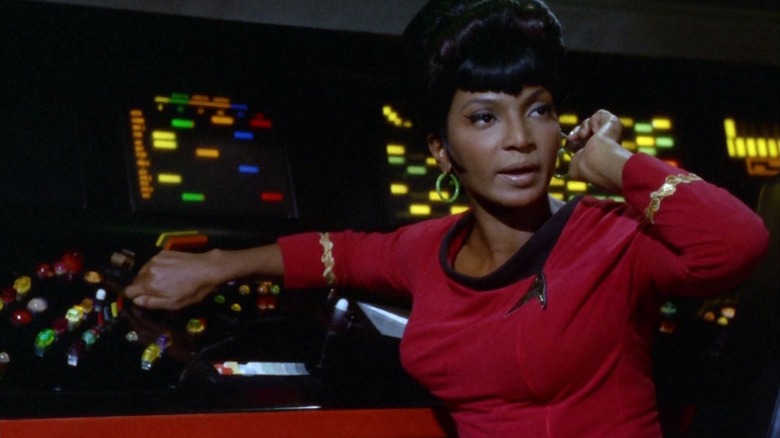
Despite the reduction of her role, the "mere presence" of Nichelle Nichols changed history. The famous anecdote of a young Whoopi Goldberg seeing Uhura on screen and shouting, "There’s a Black woman on television, and she ain’t no maid!" illustrates the power of representation, even when that representation is limited by script rewrites. This phenomenon, often called the "Uhura Effect," inspired an entire generation of astronauts, scientists, and actors.
Rectifying the Past in Modern Trek
The modern era of Star Trek appears to be a direct response to the limitations placed on Nichols. In the current series Star Trek: Strange New Worlds, the character of Nyota Uhura (played by Celia Rose Gooding) is a central protagonist. The show devotes entire episodes to her linguistics expertise, her personal trauma, and her growth as a cadet. In many ways, Strange New Worlds is finally filming the "white pages" that Nichelle Nichols was never allowed to perform.
A Lesson in Studio Interference
The story of Uhura serves as a cautionary tale regarding studio interference. It highlights how institutional caution can stifle creative progress and social evolution. Had Roddenberry been allowed to proceed with his original vision for an ensemble cast, Star Trek might have broken the "two-lead" mold of television decades earlier than it eventually did.
In conclusion, while the bridge of the Enterprise was designed to be a place of infinite diversity in infinite combinations, the 1960s television industry was a place of rigid boundaries. Nichelle Nichols’ struggle against the "killing" of her scenes is a testament to her resilience. She didn’t just play a communications officer; she communicated a vision of the future that was so powerful it survived the very network that tried to silence it.


Leave a Comment