The Unyielding Wall and the Lightning War: How the Maginot Line Became a Monument to Strategic Miscalculation
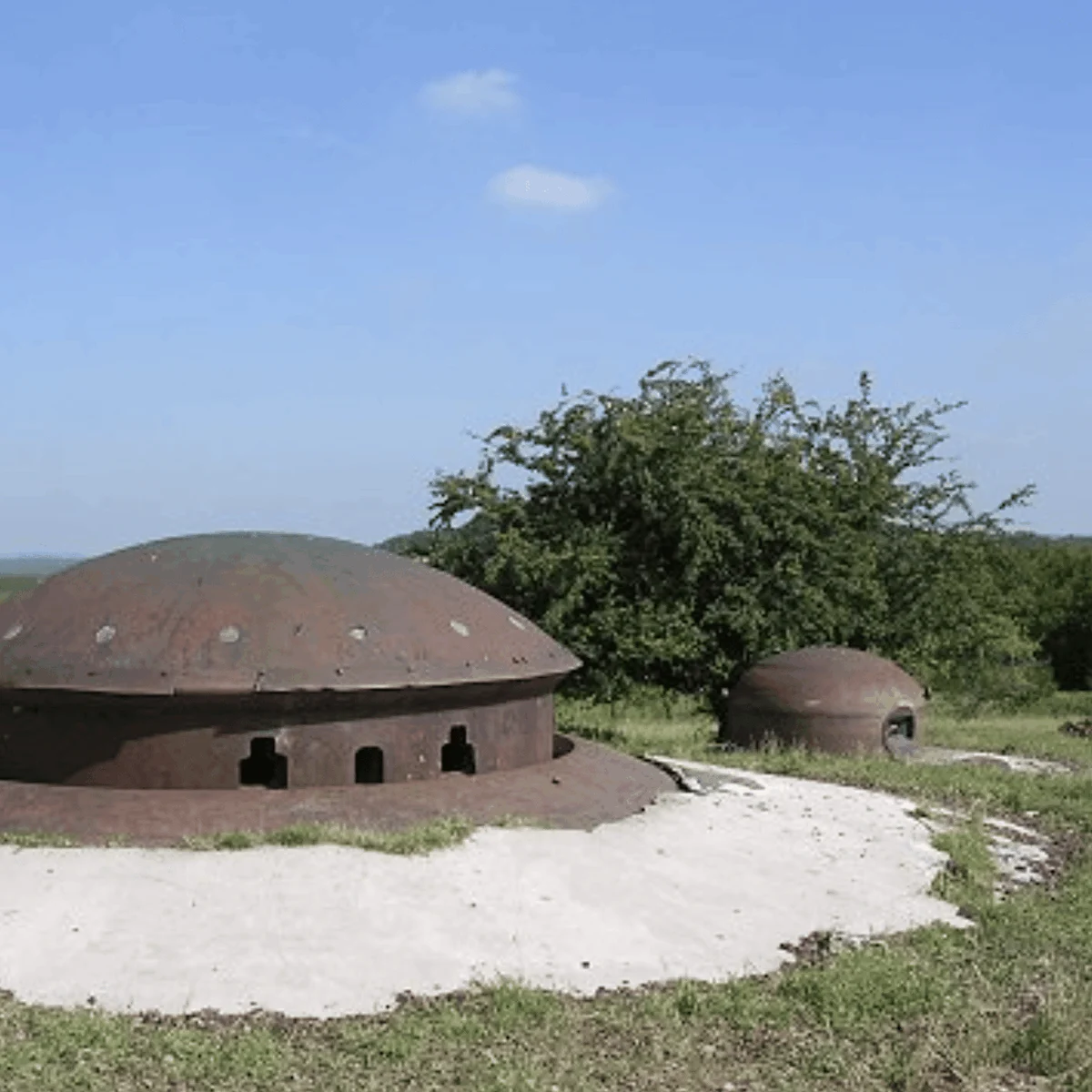
Paris, France – In the annals of military history, few structures embody the paradox of ambition and obsolescence as poignantly as the Maginot Line. Conceived in the shadow of the First World War’s horrific trenches, this colossal network of French fortifications, built throughout the 1930s, was designed to be an impenetrable shield against German aggression. Stretching over 200 miles (322 km) along France’s eastern frontier, it boasted massive gun emplacements, intricate underground tunnels, and state-of-the-art defensive technology. Yet, within mere weeks of the German invasion in 1940, the Maginot Line was rendered strategically irrelevant, a testament to how rapidly the nature of warfare can evolve, leaving even the most formidable static defenses behind. The swift German Blitzkrieg (lightning war) tactics, bypassing the line entirely through neutral Belgium and northeastern France, brought about France’s stunning defeat in just six weeks, forever cementing the Maginot Line as a symbol of betting on the past in the face of a revolutionary future.
Main Facts: A Fortress of False Security
The Maginot Line was more than just a series of bunkers; it was an ambitious engineering marvel intended to safeguard France from its historical rival, Germany. Its construction, a monumental undertaking between 1929 and 1939, reflected a deep-seated desire to avoid a repeat of the devastating trench warfare that had bled France dry during the First World War. The line ran from Belfort in the south, near the Swiss border, northwards to Thionville, close to Luxembourg. French military planners, scarred by the memory of millions lost in static attrition, envisioned a heavily fortified border that would deter any direct German assault and buy precious time for French forces to mobilize.
The core assumption underpinning the Maginot Line was that the next major conflict would mirror the last: a slow, grinding war of position. France, with a significantly smaller population (approximately 40 million) compared to Germany (around 60 million), desperately sought a way to defend its territory without incurring catastrophic human losses. The solution, they believed, lay in a defensive barrier that could be manned by fewer soldiers than a conventional frontline, conserving manpower for counter-offensives or reinforcing less-protected sectors.
However, this reliance on static defense proved to be a fatal strategic miscalculation. While the Maginot Line was indeed a formidable barrier, its very existence inadvertently fostered a dangerous sense of complacency within the French High Command and the public alike. The planners did not foresee a major attack through the neutral nations of Belgium, Luxembourg, and the Netherlands, despite historical precedents. They dismissed such a possibility due to the perceived neutrality of these states and the challenging terrain of the Ardennes Forest. This blind spot created a critical vulnerability, which Adolf Hitler’s Germany would exploit with devastating efficiency, turning France’s shield into a strategic anchor that ultimately contributed to its rapid downfall.
Chronology: From Trench Warfare Trauma to Blitzkrieg Bypass
The genesis of the Maginot Line lies firmly in the aftermath of the First World War. The Treaty of Versailles, which formally concluded the war in 1918, aimed to dismantle Germany’s military capacity. However, as Germany began its rearmament under the Nazi regime in the late 1920s and early 1930s, violating the treaty’s terms, France faced a renewed threat. The memory of the Western Front, where millions of French soldiers perished in brutal trench warfare, loomed large. French political and military leaders, including André Maginot, who served as Minister of Defence from 1929 to 1932 and after whom the line was officially named in August 1935, were convinced that a fixed, defensive barrier was the most effective way to protect their nation.
Paradoxically, France had been a pioneer in developing mobile, combined-arms tactics with tanks and infantry during the latter stages of WWI, contributing significantly to the Allied victory in 1918. Yet, by the 1930s, its military doctrine had retreated to a defensive posture. Tanks were still part of the French Army, but they were largely relegated to supporting static defenses rather than spearheading aggressive, attack-focused operations. Furthermore, France significantly underinvested in anti-tank guns and air defenses – crucial components of the modern mechanized warfare that Germany was actively developing.
While France built its concrete behemoth, Germany was forging a new military doctrine: Blitzkrieg. Pioneered by visionary strategists like Heinz Guderian, this doctrine emphasized speed, surprise, and the coordinated application of mechanized forces (tanks), motorized infantry, and close air support (Stuka dive bombers). The goal was to bypass enemy strong points, penetrate deep into the rear, and disrupt command and control, collapsing enemy resistance before it could properly form. The efficacy of these tactics was brutally demonstrated in the invasion of Poland in September 1939 and the subsequent campaign in Norway in April 1940, yet the French High Command largely dismissed these victories as anomalies or attributed them to the perceived weakness of Germany’s opponents.
The critical misjudgment concerned the "Ardennes Gap." French and Allied planners considered the dense, hilly forests of the Ardennes, bordering neutral Belgium, unsuitable for a large-scale tank offensive. This perception led to a less heavily fortified sector of the Maginot Line in that region, relying instead on the perceived strength of the Belgian army and the difficult terrain. This oversight proved catastrophic.
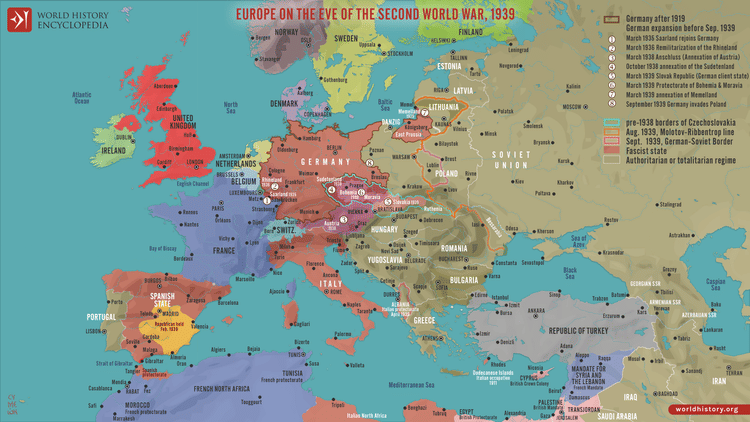
On May 10, 1940, the German invasion of France commenced with two primary surprises. The first was the sheer speed and coordinated aggression of the Blitzkrieg. The second, and most devastating, was the main thrust of the attack through the supposedly impenetrable Ardennes Forest in neutral Belgium. German Panzer divisions, spearheaded by Guderian, sliced through the Ardennes, rapidly bypassing the main Maginot Line defenses. The audacious Manstein Plan, executed by German forces, created a massive strategic arc that encircled Allied armies, including the British Expeditionary Force (BEF) and a significant portion of the French army, along the English Channel coast.
As German forces swept through the Low Countries and into France, the Maginot Line, for all its formidable strength, found itself outflanked. The primary battles were unfolding hundreds of miles to the west and north. While some sections of the line saw limited engagements, particularly when German forces attempted to "mop up" from the west or during an Italian Army attack from the south in June 1940 (which also failed to breach the main fortifications), its strategic purpose was negated. The line was designed to prevent a frontal assault, but the Germans simply went around it.
The German attack then pivoted south, capturing Paris on June 14, and subsequently swept southeast to attack the Maginot Line from its less-protected western flank. Approximately 30 French divisions, trapped between the advancing German forces and the now strategically isolated Maginot defenses, faced an untenable situation. Despite the overwhelming odds, the 400,000 troops garrisoned within the Maginot Line put up a spirited defense. None of the main fortresses fell to direct German assault. However, their valiant resistance was largely irrelevant; the war for France had already been lost elsewhere.
The French government, having relocated to Bordeaux, formally surrendered on June 22, 1940. In the week that followed, the remaining French troops in the Maginot Line’s fortresses, cut off and without hope of relief, were ordered to surrender. The catastrophic Fall of France had unfolded in just six weeks, a speed unimaginable to most military strategists of the era.
Supporting Data: An Underground World of Concrete and Steel
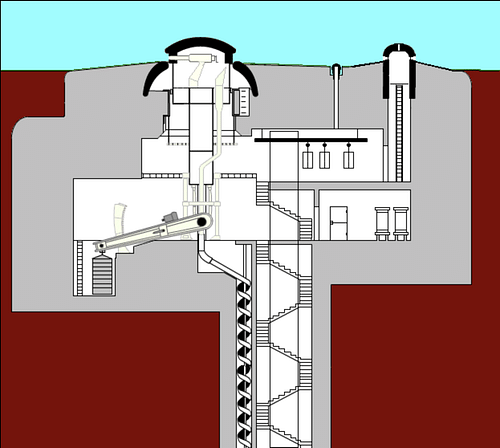
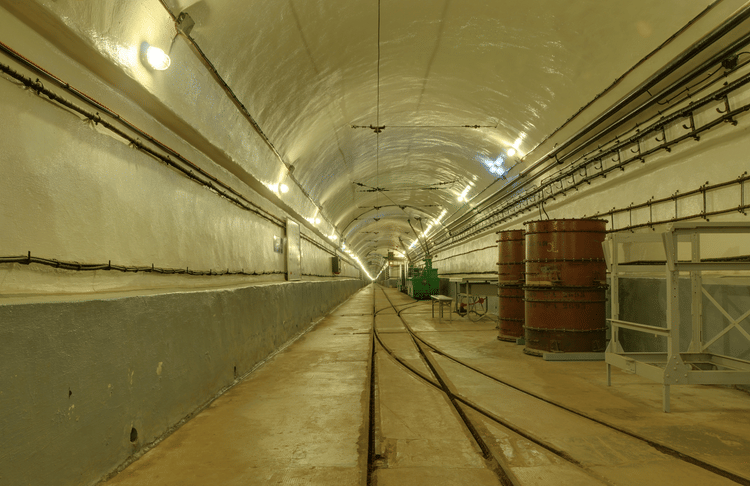
The Maginot Line was not merely a defensive wall but an immense, self-contained underground world. Stretching for over 200 miles, it comprised a sophisticated chain of interconnected fortresses, known as ouvrages, interspersed with smaller concrete, cast-iron, and steel gun emplacements and bunkers. These ouvrages were colossal, often extending several levels deep, housing barracks, kitchens, infirmaries, ammunition dumps, and power generators. Externally, a dense "forest" of anti-tank obstacles, concrete dragon’s teeth, and reams of barbed wire provided further layers of protection.
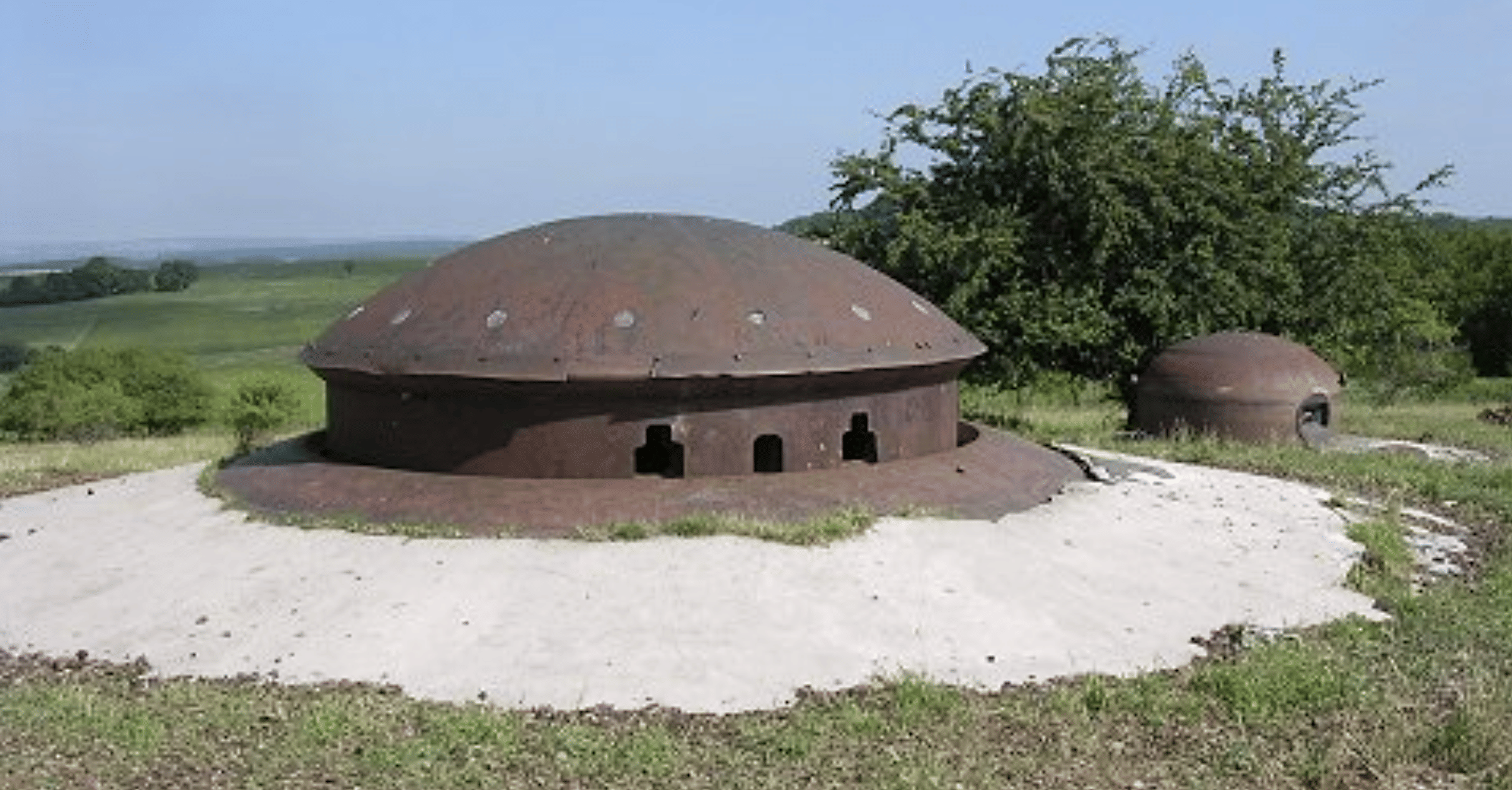
The engineering was revolutionary for its time. Each ouvrage was designed for mutual protection, with emplacements angled to provide interlocking fields of fire. A hallmark of the line’s ingenuity was Colonel Bussière’s "tourelle à éclipse," retractable gun turrets that could descend into the ground for protection against artillery or air attack, much like a "solar eclipse." These turrets housed machine guns, 75mm artillery pieces, and 135mm howitzers. Gun crews were highly trained, operating with the precision and coordination of a naval vessel’s crew.
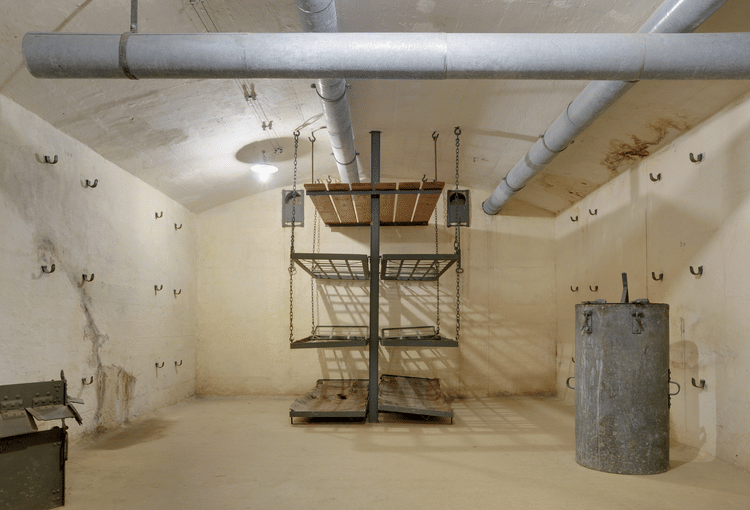
Life inside the Maginot Line was designed to be as self-sufficient as possible. Bunkers, set deep underground, offered protection from artillery and gas attacks. They were stocked with enough provisions to sustain garrisons for up to four weeks in isolation. Sophisticated optical periscopes allowed soldiers to observe the exterior without exposing themselves. An intricate web of narrow-gauge railways, running several to up to 30 meters below the surface, connected various casemates, facilitating rapid resupply of ammunition and troop movement. Generators provided electricity for lighting, ventilation, and the operation of the moveable turrets, while telephone systems ensured internal communication.
The sheer scale and technical sophistication of the Maginot Line captured the public imagination. The press widely boasted of its impregnability, fostering a pervasive sense of security. However, this public confidence masked a deeper psychological vulnerability. As British journalist Gordon Waterfield observed, the line "did a lot of harm, the whole idea that this was an impregnable fortress and that all we had to do was just sit there and wait for the Germans to come and shoot them down." Future British general Alan Brooke echoed this concern, noting that "the most dangerous aspect is the psychological one: a sense of false security is engendered… and should the defence perchance be broken, the French fighting spirit might be well brought crumbling with it." These prophetic words highlighted the inherent danger of over-reliance on a fixed defense.
The human cost of France’s strategic misjudgment was staggering. The Fall of France, lasting just six weeks, resulted in an estimated 90,000 French dead, 200,000 wounded, and 1.9 million taken prisoner or missing. This contrasted starkly with German losses of approximately 29,640 dead (army and air force) and a total casualty figure of 163,213. The Maginot Line, for all its structural integrity, became a tragic symbol of a nation perfectly prepared to refight the last war, only to be overwhelmed by the next.
Official Responses: The High Command’s Blind Spot
The decision to invest so heavily in the Maginot Line, to the exclusion of other strategic priorities, was a complex one, deeply rooted in the political and military climate of interwar France. Officially, the line was seen as the logical answer to several pressing concerns:
- Demographic Disparity: France’s smaller population compared to Germany meant that a war of attrition, like WWI, would inevitably favor Germany in terms of manpower. A fortified line could maximize defensive capabilities with fewer soldiers.
- Lessons from WWI: The French High Command, dominated by figures who had served in the Great War, drew what they believed were the correct lessons: that modern firepower favored the defense and that future wars on the Western Front would remain static.
- Economic Constraints: While expensive, the Maginot Line was perceived as a long-term, cost-effective solution to national security, reducing the need for a larger, more expensive standing army or frequent, costly mobilizations.
- Political Will: The French public, traumatized by WWI, strongly supported measures that promised peace and security without further mass casualties. The Maginot Line became a symbol of this national resolve.
- Reluctance to Provoke: Some political leaders were wary of adopting an overtly offensive military doctrine, fearing it might be seen as provocative by Germany and undermine efforts at diplomatic stability.
However, these official responses and rationales overlooked critical shifts in military technology and doctrine. The French generals, particularly those at the highest echelons, failed to grasp the full potential of motorized infantry, air power, and concentrated tank formations. They saw tanks as infantry support weapons, not as independent spearheads capable of rapid exploitation. This intellectual inertia led to a critical lack of investment in mobile warfare capabilities, particularly anti-tank defenses and tactical air support, and a failure to develop a flexible doctrine that could respond to a rapidly evolving battlefield.
The assumption that neutral countries like Belgium would hold any German advance, or that the difficult terrain of the Ardennes was impassable for mechanized forces, further compounded the strategic error. While there were discussions and agreements with Belgium regarding fortifications on their eastern frontier, the "extended Maginot Line" concept was never fully realized. This left a crucial gap, a strategic invitation that Germany would eagerly accept. The Maginot Line, therefore, represented not just a failure of engineering (which it wasn’t, structurally) but a profound failure of strategic foresight and a dangerous overestimation of past experiences guiding future conflicts.
Implications: A Cautionary Tale in Military Strategy
The Maginot Line’s circumventing and the subsequent Fall of France had immediate and far-reaching implications. For the Allies, it was a catastrophic defeat. The British Expeditionary Force, alongside 120,000 French soldiers, was narrowly extricated from Dunkirk, leaving Britain isolated and facing the full might of the Nazi war machine alone. The psychological impact on the French nation was immense, leading to the establishment of the Vichy regime and years of occupation. The Maginot Line, once a source of national pride, became a symbol of hubris and strategic folly.
The most profound implication, however, was the stark lesson in military strategy. The Maginot Line demonstrated that even the most advanced static defenses could be rendered obsolete by innovation in offensive tactics and technology. It underscored the importance of:
- Flexibility and Adaptability: Military doctrine must constantly evolve to meet new threats and leverage new technologies.
- Combined Arms Warfare: The synchronized use of infantry, armor, artillery, and air power is crucial for modern conflict.
- Intelligence and Reconnaissance: Accurately assessing enemy capabilities and intentions is paramount.
- Avoiding "Maginot Line Mentality": This term entered the lexicon to describe a rigid, defensive mindset, an over-reliance on past solutions, or a failure to anticipate future challenges.
Despite its strategic failure in 1940, parts of the Maginot Line did see action again. The German Army repurposed sections of it as a defense against advancing Allied armies in 1944. Later that year, as the front shifted eastwards, the Ouvrage de Monte-Grosso at the southern end was restored and used by Allied forces against German positions. In the post-war era, during the early years of the Cold War, some sections of the line were even refurbished and briefly reactivated as a deterrent against a potential Soviet invasion, highlighting a lingering attachment to the concept of static defense, albeit in a different geopolitical context.
Today, the Maginot Line stands as a compelling historical monument. Around 20 different portions of the fortifications have been restored, with some open to the public as museums and visitor centers, while others are maintained by dedicated volunteer associations. The Schoenenbourg Fort in Alsace, for example, offers a vivid glimpse into the complex underground world of the line. These sites serve as a tangible reminder of a nation’s desperate attempt to secure peace through formidable fortifications, and the enduring cautionary tale of how quickly military innovation can outpace even the grandest designs. The Maginot Line remains a powerful symbol of the constant need for strategic foresight, adaptability, and an understanding that the next war is rarely fought like the last.